Real Madrid, synonymous with European soccer glory, has spent decades conquering the UEFA Champions League. Their triumphs define them, yet not every final has ended with silverware in their hands.
While their victories shine bright, heartbreak has also been part of the journey. In those high-stakes finals, even this powerhouse has watched the trophy slip away, leaving bitter memories behind.
How many finals have Real Madrid lost on the grand stage of Europe? The number might surprise, a testament to the unpredictable drama and heartbreak that come with chasing soccer‘s biggest prize.
Real Madrid’s Champions League final defeats
Real Madrid has lost the Champions League final three times in its history. While known for their record 14 titles, these rare defeats are crucial moments that show even the greatest face setbacks.
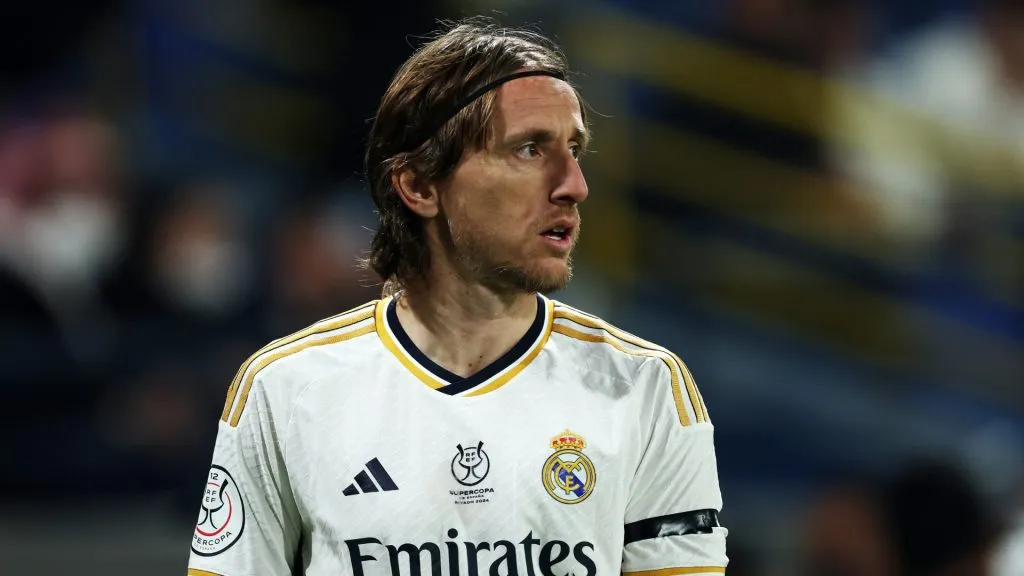
Luka Modric, midfielder of Real Madrid
The first loss occurred in 1962 against Benfica in a thrilling 5-3 game where despite Ferenc Puskás’s early heroics, Benfica, powered by Eusébio, turned the match around. This was a painful reminder that no reign is without challenges.
In 1964, Madrid fell to Inter Milan, whose tactical discipline under Helenio Herrera’s catenaccio system suffocated Real’s attack. Then, in 1981, Liverpool narrowly edged out Madrid 1-0 with a late goal.
In which years and against which opponents did Real Madrid lose the Champions League finals?
Real Madrid’s Champions League final defeats came in three distinct years: 1962, 1964 and 1981, each against an opponent that brought unique challenges and ultimately overcame the Spanish giants.
The 1962 final, held in Amsterdam, was a spectacle of attacking soccer. Despite Ferenc Puskás dazzling with a first-half hat-trick, Benfica, led by Eusébio’s explosive pace and clinical finishing, overturned the deficit. Benfica’s 5-3 victory is still remembered as one of the most thrilling finals in the history of the competition.
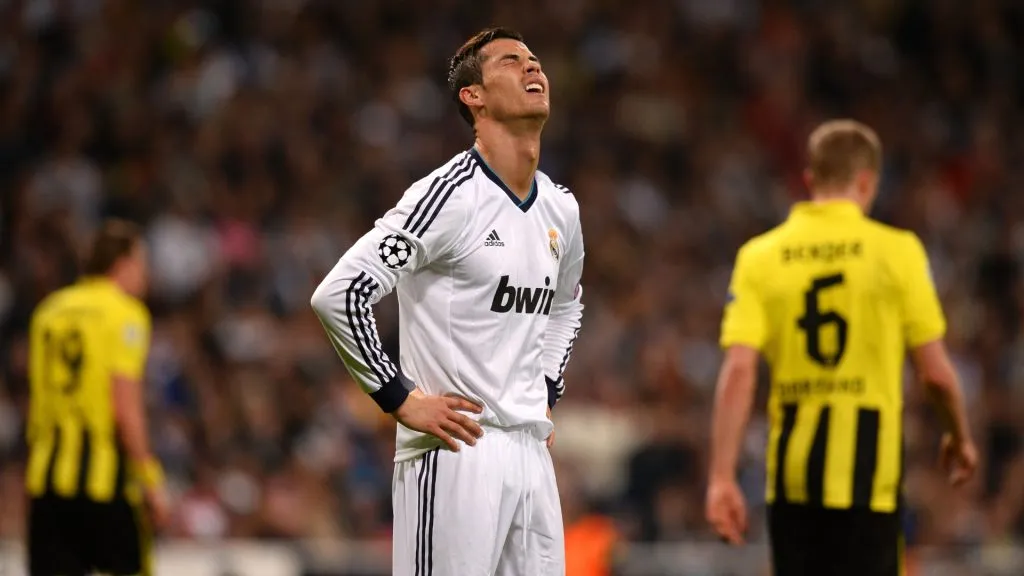
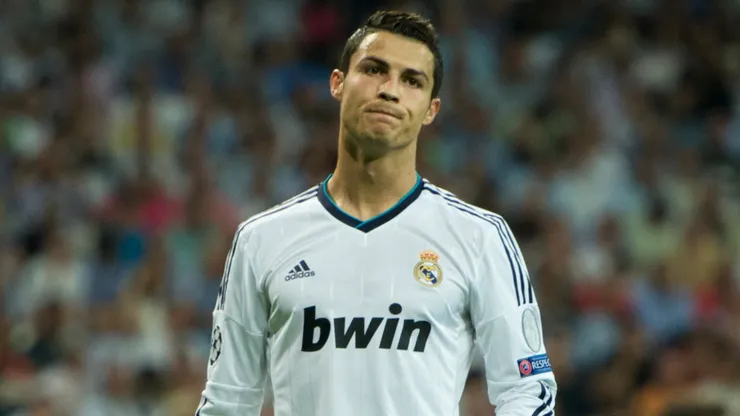
A dejected Cristiano Ronaldo of Real Madrid during the UEFA Champions League Semi Final Second Leg match against Borussia Dortmund at Estadio Santiago Bernabeu on April 30, 2013. (Source: Mike Hewitt/Getty Images)
Two years later, in 1964, Real Madrid encountered a different kind of challenge in Vienna. Inter Milan’s disciplined defensive approach, famously known as catenaccio, effectively neutralized Madrid’s creative threats.
Sandro Mazzola’s two goals ensured Inter’s 3-1 triumph, marking the rise of tactical rigidity over flamboyant play and setting a precedent that would influence European soccer for decades.
The most recent loss came nearly two decades later, in 1981, in Paris. Liverpool, then emerging as a European powerhouse, secured a narrow 1-0 victory thanks to a late goal from Alan Kennedy. This match was tightly fought, with Liverpool’s clinical finishing and defensive solidity proving decisive.
Key moments in Real Madrid’s lost Champions League finals
Each of Real Madrid’s Champions League final defeats was shaped by defining moments that swung the balance against them, moments that still echo in football history. The 1962 final’s turning point came early in the second half.
Despite Madrid’s initial dominance and Puskás’s heroics, Benfica’s Eusébio ignited a stunning comeback with two swift goals. These strikes not only erased Madrid’s lead but also shifted momentum entirely, demonstrating how quickly fortunes can change in high-stakes matches.
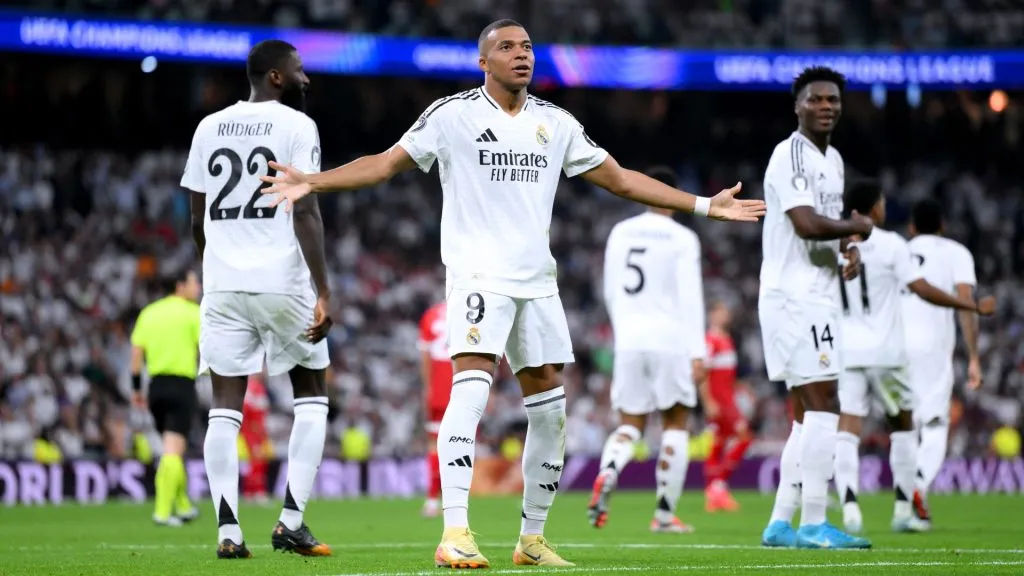
Kylian Mbappe of Real Madrid celebrates scoring his team’s first goal during the UEFA Champions League 2024/25 League Phase MD1 match against VfB Stuttgart in 2024. (Source: David Ramos/Getty Images)
In 1964, the key moments were less about spectacular goals and more about tactical mastery. Inter Milan’s ability to suppress Madrid’s usually potent attack through disciplined positioning and counterattacks frustrated the Spanish side.
Sandro Mazzola’s opportunistic goals were clinical executions born from this strategic framework. The final was a showcase of how effective defensive tactics can dominate even the most talented opponents.
The 1981 final was decided by a solitary, crucial moment of defensive vulnerability. Alan Kennedy’s late goal came after a rare lapse in Madrid’s defense. This solitary strike exemplifies the razor-thin margins that define finals, where one momentary mistake can overshadow an entire match of effort and skill.
Lessons and impact of these losses on Real Madrid
Far from mere disappointments, Real Madrid’s few Champions League final defeats have profoundly influenced the club’s philosophy, squad development and approach to Europe’s elite competition.
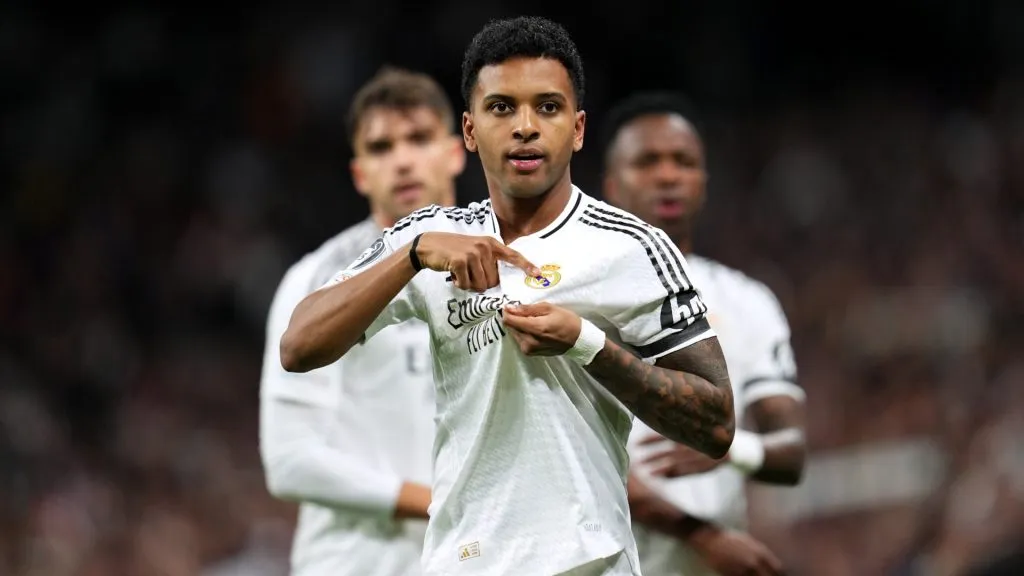
Rodrygo of Real Madrid celebrates scoring his team’s first goal during the UEFA Champions League 2024/25 Round of 16 first leg match against Atletico de Madrid on March 04, 2025. (Source: Aitor Alcalde/Getty Images)
The 1962 loss to Benfica was a wake-up call, signaling the need for renewal after a golden generation had begun to age. It accelerated Madrid’s efforts to rebuild and modernize the squad, ensuring the club remained competitive at the highest level for years to come.
The tactical defeat to Inter Milan in 1964 had a lasting impact on Madrid’s footballing strategy. Confronted by Herrera’s catenaccio, the club realized that skill and flair alone were insufficient to conquer Europe. Adaptability and tactical nuance became priorities, shaping their future approaches in domestic and continental competitions.
The narrow loss to Liverpool in 1981 underlined the importance of defensive organization and game management. Recognizing that even the smallest lapse could prove costly on the biggest stage, Madrid invested heavily in strengthening defensive discipline.