
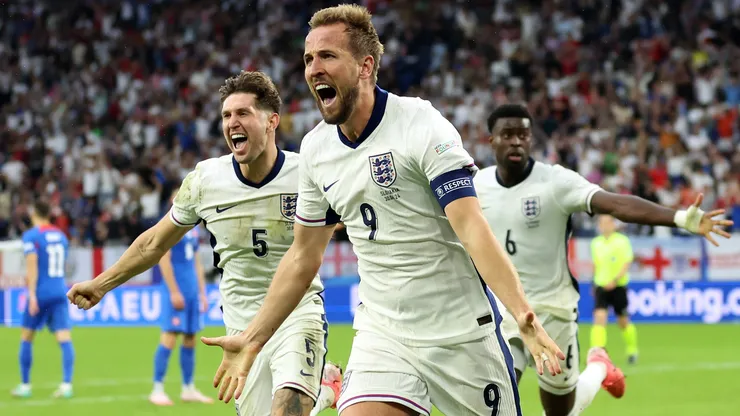
As Europe’s top national teams gear up, the battle for a spot in UEFA EURO 2028 is set to ignite fierce competition. The qualification system, designed to test skill and strategy, shapes the journey toward the grandest continental showdown.
With a blend of traditional qualifiers and new twists, this system promises drama and surprises. From group stages to playoffs, every match carries weight, ensuring that only the most consistent teams advance to the main event.
Beyond just securing a ticket, the qualification process reveals shifting dynamics across European soccer. Emerging nations challenge established powers, making the path to EURO not just a formality, but a captivating narrative in its own right.
Key changes in the EURO 2028 qualifiers
The qualification system for UEFA EURO 2028 keeps many elements fans are familiar with but introduces notable adjustments to accommodate the unique circumstances of this soccer tournament.
One key change lies in the integration of the host nations — England, Republic of Ireland, Scotland and Wales — into the qualifiers, but unlike past editions, each host will compete in separate groups.
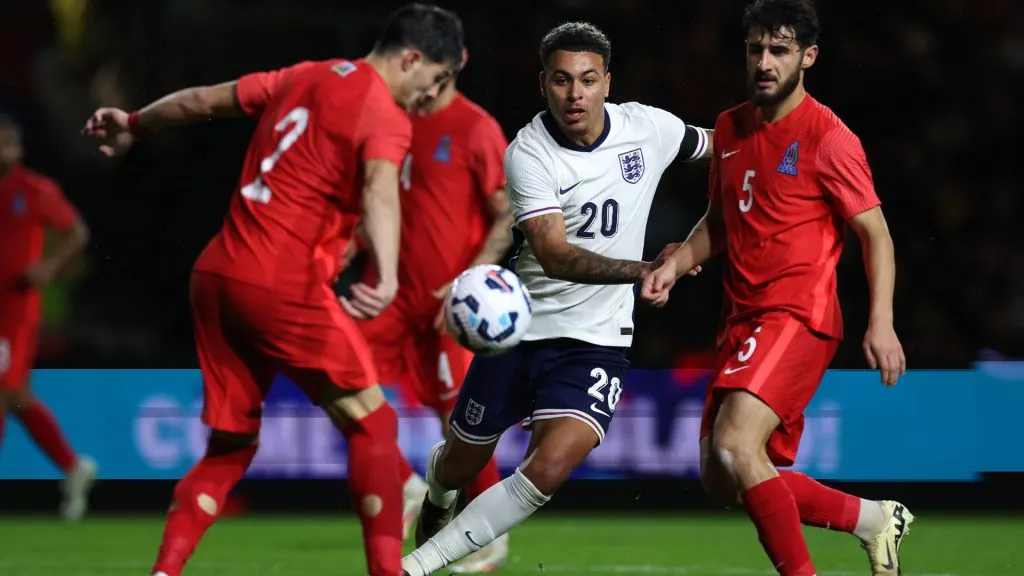
Morgan Rogers of England vies for the ball alongside Abdulla Rzayev and Mahir Hasanov of Azerbaijan looks on during the UEFA U21 Euro 2025 Qualifier Group Six match. (Source: Michael Steele/Getty Images)
This ensures they play meaningful matches even though they have reserved spots for the finals, an innovation designed to keep the competitive spirit alive while safeguarding their places in the tournament.
The qualification process will still feature twelve groups with four or five teams each, mirroring the current system used for EURO 2024-26. However, the path to the finals now blends direct qualification with a flexible playoff structure that adapts depending on how many host nations secure spots through the group stage.
This dynamic playoff format can involve between eight and twelve teams competing for the last few final tournament berths, with scenarios ranging from single-leg knockout matches to home-and-away ties, according to UEFA.
Perhaps most intriguingly, UEFA has linked the qualification playoffs to the Nations League rankings, offering a second chance to teams that performed well but missed direct qualification.
This connection between tournaments adds an extra layer of strategy and opportunity, underlining UEFA’s aim to balance tradition with innovation as EURO 2028 approaches.
How teams compete for direct qualification
At the heart of the EURO 2028 qualification lies the group stage, a familiar battleground where national teams clash for coveted spots in soccer’s premier continental competition. Twelve groups will set the stage for what promises to be a gripping campaign across Europe.
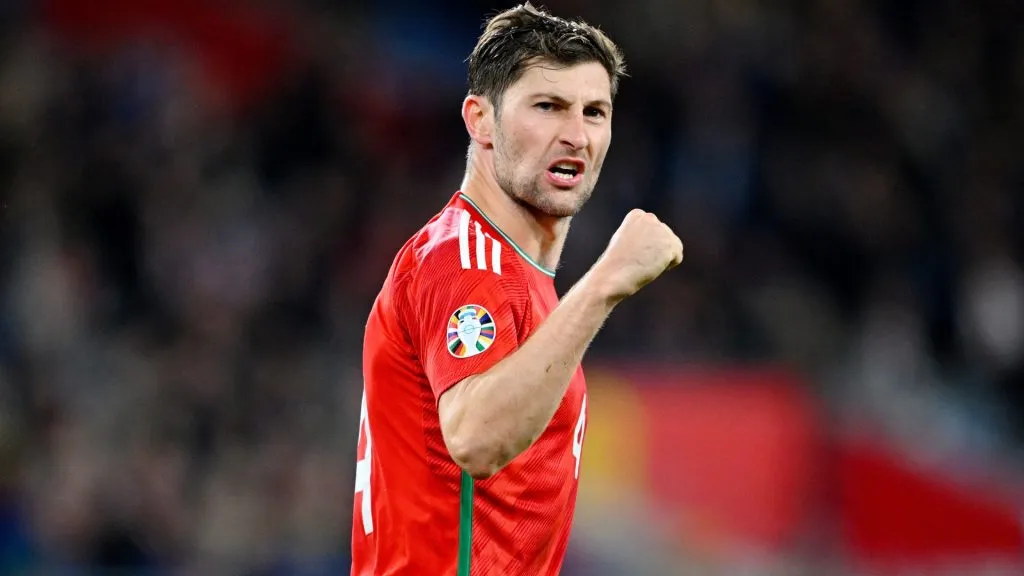
Ben Davies of Wales celebrates during the UEFA EURO 2024 European qualifier match between Wales and Croatia at Cardiff City Stadium on October 15, 2023. (Source: Shaun Botterill/Getty Images)
The format remains straightforward but intense: only the group winners and the eight best runners-up — twenty teams in total — will secure direct qualification to the final tournament, as the UEFA Executive Committee reported. However, two Euro 2028 spots will be reserved for the two best ranked host nations who are not qualified as group winners or best runners-up in the qualifying group stage.
This structure means every match carries weight. Teams must not only strive to top their groups but also accumulate enough points and a healthy goal difference to rank among the best second-placed squads.
The inclusion of the host nations in separate groups ensures these teams maintain competitive rhythm without complicating the allocation of qualification spots, preserving fairness and excitement for the rest of the field.
The direct qualification battle is complemented by the playoff phase, but success in the group stage remains the clearest path to EURO 2028. With such high stakes, the group stage is set to deliver drama, tension, and surprises as teams vie to write their names into soccer history.