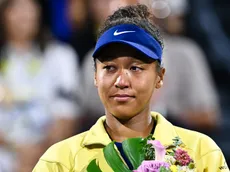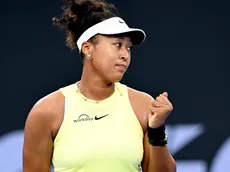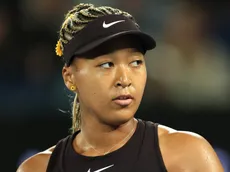
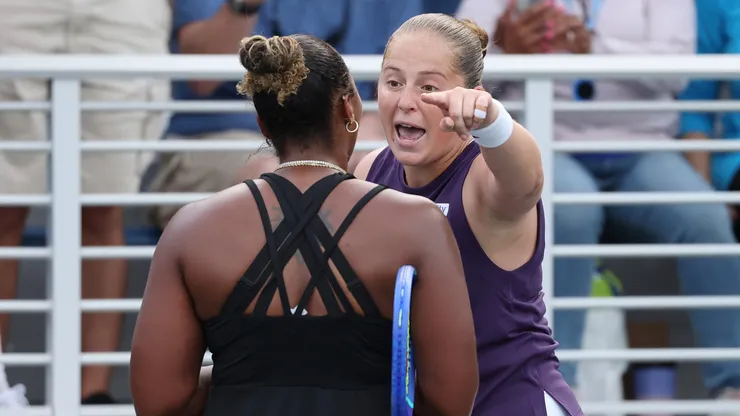
A four-time Grand Slam champion has weighed in on one of the most talked-about storylines of the US Open. Naomi Osaka, the former World No. 1, addressed Jelena Ostapenko directly after the Latvian’s heated exchange with Taylor Townsend.
Ostapenko and Townsend drew attention when tensions flared following the American’s 7–5, 6–1 victory. After the match, Ostapenko accused Townsend of being “very disrespectful” for not apologizing after a net-cord winner at a crucial moment and for failing to follow standard warm-up procedures.
Reports also suggested that racist comments may have been made during the altercation, though Ostapenko strongly denied those claims on her social media account.
Speaking after her own victory against Hailey Baptiste, Osaka made her stance clear. “I mean, it’s really difficult to say. I think obviously it’s one of the worst things you can say to a Black tennis player in a majority White sport,” Osaka told reporters. “And granted, I know Taylor and I know how hard she’s worked and I know how smart she is, so she’s the furthest thing from uneducated or anything like that”.
Taylor Townsend and Jelena Ostapenko got in a heated interaction after their second round match at the US Open.
— ESPN (@espn) August 27, 2025
Townsend is on to the third round. pic.twitter.com/cOIYzoyfmG
Osaka added that Ostapenko has a history of controversial remarks. “But if you’re like genuinely asking me about the history of Ostapenko, I don’t think that’s the craziest thing she’s said. I’m going to be honest,” she added. The controversy has quickly become one of the most discussed storylines of the week, with other players such as Ben Shelton also weighing in.

Ostapenko responds to the criticism
The 2017 French Open champion faced heavy backlash online, with many accusing her of racist remarks. Ostapenko responded in a since-deleted Instagram post, denying the allegations.
“Wow how many messages I received that I am a racist. I was NEVER racist in my life and I respect all nations of people in the world, for me it doesn’t matter where you come from. There are some rules in tennis and unfortunately when the crowd is with you you can’t use it in [a] disrespectful way to your opponent,” she wrote.