The expanded 2026 FIFA World Cup has created more paths to the knockout stage than ever before. When teams finish level on points in the group stage, qualification can come down to a series of tiebreakers.
With 48 nations competing and eight third-place teams also advancing, every goal, card and head-to-head result could prove decisive. FIFA now prioritizes head-to-head performance when separating teams tied on points.
If two or more nations are level, the governing body first examines the results between those teams before looking at overall goal difference and goals scored. The system has already influenced qualification scenarios.
What are the tiebreak rules at the 2026 World Cup?
FIFA first uses head-to-head results to separate teams tied on points in the same group. If two or more teams finish level after all group-stage matches, the governing body applies a multi-step tiebreaking system to determine the final standings.
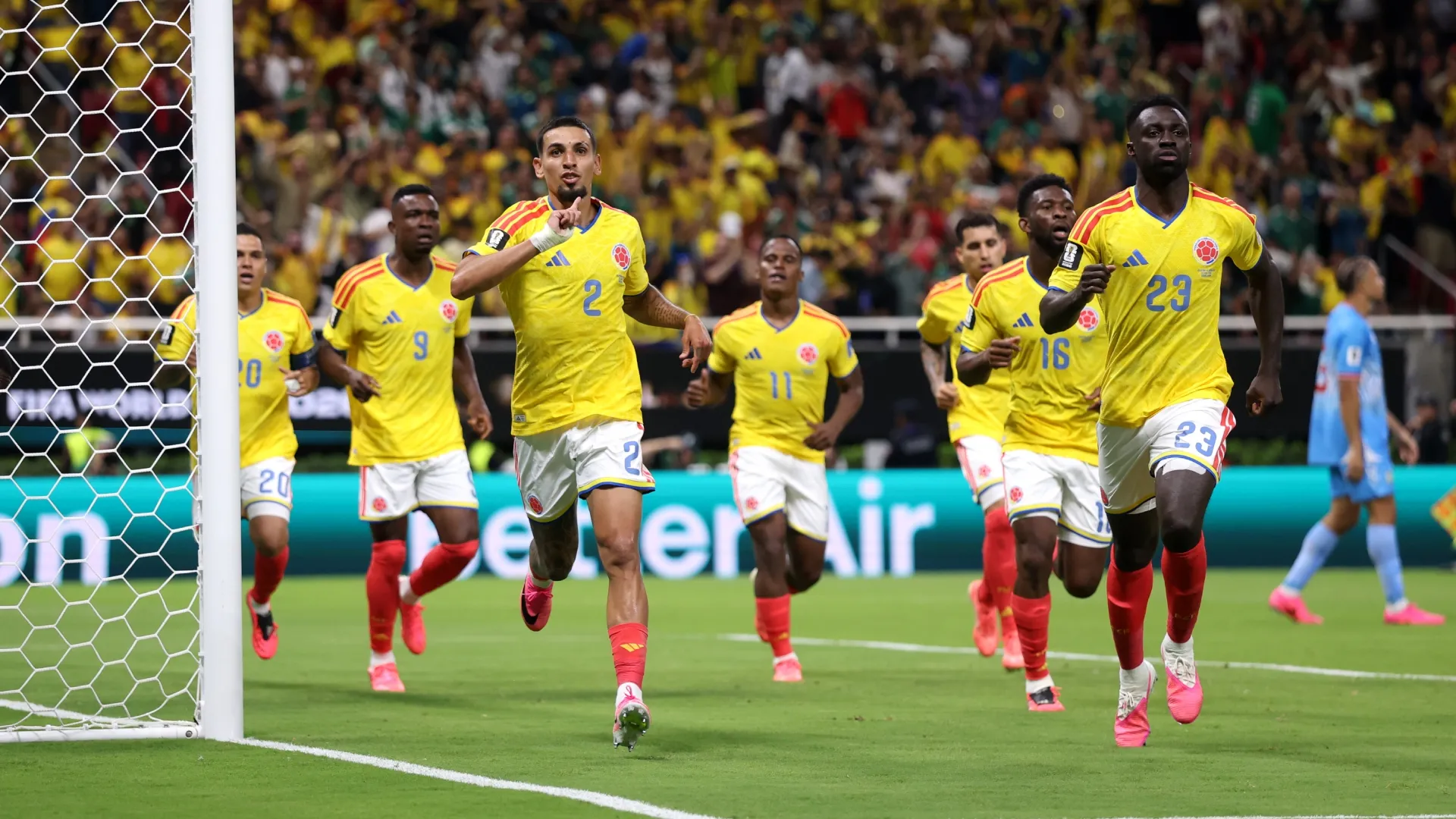
Daniel Munoz with teammates during the FIFA World Cup 2026 Group K match (Source: Carl Recine/Getty Images)
The first set of criteria focuses exclusively on the matches played between the tied teams. FIFA examines the number of points earned in those head-to-head meetings, followed by head-to-head goal difference and head-to-head goals scored.
This is a significant change from previous World Cups, where overall goal difference was the primary tiebreaker. If the teams remain level after those head-to-head criteria are applied, FIFA moves to overall group-stage performance.
At that stage, overall goal difference and total goals scored across all three group matches come into play. Should the deadlock persist, FIFA looks at disciplinary records and, as a final step, the most recent FIFA/Coca-Cola Men’s World Ranking.
Does head-to-head or goal difference come first?
Head-to-head results come before goal difference at the 2026 World Cup. FIFA’s regulations prioritize the direct results between tied teams before considering their overall performance in the group.
Under the current system, if Team A and Team B finish level on points and Team A defeated Team B during the group stage, Team A would rank higher regardless of overall goal difference, provided the head-to-head criteria resolve the tie.
The rule has already had a noticeable impact during the 2026 tournament. Several teams have clinched qualification or group victories before the final matchday because their head-to-head victories guaranteed an advantage over direct rivals.
FIFA adopted this approach to place greater importance on matches between teams competing for the same qualification spots, rather than rewarding performances against weaker opponents elsewhere in the group.
What happens if three or more teams are tied on points?
If three or more teams are tied on points, FIFA creates a mini-table using only the matches played among those teams. The same head-to-head criteria are then applied to determine the rankings.
In that mini-table, FIFA first compares the points won in matches involving the tied teams. If the teams remain level, the next criteria are goal difference and goals scored in those head-to-head contests.
This scenario can produce unusual outcomes. A team may have a superior overall goal difference in the group but still finish below another side because of its performance in the matches involving the tied teams.
If one team is separated during the process while others remain tied, FIFA reapplies the same criteria exclusively to the remaining tied teams until the rankings are finalized. So, the order of the tiebreakers is as follows:
- Head-to-head points among the tied teams.
- Head-to-head goal difference among the tied teams.
- Head-to-head goals scored among the tied teams.
- Overall goal difference in all group matches.
- Overall goals scored in all group matches.
- Fair Play points (based on yellow and red cards received).
Can fair play points decide a World Cup group?
Yes, fair play points can determine the final standings of a World Cup group if all previous tiebreakers fail to separate the teams. FIFA uses disciplinary records as one of its last criteria before turning to the FIFA World Ranking.
The fair play system penalizes teams for yellow and red cards received during the group stage. The team with the better disciplinary record earns the advantage in the standings.
Although rare, disciplinary records have played decisive roles in major international tournaments before. Because of that possibility, players and coaches are often aware that unnecessary bookings can carry consequences beyond a single match.
In a tightly contested World Cup group, a yellow card received in stoppage time could theoretically become the difference between advancing to the Round of 32 and being eliminated.
What happens if teams are still tied after all tiebreakers?
If teams remain tied after every sporting and disciplinary criterion has been applied, FIFA uses the latest world ranking to separate them. Unlike previous tournaments, the ranking now serves as the final tiebreaking mechanism.
That means FIFA no longer needs to rely on a random drawing of lots in most situations. Instead, the team with the higher position in the most recently published official rankings receives the higher placement in the group.
Such a scenario is extremely unlikely because teams would need to finish level on points, head-to-head results, goal difference, goals scored and disciplinary records. Still, FIFA includes the ranking criterion to ensure every possible situation has a clear resolution.
For fans tracking qualification scenarios during the 2026 World Cup, that means even a nation’s position in the FIFA rankings could become relevant if a group reaches an exceptionally rare deadlock.