The 2026 FIFA World Cup opening ceremony in Toronto will feature a star-studded lineup of artists, with a total of nine confirmed performers taking the stage before Canada vs Bosnia and Herzegovina.
Among the headliners are some of Canada’s most recognizable music stars, including Alanis Morissette and Michael Buble, alongside contemporary performers such as Alessia Cara and Jessie Reyez.
The ceremony will also include global names like Nora Fatehi, Vegedream, Elyanna, Sanjoy and Canadian folk artist William Prince, creating a multicultural showcase ahead of kickoff. It will take place just 90 minutes before the match.
Why is Toronto’s World Cup opening ceremony expected to be historic?
Toronto’s 2026 FIFA World Cup opening ceremony is expected to be historic because it marks the first-ever World Cup opening match on home soil, combined with a large-scale televised cultural show featuring a record nine-artist lineup.
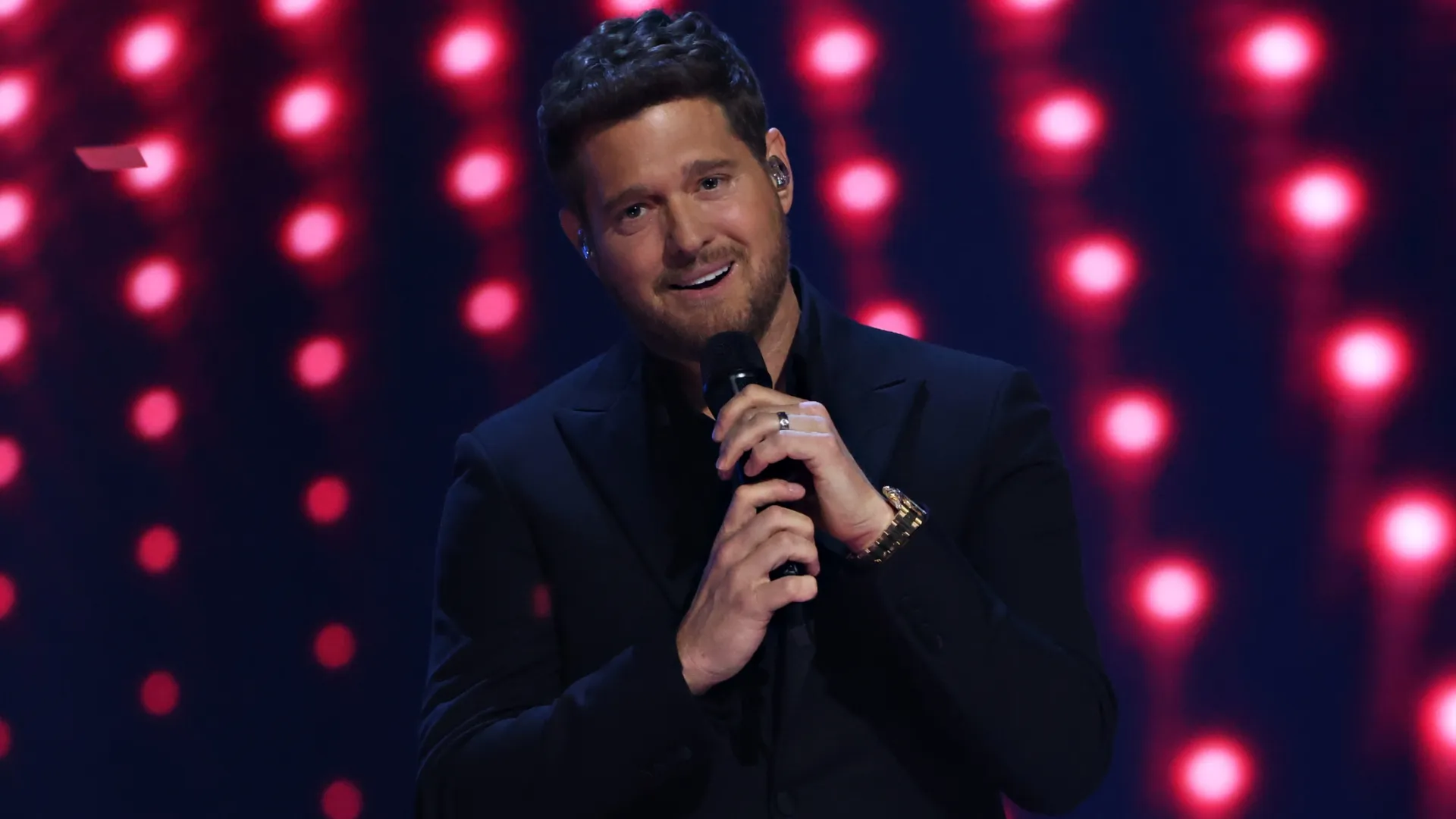
Michael Buble performs onstage during the 2025 JUNO Awards (Source: Cindy Ord/Getty Images)
It is the first time in history that Canada will host a World Cup match in its own territory during a FIFA tournament, turning Toronto into one of the global focal points of the opening week of the competition.
What makes the event even more significant is the scale of the entertainment production. The Toronto ceremony will feature a nine-artist lineup blending Canadian icons and international performers.
According to FIFA’s official lineup, the show is designed to reflect Canada’s cultural diversity while positioning the opening ceremony as a standalone global entertainment spectacle rather than a simple pre-match event.
What is the selection process for the artists like?
The selection of artists for the 2026 FIFA World Cup opening ceremony is not based on public auditions or fan voting, but instead on a curated invitation process led by FIFA and its official production partners.
From the information released by FIFA and global entertainment partners, the lineup is built through a strategic booking model, where artists are directly invited based on several key factors: international popularity, cultural relevance and their ability to represent both the host nation and the global audience.
Another important element of the process is cultural representation and market balance. FIFA typically aims to include a mix of genres and regions, ensuring the show reflects the diversity of the tournament itself.