
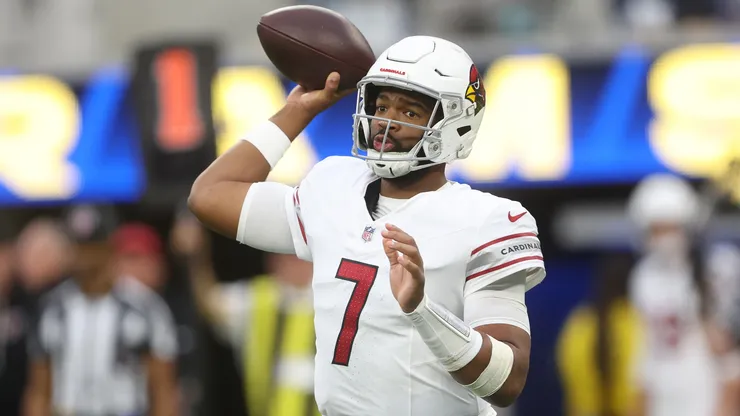
The Arizona Cardinals enter the 2026 offseason in a position that many franchises envy: financial breathing room. With the salary cap continuing to rise, the franchise finds itself hovering near the top ten in available space.
Yet cap space rarely tells the full story in the NFL. Their books still carry several sizable contracts and roster decisions, meaning that the apparent flexibility could shift quickly depending on restructures, releases or strategic signings.
For a team navigating a transitional period, the numbers behind the cap may quietly shape the direction of the entire offseason. How that financial margin is used could reveal as much about their long-term vision as any move on the field.
How much is the Cardinals’ cap space in 2026?
The Arizona Cardinals are projected to have $30.7 million to $31.7 million in available cap space for the 2026 NFL season, according to Sports Illustrated. That figure places Arizona around ninth in the league in available cap room.

Josiah Deguara #45 of the Arizona Cardinals in 2026 (Source: Harry How/Getty Images)
The number is calculated using the NFL’s Top-51 offseason rule, which counts only the 51 highest cap hits on a roster during the offseason. With the league’s salary cap projected to sit around $301.2 million, Arizona’s adjusted cap reaches about $313.3 million, leaving close to $40 million in space once current contracts and dead money are accounted for.
Several contracts dominate the their financial structure for 2026. Quarterback Kyler Murray carries the largest cap hit on the roster at over $52.6 million, representing nearly 17.5% of the team’s total cap allocation.
Behind him, safety Budda Baker and edge rusher Josh Sweat also account for significant cap charges, each exceeding $16 million for the season. Arizona’s books also include roughly $18.4 million in dead money, which limits some of the club’s spending flexibility but still leaves the front office with room to maneuver compared with more cap-constrained teams.
Another important factor is the upcoming rookie class. Based on projections for their draft picks, their 2026 draft pool could cost about $16.9 million in total cap commitments, though only a portion of that would count against the Top-51 rule during the offseason.