
The Buffalo Bills face a complex financial landscape as the National Football League salary cap climbs to around $301.2 million for 2026 (a record high for the league and a roughly $22 million increase from 2025), opening opportunities but also spotlighting tough roster math.
While that jump eases pressure from prior years, they still enter the offseason with limited breathing room. Club brass, led by GM Brandon Beane, has already begun reshaping obligations, including restructuring Spencer Brown’s contract.
Behind the scenes, dead cap hits and returning veteran salaries, from Matt Milano to others with remaining void years, also factor into the ledger, meaning their usable cap picture will depend on more than just the headline number.
How much is the Buffalo Bills’ cap space in 2026?
Despite the salary cap increase, the Bills enter 2026 actually in the red. According to Over the Cap, Buffalo is currently about $8.7 million over the cap heading into free agency and roster maneuvers. This means that before retooling contracts, releasing players, or restructuring deals, their “available cap space” stands in the negative, at roughly –$8.7 million.

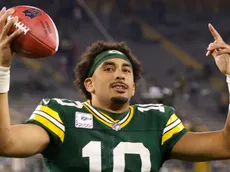
Khalil Shakir #10 of the Buffalo Bills in 2026 (Source: Justin Edmonds/Getty Images)
Being over the cap isn’t the end of their offseason story — it’s the beginning of how they will try to navigate it. League rules require all teams to be cap compliant by the start of the new league year, meaning they must either free up salary cap room through roster moves or restructure existing contracts.
One of the first steps came at the NFL combine, where they announced a notable deal adjustment: offensive tackle Spencer Brown’s contract was restructured in a way that will save the team around $10 million against the cap this season.
Part of why their cap situation looks so tight ties to an accounting wrinkle familiar in NFL finance: dead cap. For 2026, several Bills contracts triggered void-year provisions, meaning prorated bonus money is accelerating onto the cap sheet. That alone is adding more than $29 million in dead cap charges.