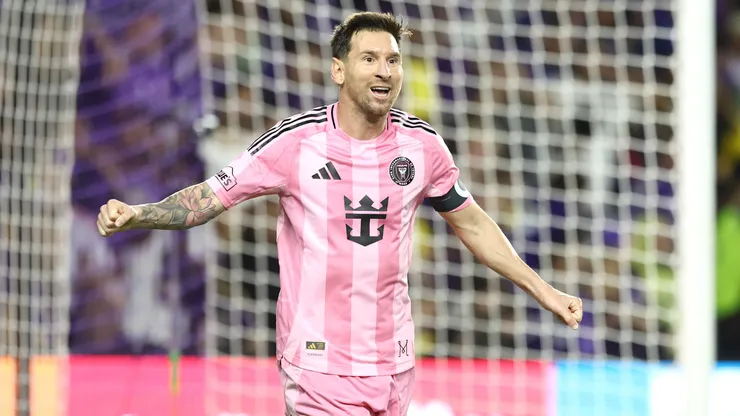
Inter Miami faced DC United for Matchday 3 of the 2026 MLS season at M&T Bank Stadium in Baltimore, and it didn’t take long for Lionel Messi to leave his mark. The Argentine superstar netted his team’s second goal of the match, moving him just one strike away from the historic 900-goal career milestone.
Inter Miami opened the scoring in the 17th minute through a brilliant effort by Rodrigo De Paul. With the early lead established, Javier Mascherano’s side played with increased confidence, maintaining offensive pressure to widen the gap.
In the 27th minute, following a precise assist from fellow countryman Mateo Silvetti, Messi collected the ball inside the box and executed a clinical chip over the goalkeeper. The goal extended Inter Miami‘s lead and marked the 899th goal of his professional career.
With this partial lead, Inter Miami are on track to secure three valuable road points, capitalizing on the momentum from their 4–2 victory over Orlando City to stay in the win column. The Herons still face two more away fixtures before their highly anticipated debut at Miami Freedom Park on April 4 against Austin FC.
Messi is just one step away from history
Lionel Messi is now on the doorstep of soccer immortality. With 899 career goals following his first-half strike against DC United, the Argentine legend is just one goal away from becoming only the second player in history to reach the prestigious 900-goal milestone.

He trails only his long-time rival Cristiano Ronaldo, who currently holds the all-time record with 965 career goals. Messi’s journey to the brink of 900 has been defined by unprecedented consistency across both club and international soccer:
- FC Barcelona: 672 goals (all-time club record)
- Argentina: 115 goals (all-time national record)
- Inter Miami: 80 goals
- Paris Saint-Germain: 32 goals
Messi’s current scoring rate with the Herons has been nothing short of remarkable. Since the start of the 2026 MLS season, he has averaged a goal per game having scored three goals in three matches, proving that even at 38, his clinical finishing remains world-class.