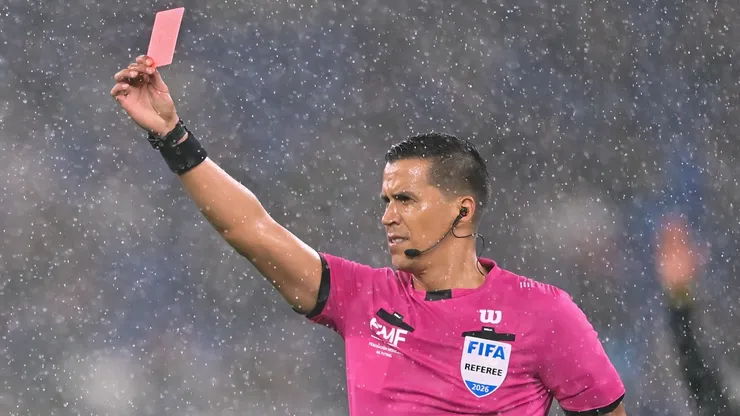
Seeing a red card in soccer is a nightmare scenario that neither players nor coaching staffs want to face during a match. At the 2026 World Cup, the stakes are even higher; with a guaranteed minimum of just three group-stage matches, a single ejection can completely derail a campaign and leave a team desperately missing a vital piece of its strategy.
The consequences are equally severe if a manager is sent off. When a head coach receives a red card during a World Cup match, it triggers an immediate and strict protocol:
- Complete ejection: The coach is barred from any further involvement in the match and cannot remain on the bench or stand anywhere near the touchline.
- Relocation: They must retreat directly to the stadium dressing rooms or sit in the grandstands out of sight of the pitch.
- Communication ban: Ejected coaches are strictly prohibited from communicating with their assistants, players, or team officials during the remainder of the match, whether vocally, digitally, or via radio transmitters.
The punishment doesn’t end when the final whistle blows. Depending on the severity of the infraction, managers face steep ramifications that extend well beyond the pitch on matchday. Furthermore, with updated regulations in place for the 2026 World Cup compared to Qatar 2022, FIFA has clamped down even harder on technical area misconduct.
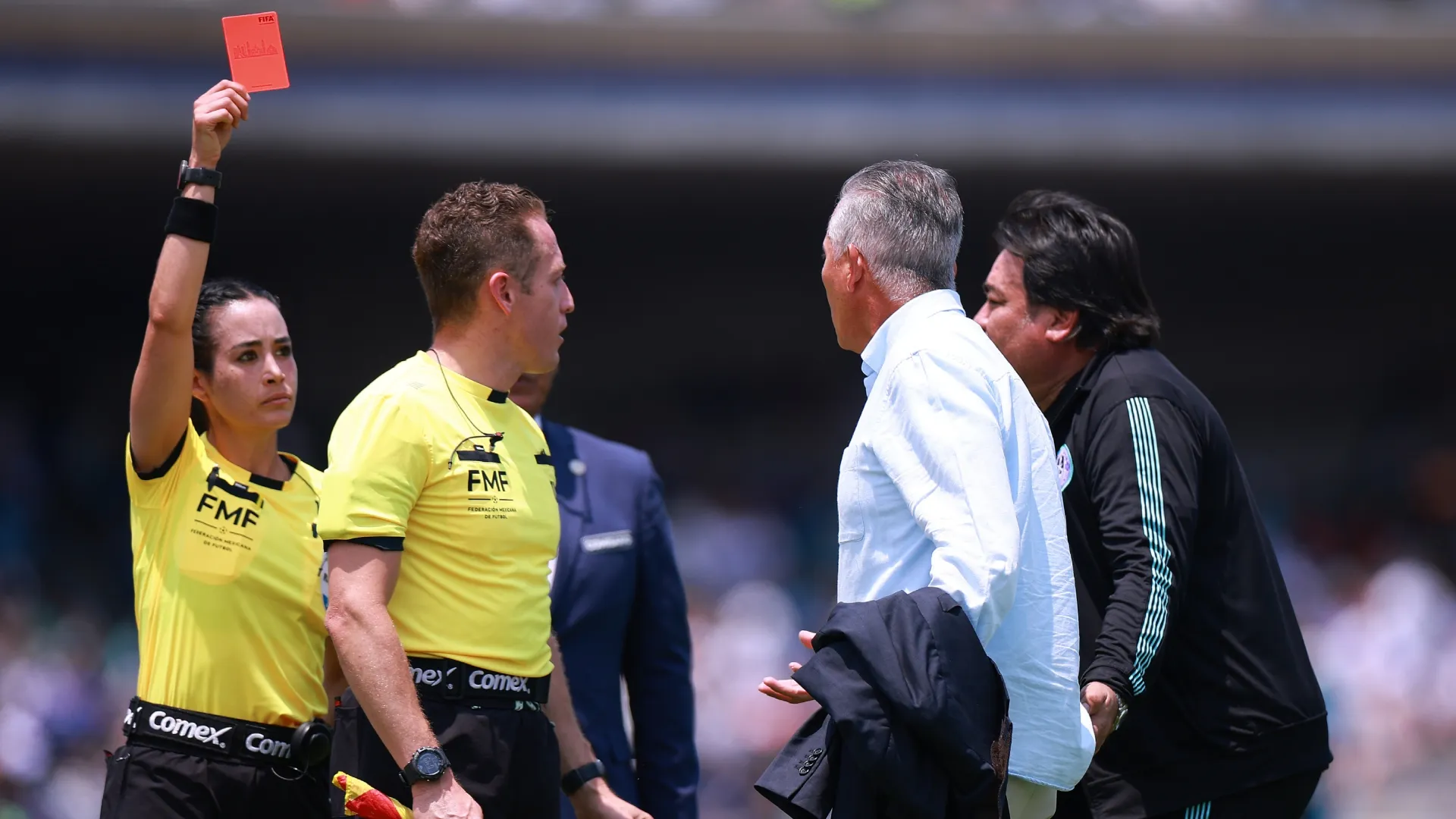
Referee Katia Itzel Garcia, shows a red card to Sergio Bueno, head coach.
Subsequent consequences for a coach being sent off
Beyond the immediate matchday ejection, a suspended manager faces logistical hurdles that leave their squad leaderless at the worst possible moment. A red card can be shown at any point in the tournament, but the real headache begins when preparing for the following fixture.
An ejected coach serves an automatic minimum one-match suspension and is prohibited from the following activities during the next game:
- They cannot enter the team locker room, the tunnel, or the technical area before or during the match.
- They are not allowed to lead the team during pre-match warm-ups on the pitch.
- They must watch the game entirely from the public or media seating sections.
Further consequences depending on the gravity of the actions
As with any major disciplinary infraction, the severity of the punishment directly correlates to the gravity of the offense. FIFA’s Disciplinary Committee reviews every straight red card, meaning a hot-headed moment can quickly turn into a tournament-ending ban. Here is how additional sanctions break down:
- Violent or offensive conduct: If the ejection involved aggressive behavior, severe dissent, abusive language, or extreme unsporting actions, the committee has the discretion to extend the ban to multiple matches and levy hefty financial fines against both the coach and their national federation.
- New 2026 directives: Under expanded IFAB guidelines active for this tournament, team officials can be heavily sanctioned or shown direct red cards for inciting players to walk off the pitch in protest, or for engaging in aggressive, mouth-covering confrontations designed to conceal verbal abuse from match officials.
- Carried-over punishments: If a country is eliminated from the tournament while their coach still has remaining games left on a suspension, the unserved matches carry over into the nation’s next official, competitive international fixtures, such as continental qualifiers.