Over the last two decades, FIFA has consistently modernized its rulebook to optimize the flow and safety of the World Cup, and the 2026 edition will be no exception. Among the updated regulations set to be implemented for the upcoming tournament in North America, a highly anticipated update regarding player substitutions will take center stage.
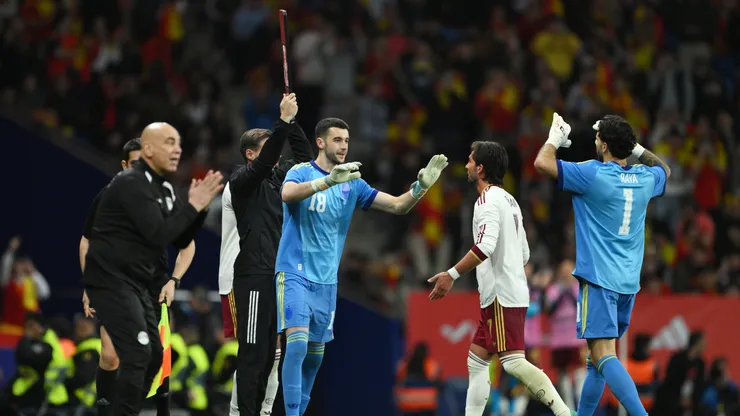
Carrying over the format from Qatar 2022, head coaches will once again be permitted to make up to five substitutions per match during the 2026 World Cup, a rule that applies across all stages of the tournament, from the group phase through the knockout rounds.
To prevent excessive time-wasting and maintain the game’s tempo, FIFA mandates that these five substitutions must be executed within a maximum of three designated tactical windows, though any changes made during the halftime intermission do not count toward those three mid-game windows.
These continuous adjustments are engineered to protect the integrity of the game on soccer’s biggest stage, as FIFA aims to keep the focus entirely on the on-field action rather than officiating controversies—though when it comes to refereeing decisions, there is always plenty to debate.
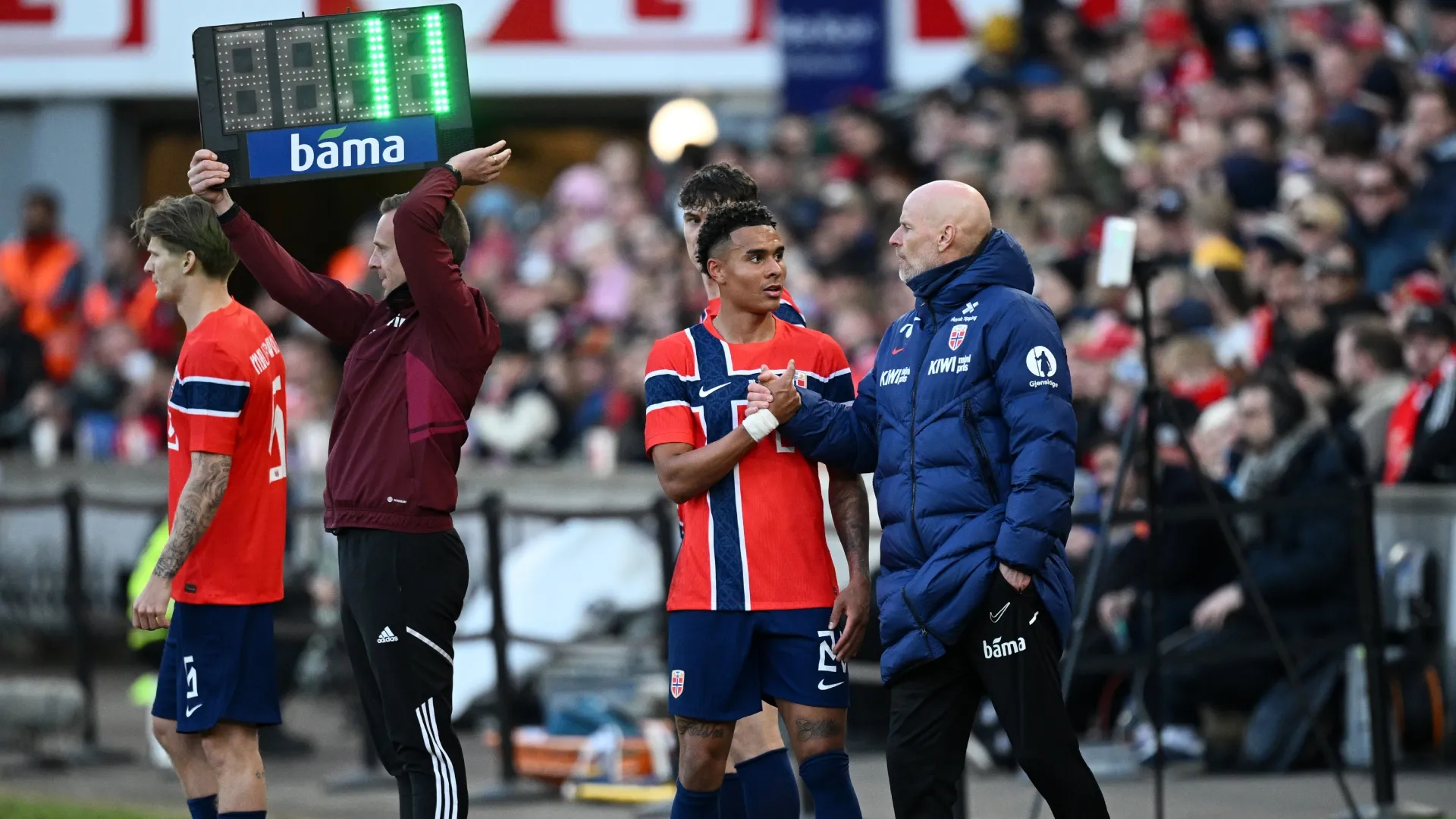
Oscar Bobb of Norway and Stale Solbakken, Head Coach of Norway, talk on the sidelines.
A new substitution rule: Concussion protocol
For avid fans of the NFL, MLB, or NBA, concussion protocols are a standard part of the sports landscape, but the integration of a formalized medical substitution rule will mark a significant milestone for the World Cup in North America.
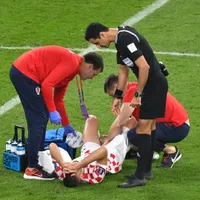
Under the updated FIFA guidelines, teams will be granted an additional emergency substitution specifically designated for head injuries. This means that even if a manager has already exhausted all five standard tactical substitutions, they will still have the roster flexibility to replace a player suffering from a suspected concussion at any point in the match.
Some key highlights of this new rule
To ensure player safety while maintaining competitive balance, FIFA is rolling out this protocol for the 2026 World Cup with the expectation of making it a permanent fixture across all sanctioned tournaments. Here is a breakdown of how the mechanism functions:
- How it works: If a player is suspected of sustaining a concussion during a match, the team can immediately activate an emergency concussion substitution following a medical assessment.
- The rule twist: This permanent medical replacement does not count toward the team’s standard limit of five tactical substitutions. It functions entirely as a “bonus” sixth substitution to ensure teams never feel pressured to keep a concussed player on the pitch due to a lack of remaining bench slots.
- Fairness measure: To maintain competitive balance and prevent potential exploitation of the rule, if Team A is forced to utilize a concussion substitution, Team B is automatically granted an additional tactical substitution option that they can use at their discretion.