Every year, during the month of March, college basketball fans in the United States dive into the madness of “March Madness“. But have you ever wondered where this peculiar name comes from?
Though we now associate it with the frantic tournament, the history behind this phrase has its roots in something much more unexpected, dating back to 1939 when a journalist from Illinois first used the term.
Since then, it has evolved, taking on a new meaning that reflects the unpredictable frenzy that defines this sporting event each year. Over time, it went from being a quaint phrase to becoming a global phenomenon.
Why is it called ‘March Madness’?
Although the expression “March Madness” is a term used to describe the NCAA tournament, which is widely recognized today, its origin dates back to the early 20th century and has evolved over time.
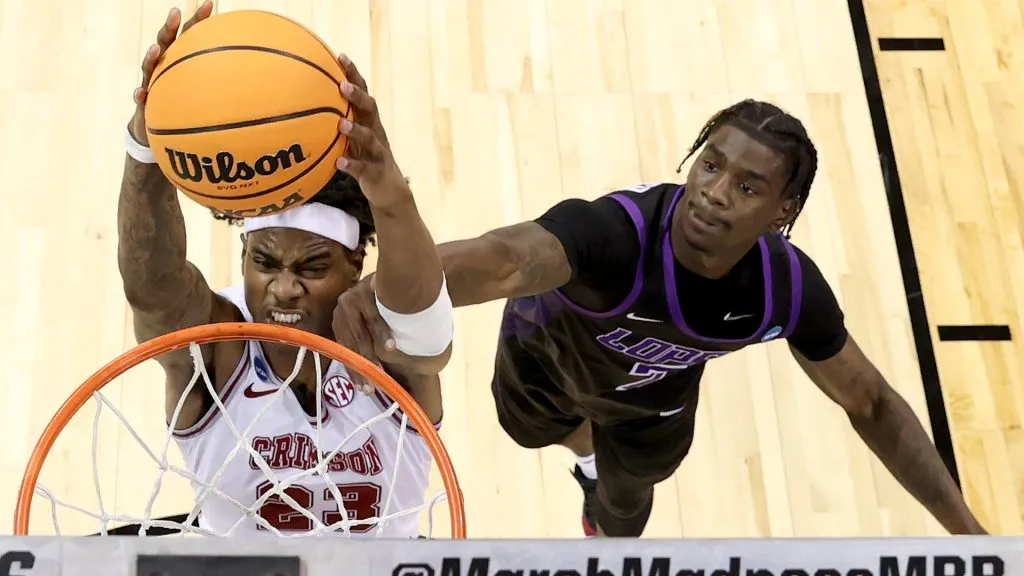
Alabama Crimson Tide forward Nick Pringle #23 dunks against Grand Canyon Antelopes guard Tyon Grant-Foster #7in the second round of the NCAA Men’s Basketball Tournament in 2024. (Source: Steph Chambers/Getty Images)
The first time it was used was in the 1930s by Henry V. Porter, a high school sports official in Illinois. He used it to describe the whirlwind of excitement and unpredictability that characterized the tournaments.
The concept of “madness” referred to the passion with which teams competed and the fervor of the fans. It was in 1982 when the NCAA officially adopted the term “March Madness” to refer to its own competition.
As the event began to gain more popularity, the expression perfectly fit the exciting and chaotic nature of the competition, especially due to the surprises and “upsets” (unexpected victories) that occurred during it.
The general concept of a “mad tournament” was associated with the unpredictability of the games, where any team could eliminate another, regardless of their ranking.
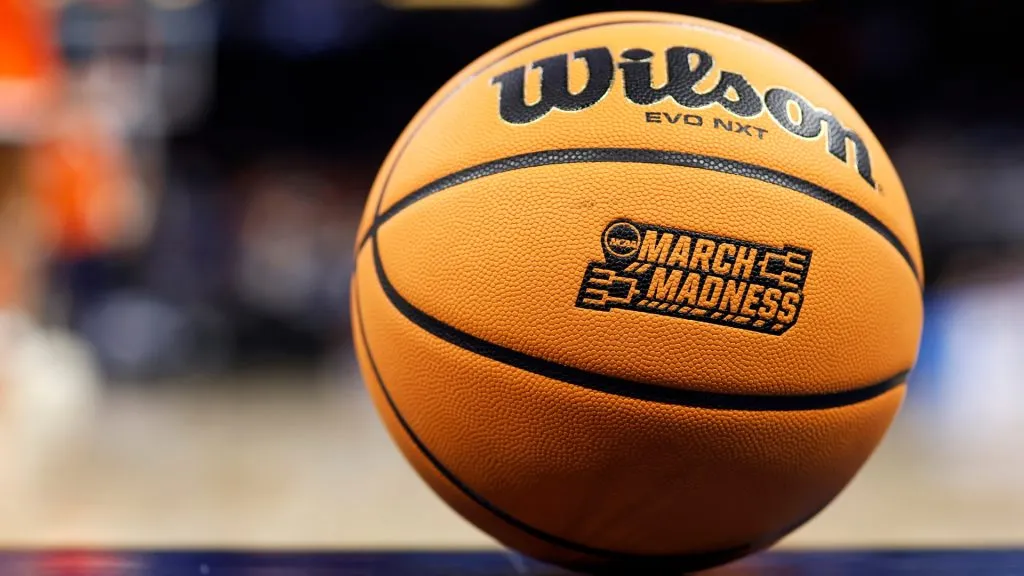
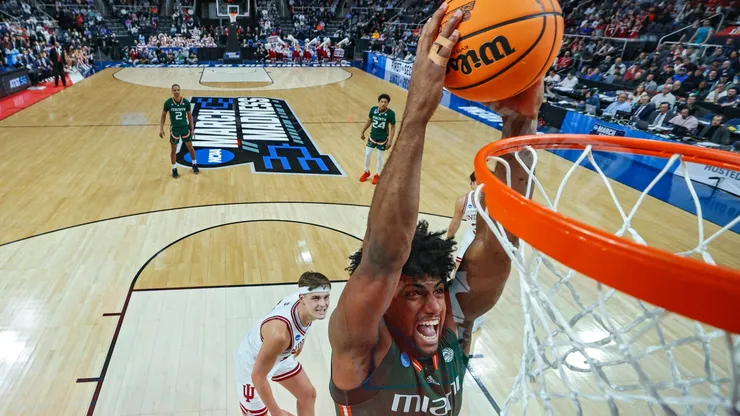
A detailed view of the NCAA March Madness logo on a Wilson Evo NXT Match Ball during the second half in the first round of the NCAA Men’s Basketball Tournament in 2023. (Source: Mike Ehrmann/Getty Images)
Over time, and especially during the 1980s, the term became widely commercialized, particularly when CBS began broadcasting the tournament and promoting it as a national event.
The madness was not only part of the games but also of the massive following of fans, who created their own tradition of filling out “brackets” or predictions to see who would win each game.
Today, it is synonymous with excitement, surprises and high-level competition. The tournament is followed by millions of people across the country, and the phrase perfectly captures the unique atmosphere of this sporting event.