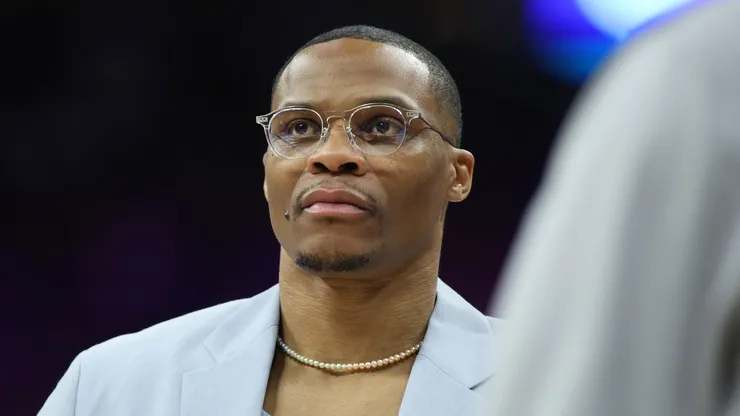
The free agent market for Russell Westbrook has cooled down significantly as the offseason progresses toward training camp. A harsh reality faces the former league MVP, who has struggled to find a long-term home since leaving Oklahoma City and could now open the upcoming season unsigned.
According to Evan Sidery, Westbrook’s market stagnated despite averaging 15.2 points, 6.7 assists, and 5.4 rebounds last NBA season. “Russell Westbrook is not generating much, if any, interest on the free agent market. It appears to be a likely scenario Westbrook opens the 2026-27 season not signed. After being on seven teams in the past nine years, this could soon be end of Westbrook’s Hall of Fame career.”
With teams prioritizing perimeter spacing and low-maintenance defenders, a ball-dominant playmaker poses a stylistic fit challenge. Rebuilding franchises prefer giving development minutes to young guards, while contenders hesitate to hand their second unit to a volatile veteran.
How Westbrook can value-add as a veteran presence
While Westbrook may no longer fit as a full-time starter, he can still transform a contender’s second unit by serving as its primary engine. Letting him run the offense for 14 to 18 minutes a night allows primary stars to rest without watching bench leads evaporate.
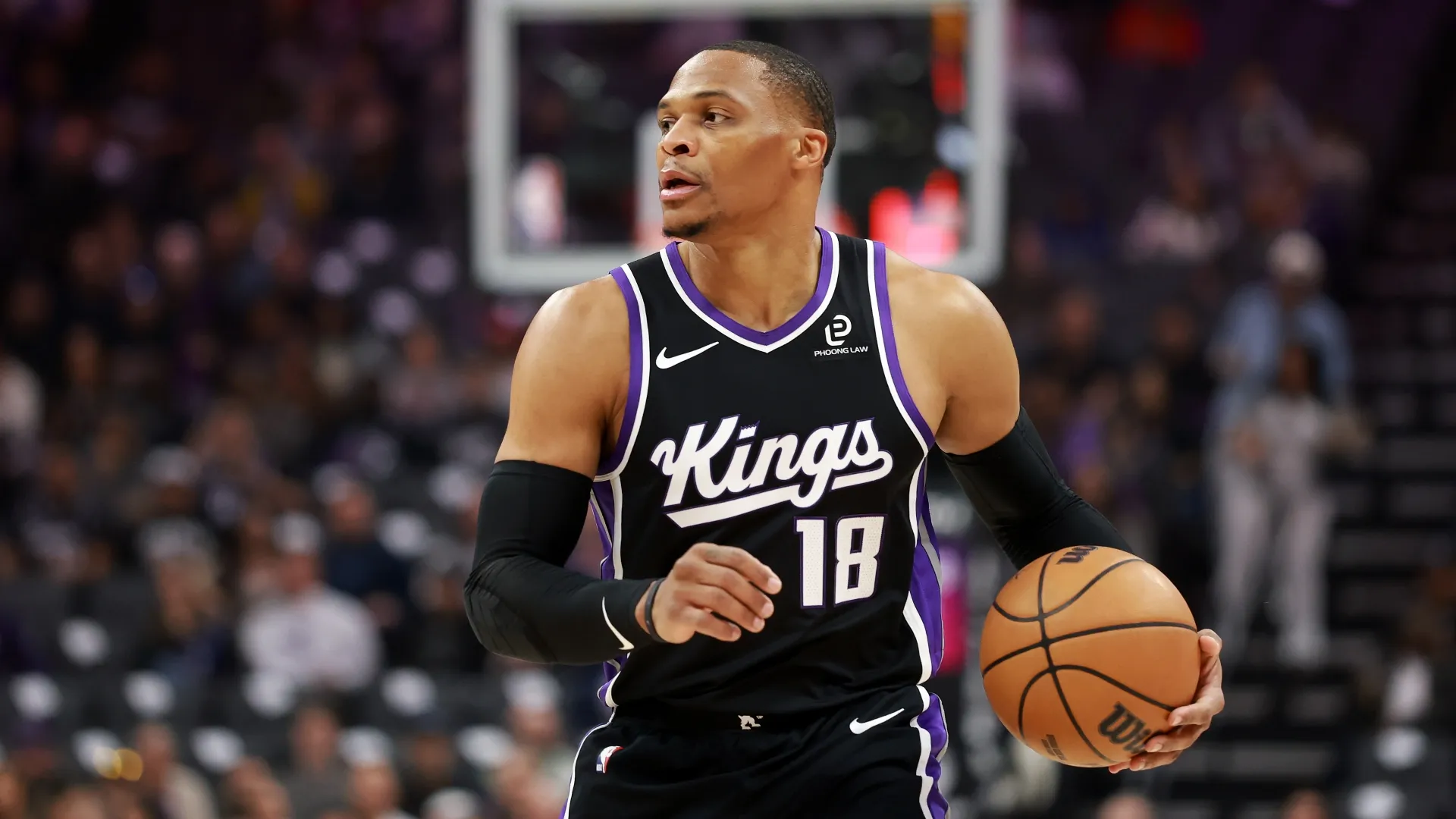
Russell Westbook playing for the Kings (Getty Images)
Beyond his on-court production, Westbrook provides essential floor-general insurance across a grueling 82-game regular season. Having a former MVP on the bench shields a roster from falling apart when starting guards inevitably deal with minor injuries.
Bargain price tag and realistic team destinations
Financially speaking, Westbrook is one of the cheapest veteran options available since he projects to cost only a $3.6 million veteran minimum salary. Under current CBA rules, the NBA reimburses teams for a portion of 10+ year veteran minimum deals, keeping his actual salary cap hit remarkably lightweight.
A team like the Miami Heat could view him as an energetic spark off the bench. Meanwhile, salary-capped contenders like the Philadelphia 76ers or a re-engagement with the Sacramento Kings remain sensible fits if backcourt injuries strike late in the summer.