Across decades of shifting eras, Detroit’s football heritage has been shaped by figures whose resolve matched the city’s pulse. Some carved their place through relentless effort, others through bursts of brilliance.
Their impact reached beyond numbers or headlines, settling instead into moments that redefined what the team could be. From bruising battles in the trenches to plays that tilted entire seasons, each left a distinct signature.
As the Lions moved from hard-edged tradition to a more dynamic age, these icons helped bridge the transformation. Their stories intertwine—grit beside flair, past beside present—tracing the arc of a team still writing its place in NFL history.
Lem Barney
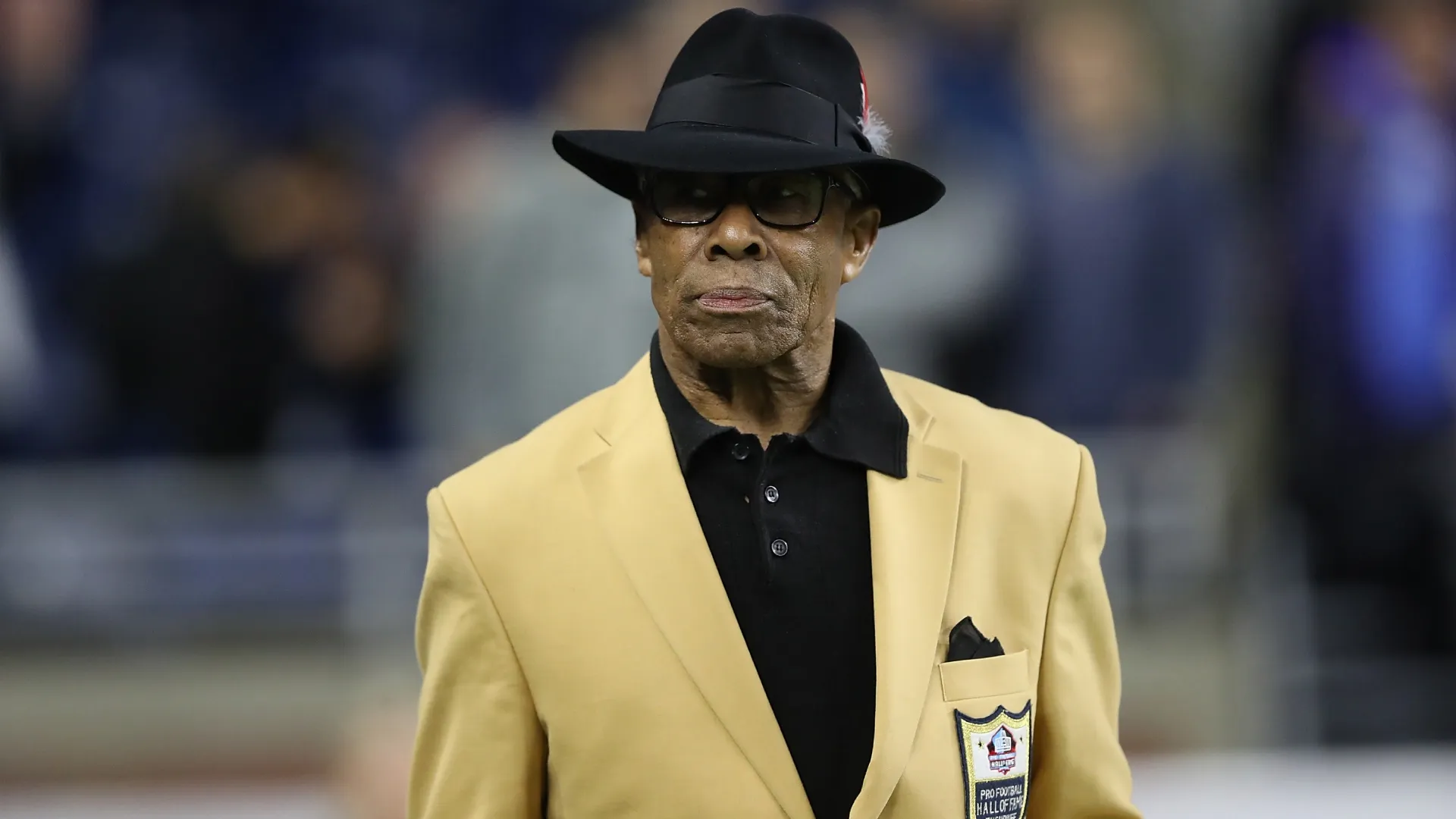
Lem Barney (Source: Leon Halip/Getty Images)
The 1960s and 70s were an era defined by hard-nosed football, yet out of that grit emerged a Detroit Lion whose game was pure, electrifying artistry: Lem Barney. Drafted in 1967, he didn’t just play the cornerback position; he redefined it, arriving in the NFL as an immediate, game-breaking phenomenon.
He captured the Defensive Rookie of the Year award by showcasing a rare blend of exceptional coverage skills and the hands of a premier receiver. Across his 11 seasons in Detroit, he amassed an astounding 56 interceptions, leading the Lions in all-time interception return yardage.
But his impact wasn’t confined to defense. He was a true triple threat, transforming into a lethal return specialist who returned three punts and one kickoff for touchdowns during his tenure.
He was a seven-time Pro Bowler, a three-time All-Pro, and a Hall of Fame inductee whose swagger and playmaking ability injected a vivid flash of modern fire into the Lions’ defense long before its time.
Barry Sanders
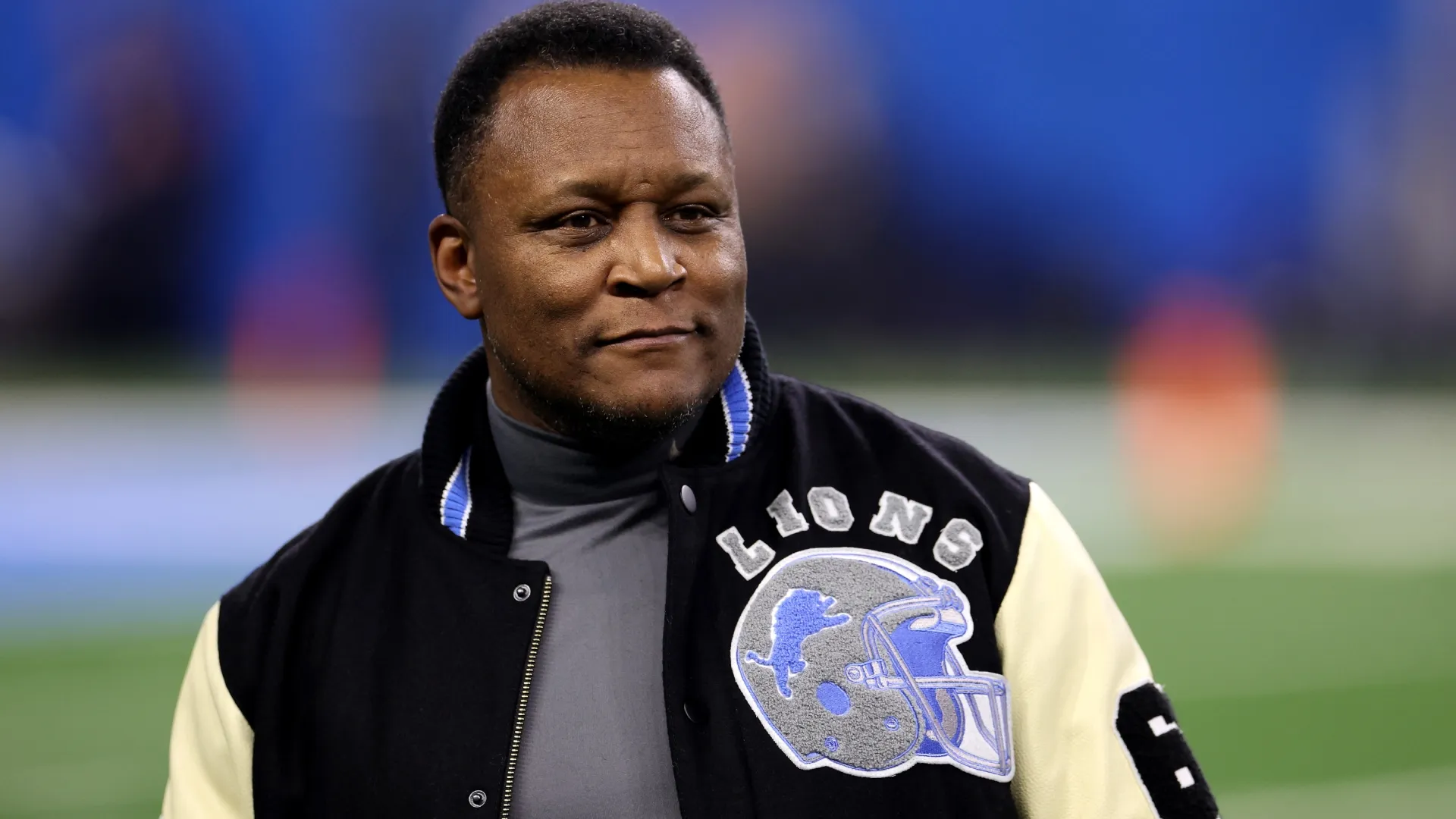
Barry Sanders (Source: Gregory Shamus/Getty Images)
In the chronicle of the Detroit Lions, no chapter glows brighter with individual brilliance than the one dedicated to Barry Sanders. From 1989 to 1998, he delivered a breathtaking spectacle every Sunday, transforming the mundane act of rushing into balletic genius.
He was not just a great running back; he was an illusionist, spinning, juking, and escaping defenders with a preternatural grace that remains unmatched. He stands alone as the only NFL running back to rush for over 1,000 yards in each of his 10 seasons, culminating in his historic 2,053-yard MVP campaign in 1997.
The stats—15,269 career rushing yards, 10 Pro Bowls, six All-Pro selections—are staggering, but they only hint at the essence of his game: an incredible humility off the field paired with untouchable, yet selfless, greatness on it.
He was the sun around which the Lions’ offense orbited, an icon of modern brilliance who left the game at his peak, ensuring his legacy as a pure football marvel would endure forever.
Jason Hanson
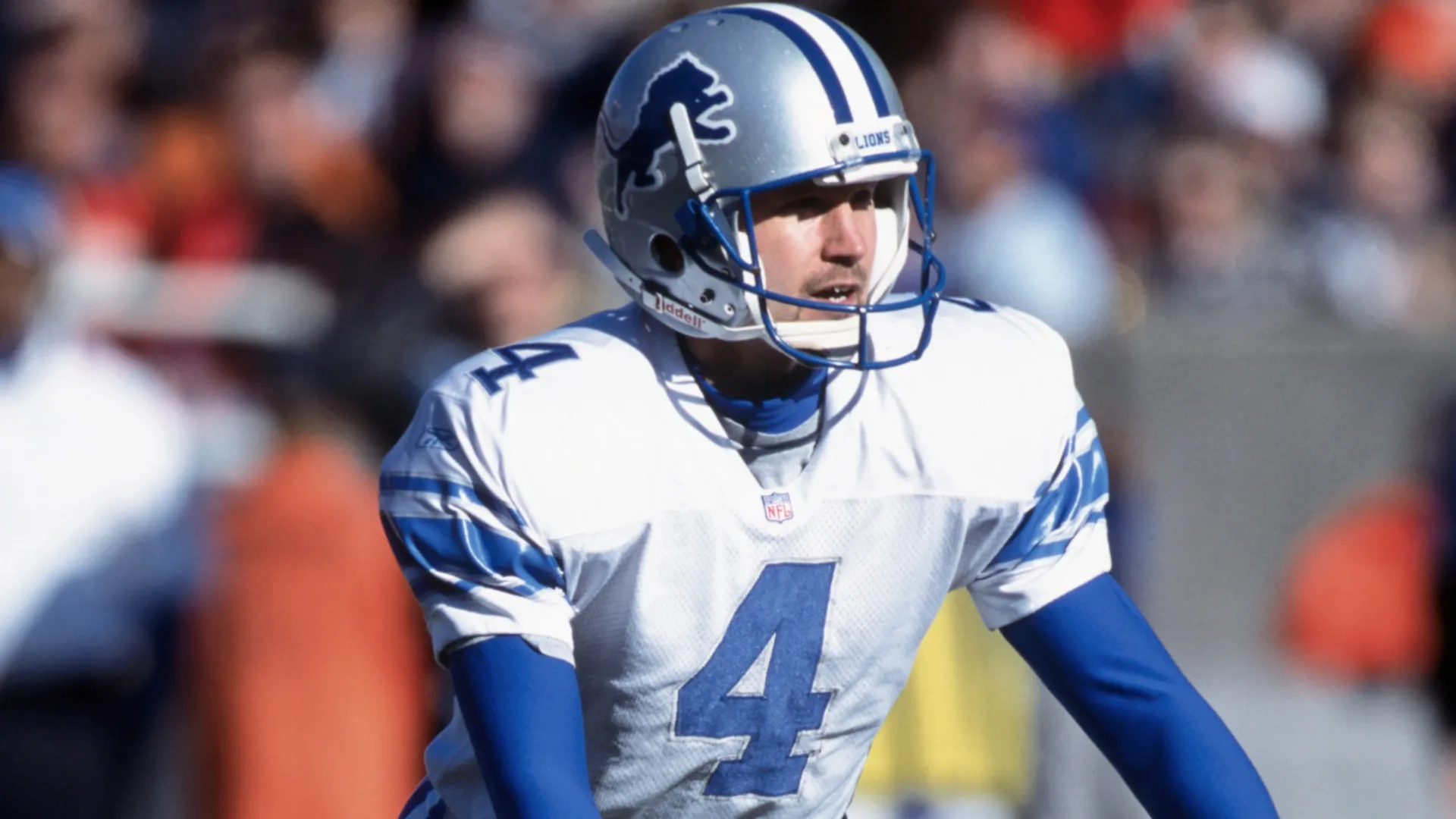
Jason Hanson (Source: Jonathan Daniel/Getty Images)
When telling the story of the Lions, you must acknowledge the bedrock of consistency that was Jason Hanson. Spanning 21 seasons, his career in Detroit is a monument to dedication—the NFL record-holder for most seasons played with a single franchise.
In a sport defined by volatile change, he was the unflappable constant, delivering points with machine-like precision. Drafted as a second-round pick, the former Washington State scholar-athlete went on to become the Lions’ all-time scoring leader with 2,150 points.
Far from being just a record-setter, he was the definition of clutch, booting 17 game-winning field goals, including nine in overtime. His remarkable leg strength allowed him to set NFL records for career field goals of 40 yards or more and 50 yards or more, a testament to a quiet grit that often goes unheralded but was absolutely vital to the Lions’ story for over two decades.
Joe Schmidt
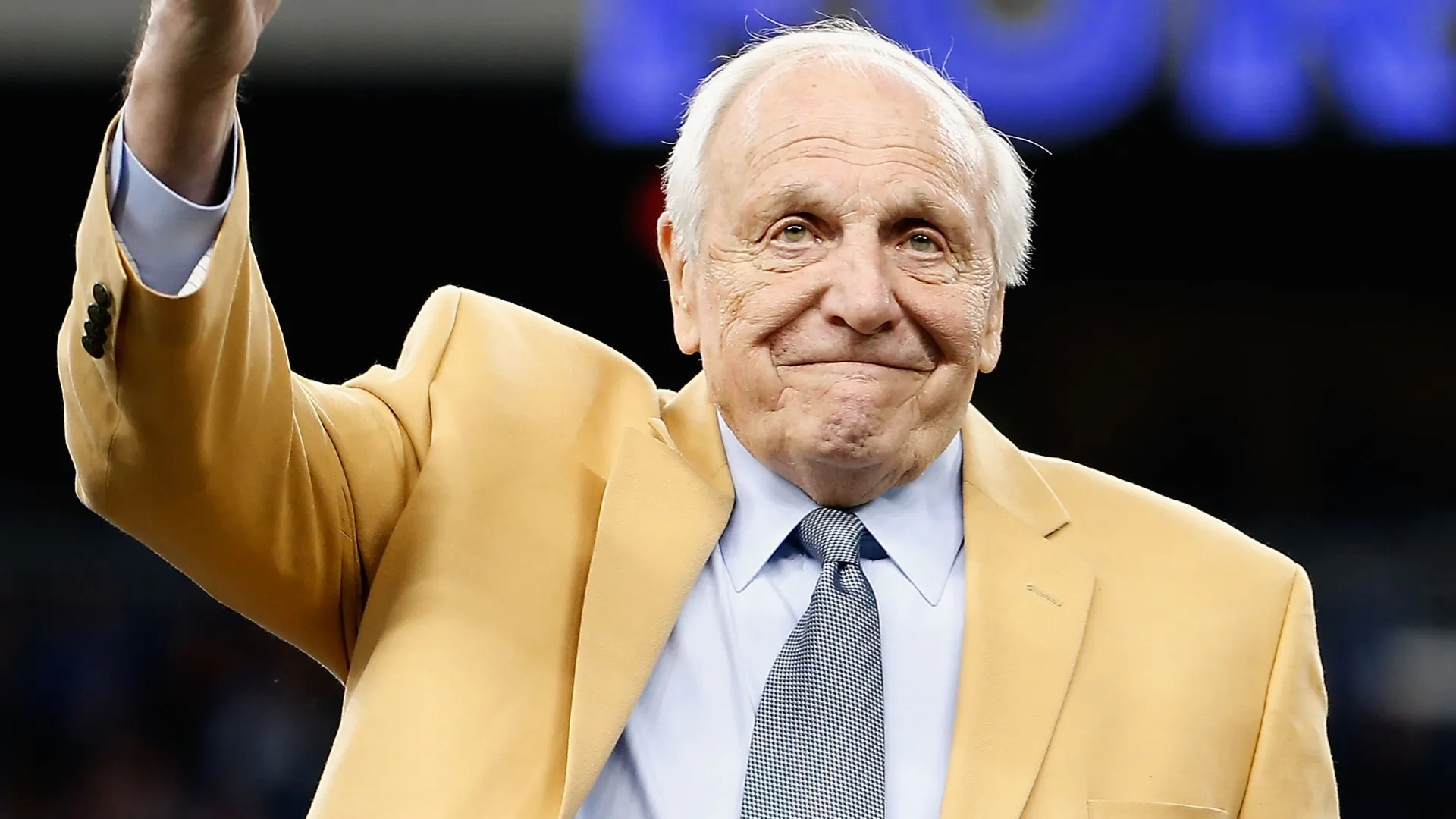
Joe Schmidt (Source: Christian Petersen/Getty Images)
To discuss the heart and soul of the Lions’ gritty, championship-winning era of the 1950s is to speak of Joe Schmidt. The linebacker, who played from 1953 to 1965, was the undisputed field general and emotional compass for a team that captured two NFL Championships.
His resume reads like a masterclass in defensive dominance: ten consecutive Pro Bowl appearances and eight First-team All-Pro selections. He wasn’t just talented; he was a leader’s leader, serving as the team captain for nine consecutive seasons and earning the team’s MVP award four times.
After his playing days, he seamlessly transitioned into coaching, further cementing his commitment to the franchise. He epitomizes the old-school fire of the Lions, a figure whose passion, intellect, and sheer will defined the franchise’s greatest period of success.
Bobby Layne
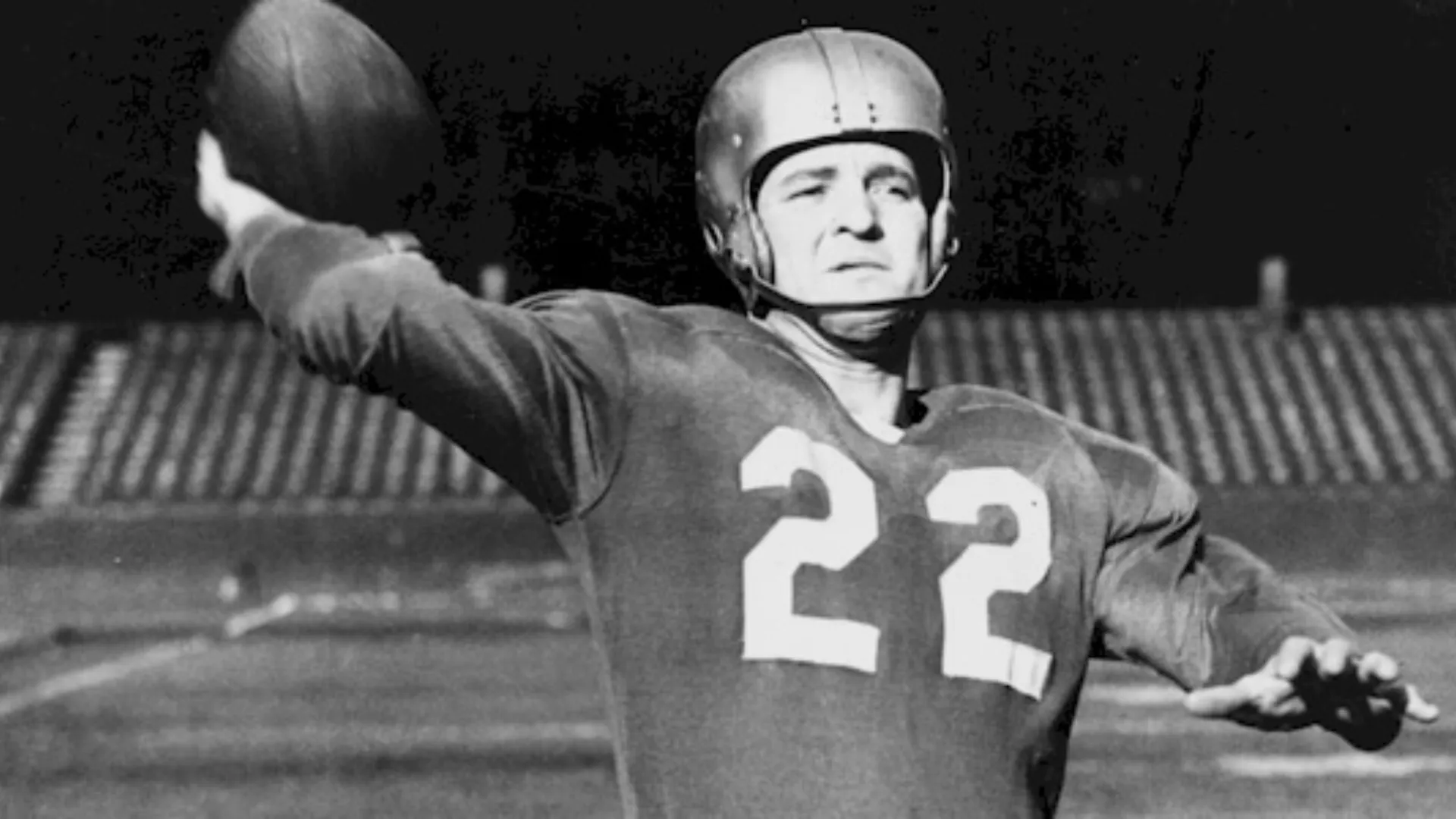
Bobby Layne (Source: Vintage Detroit Collection)
Long before the modern quarterback commanded the spotlight, Bobby Layne established the archetype of the tough, charismatic, and clutch field general. From his arrival in 1950, he became the engine for the Lions’ greatest dynasty, leading the team to three NFL Championships in the 1950s.
He was famously known for his declaration: “We will not lose”, a competitive fire that often overshadowed his significant statistical accomplishments, which included leading the NFL in passing yards twice.
A six-time Pro Bowler and two-time All-Pro, his legacy is cemented by his legendary toughness—often playing hurt and inspiring his teammates with his singular, win-at-all-costs charisma.
The tale of his dramatic trade in 1958, reportedly accompanied by a curse that the Lions wouldn’t win for 50 years, is the final, compelling piece of a larger-than-life icon whose sheer force of will forever defines Detroit’s championship past.
Charlie Sanders
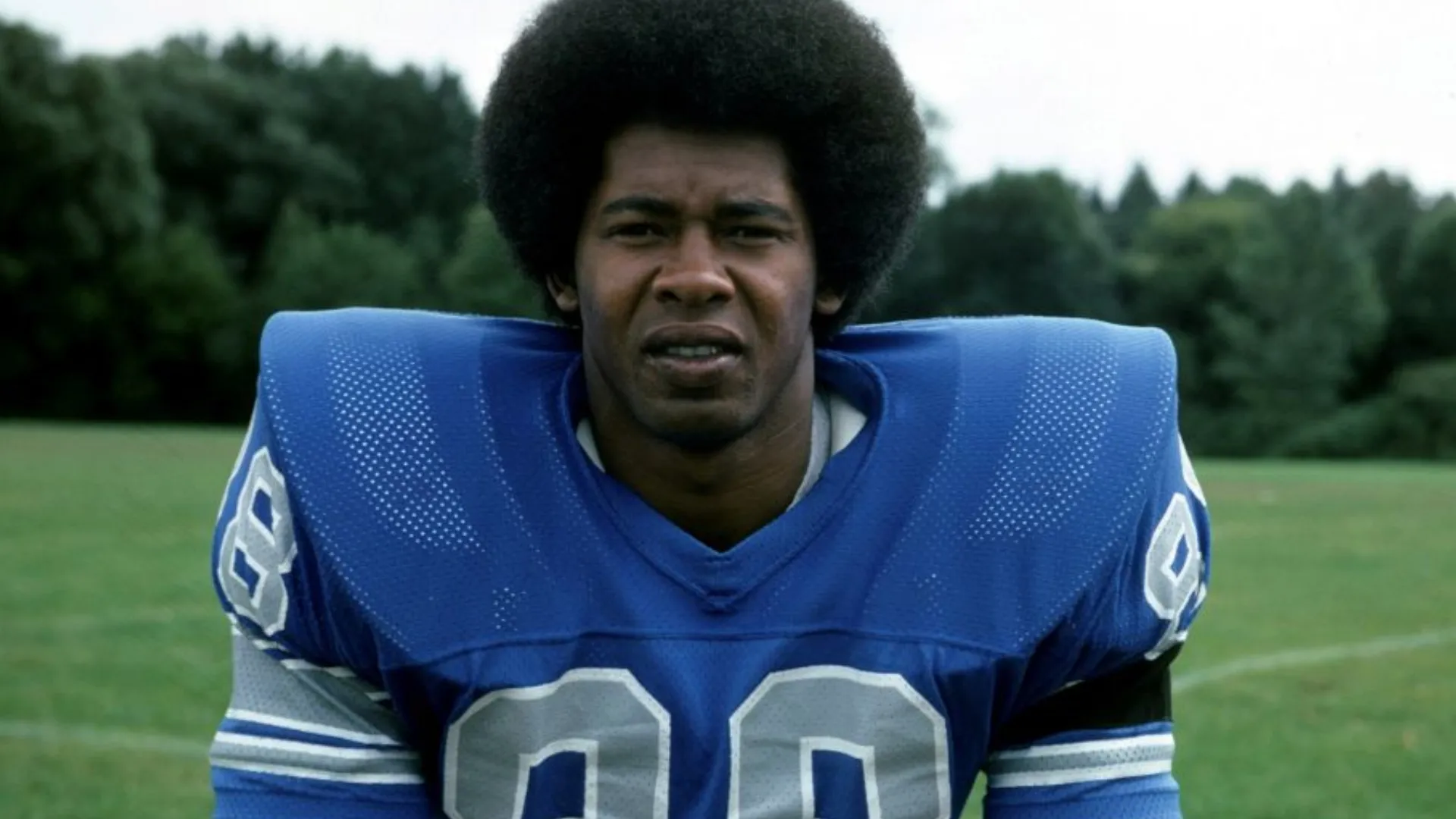
Charlie Sanders (Source: NFL)
A pioneer of the position, Charlie Sanders represented a transition in how the tight end was viewed in the NFL. Drafted in 1968, he was initially lauded for his superior blocking, embodying the old-school emphasis on the trenches.
However, he quickly revealed himself to be a devastating force in the passing game, possessing a rare combination of great leaping ability, strong hands, and deceptive speed.
Over his 10-year career, the seven-time Pro Bowler recorded 336 career receptions for 4,817 yards and 31 touchdowns, setting a franchise record for receptions that stood for two decades.
He was one of only seven tight ends enshrined in the Hall of Fame at the time of his induction, a testament to his groundbreaking play. He was selected to the NFL’s All-Decade Team of the 1970s, establishing the benchmark for the modern, dual-threat tight end and securing his place as arguably the finest tight end in Lions history.
Alex Karras
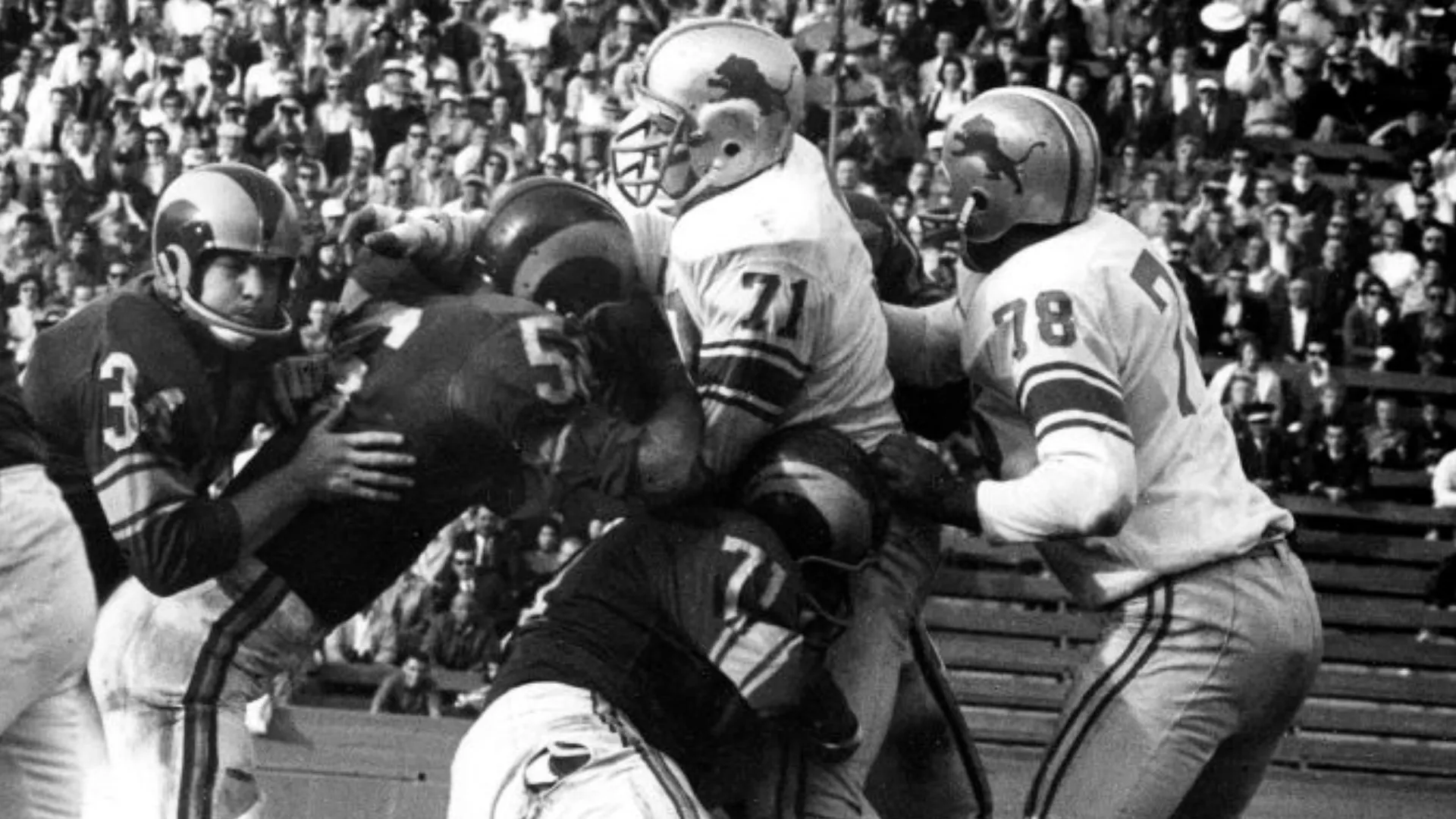
Alex Karras (Source: NFL)
The name Alex Karras evokes an image of unyielding power and larger-than-life character. Playing defensive tackle for the Lions from 1958 to 1970, he was the immovable object at the center of a formidable Detroit defense.
Known for his devastating pass rush and run-stuffing ability, he anchored a line during an era of tremendous defensive intensity. He was a four-time Pro Bowler and a three-time First-team All-Pro, cementing his status as one of the most dominant interior linemen of his time.
However, his story extends far beyond the stat sheet; his outspoken personality and subsequent career as an actor gave him a visibility rare for a defensive lineman, adding a layer of cultural iconography to his intense, physical on-field grit.
Though he missed a year due to a gambling suspension, he returned with the same ferocity, proving he was an icon whose impact on Detroit—and popular culture—was seismic.
Herman Moore
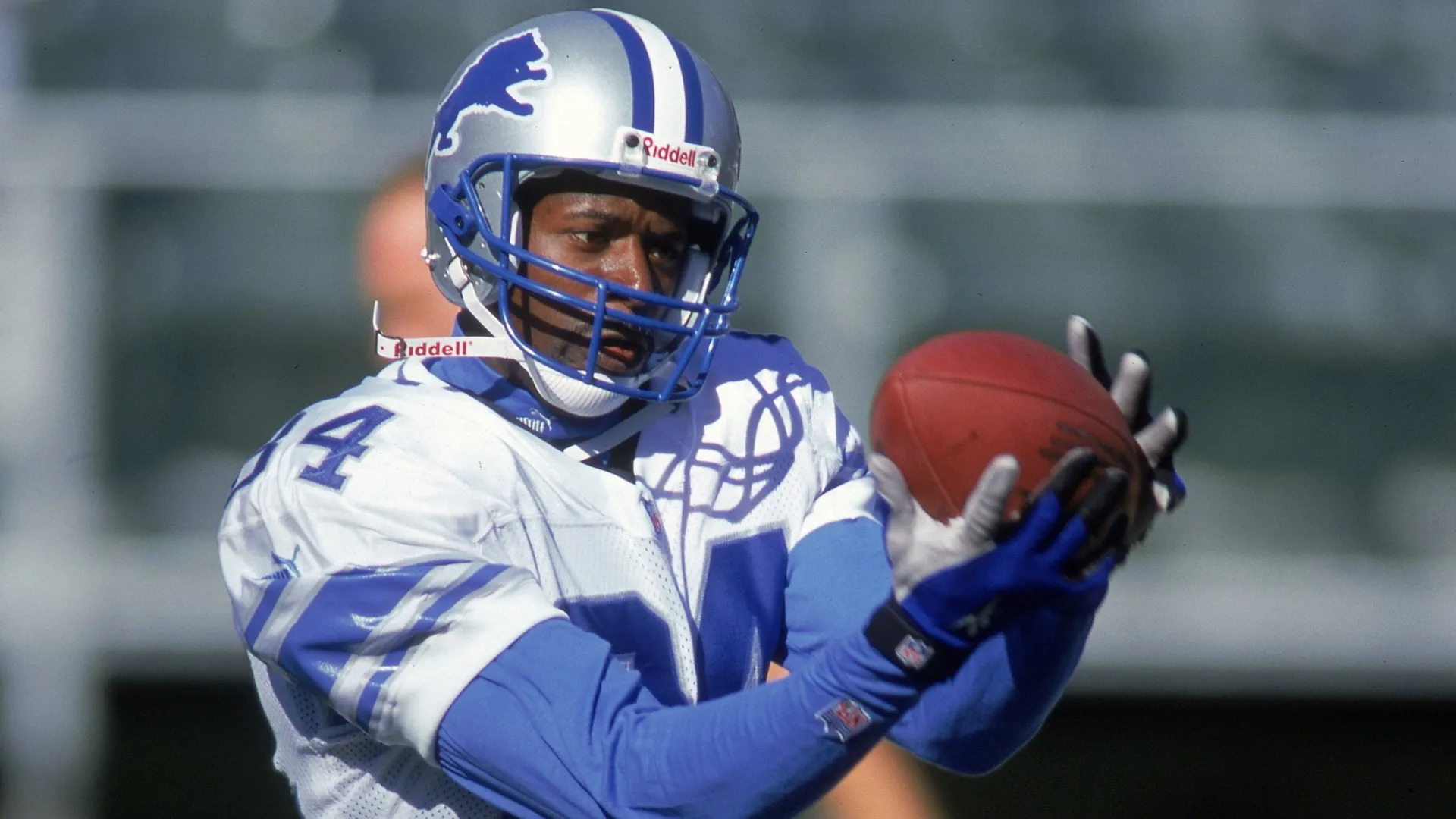
Herman Moore (Source: Jed Jacobsohn /Allsport)
The 1990s Lions offense was defined by the speed, elusiveness, and aerial dominance of its stars, and at the core of that receiving corps stood Herman Moore. From 1991 to 2001, he paired perfectly with Barry Sanders, serving as the essential vertical threat that kept defenses honest.
His breakthrough 1995 season, where he hauled in an astounding 123 receptions—a single-season NFL record at the time—is the stuff of Lions legend. A four-time Pro Bowler and three-time First-team All-Pro, he was a master of contested catches and finding space.
He finished his career as the franchise’s all-time leader in receptions, receiving yards, and receiving touchdowns. He represented the sleek, modern fire of the offense, a player whose hands and dedication consistently delivered crucial yardage and touchdowns, cementing his place as one of the NFL’s premier wide receivers of the decade.
Chris Spielman
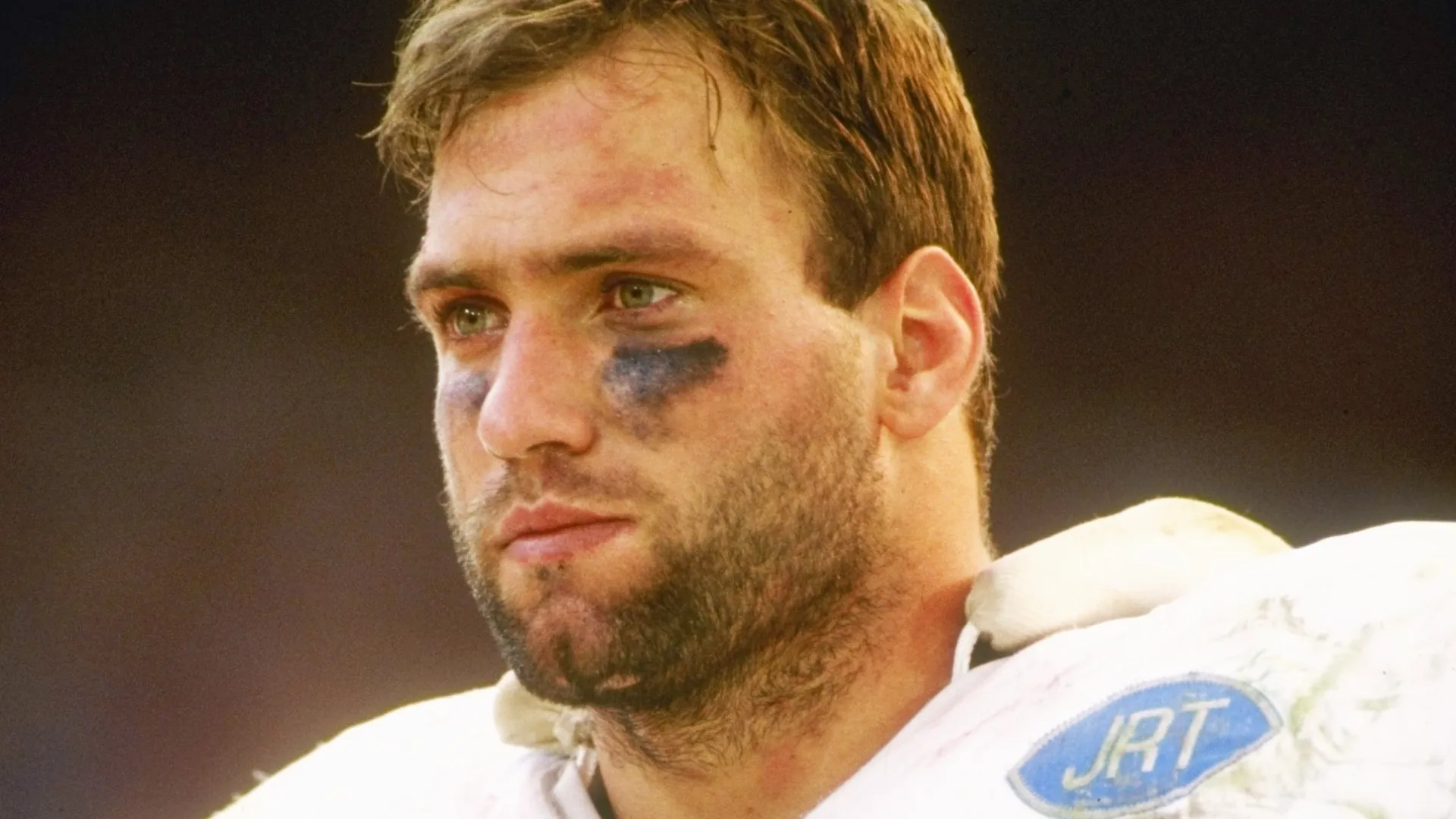
Chris Spielman (Source: Otto Greule Jr. /Allsport)
Chris Spielman embodied relentless passion and a work ethic that became the rallying cry for the Lions’ defense in the late 80s and 90s. The linebacker, drafted in 1988, quickly established himself as a fierce tackler and a vocal leader.
He holds the Lions’ franchise record for career tackles and led the team in tackles seven times. A four-time Pro Bowl selection, his aggressive, downhill style of play personified the grit required to compete in the NFC Central.
More than his statistics, his story is defined by his profound devotion to the game and to his family—his public strength while his late wife, Stefanie, battled cancer brought a deeply human and inspirational element to his already impressive legacy, making him an icon whose heart was as big as his impact on the field.
Dick LeBeau
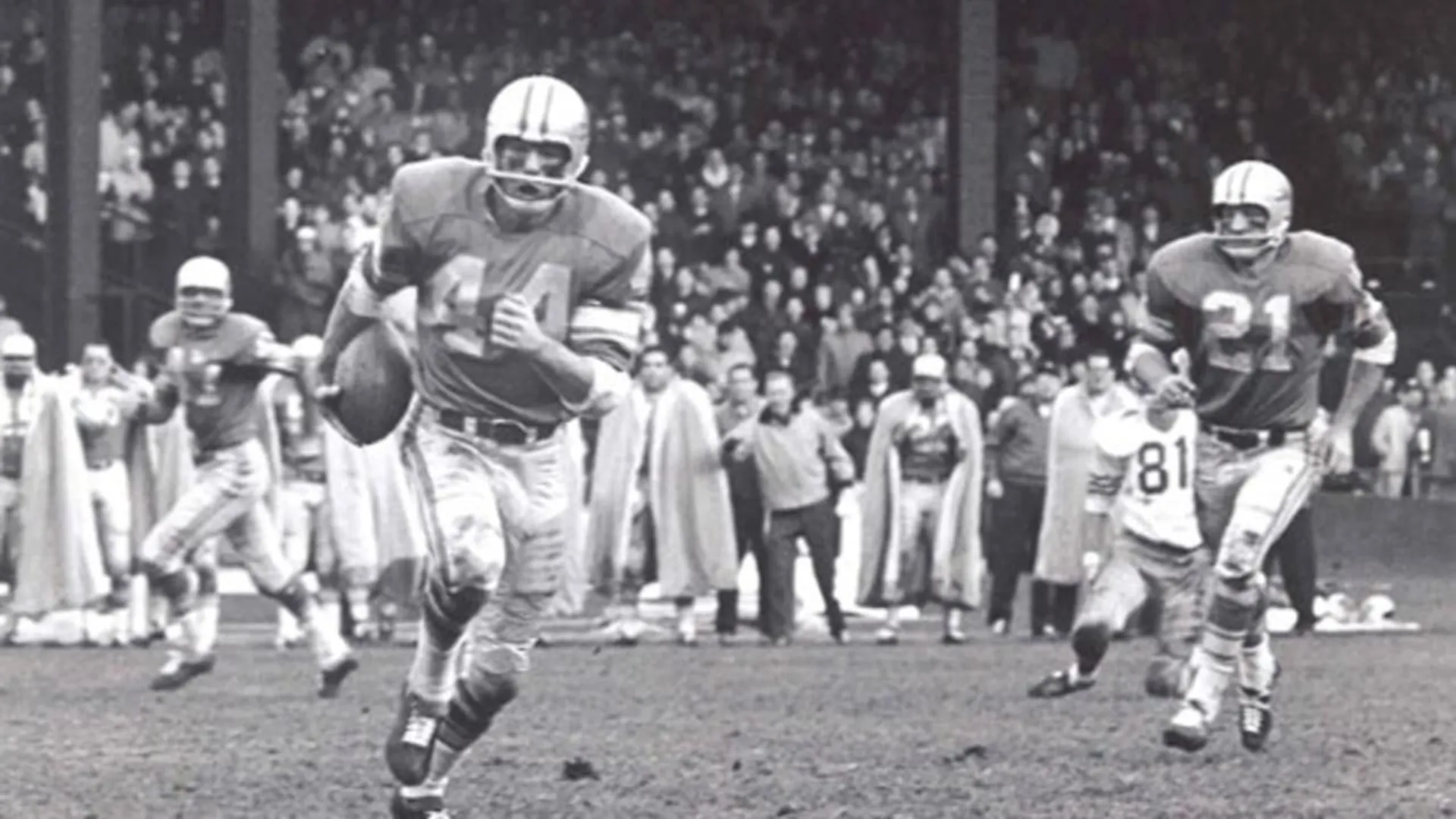
Dick LeBeau (Source: Detroit Lions)
Before becoming one of the most revered defensive coordinators in NFL history, Dick LeBeau made his mark as a phenomenal defensive back for the Detroit Lions. From 1959 to 1972, he was a pillar of the secondary, known for his intelligence, durability, and ball-hawking skills.
He played 171 consecutive games for the Lions, an extraordinary mark of resilience. He was a three-time Pro Bowl selection and recorded an impressive 62 career interceptions, which remains the Lions’ all-time franchise record. This interception total also ranks among the highest in NFL history for a cornerback.
His success as a player was built on anticipation and discipline, traits he would later leverage to devise some of the most complex and dominant defenses in modern football, making his tenure in Detroit the essential first act of a Hall of Fame career.
Doak Walker
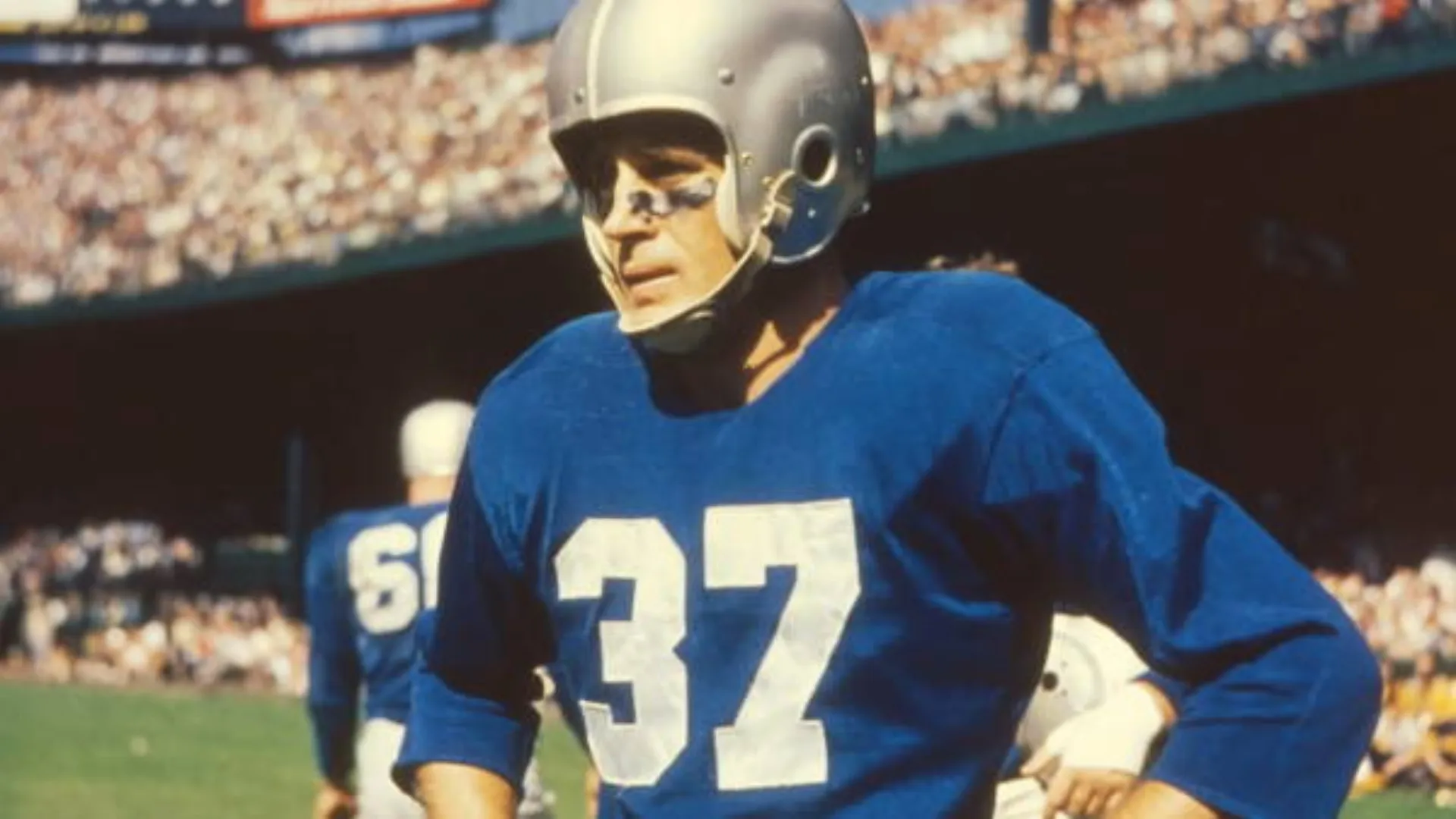
Doak Walker (Source: NFL Past Players)
Doak Walker was a revolutionary figure in the early 1950s, a true football renaissance man who played a pivotal role in delivering the Lions’ first two NFL Championships. The Heisman Trophy winner was a rare talent who excelled as a halfback, placekicker, and safety for Detroit from 1950 to 1955.
His versatility was his trademark; he led the NFL in scoring in 1950 and 1954 and was a four-time First-team All-Pro. Known for his elegant running style and reliable kicking, he was a cornerstone of the Bobby Layne-led dynasty.
Despite a relatively short, six-season NFL career, his impact was so profound that he was the first player in franchise history to have his number retired, and he remains an enduring symbol of the golden age of Lions football.
Cory Schlesinger
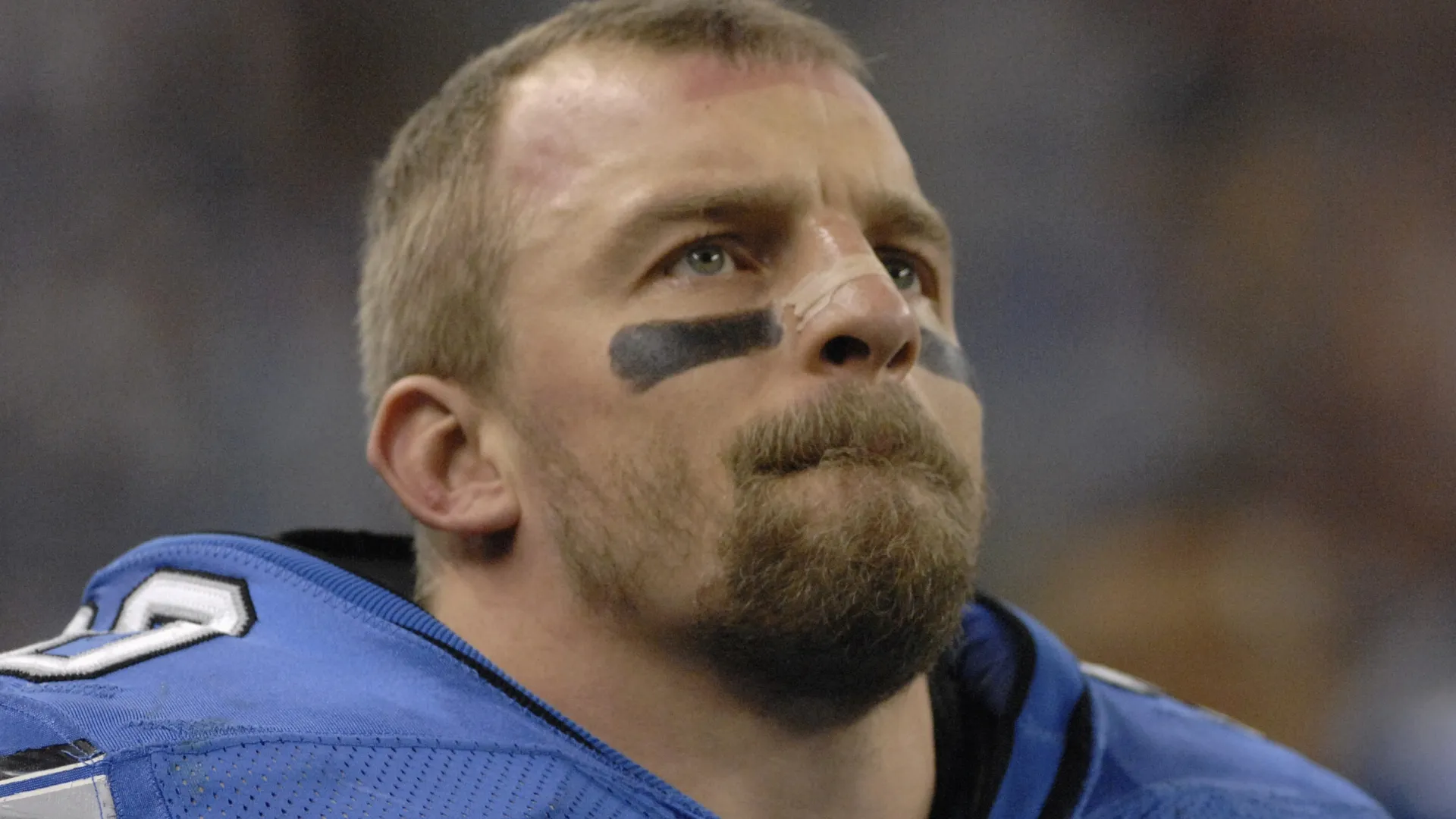
Cory Schlesinger (Source: Al Messerschmidt/Getty Images)
In the lexicon of Lions grit, Cory Schlesinger‘s name is synonymous with toughness and dedication. The fullback played for the team from 1995 to 2006, embodying the unheralded, lunchpail mentality of the old-school runner.
While his individual statistics might not leap off the page, his value was immeasurable: he was a devastating lead blocker, paving the way for the historic rushing success of Barry Sanders and later on, other Lions running backs.
He was the epitome of a team player, known for his punishing hits, reliable short-yardage running, and crucial contributions on special teams. A two-time Pro Bowl selection, his consistent, blue-collar play over a decade made him one of the most respected players in the locker room and a fan favorite who defined commitment in the modern era.
Greg Landry
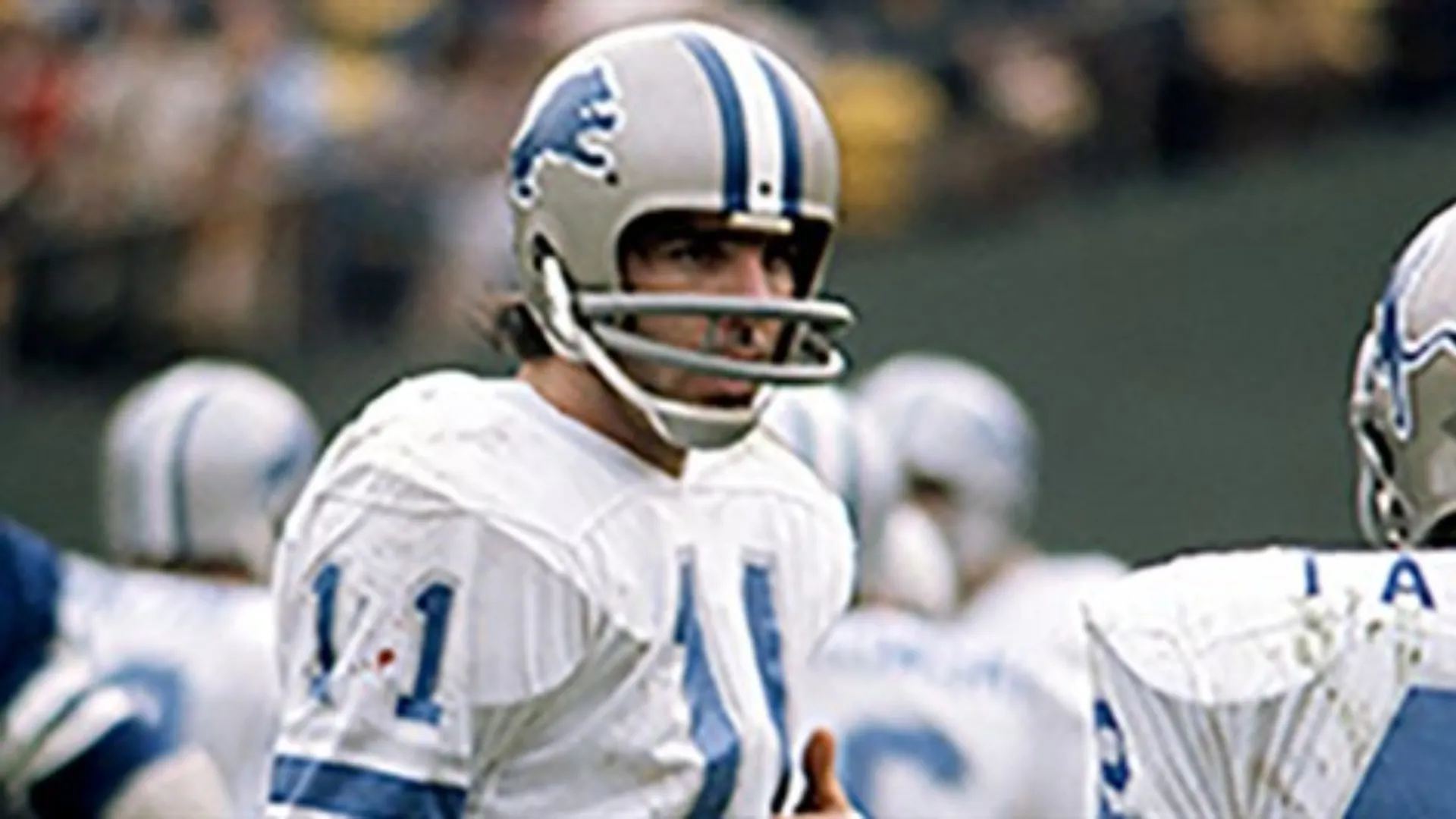
Greg Landry (Source: NFL)
Greg Landry was the definition of modern fire in a time when most NFL quarterbacks were still stationary pocket passers. Playing for the Lions from 1968 to 1978, he was a pioneering dual-threat quarterback whose mobility and strong arm caused constant headaches for opposing defenses.
His best season came in 1971, where he led the league in yards per attempt and was named to the Pro Bowl. His ability to extend plays with his legs and break off significant runs was truly unique for his era; he often ranked among the team’s leading rushers.
His athleticism allowed the Lions to implement an innovative offense for the time, helping bridge the gap between the grind-it-out game of the 60s and the explosive schemes of the future. He stands as a key figure in the franchise’s history as one of the first quarterbacks to successfully blend throwing accuracy with game-changing rushing ability.
Jeff Backus
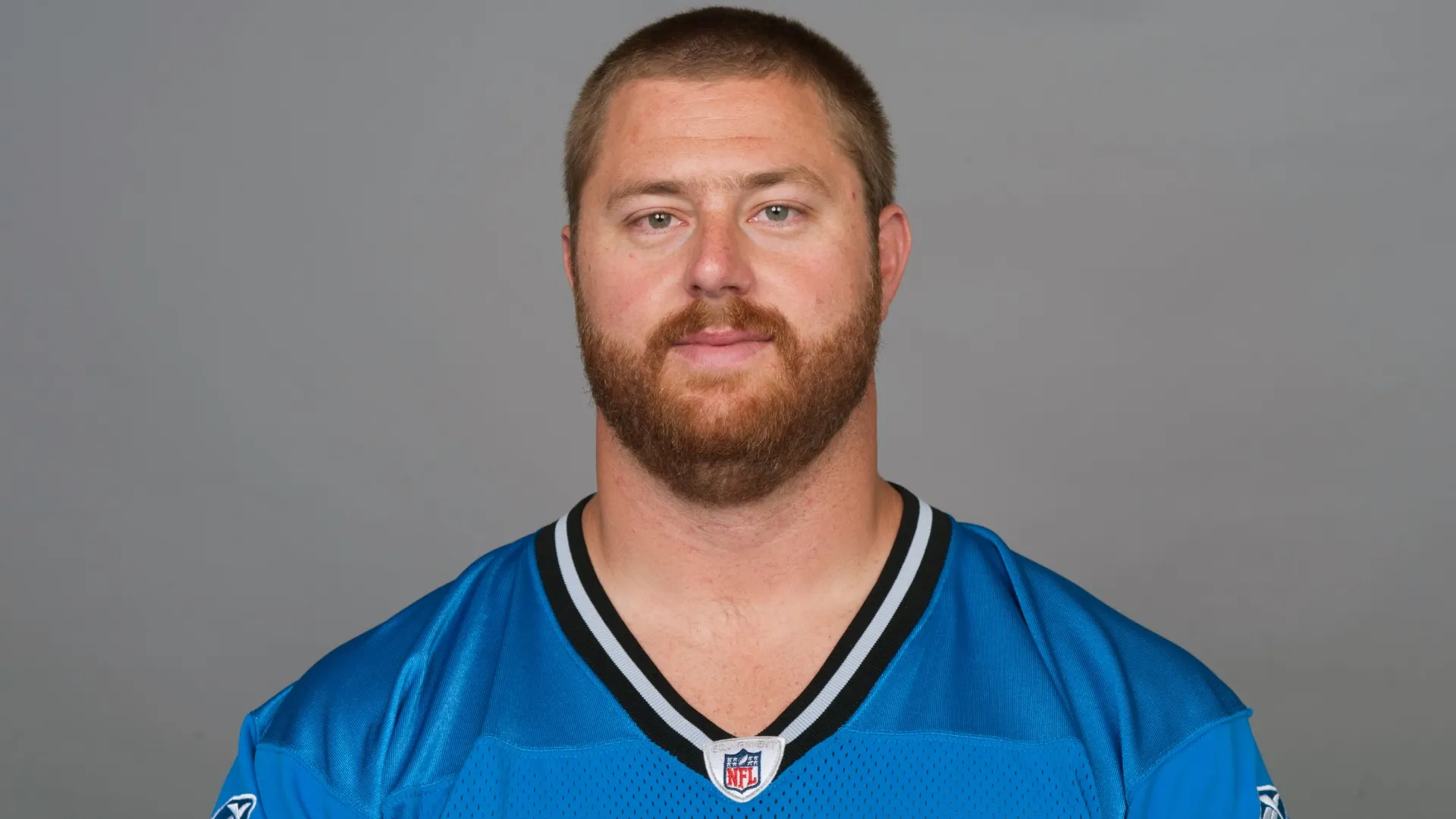
Jeff Backus (Source: NFL via Getty Images)
In the trenches of the Detroit Lions’ story, the narrative is often dominated by flashier skill position players, but the foundation was laid by the quiet, unyielding presence of Jeff Backus. Drafted in 2001, he became the franchise’s iron man at left tackle for 12 seasons.
He was the definition of dependability, famously starting 186 consecutive games for the Lions—a streak that stands as a testament to his toughness and consistency. The offensive line may not garner the headlines, but his unwavering commitment to protecting the quarterback’s blind side, often against elite pass rushers, allowed the offense to function through years of transition.
His career, though lacking the Pro Bowl recognition of some of his peers, is the epitome of old-school grit, showcasing that the heart of a team is often found in the player who shows up and executes his job without fail, every single Sunday.
Billy Sims
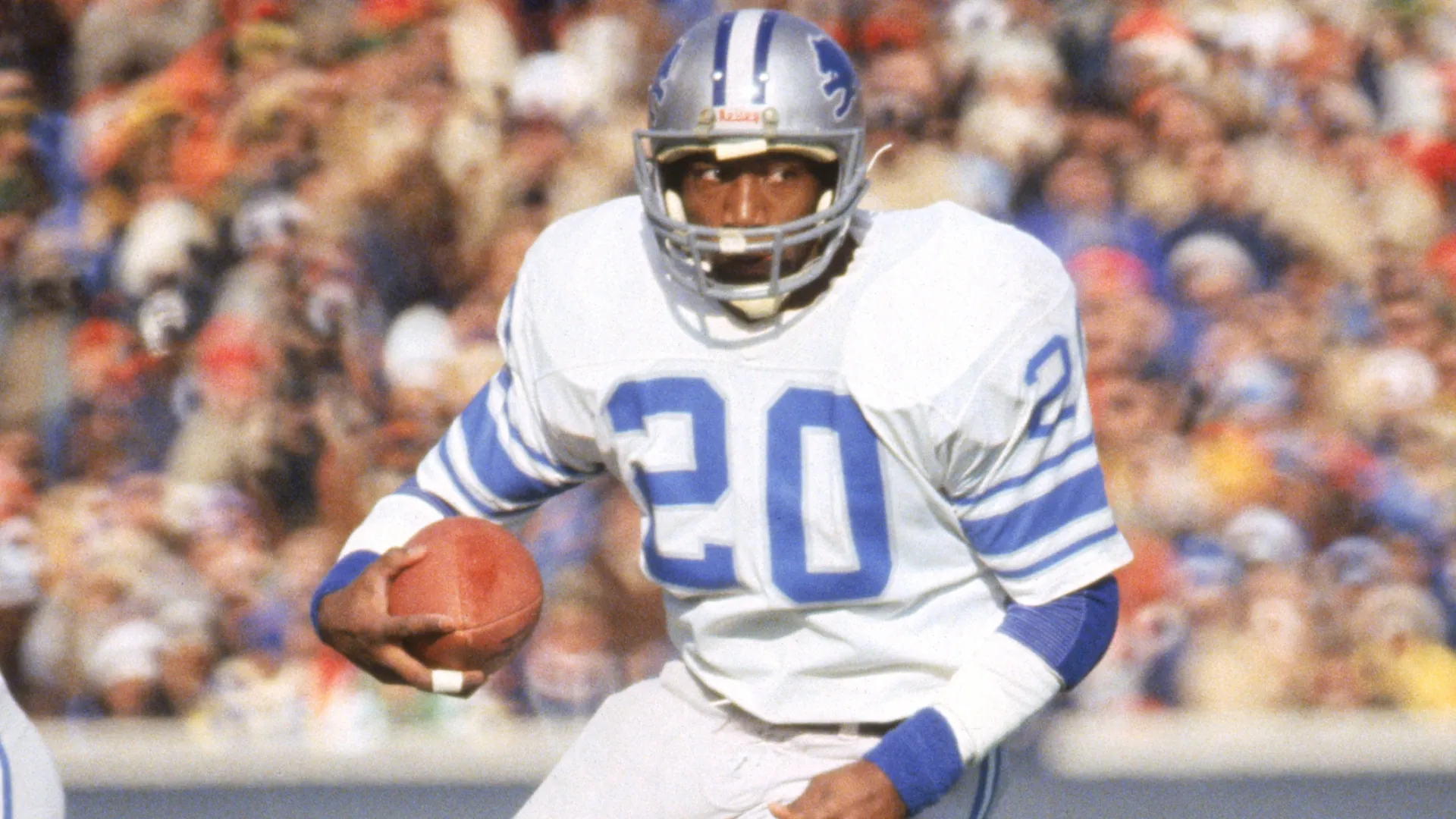
Billy Sims (Source: Jonathan Daniel/Getty Images)
Before Barry, there was Billy. Selected first overall in the 1980 NFL Draft, Billy Sims burst onto the Detroit scene with a Heisman-winning pedigree and a thrilling, explosive style of running that immediately electrified the fanbase.
He captured the Offensive Rookie of the Year award in 1980 by topping 1,300 rushing yards and co-leading the league in rushing touchdowns. In his truncated, five-year career, he compiled three Pro Bowl selections and rushed for over 5,100 yards, becoming the franchise’s all-time leading rusher at the time.
His speed and power were the driving force behind the Lions’ playoff bids in the early 1980s. Tragically, a catastrophic knee injury mid-way through the 1984 season abruptly ended his trajectory, leaving behind a legacy of brilliant, unfulfilled potential—a mesmerizing spark of talent that remains one of the Lions’ most potent “what-if” stories.
Calvin Johnson
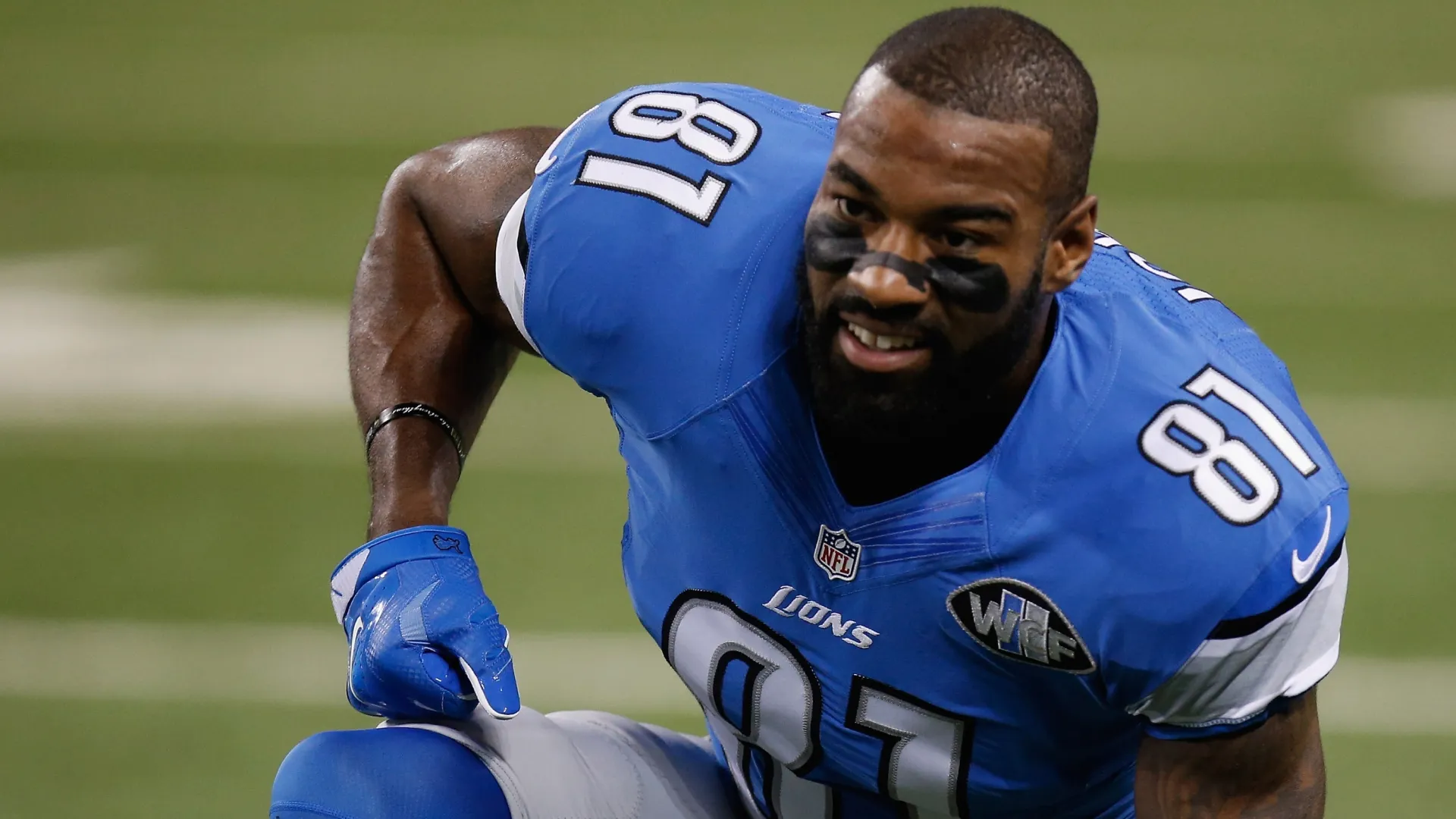
Calvin Johnson (Source: Gregory Shamus/Getty Images)
If the topic is “modern fire,” no player is a more fitting embodiment than Calvin Johnson. Nicknamed “Megatron” by a teammate for his massive size, superhuman strength, and seemingly robotic catching ability, he didn’t just play wide receiver—he redefined it as a force of nature.
His 2012 season stands as an untouchable landmark in NFL history, setting the single-season receiving yards record with 1,964. A three-time First-team All-Pro and six-time Pro Bowler, he possessed a rare combination of 6’5″ size, 4.35-second 40-yard dash speed, and exceptional body control.
His career was a highlight reel of gravity-defying catches and dominant performances, cementing him as arguably the most physically gifted receiver to ever play the game and an icon of sheer, modern athleticism.
Dick Lane
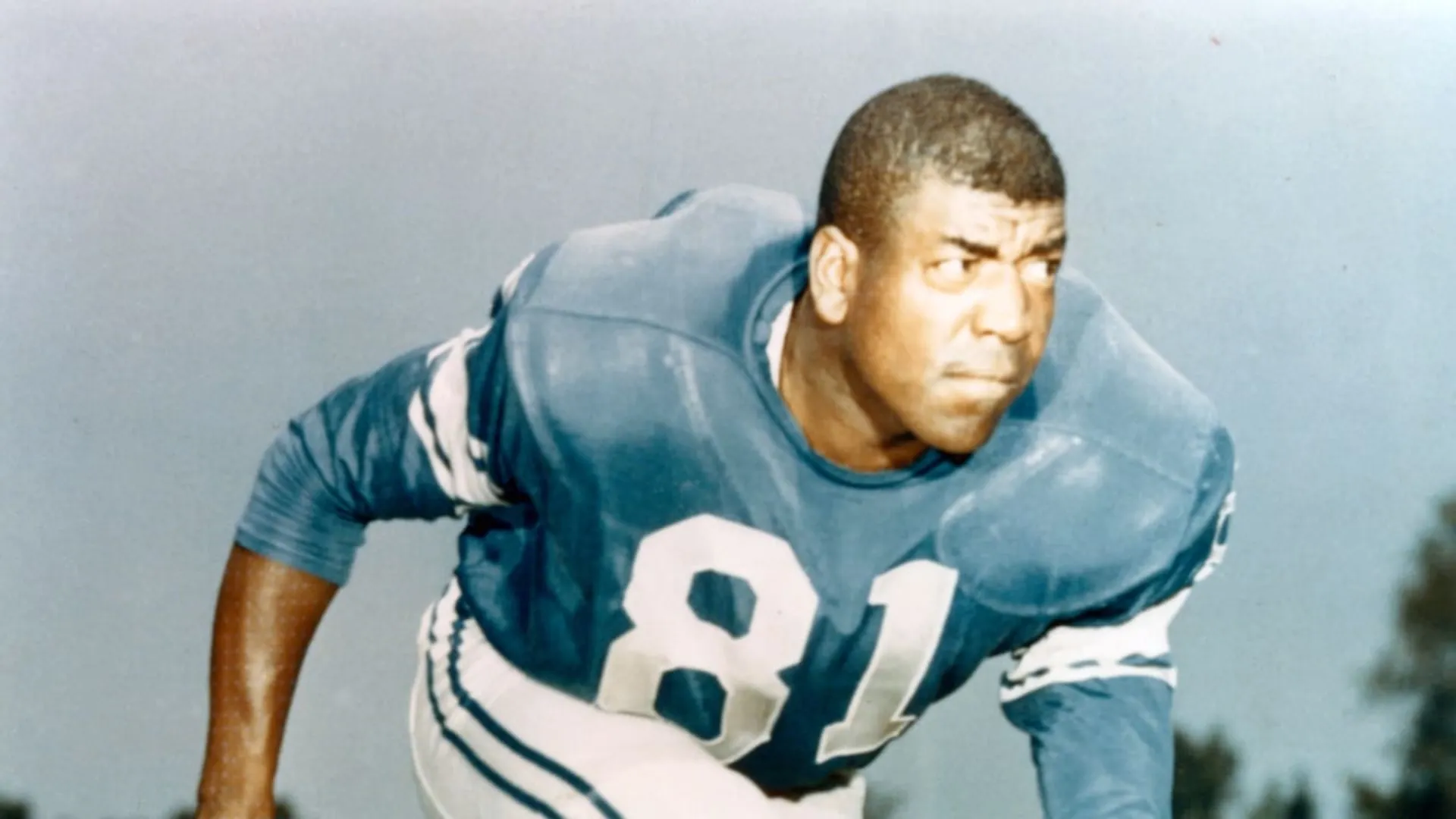
Dick Lane (Source: NFL)
Few names carry the weight, grit, and intimidation factor of Dick ‘Night Train’ Lane. While Lane spent time with other teams, his legacy is intrinsically linked to his game-changing rookie season in 1952, where he set an NFL single-season record with 14 interceptions—a mark that stands over 70 years later.
When he arrived in Detroit in 1960, he immediately reinforced the team’s defensive intensity. He was known as one of the most ferocious tacklers in the history of the sport, using innovative, powerful tackling techniques.
A seven-time First-team All-Pro across his career and a Hall of Famer, he defined the era of brutal, old-school defense, bringing a physical dominance to the Lions’ secondary during the early 1960s.
Ndamukong Suh
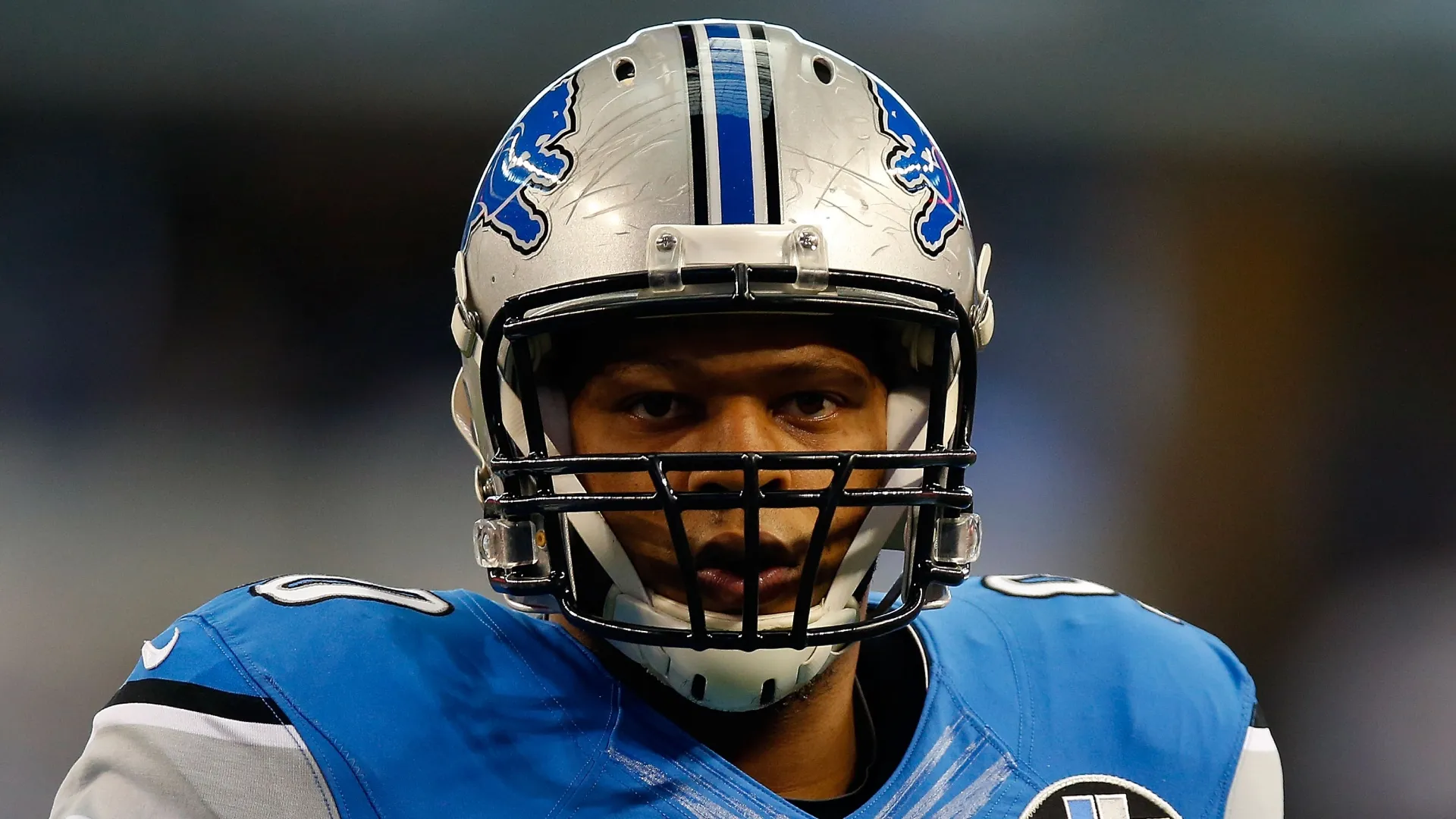
Ndamukong Suh (Source: Tom Pennington/Getty Images)
The arrival of Ndamukong Suh in 2010 signaled a dramatic shift toward modern fire on the Lions’ defensive line. Selected second overall, he was an immediate, overwhelming interior presence, earning Defensive Rookie of the Year honors.
His combination of size, speed, and raw power created chaos in opposing backfields, often requiring double or triple-teams. During his five seasons in Detroit, he earned four Pro Bowl nods and three First-team All-Pro selections, demonstrating rare dominance for a defensive tackle.
While his aggressive, sometimes controversial, playing style generated both accolades and penalties, there is no question that he was the disruptive cornerstone of the Lions’ early 2010s resurgence, helping the team return to the playoffs and embodying a powerful, contemporary athleticism.
Mel Farr
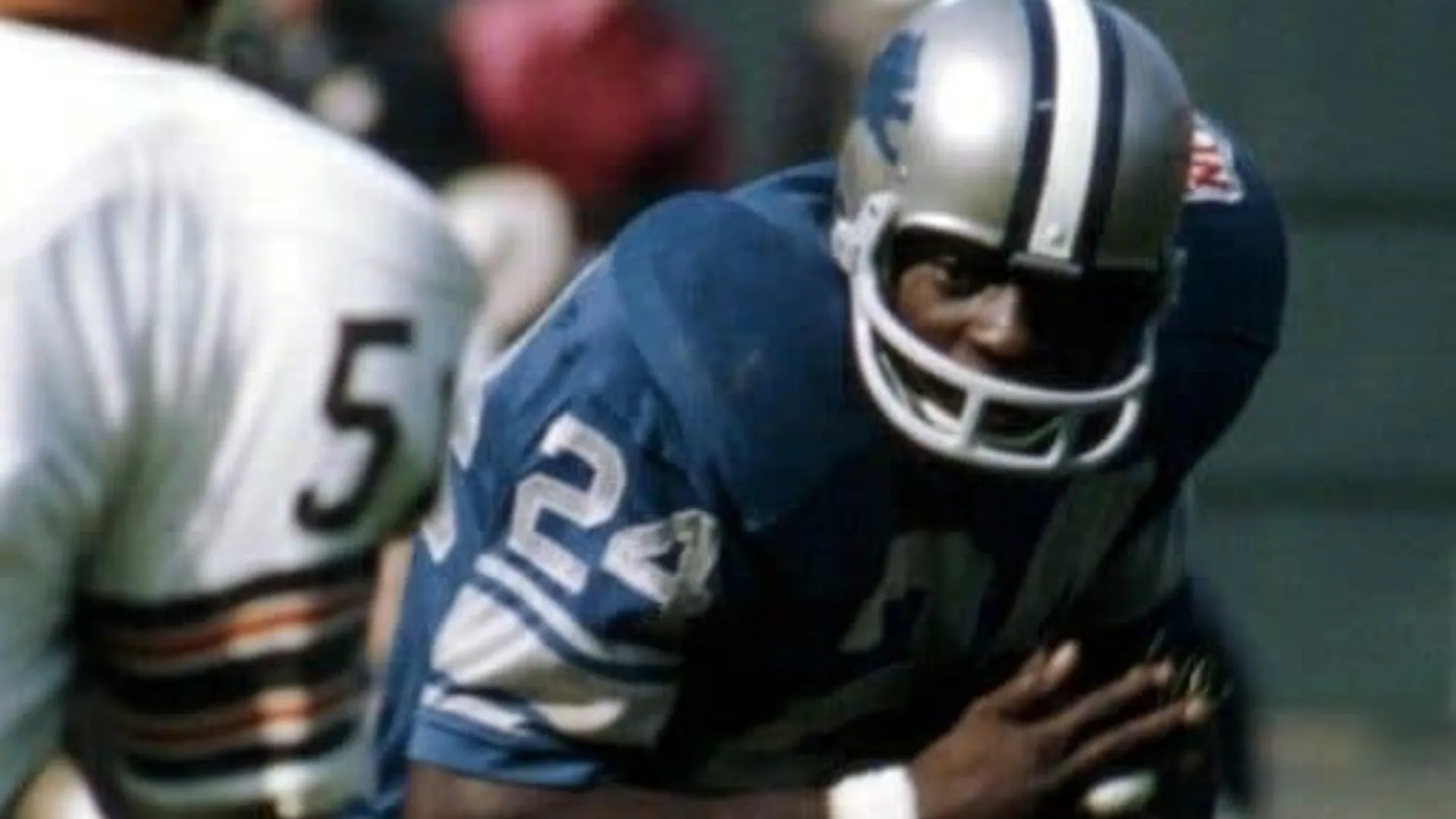
Mel Farr (Source: NFL Past Players)
Mel Farr was a central figure who helped transition the Lions’ offense into the modern era of the late 1960s. Drafted in 1967, the versatile halfback made an immediate splash, earning the NFL Rookie of the Year award by leading the team in both rushing and receiving.
His dual-threat ability—totaling over 1,100 yards from scrimmage in his rookie campaign—demonstrated a forward-thinking versatility that was ahead of its time. He went on to earn two Pro Bowl selections.
Though his career was shortened by injury after seven seasons, his blend of running back grit and receiver-like hands made him one of the most dangerous offensive weapons of his era and a foundational player in the team’s post-championship period.
Al Baker
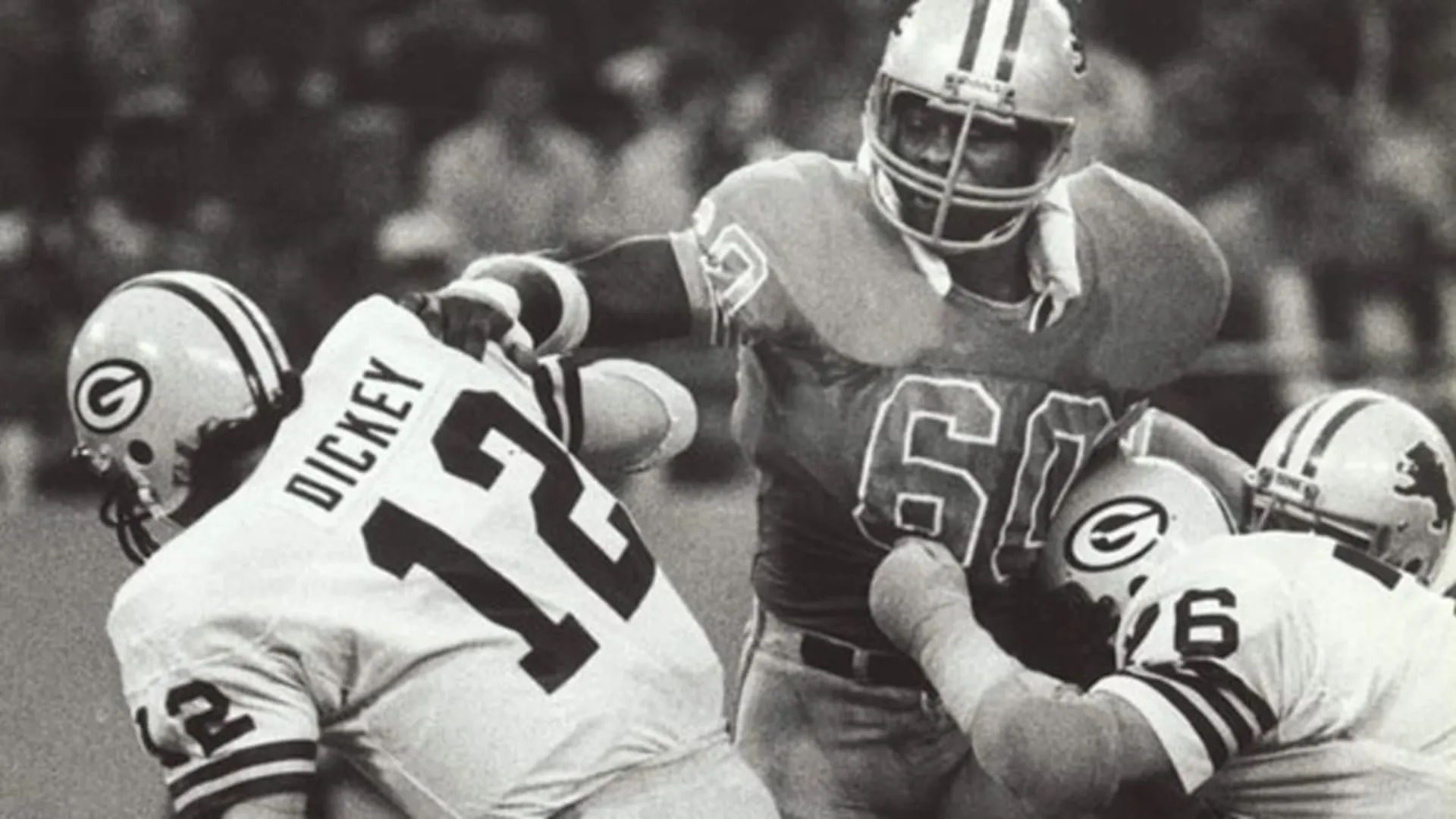
Al Baker (Source: Detroit Lions)
Al Baker is an icon whose dominance is often measured outside the official record books, yet remains unquestioned. Playing defensive end for the Lions from 1978 to 1982, Baker, known as “Bubba,” was an absolute wrecking ball.
In his rookie season of 1978, he put up an astonishing, though unofficial, 23 sacks, which would stand as the highest single-season mark recorded before the sack became an official NFL statistic in 1982.
This incredible feat earned him the NFL Defensive Rookie of the Year award and the first of his three consecutive Pro Bowl appearances. His relentless pressure and membership in the famed “Silver Rush” defensive line defined the Lions’ early 1980s defense and established him as a cornerstone of old-school defensive fire.
Shaun Rogers
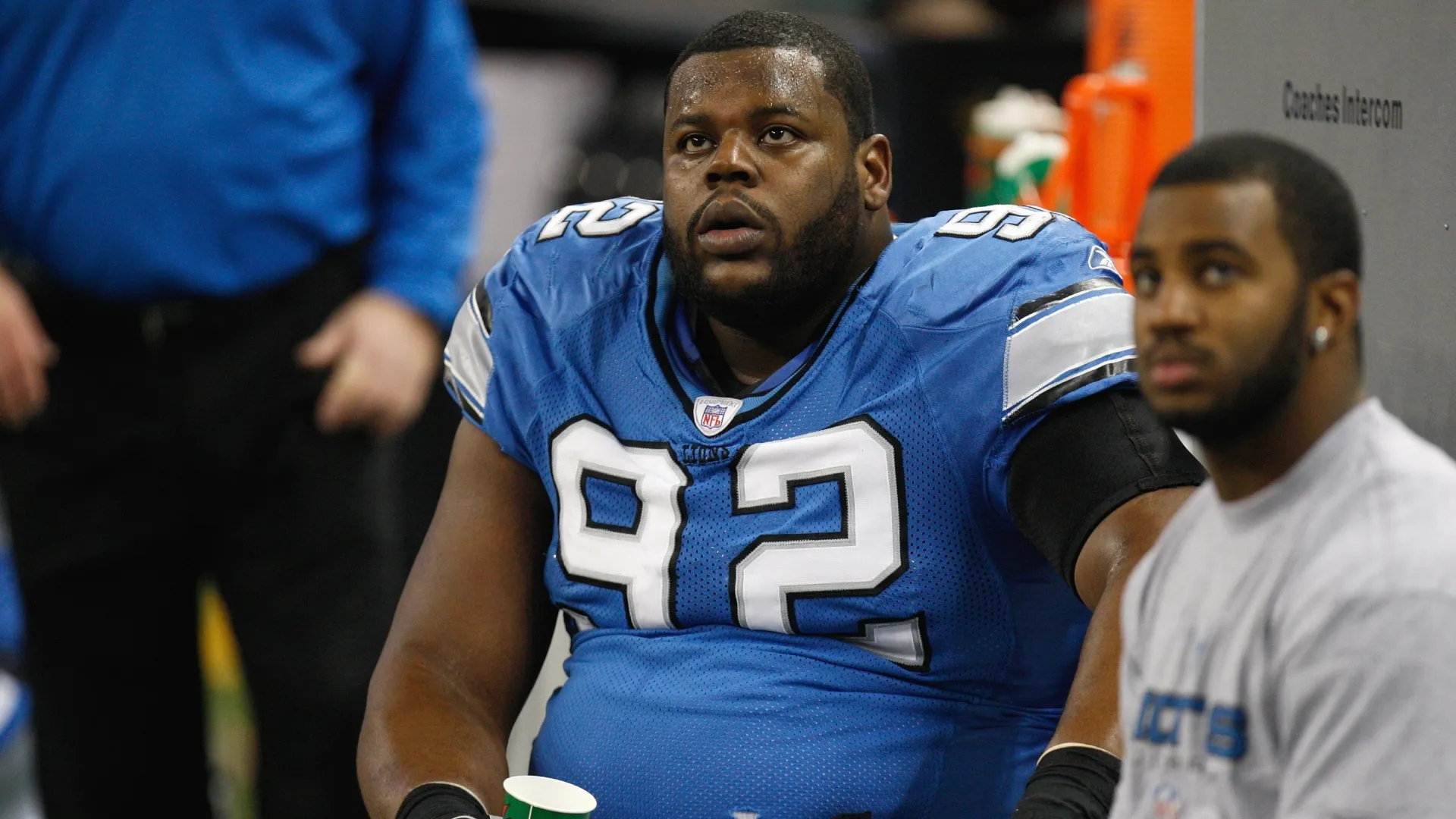
Shaun Rogers (Source: Gregory Shamus/Getty Images)
From 2001 to 2007, Shaun Rogers was simply a physical impossibility on the Detroit defensive line. Standing 6-foot-4 and often weighing over 350 pounds, he possessed an incredibly rare combination of overwhelming size and shocking athleticism, allowing him to dominate the interior line of scrimmage.
He earned two of his three career Pro Bowl selections while with the Lions, often demonstrating an ability to blow up running plays and pressure the quarterback from the middle, a rare feat for a player his size.
His tenure embodied modern fire—a defensive tackle whose sheer, raw power was unmatched. He even proved his athleticism in a memorable moment by intercepting a pass and returning it 66 yards for a touchdown against the Jaguars in 2004, a play that perfectly encapsulated his unique, game-wrecking talent.
Dominic Raiola
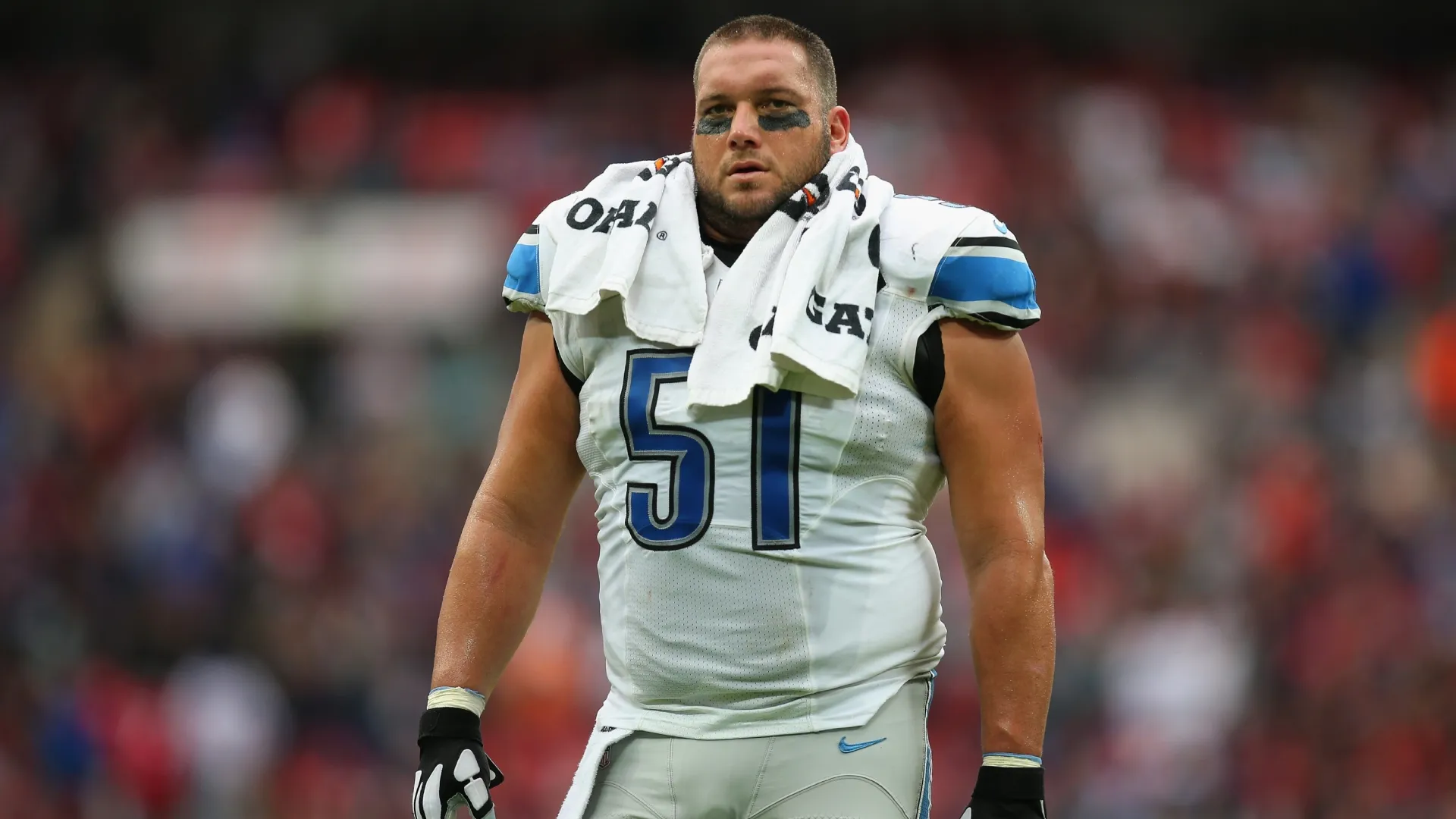
Dominic Raiola (Source: Jordan Mansfield/Getty Images)
Dominic Raiola anchored the Lions’ offensive line for over a decade, playing center for the team from 2001 to 2014. Much like Jeff Backus, his legacy is built on durability, leadership, and a tough, old-school mentality.
He set the franchise record for most games played by an offensive lineman and was a constant presence in the trenches through some of the team’s most challenging periods. As the center, he was the literal centerpiece of the offense, responsible for making line calls and ensuring unit cohesion, a role he performed with gritty consistency.
He provided the crucial protection for quarterback Matthew Stafford and paved the way for various Lions running backs, proving that true iconography in football often lies in the consistent, powerful execution of an unglamorous job.
Roger Brown
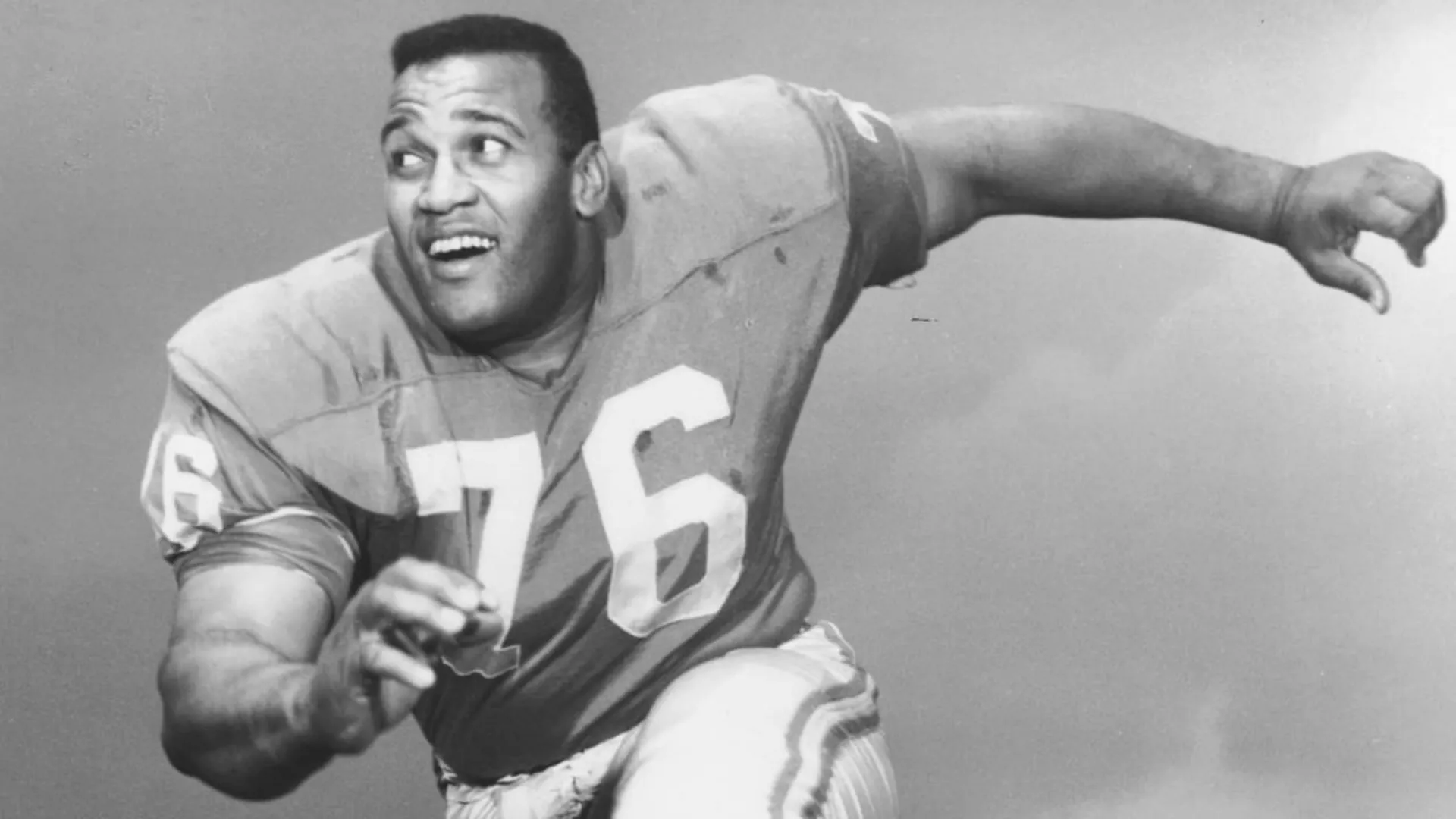
Roger Brown (Source: Detroit Lions)
Roger Brown was a massive, immovable object on the defensive line during the Lions’ powerful early 1960s defense. Playing defensive tackle from 1960 to 1966, he was the centerpiece of the legendary “Fearsome Foursome” defensive line, a unit known for its utter dominance and relentless pressure.
His immense size and power for his era made him nearly impossible to block one-on-one, and his consistent penetration helped lead the Lions to some of their most successful seasons outside of the championship years.
He earned six Pro Bowl selections and was named a First-team All-Pro twice while in Detroit. His physicality and intensity epitomized the old-school grit and defensive might that defined football in that era.
Dre Bly
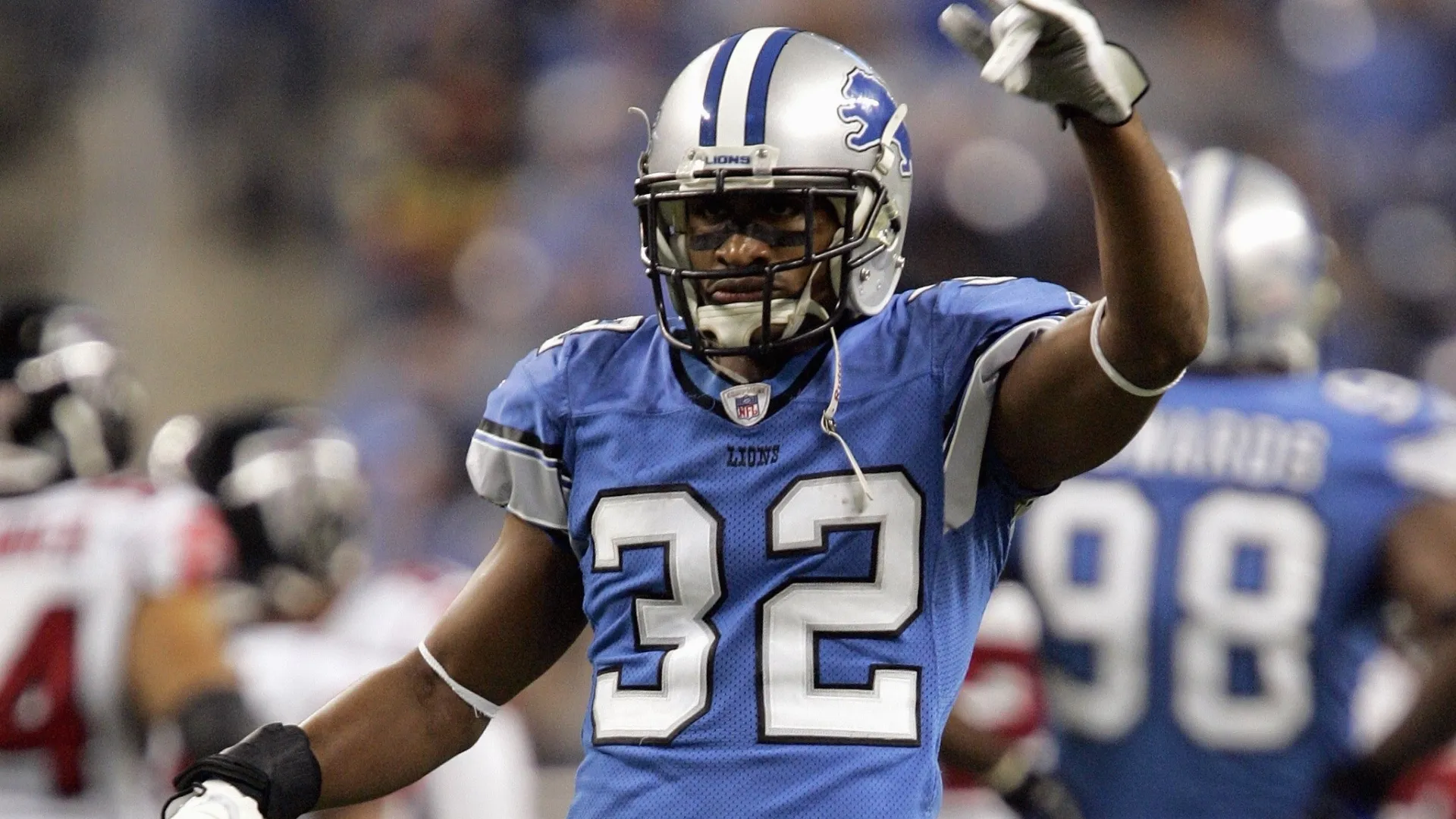
Dre Bly (Source: Brian Bahr/Getty Images)
Dre Bly brought a burst of modern, playmaking energy to the Lions’ secondary during his time with the team. A quick, instinctual cornerback, he was known for his exceptional ability to generate turnovers, often taking calculated risks to jump routes—a style that defined him as a true “ball hawk”. He earned both of his career Pro Bowl nods and one Second-team All-Pro selection as a Lion.
His 15 interceptions in just four seasons in Detroit showcased a high-impact style of defense that created momentum-shifting plays. His bold, aggressive coverage and ability to turn defense into instant offense cemented him as a thrilling icon of the Lions’ early 2000s defense.
Kevin Glover
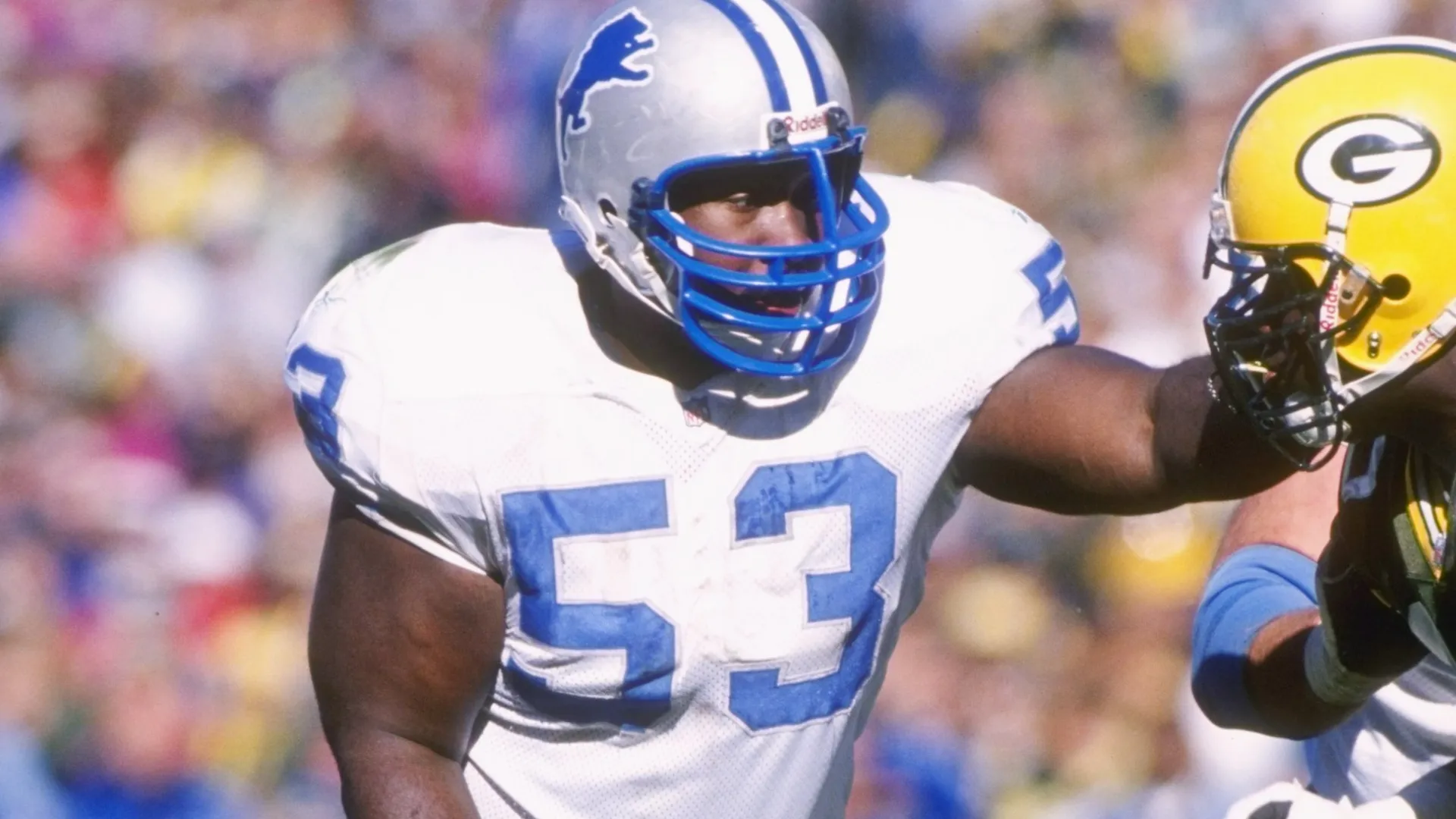
Kevin Glover (Source: Jonathan Daniel /Allsport)
Before Dominic Raiola, Kevin Glover was the bedrock of the Lions’ offensive line, playing center from 1985 to 1997. His career spanned the rise of Barry Sanders and the team’s consistent playoff competitiveness in the early 1990s.
He was an incredibly reliable, smart, and strong leader whose quiet efficiency allowed the team’s stars to shine. He was the recipient of two Pro Bowl selections and earned First-team All-Pro honors in 1997.
His consistent high-level play, particularly his exceptional work blocking for the greatest running back in franchise history, exemplifies the old-school grit and often-unseen dedication required to write the Lions’ story.