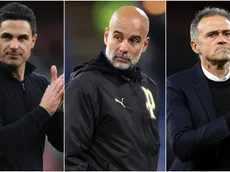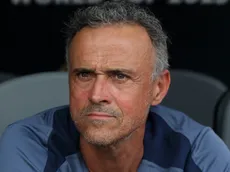
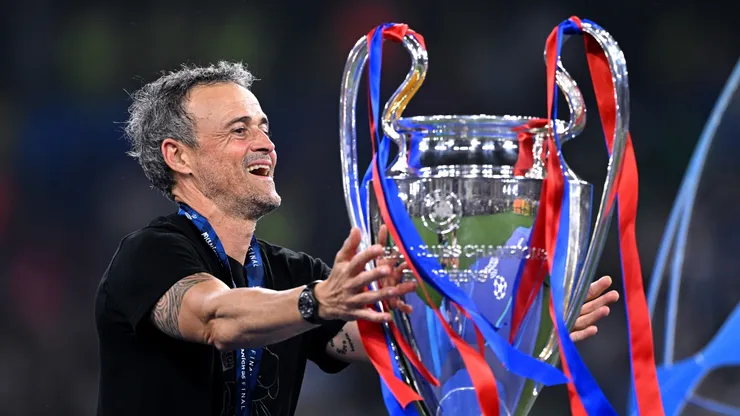
When it comes to Champions League glory, few managers can boast Luis Enrique’s résumé. With tactical brilliance and a deep understanding of the game, he etched his name in history. His journey was nothing short of remarkable.
A celebrated figure in Spanish soccer, Luis Enrique lifted the iconic trophy in an unforgettable campaign. Facing formidable opponents, he steered his team with unwavering focus and a winning mentality that captured imaginations.
The night he claimed Europe’s biggest prize money and trophy became a defining moment. But how many times has he done it, and who were the vanquished giants standing in his way?
How many Champions League titles does Luis Enrique have?
Luis Enrique has won three UEFA Champions League titles as manager. His first victory came in the 2014–15 season with FC Barcelona. In his very first year in charge, he guided the team to a historic treble, claiming La Liga, the Copa del Rey, and Europe’s most prestigious club trophy.
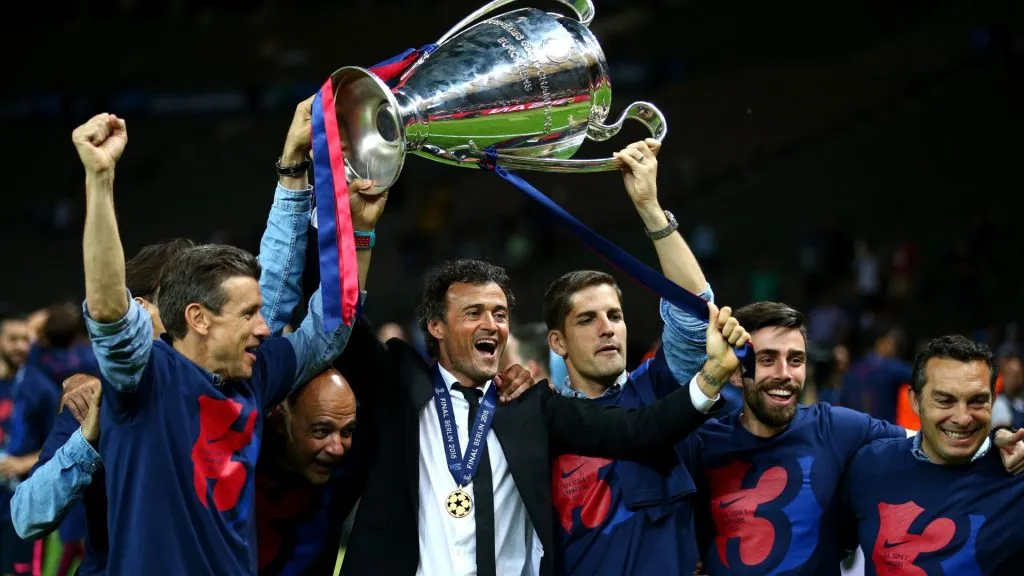
Luis Enrique with the trophy after the 2015 UEFA Champions League Final. (Source: Paul Gilham/Getty Images)
That season was a breakthrough for his coaching career, as he managed to balance a squad filled with stars while imposing his tactical philosophy. The final saw Barcelona overcome Juventus 3–1, with crucial goals from Ivan Rakitić, Luis Suárez and Neymar, sealing his place among Europe’s elite managers.
10 years after tasting continental glory with Barcelona, Luis Enrique led PSG to their first-ever UEFA Champions League title. With a lopsided 5-0 victory over Inter Milan in the 2025 final, his team set the record for the biggest win in a Champions League final.
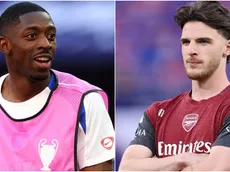
He added a third UCL to his cabinet only a year later, with defending champions PSG beating Arsenal on penalties in a dramatic final in Budapest.
Which teams did Luis Enrique’s sides defeat to win the Champions League?
Luis Enrique’s Barcelona faced a series of formidable opponents on their 2014–15 Champions League journey. In the knockout stages, they dismantled Arsenal convincingly in the Round of 16, showcasing a blend of tactical discipline and attacking flair.
The quarterfinals brought a clash with Paris Saint-Germain, where Barcelona’s resilience shone through after an intense two-legged battle, advancing on away goals after a thrilling comeback in the second leg at the Camp Nou.
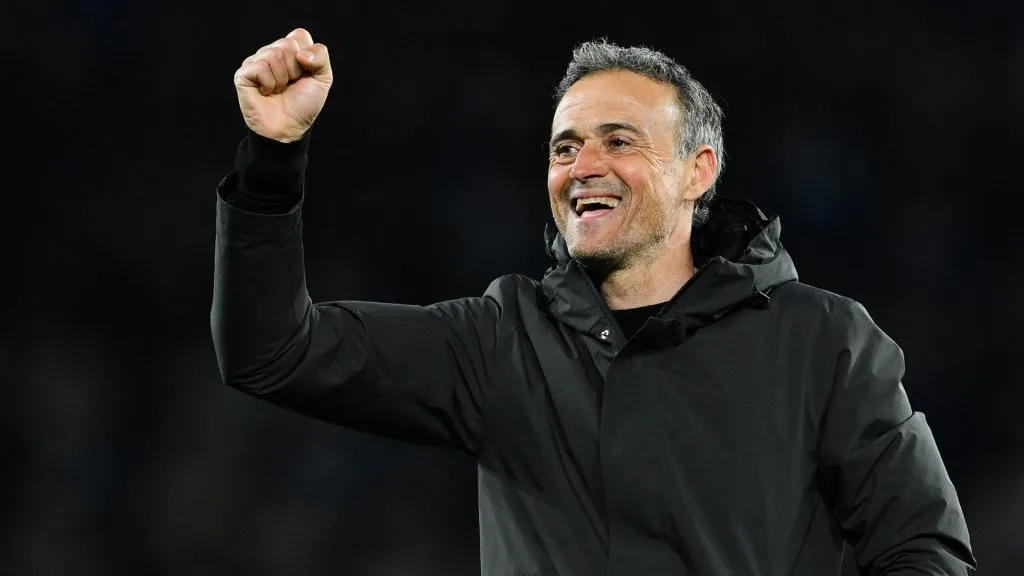
Head coach Luis Enrique of Paris Saint-Germain celebrates after the UEFA Champions League 2023/24 round of 16 second leg match against Real Sociedad in 2024. (Source: David Ramos/Getty Images)
Perhaps the most dramatic hurdle came in the semifinals against Bayern Munich, Europe’s powerhouse at the time. After a commanding 3–0 home win — highlighted by Messi’s spectacular brace — they weathered a 2–3 defeat in Munich to progress 5–3 on aggregate.
Finally, in the June 2015 final, Juventus awaited. Barcelona’s fluid attack and strategic mastery earned them a 3–1 victory in Berlin, securing the Champions League crown and completing the historic treble.
His 2025 PSG also took down strong opponents. After eliminating Liverpool, who had the best record in the league phase, on penalties; Luis Enrique’s team beat Aston Villa, and Arsenal en route to the final. And in Munich, PSG thrashed Inter Milan to win their first UCL.
In 2026, PSG’s road to the title saw them eliminate AS Monaco, Chelsea, Liverpool, and Bayern Munich before taking down Arsenal in the final.