
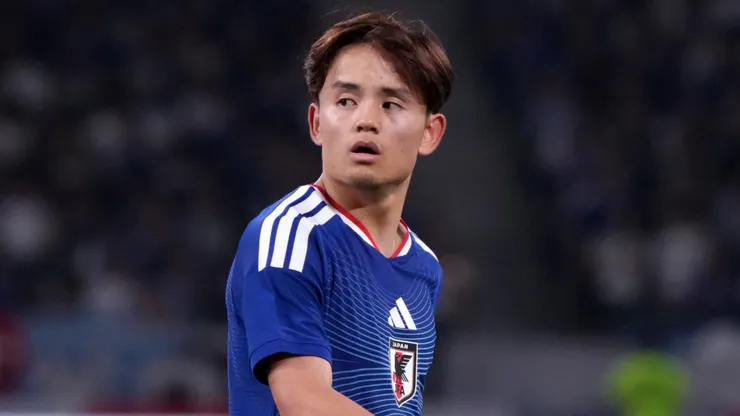
A massive test is on the horizon for Japan, a squad heavily favored to become one of the premier “dark horses” of the entire tournament due to its deep roster of high-caliber talent. Drawn into a fascinating Group F alongside the Netherlands, Sweden, and Tunisia, the Samurai Blue are primed to make a major statement on the 2026 World Cup.
In the latest FIFA World Rankings, Japan sit comfortably in the No. 18 spot. This impressive standing secured them a coveted place in Pot 2 during the 2026 World Cup Draw held in 2025, ultimately paving their path into this highly competitive Group F framework.
That top-20 world ranking is no fluke. The federation has executed a masterful long-term strategy to establish themselves as the undisputed powerhouse of Asian soccer, a status validated by a dominant qualifying campaign where they suffered just a single loss, racking up 13 victories and two draws along the way.
Even though they enter the tournament reeling from the devastating loss of their talismanic captain Wataru Endo, the Samurai Blue are out to prove that their tactical identity does not rely on any single individual, but rather on a meticulously crafted collective system.
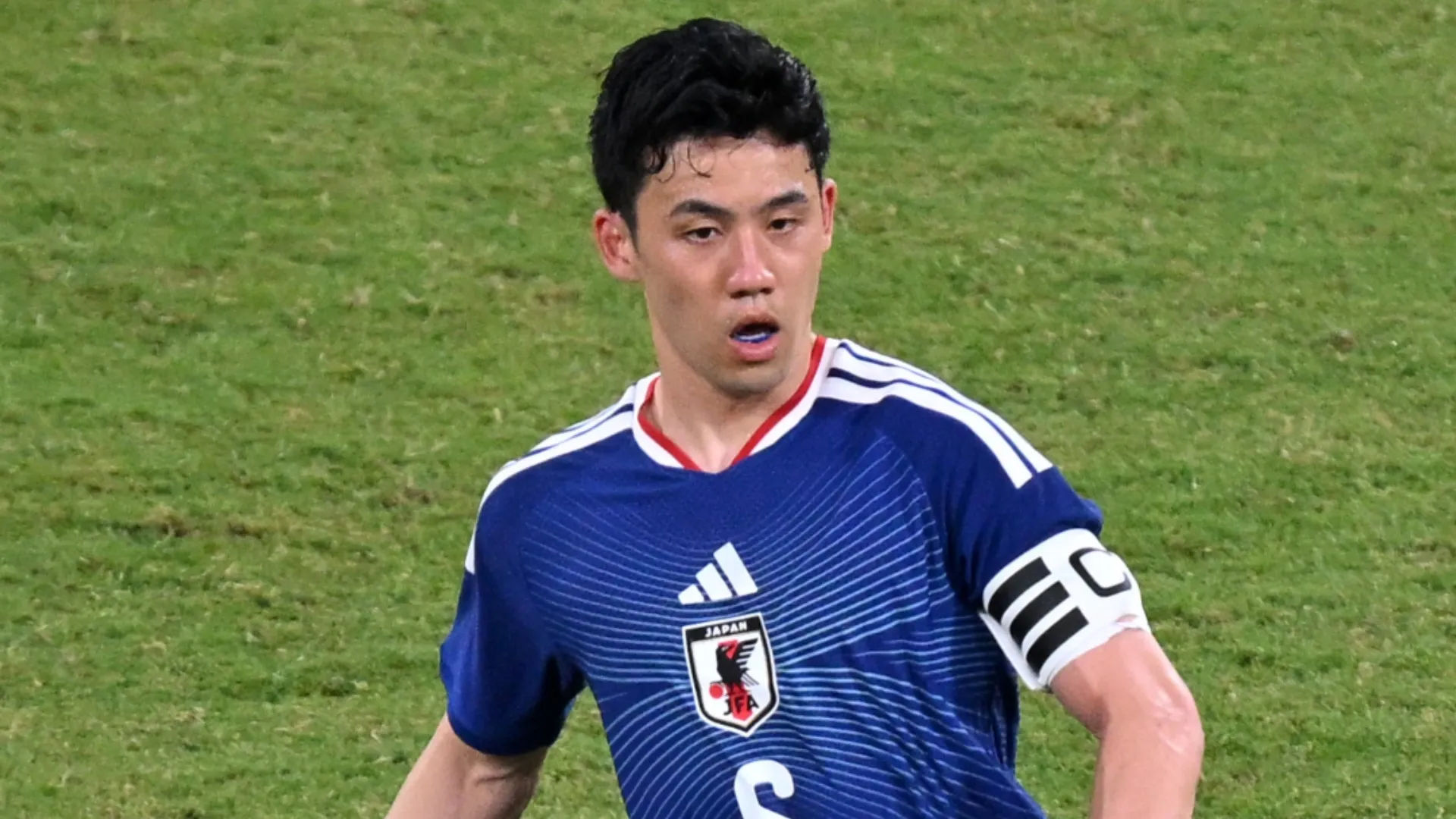
Wataru Endo of Japan passes the ball.
Japan’s fixture in the group stage
Based on the FIFA rankings, Japan enters Group F as the second-highest-rated team in the quadrant. The Netherlands leads the pack (No. 8), followed by Japan (No. 18), while Sweden (No. 38) and Tunisia (No. 45) trail behind. Here is a closer look at the group stage schedule for the Samurai Blue:
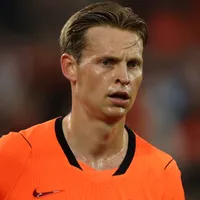
- Match 1: Netherlands vs. Japan
- Date: Sunday, June 14, 2026
- Time: 4:00 PM ET
- Venue: Dallas Stadium (Arlington, Texas)
- Match 2: Tunisia vs. Japan
- Date: Sunday, June 21, 2026
- Time: 12:00 AM ET (Midnight)
- Venue: Estadio Chivas (Guadalajara, Mexico)
- Match 3: Japan vs. Sweden
- Date: Thursday, June 25, 2026
- Time: 7:00 PM ET
- Venue: Dallas Stadium (Arlington, Texas)
Japan’s plan to become World Cup champions
The Japan Football Association operates a highly calculated, 50-year developmental blueprint known as ‘The JFA Pledge for 2050,’ with the ultimate objective of solo-hosting and winning the FIFA World Cup by the middle of the century.
Rather than relying on luck or generational anomalies, this roadmap utilizes a unified “Japan’s Way” philosophy designed to standardize elite coaching methodologies and tactical principles from grassroots youth academies all the way up to the senior national team.
Backed by cutting-edge sports science, Japan’s arrival at the 2026 tournament as Asia’s highest-ranked nation is definitive proof that this meticulous, long-term engineering project is operating well ahead of schedule.