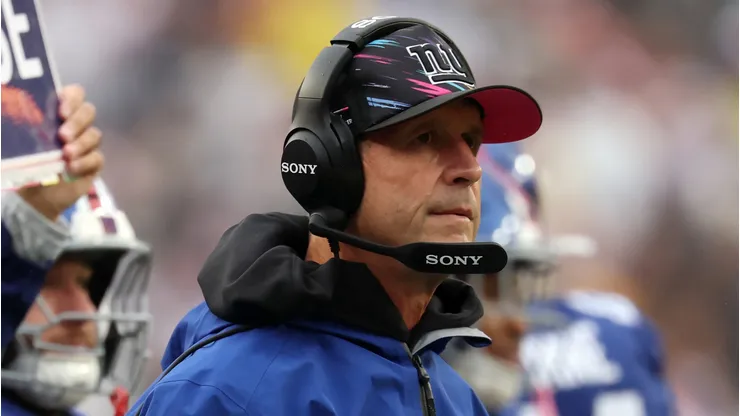
The New York Giants surprised many by standing completely pat at Tuesday’s NFL trade deadline. Despite holding first place in the NFC East, general manager Joe Schoen declined to acquire any external reinforcements after many rumors circulated.
According to Dan Duggan of The Athletic, the Giants didn’t want to trade draft picks if they weren’t going to land an “impact player.” The front office prioritized internal player development over costly short-term rentals. Specifically, New York chose to trust rookie defensive tackle Bobby Jamison-Travis.
Earlier reports detailed the NY Giants RB depth chart after lack of moves at 2026 NFL trade deadline. Consequently, head coach John Harbaugh will rely on homegrown depth to power a playoff push.
Why do the NY Giants trust so much in Bobby Jamison-Travis?
Jamison-Travis has rapidly evolved from a sixth-round project into a reliable run-stuffing contributor along New York’s defensive interior. Defensive coordinator Dennard Wilson has steadily increased the rookie’s workload alongside veteran anchor DJ Reader.
Furthermore, New York’s run defense held Houston to 84 yards and Philadelphia to 92 yards in consecutive games. Jamison-Travis consistently clogs interior rushing lanes, proving he can handle vital early-down snaps.
Were the Giants right in not rushing to make a deal?
Refusing to give away future draft assets for expensive rentals represents a smart, disciplined organizational strategy. Rival contenders surrendered multiple first-round picks for veteran defensive tackles, which would have crippled New York’s long-term flexibility.
Additionally, keeping their draft capital allows the Giants to build sustainably around their young core next spring. Patience preserves roster balance while rewarding young contributors who are actively earning their snaps.
Key takeaways
- The New York Giants stood completely pat at Tuesday’s NFL trade deadline.
- New York chose to trust rookie defensive tackle Bobby Jamison-Travis over external rentals.
- The New York Giants’ run defense held Houston to 84 yards and Philadelphia to 92 yards.