In the brutal ballet of boxing, punches aren’t the only things being thrown around—millions of dollars are, too. Behind every fight night lights-up, there’s a complex money game going on. So, what exactly is a boxing purse?
From flashy pay-per-view headliners to gritty undercard brawls, fighters enter the ring chasing glory and a payday. But not all checks are created equal. Some walk away with fortunes, others barely break even.
It’s a world where contracts, promoters and even X (Twitter) hype can tip the financial scales. Before the bell rings, deals are made, percentages split and behind-the-scenes negotiations heat up.
Purse bids
In professional boxing, when promoters can’t agree on financial terms for a title fight, the bout may go to a “purse bid”. This process allows any registered promoter to submit a bid to host the fight, with the highest bidder securing the rights.
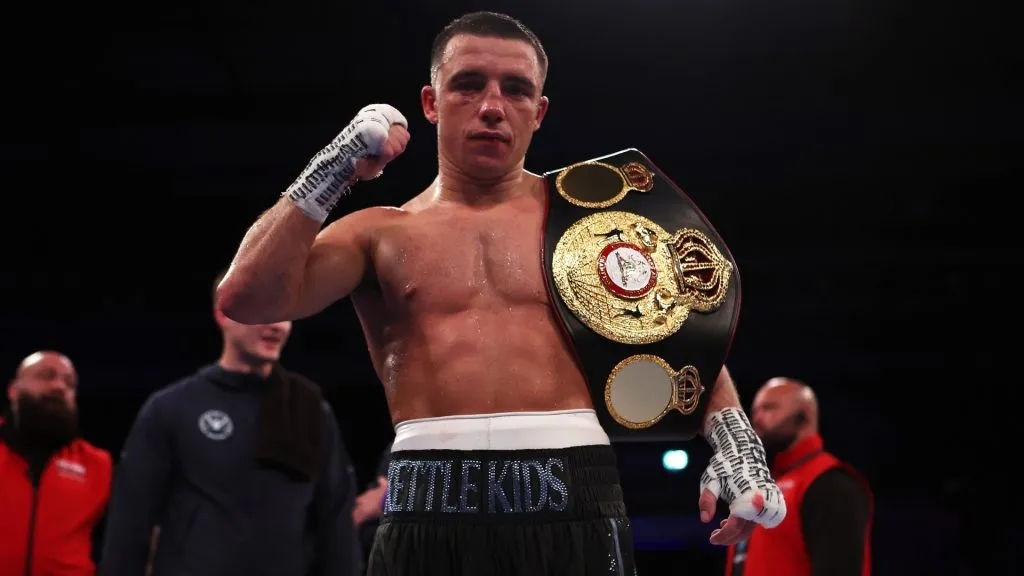
Nick Ball celebrates victory in the WBA Featherweight world title fight between Nick Ball and Ronny Rios at M&S Bank Arena on October 05, 2024. (Source: Lewis Storey/Getty Images)
The total purse is then divided between the fighters, typically favoring the champion with a larger share. In 2022, Queensberry Promotions and Top Rank won the purse bid for the Tyson Fury vs. Dillian Whyte fight with a record-setting $41,025,000 bid. This event highlighted how purse bids can escalate when high-profile fighters are involved.
Revenue splits
Revenue splits in boxing are often determined by a fighter’s status and marketability. Champions usually command a larger portion of the purse, but factors like popularity and negotiation prowess can influence the division.
In the 2015 bout between Floyd Mayweather Jr. and Manny Pacquiao, the revenue was split 60/40 in favor of Mayweather for the first $160 million, with adjustments based on total earnings. These splits are crucial, as they reflect not just athletic merit but also commercial appeal.
PPV and sponsorships
Pay-per-view (PPV) sales and sponsorships significantly impact a boxer’s earnings. Fighters often negotiate deals that include a percentage of PPV revenue, which can range from 10% to 20%, depending on their contract and drawing power.
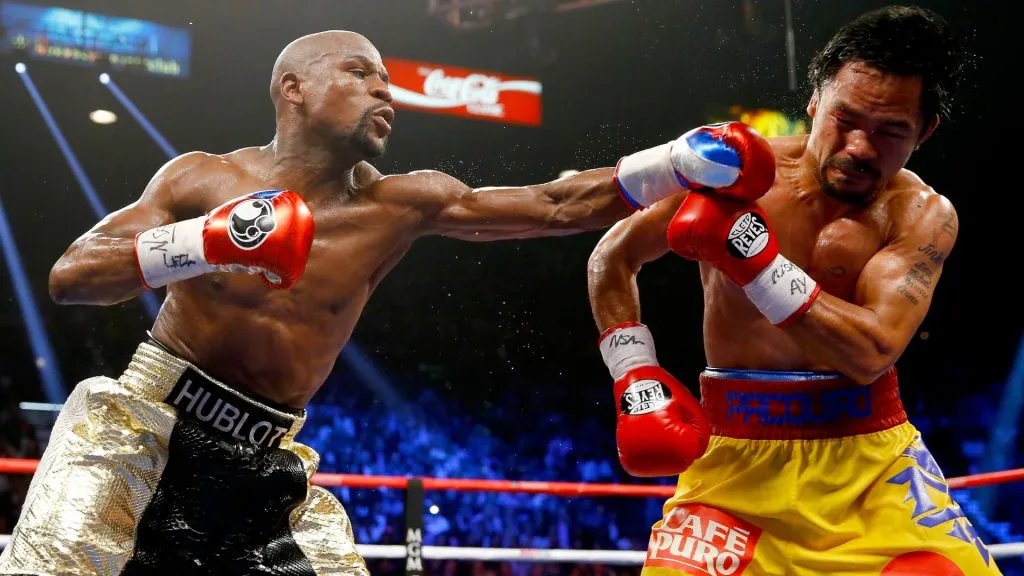
Floyd Mayweather Jr. throws a left at Manny Pacquiao during their welterweight unification championship bout on May 2, 2015. (Source: Al Bello/Getty Images)
For example, the Mayweather vs. Pacquiao fight generated approximately $500 million in total revenue, with significant portions coming from PPV sales. Sponsorships also play a role; during the same fight, Tecate paid $5.6 million for lead sponsorship rights, highlighting the lucrative nature of brand partnerships in boxing.
Fighter guarantees
Beyond potential earnings from PPV and sponsorships, fighters often secure guaranteed purses to ensure compensation regardless of a fight’s financial success.
These guarantees can be substantial; Floyd Mayweather had a guaranteed purse of $100 million for his fight against Conor McGregor, with total earnings reportedly reaching up to $400 million based on the event’s performance.
Such guarantees provide fighters with financial security and reflect their negotiating leverage in the sport’s high-stakes environment, according to sources like BoxRec and Guinness World Records.