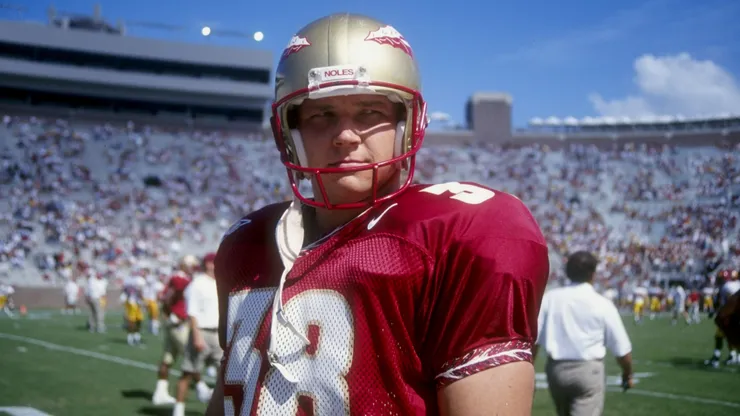
Florida State’s legacy is stitched together by icons who turned Tallahassee into a powerhouse. From thrilling Saturdays in Doak Campbell to unforgettable championship runs, they have produced legends that shaped college football.
Each era brought its own heroes—dominant defenders, electrifying playmakers and steady leaders under pressure. Together, they built a tradition that continues to echo across generations, marking milestones that still define the program’s reputation.
Behind the titles and trophies lies a story of grit, brilliance, and moments that lifted the Seminoles into national prominence. The following names stand as the pillars of FSU history, leaving a mark impossible to erase.
Deion Sanders
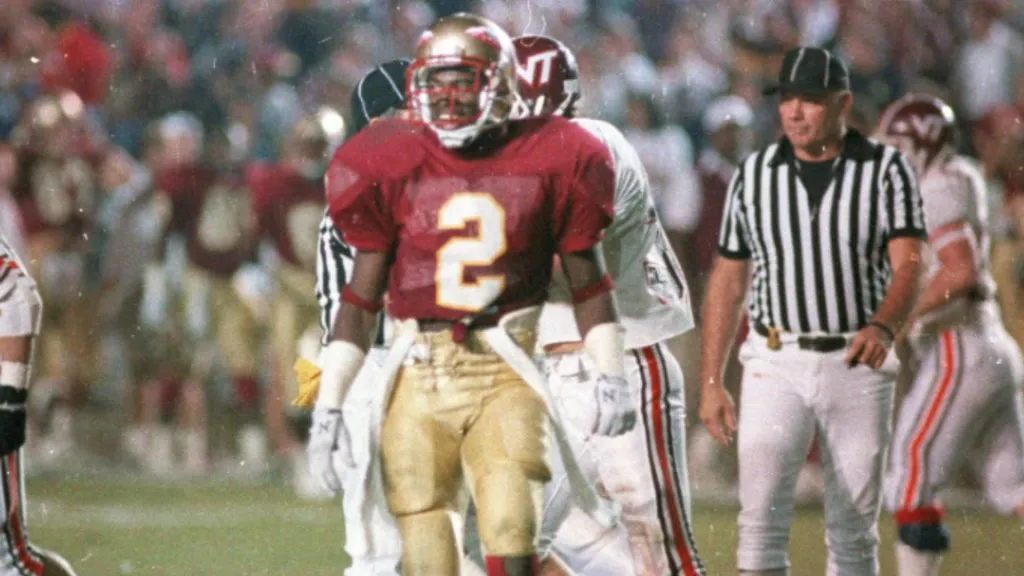
Deion Sanders (Source: NCAA)
“Prime Time” wasn’t just a flashy nickname — Deion Sanders embodied the very definition of a game-changer at Florida State. From the moment he stepped onto the field, he was a weapon in every phase: a lockdown corner, a lethal punt returner, and a natural showman who electrified Tallahassee.
Over his career, he racked up 14 interceptions and more than 1,400 punt return yards with three touchdowns. He captured the Jim Thorpe Award in 1988, sealing his place as the nation’s top defensive back.
But the numbers only tell half the story. His knack for stepping up in clutch moments — like the late interception against Auburn in the 1989 Sugar Bowl — became the stuff of Seminole folklore. He wasn’t just an athlete; he was a highlight reel in motion, and his legacy still defines the swagger of Florida State football.
Peter Warrick Jr.
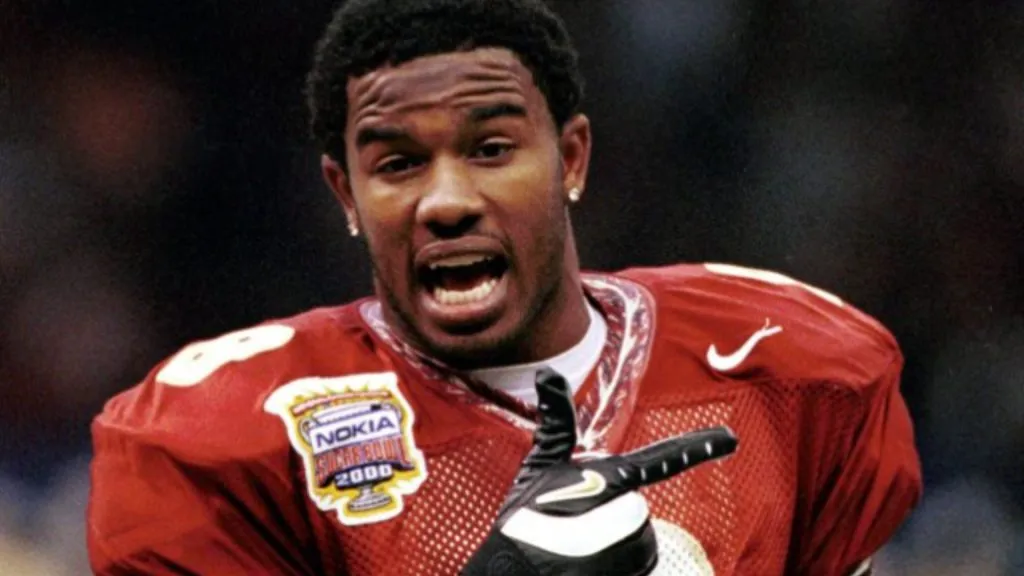
Peter Warrick Jr. (Source: UPI)
Few players in Seminole history could flip a game on its head the way Peter Warrick did. A dazzling wideout and dangerous punt returner, he became the face of Bobby Bowden’s powerhouse teams of the late 1990s.
His senior year in 1999 was unforgettable: FSU went wire-to-wire as the nation’s No. 1 team, capped by a Sugar Bowl win where he earned MVP honors with over 160 receiving yards, three total touchdowns, and a punt return that broke open the game.
Though his Heisman campaign was derailed by a high-profile off-field incident, his on-field brilliance remains undeniable. He finished his career with 32 receiving touchdowns, still among the program’s all-time best, and his explosiveness helped define an era when Florida State was at the peak of its dominance.
Terrell Buckley
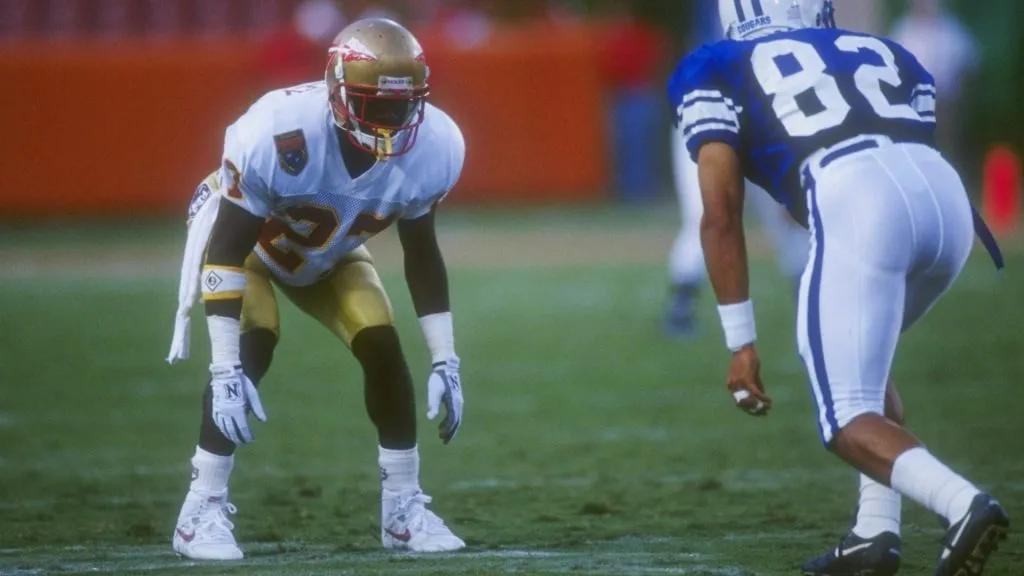
Terrell Buckley of the Florida State Seminoles in 1991. (Source: Stephen Dunn /Allsport)
If there was ever a Seminole who could sniff out the football better than anyone else, it was Terrell Buckley. Between 1989 and 1991, he became one of the most feared cornerbacks in college football, amassing a school-record 21 interceptions and setting the NCAA record with 501 career interception return yards.
In 1991, he captured the Jim Thorpe Award, validating his reputation as the premier defensive back in the country. But he was more than a shutdown corner — his speed and instincts made him a dangerous punt returner, and he scored multiple defensive touchdowns that swung momentum in FSU’s favor. His jersey number was retired, a permanent reminder that Buckley wasn’t just great, he was generational.
Charlie Ward
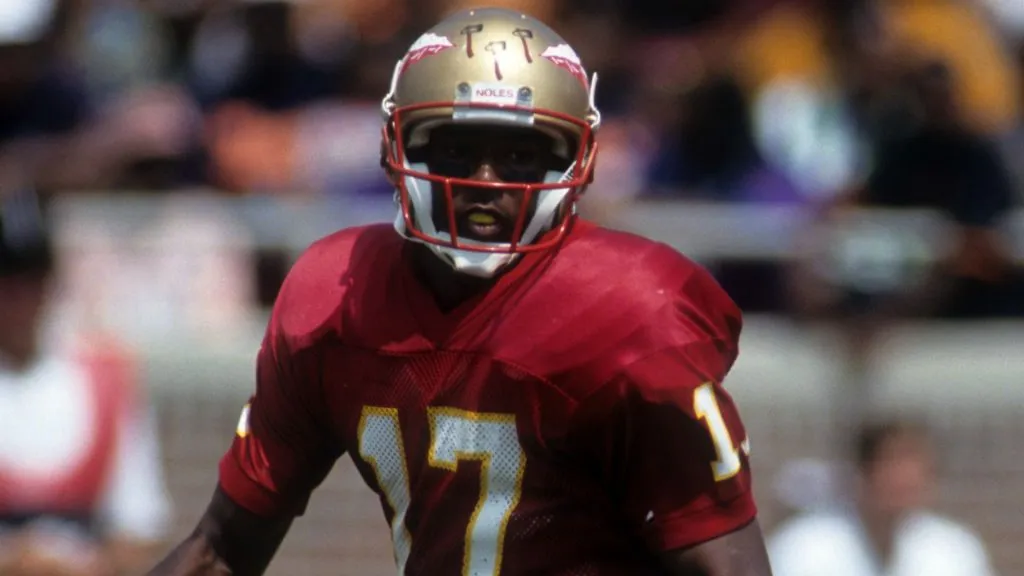
Charlie Ward #17 of the Florida State Seminoles in 1993. (Source: Scott Halleran/Getty Images)
The first Heisman Trophy winner in Florida State history, Charlie Ward is remembered not just for what he did, but for how he carried himself. In 1993, he delivered a season for the ages: completing nearly 70% of his passes, throwing for more than 3,000 yards, and tallying 27 touchdowns against only four interceptions. That campaign ended with FSU’s first national championship, a milestone that changed the trajectory of the program forever.
His story is also unique because he doubled as a star point guard for the Seminole basketball team. Balancing two sports at the highest level, he brought poise, leadership, and calm under pressure that became his signature.
His Heisman season was more than individual glory — it was a breakthrough moment for Florida State football, proving that the Seminoles could stand shoulder to shoulder with the nation’s elite.
Chris Weinke
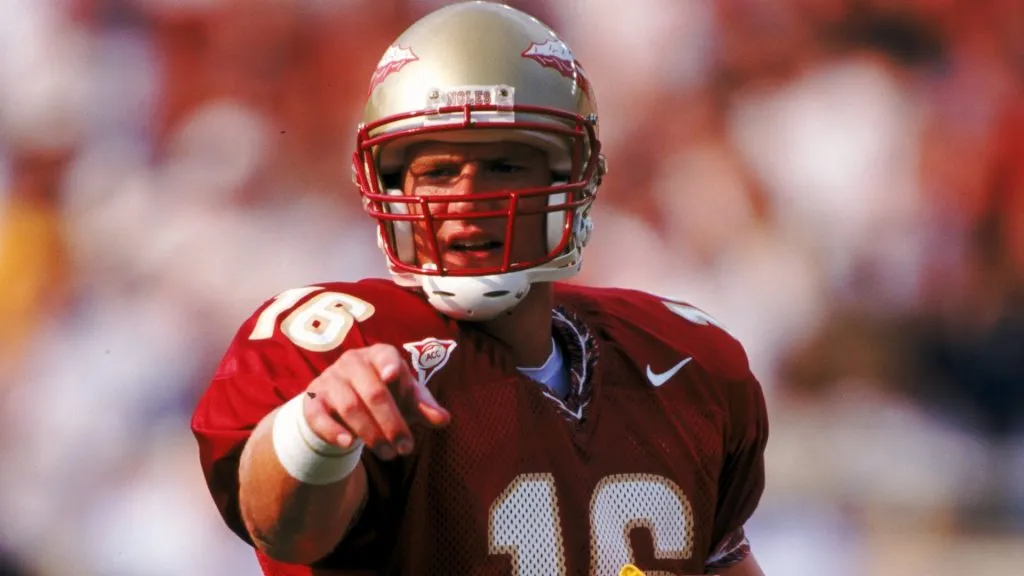
Chris Weinke #16 of the Florida State Seminoles points on the field in 1999. (Source: Getty Images)
Chris Weinke’s road to stardom didn’t follow the usual script. After a stint in professional baseball, he returned to college football as a 25-year-old freshman, older than many teammates. Yet he quickly proved himself indispensable, becoming one of the most prolific passers in school history. From 1997 to 2000, he threw for nearly 10,000 yards and 79 touchdowns, both school records at the time.
He led Florida State to a perfect season and national title in 1999, then claimed the Heisman Trophy in 2000, making him the oldest winner in the award’s history. That final campaign also saw him lead the nation in passing yards and secure the Davey O’Brien and Johnny Unitas awards. His mix of experience, composure, and arm talent made him a unique figure — a late bloomer who rose to the very top of college football.
Sebastian Janikowski
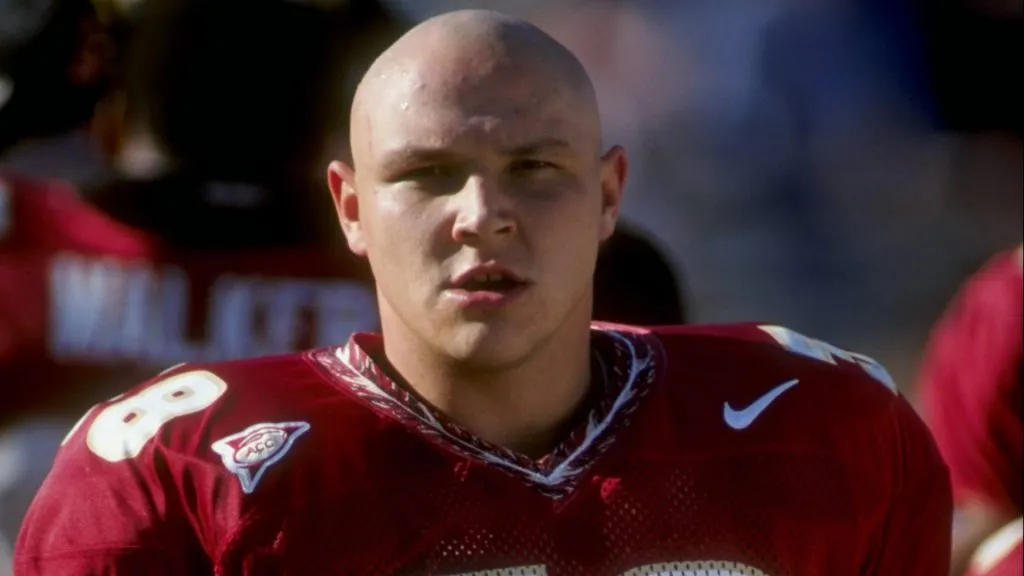
Sabastian Janikowski #38 of the Florida State Seminoles in 1998. (Source: Scott Halleran /Allsport)
Nicknames rarely fit as perfectly as “Seabass” did for Sebastian Janikowski. Known for his booming left leg, the Polish-born kicker turned special teams into a weapon at Florida State. Over just three seasons, he scored 324 points, a mark that placed him among the top scorers in school history. Even more impressive, he remains the only kicker to win the Lou Groza Award twice, in 1998 and 1999.
His kickoffs were legendary — often sailing out of the end zone, neutralizing opponents before they had a chance to return the ball. In big games, like the 2000 Sugar Bowl victory over Virginia Tech, his field goals and consistency provided the cushion Florida State needed.
Ron Simmons
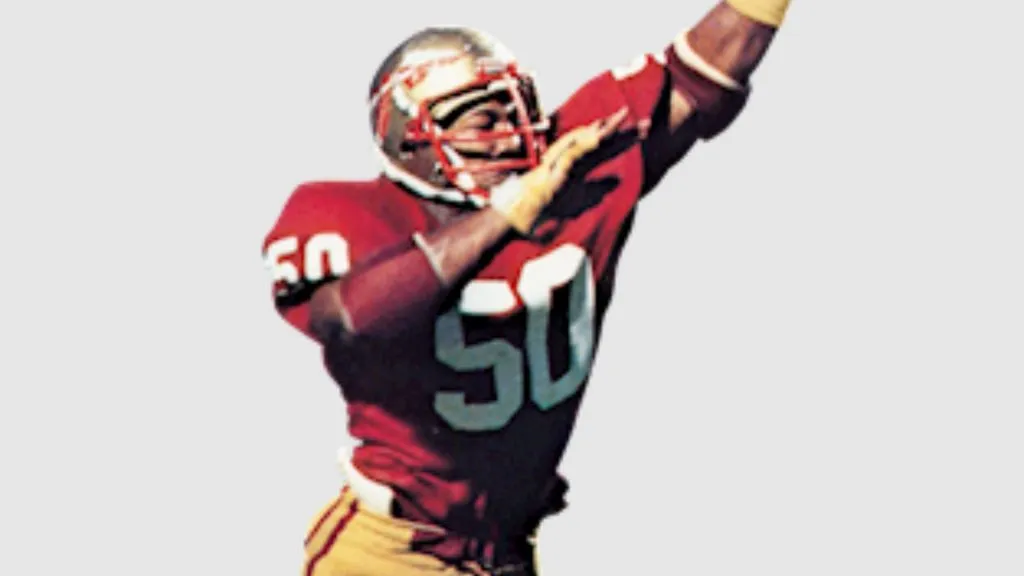
Ron Simmons (Source: College Football Hall of Fame)
When Florida State needed a foundation, Ron Simmons became the foundation. Playing from 1977-1980 as a defensive nose guard under Bobby Bowden, he anchored the defensive line with brute strength and disruptive play. He earned consensus All-American honors in 1979 and 1980, was a key figure in FSU’s ascendance (39-8 record in his tenure), and helped take the Seminoles to back-to-back Orange Bowls in his junior and senior seasons.
What sets he apart isn’t just his stats (though they are impressive: school records for season and career sacks at times, a retired jersey number, and eventual induction into the College Football Hall of Fame).
It’s that he embodied turning-point moments: gritty, interior defensive dominance that few saw because they were buried in trenches. In a program where flashy plays often get the headlines, Simmons was the unsung torque that held games together.
Jameis Winston
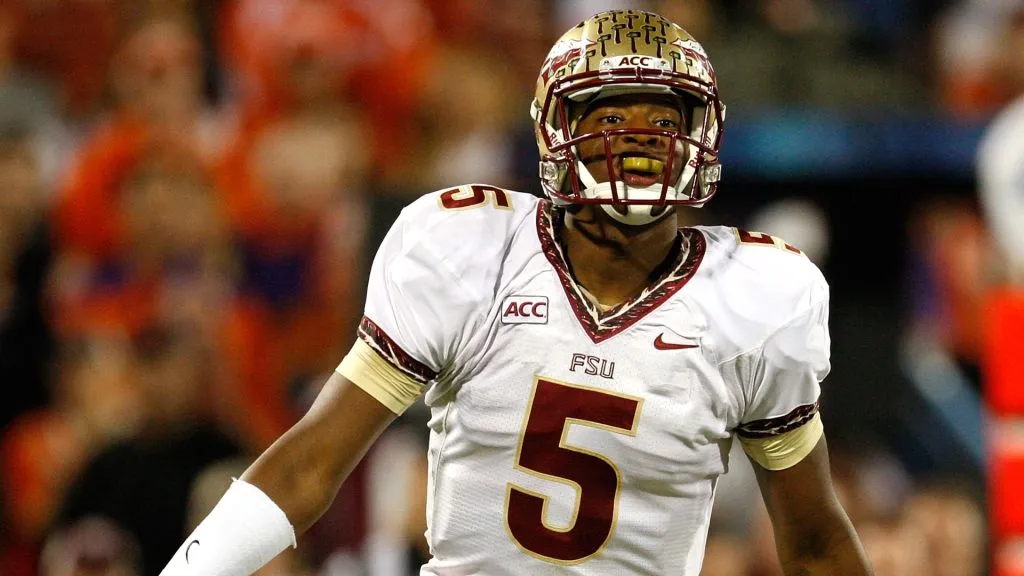
Jameis Winston #5 of the Florida State Seminoles calls a play in 2013. (Source: Tyler Smith/Getty Images)
In the modern era, few Seminoles have left a mark as large, as immediate, and as controversial as Jameis Winston. Bursting onto the scene in 2013, he as a redshirt freshman quarterback led Florida State to a national championship, posted a 13-0 regular season, and swept almost every major individual award — Heisman, Walter Camp, Davey O’Brien, Manning, AP Player of the Year — declaring himself among college football’s elite overnight.
Over just two seasons, he threw for 7,964 yards and 65 touchdowns, while compiling a 26-1 record as a starter. He set the ACC’s career efficiency record, and his performances in high-stakes games — keep in mind, he was always under the bright lights — cemented his legend in Tallahassee. His jersey has since been retired by FSU, a symbol that his impact is considered permanent.
Warrick Dunn
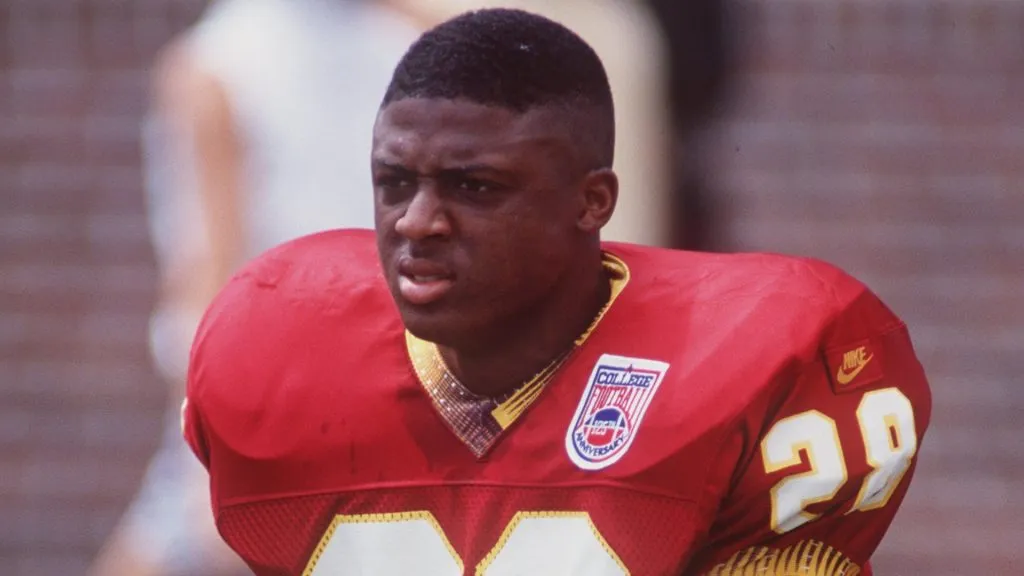
Warrick Dunn (Source: Scott Halleran/ALLSPORT)
Warrick Dunn’s Seminole career was a masterclass in balance between consistency, explosiveness, and humility. From 1993 to 1996, he rushed for 3,959 yards and 37 touchdowns on 575 carries, while also catching 132 passes for over 1,300 yards and 12 more scores. He was the first player in FSU history to rush over 1,000 yards in three separate seasons.
Beyond statistics, what stands out is his knack for doing a bit of everything. He wasn’t just the workhorse runner — he was versatile: catching the ball, passing occasionally (halfback option), contributing in special teams, and delivering in big games.
He helped capture the 1993 national title as a freshman. Also, his career average — nearly 7.0 yards per carry over his Seminole tenure — speaks of explosiveness whenever he touched the ball.
E. G. Green
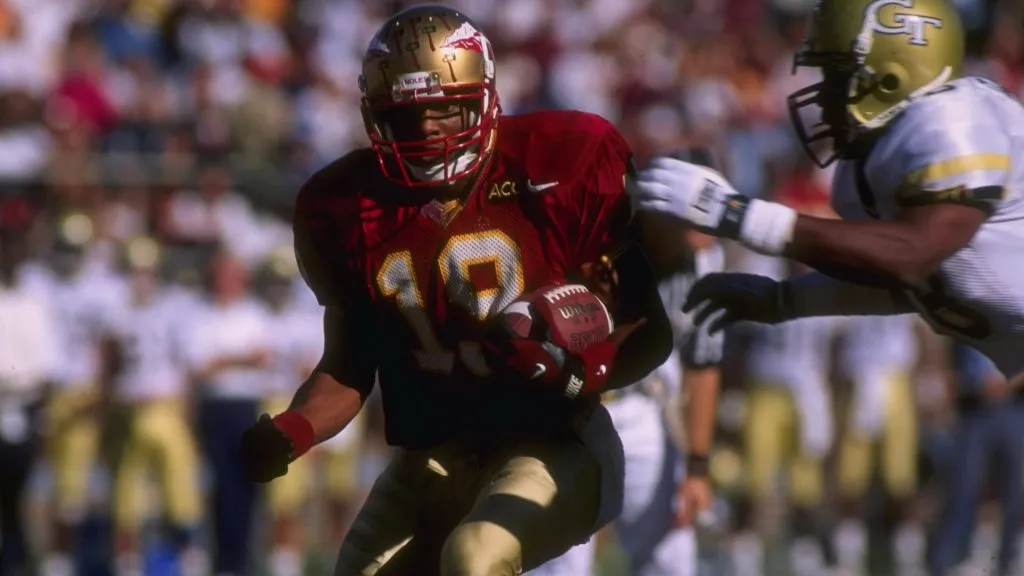
E. G. Green (Source: Allsport – Getty Images)
E. G. Green may not always be the first name people recall in FSU lore, but his career demands respect. A dynamic wide receiver from 1993-1997, he had a standout senior year in ‘97: over 1,000 receiving yards (1,059), 11 touchdowns, First-team All-ACC, and a Second-team All-American nod.
He left FSU as the school’s all-time leader in receiving touchdowns (29), and during his time the Seminoles amassed a record of 56-6-1 — golden years in the program. While his post-college NFL impact was modest compared to some of his teammates, his time in Tallahassee contributed to Florida State’s wide-receiver tradition and its reputation for deep, reliable pass catchers.
LeRoy Butler
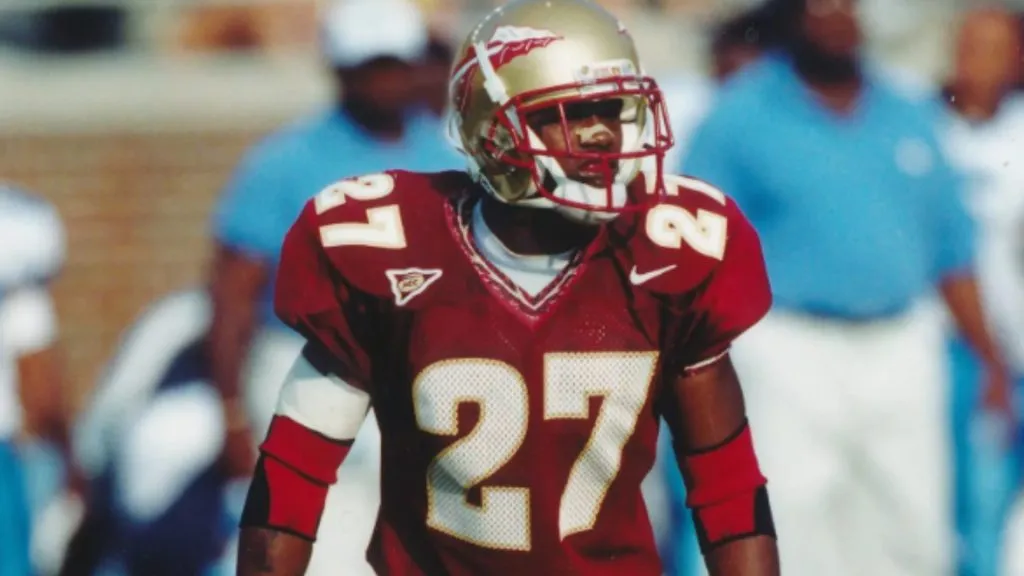
LeRoy Butler (Source: Semioles.com)
LeRoy Butler is often better known for his NFL career in Green Bay and for inventing the “Lambeau Leap,” but his roots at FSU lay the groundwork for the kind of play that made him famous. At Florida State, he played in the defensive secondary, showing the instincts, speed, and playmaking that later transformed him into one of the NFL’s premier safeties.
But it is not just what he did in the pros; his time at Florida State reflected the same leadership and competitive fire. He was part of the roster that navigated the ACC and national rankings with consistency, and his development there made him ready for the next level.
His later honors in the NFL are often discussed — interceptions, impact plays, Pro Bowls — but to see him as an all-time great Seminole is to appreciate those moments when he was still growing, still sharpening, still embodying the standard.
Danny Kanell
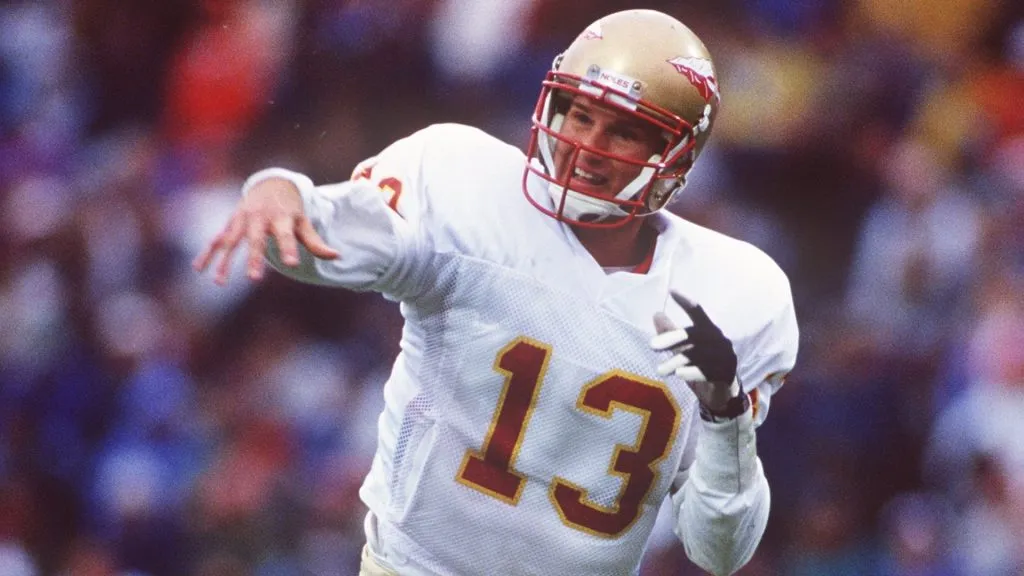
Danny Kanell (Source: Doug Pensinger/ALLSPORT)
Danny Kanell is one of those players whose brilliance came during critical moments rather than gaudy career totals. A quarterback for FSU in the early-1990s, Kanell had to follow the trail blazed by Charlie Ward, taking snaps at a time when Seminole expectations were high.
Though his NFL career was more journeyman than superstar, at Florida State he delivered in pressure games, earned respect for decision-making, leadership, and for helping bridge eras of great quarterbacks.
His place among FSU legends comes from what he represented: the continuity of high performance, arms-length from the Heisman glitz but deep inside the war-room of coaches’ trust. He may not hold as many record books entries as some others, but he held together teams, made big throws, and left a legacy of being a steady hand when things got tough.
Anquan Boldin
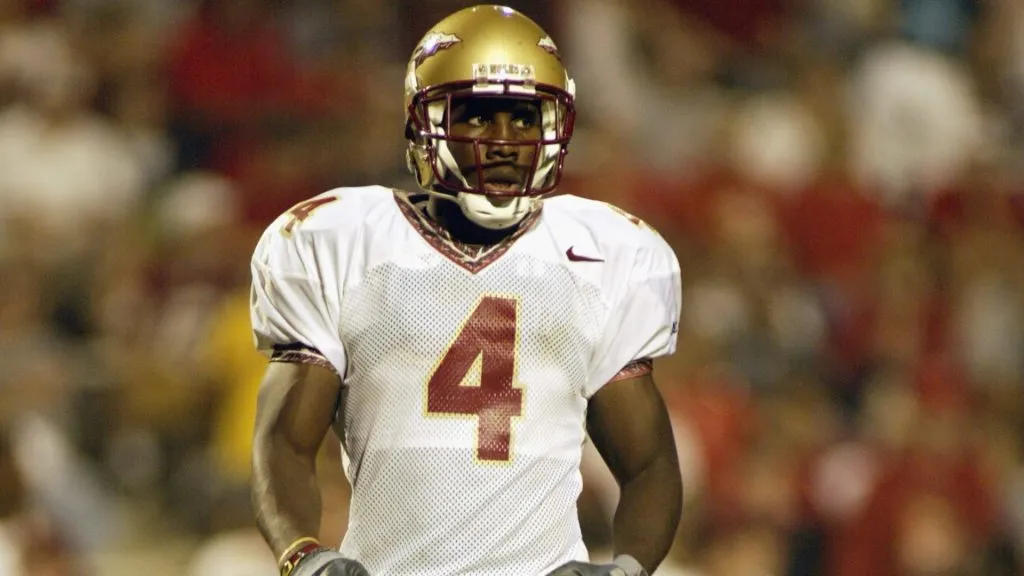
Anquan Boldin (Source: Scott Halleran/Getty Images)
Anquan Boldin’s name rings with durability, toughness, and clutch performance — both at Florida State and in the NFL. At FSU, he was not just another receiver; he was physical, urgent, reliable, someone defenses had to account for every play. His presence forced defensive plans to adjust, open up opportunities for teammates, and deliver when stakes were high.
In college, he showed flashes of what would become his pro trademark: an ability to catch anything thrown his way, make yards after catch, fight through contact, and perform in adverse conditions.
Darnell Dockett
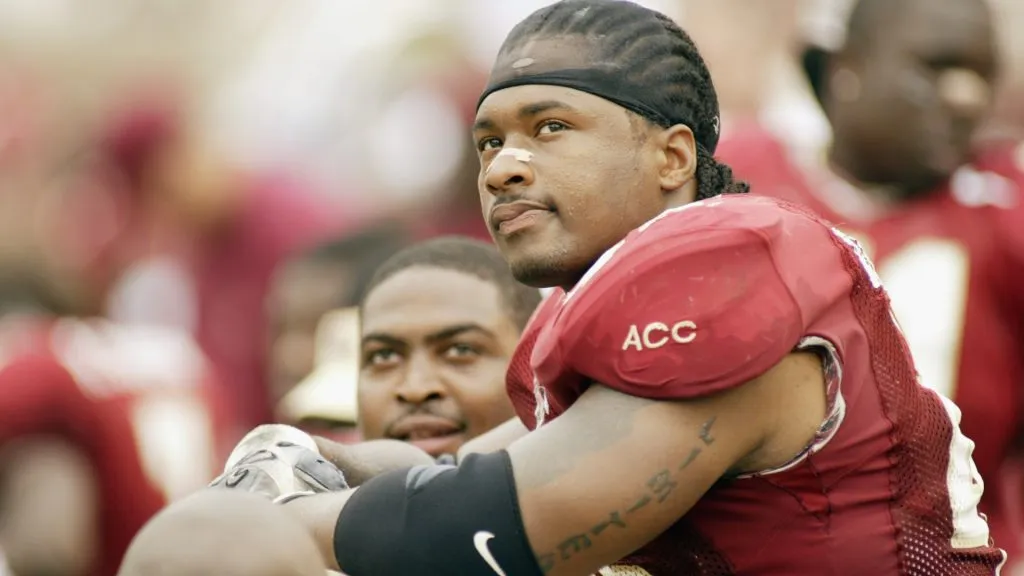
Darnell Dockett (Source: Scott Halleran/Getty Images)
Darnell Dockett arrived in Tallahassee as a promising prospect and quickly became a nightmare for opposing offensive lines. In his first active season (2000), he started the last ten games and posted 66 tackles—leading the team as a freshman—along with 19 tackles for loss, seven sacks, and relentless pressure on quarterbacks.
With each season, his impact only grew: he broke school records, became a constant target for double-teams, yet still managed to make big plays. By the end of his college career, he had piled up numbers few in FSU history could match—248 tackles, 65 tackles for loss, and 10.5 sacks.
What distinguished Dockett was his rare blend of raw power and agility, his ability to dismantle interior blocks, plug gaps, and create havoc from the defensive tackle spot. In the biggest games, his presence often dictated how opponents approached their entire game plan.
Andre Wadsworth
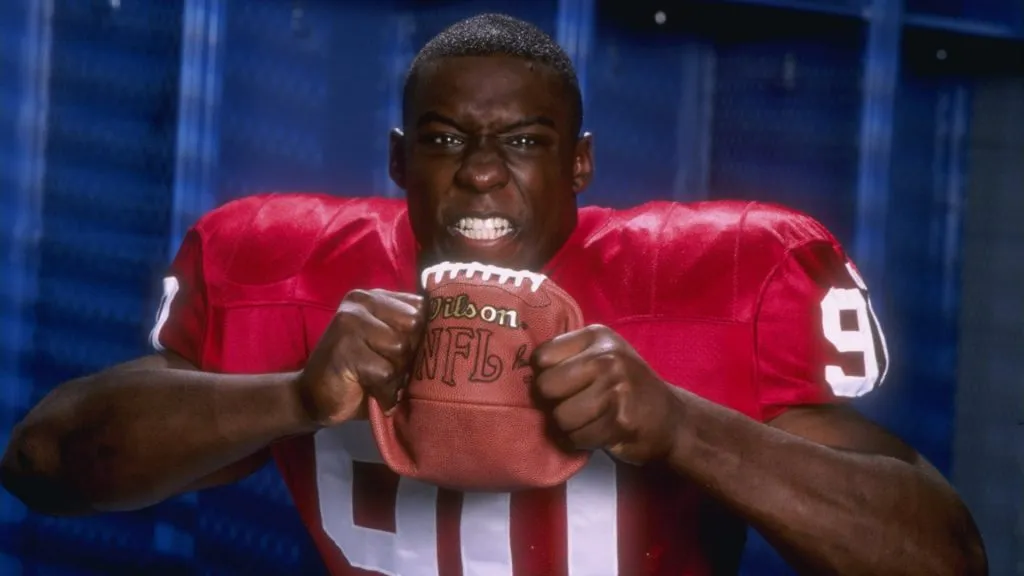
Andre Wadsworth (Source: Al Bello /Allsport)
Andre Wadsworth was the kind of defensive player who raised the stakes every time he took the field. In his final season with the Seminoles, he became one of the most dominant forces in the country. Named ACC Defensive Player of the Year in 1997, he closed his career with around 233 tackles, 23 sacks, and numerous tackles for loss—numbers that placed him immediately among FSU’s all-time greats.
What set him apart was how he finished: explosive, overwhelming, demanding double teams, and still finding ways to create chaos. His dominance was recognized nationally when he became the No. 3 overall pick in the 1998 NFL Draft, the highest draft slot ever for a Seminole at that time.
Jalen Ramsey
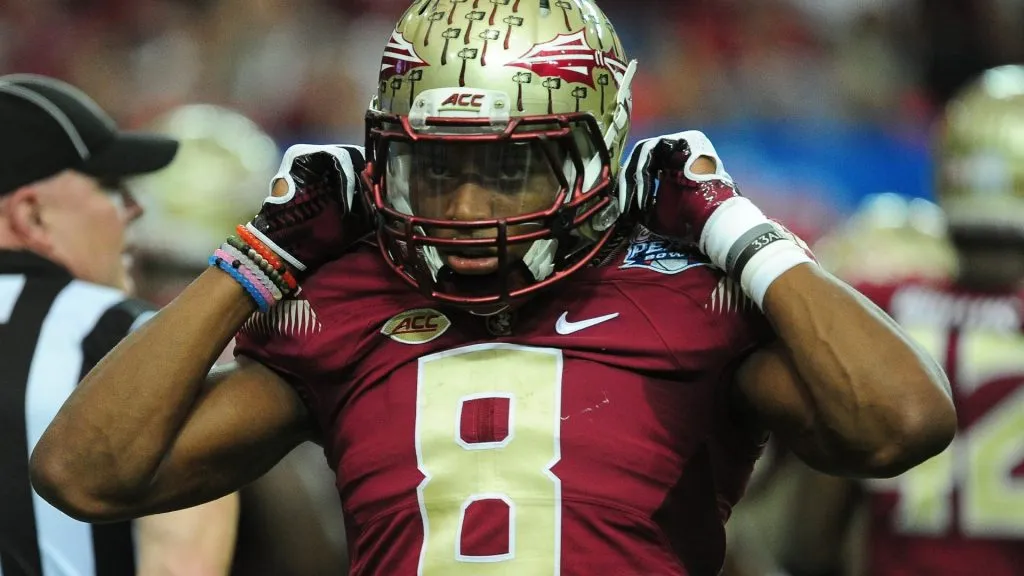
Jalen Ramsey (Source: Scott Cunningham/Getty Images)
If you’re looking for someone who combined youth with instant impact, Jalen Ramsey is the prototype. As a freshman in 2013, he started all 14 games at cornerback—the first true freshman to do so at FSU since Deion Sanders—while helping lead Florida State to the national championship.
Across his three seasons, he produced a balanced stat sheet: interceptions, passes defended, key tackles, forced turnovers, and big returns. By his final year, he was a consensus All-American.
Jordan Travis
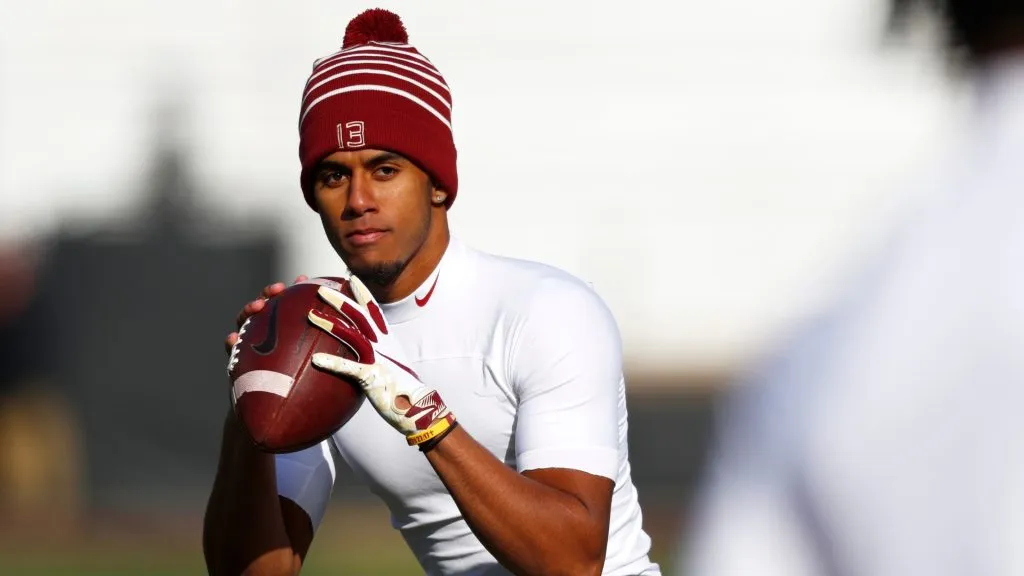
Jordan Travis (Source: Omar Rawlings/Getty Images)
Jordan Travis stands out on this list because his legacy is so recent, defined by wins, records, and—unfortunately—a devastating injury that cut short what could have been even greater. In his Seminole career, he played 49 games, started 38, threw for nearly 8,715 yards with 66 touchdowns to 20 interceptions, and added close to 2,000 rushing yards with 31 rushing scores.
In 2023, he emerged not only as the offensive leader but also as a Heisman contender, guiding the team through high-pressure moments with the kind of dual-threat skill set modern football demands—both arm and legs. While the program wrestled with transition, Travis restored belief that FSU could once again compete at the highest level.
Lee Corso
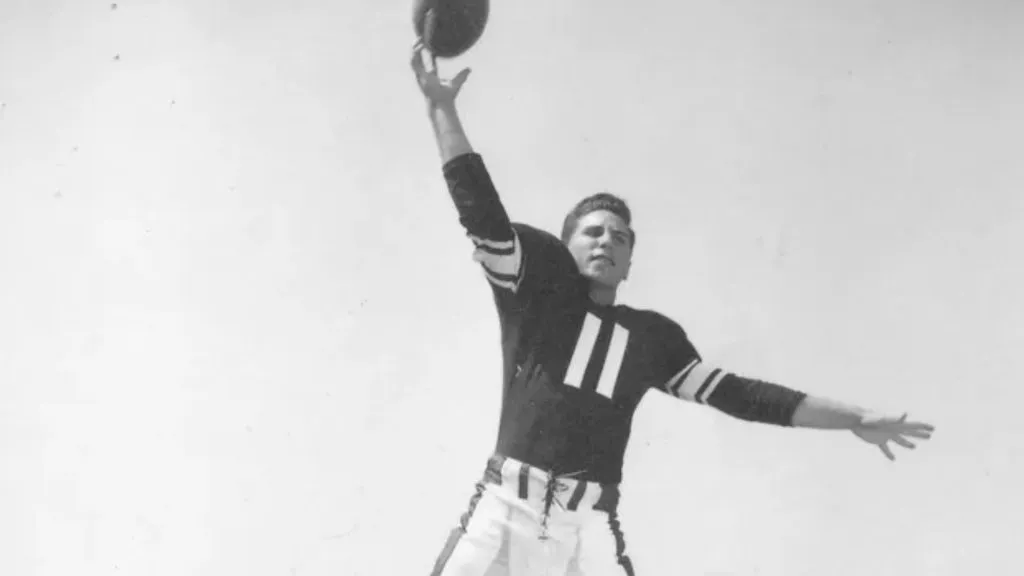
Lee Corso (Source: tallahassee.com)
Before becoming the beloved face of college football Saturdays on TV, Lee “Sunshine Scooter” Corso was one of the first multifaceted figures in FSU history. Playing in the 1950s, he contributed on both offense and defense, leaving marks that took decades to be matched.
Among his standout achievements: leading the team in interceptions (14), a school record until Deion Sanders tied it years later; leading in rushing yards one season; and in another, leading in pass completions. He handled offense, defense, and return duties—a level of versatility almost unheard of today.
His legacy isn’t measured by modern stats but by history itself—how he helped forge the Seminoles’ identity as a program that expects its players to do it all. His evolution from player to coach to charismatic broadcaster has kept his name woven deeply into FSU’s story.
Reinard Wilson
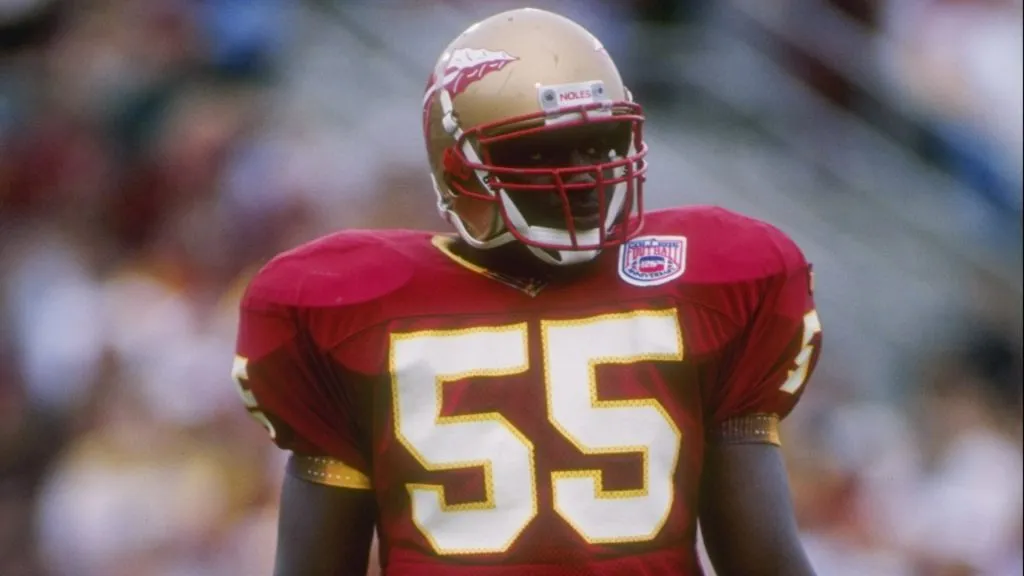
Reinard Wilson (Source: Getty Images)
Reinard Wilson was the kind of defensive end whose quiet ferocity made offensive tackles think twice before even snapping the ball. Playing at Florida State from 1993 to 1996, he developed into one of the most lethal pass rushers in Seminole history. As a senior in 1996, he led the team with 105 total tackles and 13.5 sacks, earning consensus All-American honors.
Over his collegiate career, he amassed 35.5 sacks, a school record, all while anchoring defenses that backed championship runs — including FSU’s first consensus national title in 1993.
Clay Shiver
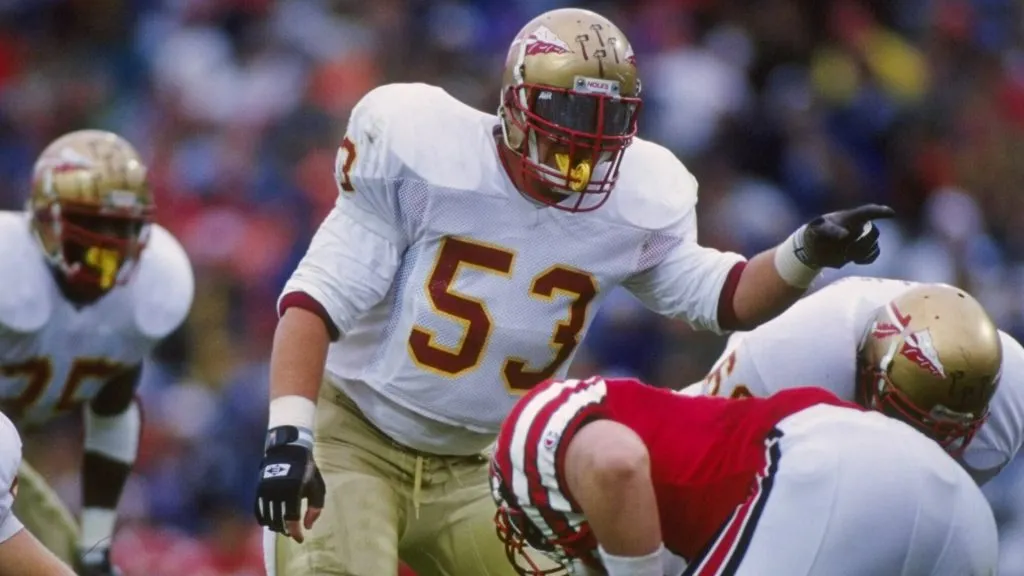
Clay Shiver (Source: Doug Pensinger/Allsport)
Clay Shiver was the unsung anchor of FSU’s offensive line in the early-to-mid 1990s — maybe less flashy than skill position stars, but no less essential. A center and guard, he was part of the 1993 national championship squad, snapping in shotgun for Charlie Ward and giving up just half a sack over 700 snaps that championship season.
He earned the Jacobs Blocking Trophy twice (1994, 1995) as the ACC’s premier blocker, was named a consensus All-American in 1995, and helped FSU’s offense become one of the most efficient in the country. His consistency, toughness, and ability to execute under pressure are what made him a stabilizer in an offense loaded with weapons.
Dalvin Cook
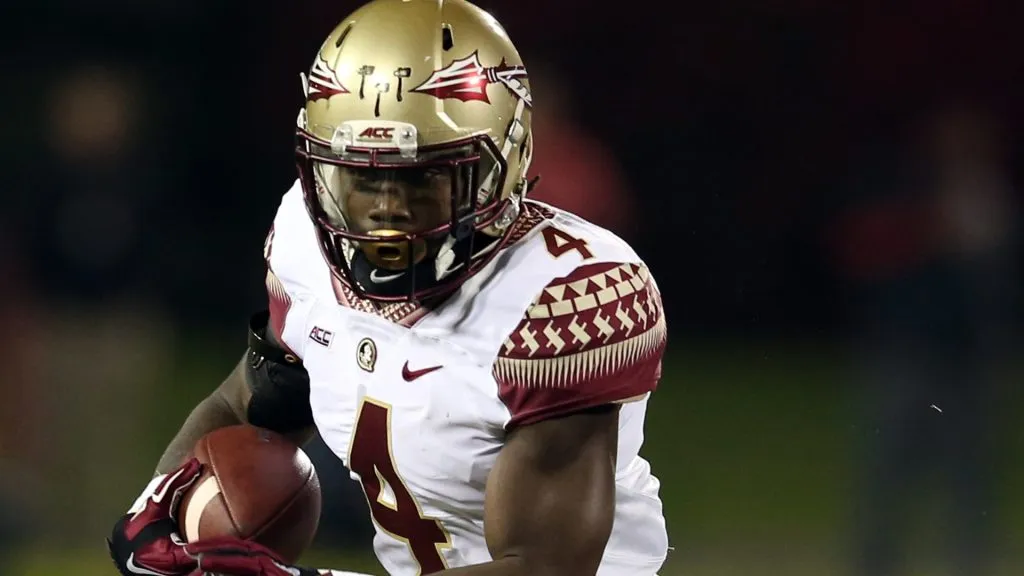
Dalvin Cook (Source: Andy Lyons/Getty Images)
Dalvin Cook arrived in Tallahassee as a spark plug and left as one of the most productive backs in Seminole history. He burst onto the scene as a true freshman in 2014 (1,008 rushing yards) and followed with monster seasons in 2015 (≈1,691 yards) and 2016 (≈1,765 yards), ultimately finishing his FSU career with 4,464 rushing yards and 46 rushing touchdowns.
He broke Warrick Dunn’s long-standing single-season and career rushing marks and delivered a string of game-changing performances — the kind of explosive, north-south runs and broken tackles that turned third-and-long into first downs and bowl nights into highlight reels.
Jamal Reynolds
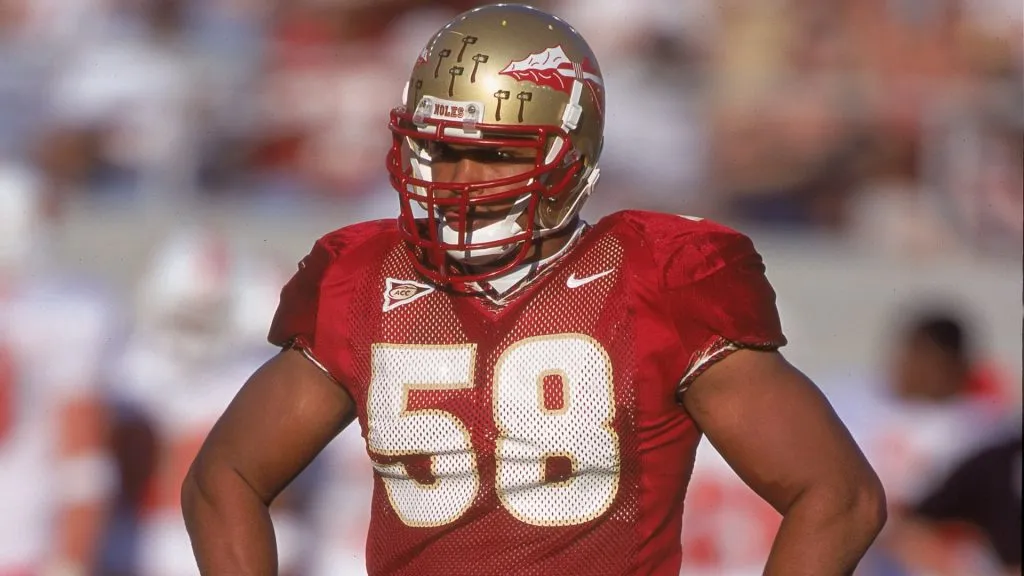
Jamal Reynolds (Source: Scott Halleran /Allsport)
Jamal Reynolds was a classic game-wrecker off the edge: violent first step, motor that never quit, and a senior season that announced him to the nation. In 2000 he piled up 12 sacks and 58 tackles, earned unanimous All-American honors, and won the Lombardi Award as the country’s top lineman. His pressure was a major ingredient in FSU’s late-90s success — he helped close out the 1999 title run and left Tallahassee as one of the most feared pass rushers of his era.
Marvin Jones
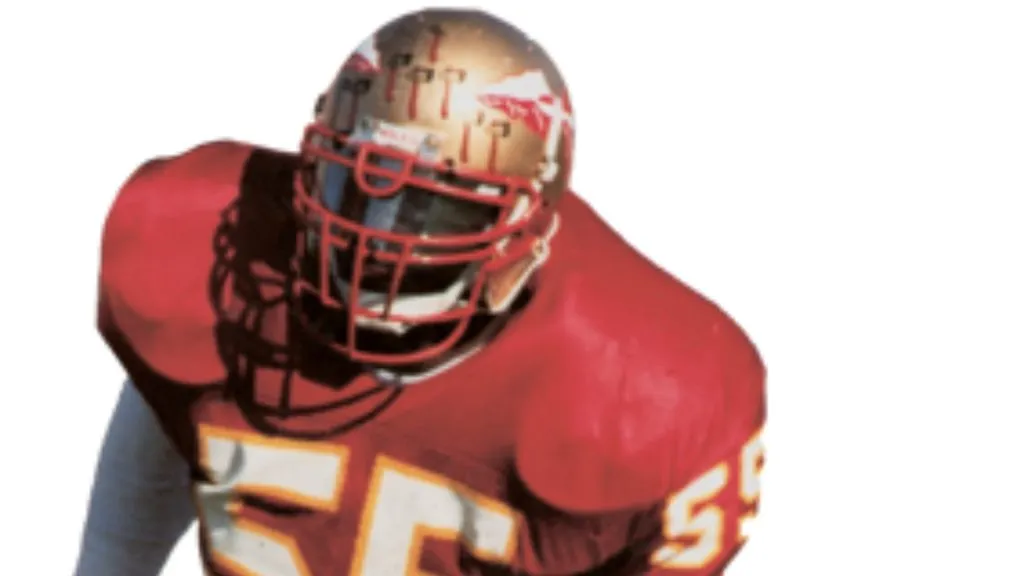
Marvin Jones (Source: College Football Hall of Fame)
Marvin “Shade Tree” Jones defined old-school linebacker play: sideline-to-sideline range, bone-crushing tackles, and an instinctive nose for the ball. His 1992 campaign was legendary — 111 tackles, the Butkus Award, the Rotary Lombardi Award, consensus All-American honors, and a fourth-place finish in Heisman voting — proof that he wasn’t just dominant among linebackers, he was one of the nation’s premier players that year. His combination of physicality and football IQ made him the fulcrum of a bruising Seminole defense and a lasting standard for future FSU linebackers.
Devonta Freeman
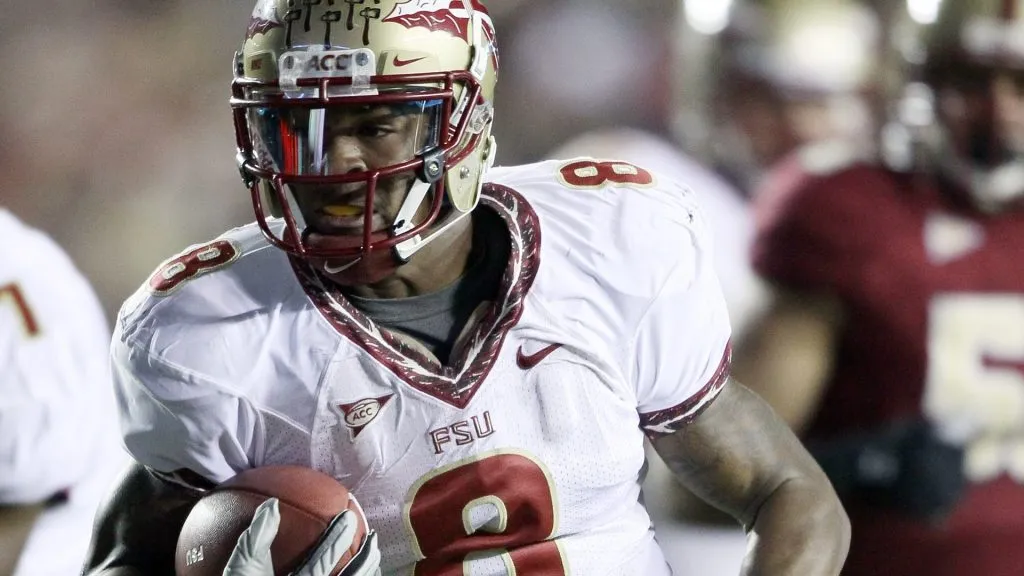
Devonta Freeman (Source: Elsa/Getty Images)
Devonta Freeman is part of the modern Seminole legacy: explosive, versatile, and clutch. Playing from 2011-2013, Freeman led FSU in rushing all three seasons. As a junior in 2013, he broke the 1,000-yard rushing mark (~1,016 yards), the first Seminole to do that since Warrick Dunn in 1996. He also set personal bests in receiving yards and total touchdowns that year, helping guide FSU to the 2014 BCS National Championship.
Even in games where he was sharing carries, Freeman’s burst and ability to contribute as a receiver made him more than just a workhorse runner. He had several highlight performances: back-to-back 100-yard games, key runs in rivalry and bowl settings, and a knack for finding space. His trajectory carried into the NFL, but his time at Florida State cemented him as one of the best in the modern era.
Cam Akers
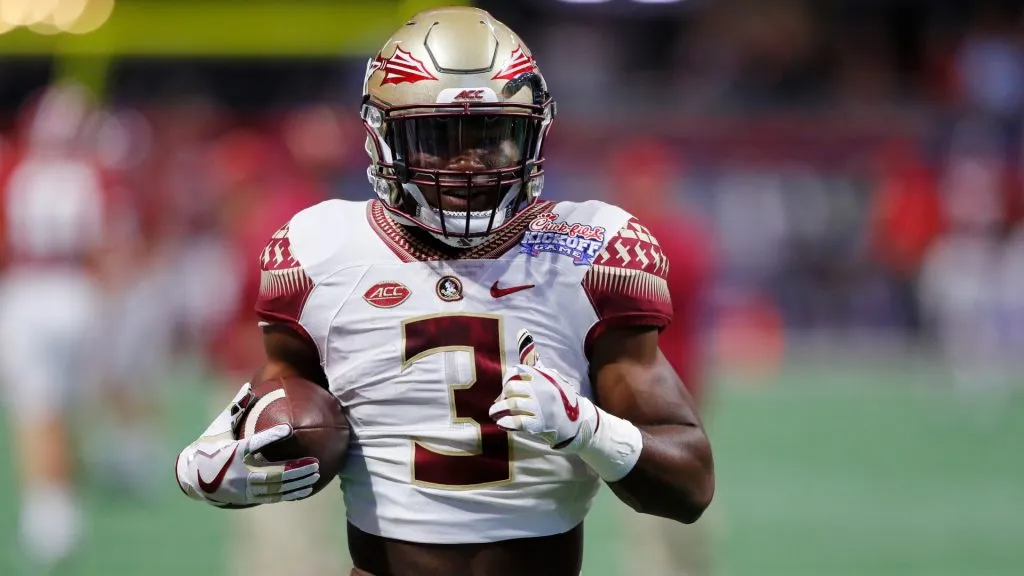
Cam Akers (Source: Kevin C. Cox/Getty Images)
Cam Akers came into FSU as a heralded recruit and immediately began writing his name into the record book. Over three seasons (2017-2019), he rushed for 2,875 yards on 586 carries (about 4.9 yards per carry), scoring 27 rushing touchdowns, and added receiving production on top of that.
His freshman year, he broke the school’s freshman rushing record with 1,024 yards, surpassing Dalvin Cook’s mark. Big-play ability was a hallmark—long runs, touchdowns, and performances in high-pressure games. By his final season, Akers was one of FSU’s leading offensive threats, respected for vision, speed, and finishing ability.