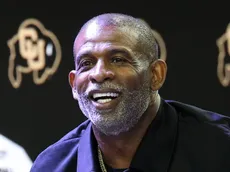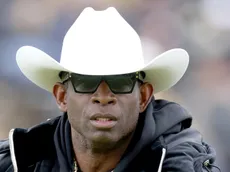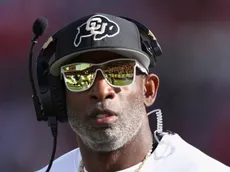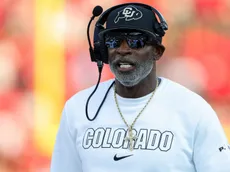
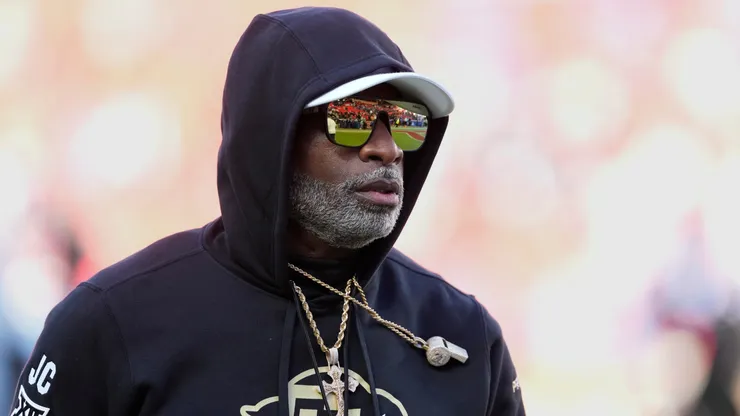
Deion Sanders is one of the most electrifying and charismatic figures in college football, serving as head coach of the Colorado Buffaloes. Following the departure of Shedeur Sanders, who will continue his career with the Cleveland Browns in the NFL, Coach Prime now faces another major topic: the salary cap in college football.
Sanders is a respected voice when it comes to providing a broad perspective on the structure of college football. From his position, he spoke from the Big 12 viewpoint, comparing its financial power to the larger programs in the SEC and Big Ten.
During Big 12 Media Day, Sanders firmly criticized the unchecked financial arms race currently dominating college football. According to the Buffaloes’ head coach, without clear regulation, well-funded programs like Georgia, Alabama, and Ohio State gain significant advantages over their competitors when it comes to recruiting freshman classes.
Sanders’ statement on the salary cap in college football
“I wish there was a cap. The top-of-the-line player makes this, and if you’re not that type of guy, you know you’re not going to make that. That’s what the NFL does. So the problem is, you got a guy that’s not that darn good, but he could go to another school and they give him a half million dollars and you can’t compete with that. And it don’t make sense,” Sanders said.
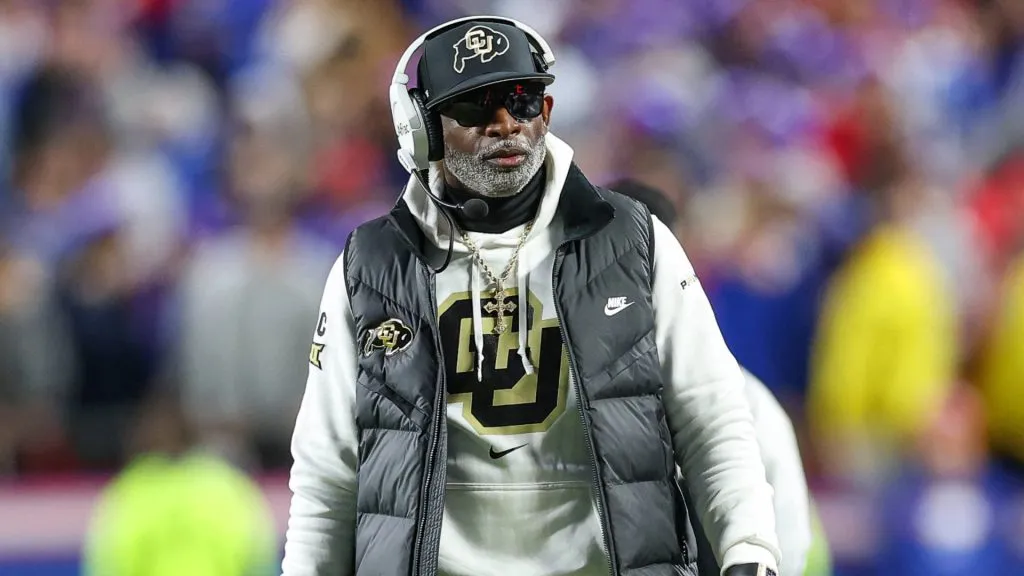
Colorado Buffaloes head coach Deion Sanders walks the field during the two minute warning time out against the Kansas Jayhawks in 2024.
“All you have to do is look at the playoffs and what those teams spend, and you understand darn near why they’re in the playoffs. It’s kind of hard to compete with somebody who’s giving $25 to $30 million to a freshman class. It’s crazy,” Sanders added.

The current situation of the salary cap in college football
On July 1, 2025, a rule went into effect allowing universities to directly distribute up to $20.5 million per year to athletes. This “soft salary cap” is designed to regulate direct institutional payments without fully limiting third-party agreements.