

Since 2014, the college football playoff has served as the ultimate proving ground, a four-team tournament that crowns the national champion. While a small group of elite programs has secured their place nearly every year, the vast majority of FBS schools remain on the outside looking in.
This stringent exclusivity defines a new hierarchy in the sport. Some have hovered near contention, fueled by strong stretches that hinted at a possible jump. Others have navigated coaching changes, talent gaps or conference shifts that slowed their climb.
As the playoff expands and the landscape shifts, some programs remain notable omissions from the bracket. Their continued pursuit adds texture to every season, shaping the broader rhythm of a sport built on long cycles of hope and resurgence.
Troy Trojans
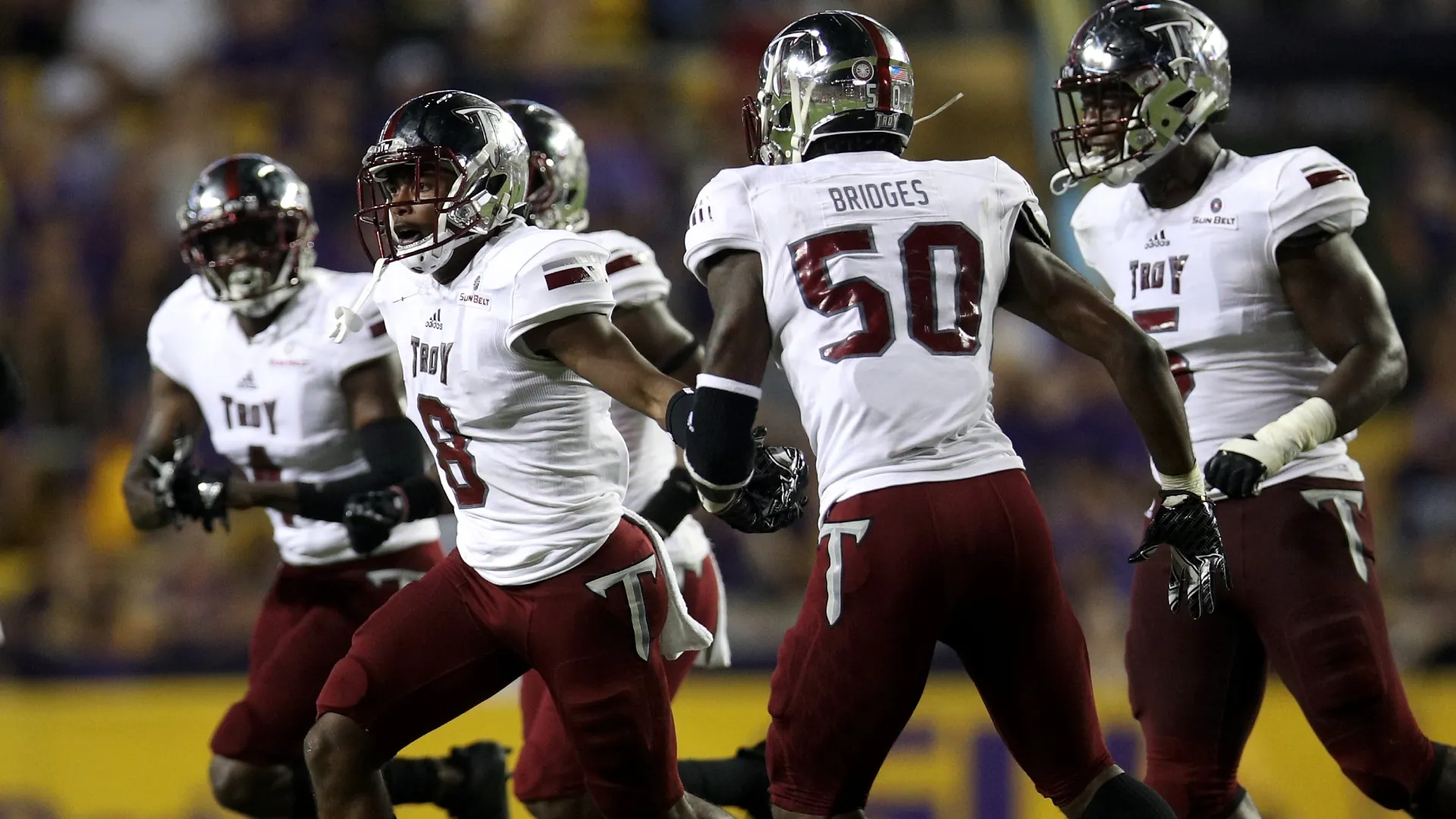
Troy Trojans (Source: Chris Graythen/Getty Images)
Troy’s football story has been one of gradual ascent. The Trojans moved into the FBS ranks in the early 2000s and steadily carved out respectability through conference titles and bowl game appearances.
Despite a strong Sun Belt presence and multiple seasons above .500, including an 11-win campaign in 2022 that earned a CFP ranking for the first time in program history, Troy has never cracked the College Football Playoff field.
Their résumé typically shines within mid-major circles, but has lacked the combination of top-tier wins and conference championship clout the CFP committee prioritizes.
While Troy boasts historical highlights, like going ranked in the CFP poll and capturing Sun Belt hardware, consistent scheduling against elite Power 5 competition remains limited. That contrast underscores why their name is absent from the CFP brackets: strong regional success hasn’t yet translated into signature résumé components needed for a Playoff bid.
Kansas State Wildcats
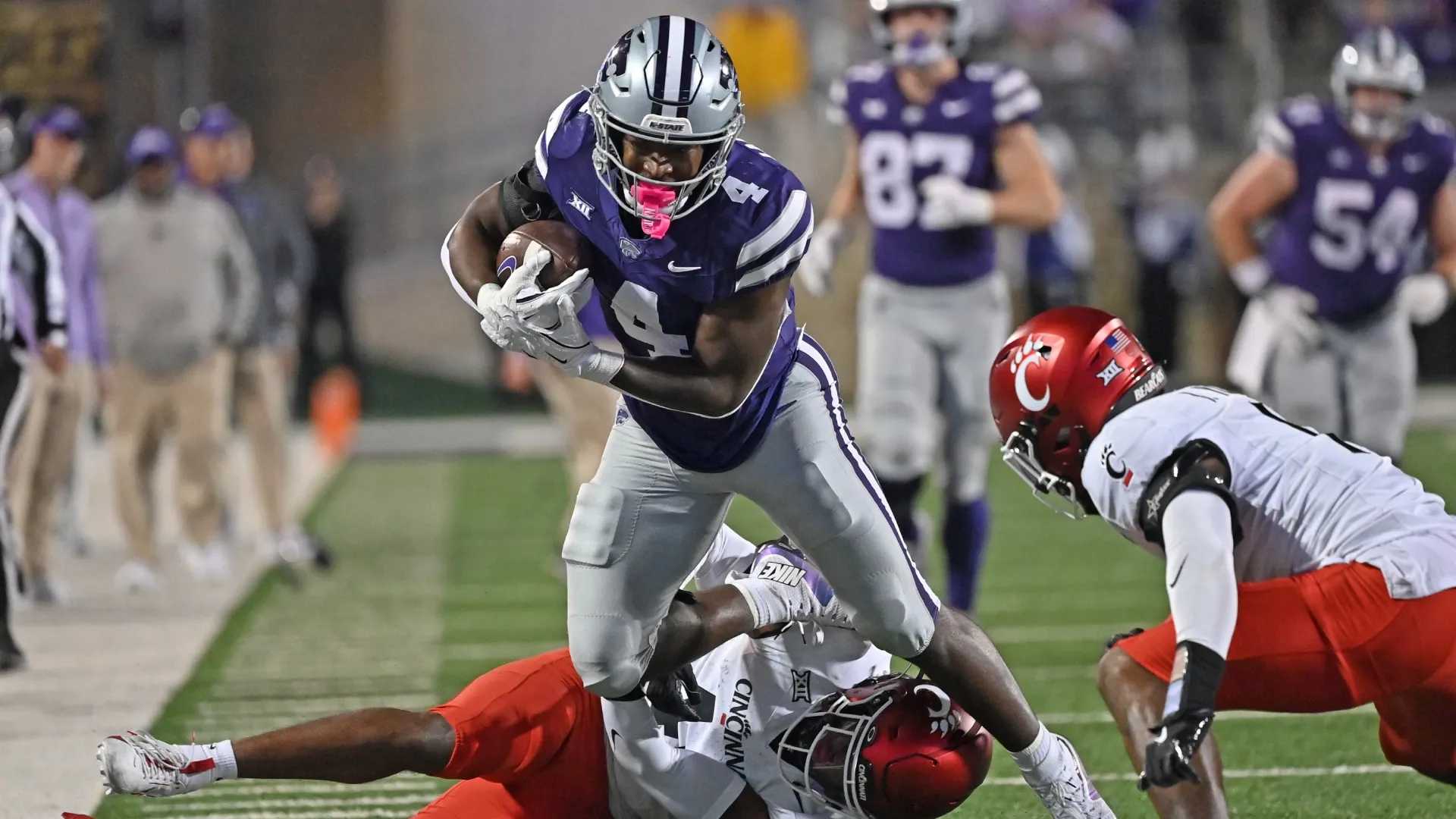
Kansas State Wildcats (Source: Peter Aiken/Getty Images)
Kansas State’s football lineage is full of gritty, combative teams that repeatedly contested Big 12 powerhouses, but the Wildcats have never punched their ticket to the CFP. Under long-time coach Bill Snyder, K-State stunned opponents through disciplined defense and methodical offense across multiple decades.
Yet, even in seasons with double-digit wins and major rankings, they never secured the marquee résumé shift that turns good into Playoff-worthy. The Wildcats’ absence from the CFP isn’t from lack of tradition, K-State regularly vies for division crowns and has beaten ranked foes, but timing and conference chaos often conspired against them.
In high-stakes seasons, a late loss or tiebreaker scenario pushed them out of the elite bracket that the selection committee favors. That persistent narrow miss has kept Manhattan’s purple program waiting on a breakthrough postseason moment.
Florida Gators

Florida Gators (Source: Sam Greenwood/Getty Images)
Florida is one of college football’s historical blue bloods, with a résumé that includes multiple national championships long before the playoff era. Yet the CFP, inaugurated in 2014, has eluded the Gators.
Despite competing in the powerhouse SEC, arguably the sport’s deepest conference, Florida often found itself on the wrong side of key late-season outcomes or swept up in the league’s brutal gauntlet of ranked opponents.
The Gators’ legacy includes Heisman winners and playoff-era bowl berths, but their playoff absence highlights the razor-thin margins of modern college football.
In seasons where the SEC champion was clear, Florida frequently fell just short, its strong campaign undermined by a lone loss or a pivotal defeat to a conference rival. That dynamic has kept them out of the CFP spotlight, even as they remain a marquee program with championship aspirations.
Houston Cougars
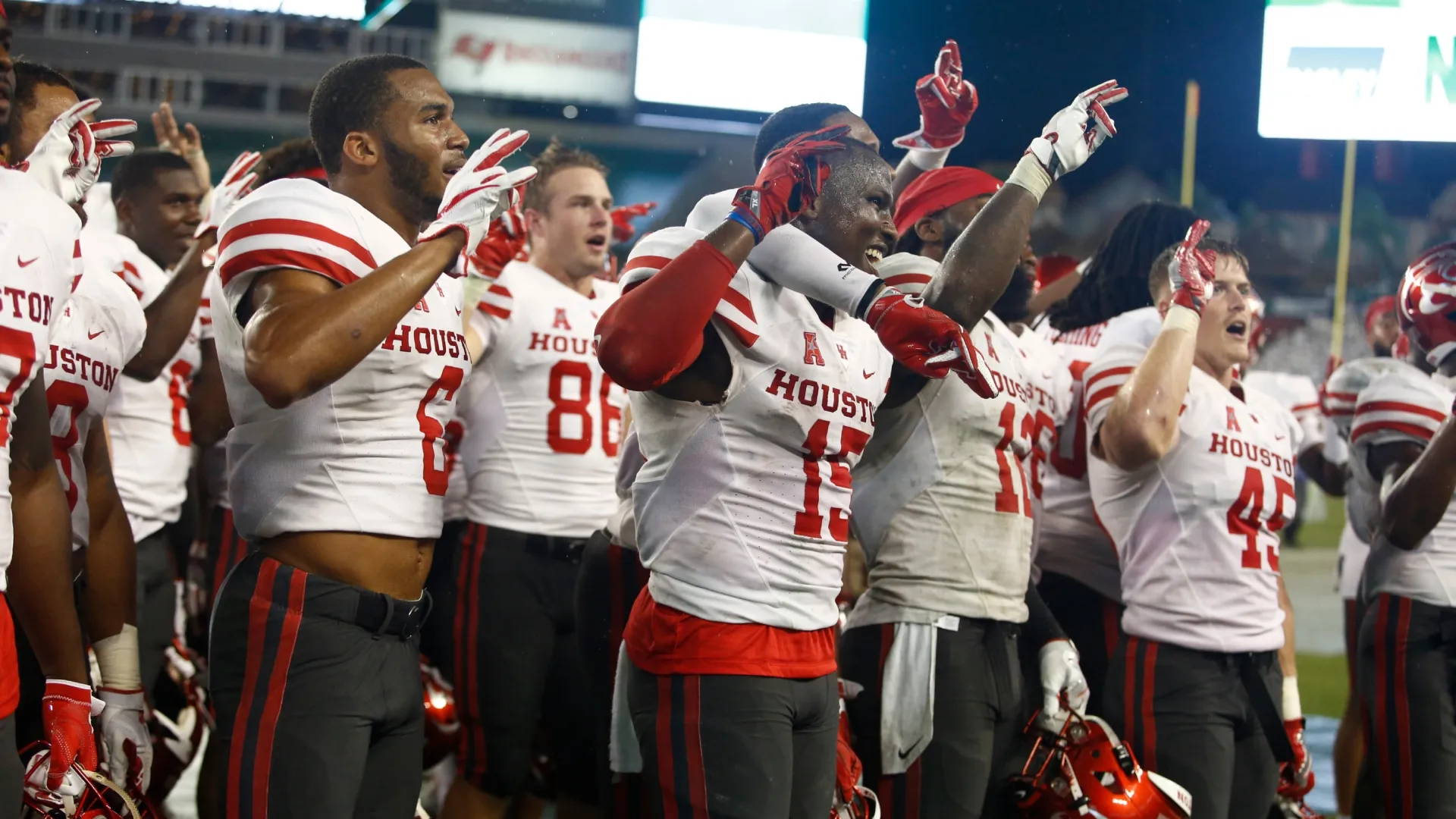
Houston Cougars (Source: Brian Blanco/Getty Images)
Houston has long lived on the fringes of elite contention. The Cougars have produced memorable seasons, swaggered through American Athletic Conference play, and delivered strong bowl performances and in 2025, they sit highly ranked and bowl-bound again.
Yet, historically, their path into the CFP has been blocked by perceptions of strength of schedule and the comparative weight given to Power 5 conference resumes.
Houston’s program blends longtime grit with flashes of breakout promise. They’ve won bowls and competed under challenging circumstances, including conference shifts and roster turnover.
Each season they flirt with national relevance, but the CFP committee’s criteria, conference championships, marquee victories, and sustained rank, have kept the Cougars just outside that elite 12-team bracket.
Texas A&M Aggies
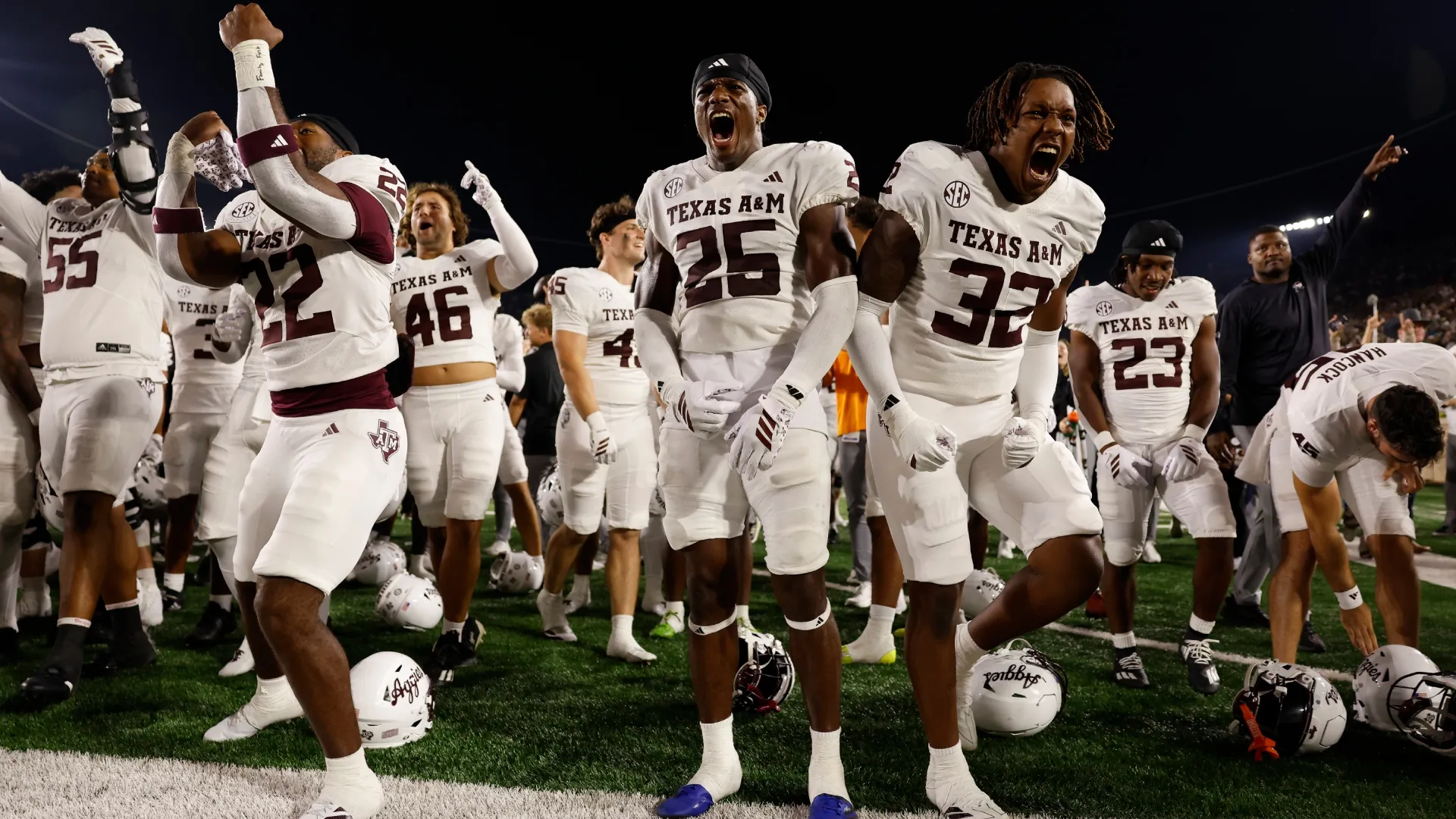
Texas A&M Aggies (Source: Michael Reaves/Getty Images)
Texas A&M’s narrative is unique among this list: after generations without a CFP bid, the Aggies in 2025 secured their first College Football Playoff appearance, finishing 11-1 and earning a berth in the expanded 12-team field.
This milestone came amid SEC powerhouses and marked a program shift from perennial regional contender to genuine national title threat. Before this breakthrough, A&M’s story was familiar: strong seasons undermined by close defeats or a missed conference championship opportunity, factors that kept them on the outside looking in.
Their 2025 entry reflects both the evolving landscape of the CFP and years of investment in coaching and recruiting. While they now have made it, their long playoff drought underscores how elusive that goal once was.
Louisiana Ragin’ Cajuns

Louisiana Ragin’ Cajuns (Source: Jonathan Bachman/Getty Images)
Louisiana’s rise from a regional program to a Sun Belt contender has been striking over the past decade. The Ragin’ Cajuns have notched multiple double-digit win seasons under coaches like Billy Napier, cultivating a winning culture and regular bowl game invitations, but still never cracked the CFP field.
Their closest flirtation with Playoff relevance came during the 2020 season, when a pivotal late loss to Coastal Carolina dashed hopes of an improbable New Year’s Six impact that could have thrust them into CFP conversation.
Despite posting competitive records and briefly appearing in CFP rankings, Louisiana’s résumé hasn’t offered the résumé juice, wins over Power Five opponents or a marquee conference title, typically necessary for Playoff bids. Still, success in Lafayette demonstrates a program on the rise, one that has challenged traditional Group of Five assumptions even without a “big stage” playoff moment.
NC State Wolfpack

NC State Wolfpack (Source: David Jensen/Getty Images)
North Carolina State’s football journey through the CFP era has been one of steady competence but narrow margins. Under long-time head coach Dave Doeren, the Wolfpack rarely fell below mediocrity, generally posting winning seasons and staying competitive in the Atlantic Coast Conference.
However, consistent success didn’t cross into contender territory, NC State has yet to compile the signature résumé that attracts Playoff consideration. Their 2021 campaign offered perhaps the clearest near-miss: early ACC losses and a string of narrow defeats kept the Wolfpack behind more decorated league rivals.
That pattern, disciplined but not quite elite, encapsulates NC State’s CFP drought. They’re a program capable of disruption on any given Saturday, yet the structure of the ACC and timing of key losses have repeatedly nudged them just outside the playoff perimeter.
BYU Cougars

BYU Cougars (Source: Chris Gardner/Getty Images)
Brigham Young University etched its name into college football lore as a dominant independent in the pre-CFP era. Since joining the Big 12, however, the Cougars have experienced both resurgence and frustration. Multiple seasons have flirted with playoff relevance: BYU appeared in CFP rankings several times and compiled strong records, yet no CFP appearances are on their résumé.
The Cougars’ 2025 campaign typified this dichotomy, an impressive win total and top-15 CFP ranking, but still just outside the final cut, and a bowl spot instead of a playoff bid. Their strength lies in consistent competitiveness, but the Big 12 gauntlet, deep with nationally ranked squads, has kept BYU chasing rather than entering the postseason’s elite tier.
USC Trojans

USC Trojans (Source: Luke Hales/Getty Images)
USC’s college football pedigree is undisputed: multiple national championships and decades of top recruits define its history. Yet in the CFP era, the Trojans have never translated that legacy into a playoff berth.
Several seasons, especially 2022 when an injury to star quarterback Caleb Williams loomed large, brought USC tantalizingly close. Had a few swings gone the other way, that squad might have slipped into the CFP field over peers with similar records.
Now entrenched in the Big Ten, USC’s path forward blends traditional fan expectations with the harsh reality of modern playoff criteria: conference titles and high rankings matter more than historical resonance. Despite multiple seasons with strong national profiles, the Trojans remain an iconic program still chasing its first CFP qualification.
WKU Hilltoppers

WKU Hilltoppers (Source: Mike Ehrmann/Getty Images)
Western Kentucky’s climb from FCS to FBS prominence is one of the more captivating smaller-school narratives in college football. Since their rise to the Football Bowl Subdivision in 2007, the Hilltoppers have engineered several winning seasons and captured conference crowns, yet none of those efforts have resulted in a CFP bid.
Their nearest brush with wide-scale national attention came in 2015 with a 12-2 record and a Conference USA title, but in an era when one-loss resumes from the Group of Five were seldom considered for playoff inclusion, even that standout season fell short.
WKU’s story is emblematic of many mid-level programs: excellence at the local level, strong fan followings and bowl appearances, but still waiting for that moment of breakout that elevates them into the playoff conversation.
UCF Knights

UCF Knights (Source: Julio Aguilar/Getty Images)
University of Central Florida’s roller-coaster run through the CFP era has been one of the most talked-about trajectories among Group of Five programs. UCF’s 2017 perfect season and self-declared national title marked a seismic moment in how non-Power Five success was perceived.
Yet despite compiling wins and drawing CFP rankings in multiple seasons, the Knights never secured a playoff berth, even with arguments on their behalf in expansion years.
Their combination of high win totals and All-American talent suggested a playoff-worthy résumé more than once, but the timing of losses and the committee’s weighing of conference strength left UCF on the outside looking in. It remains a cautionary tale of how close excellence can fall short in the College Football Playoff era.
Marshall Thundering Herd
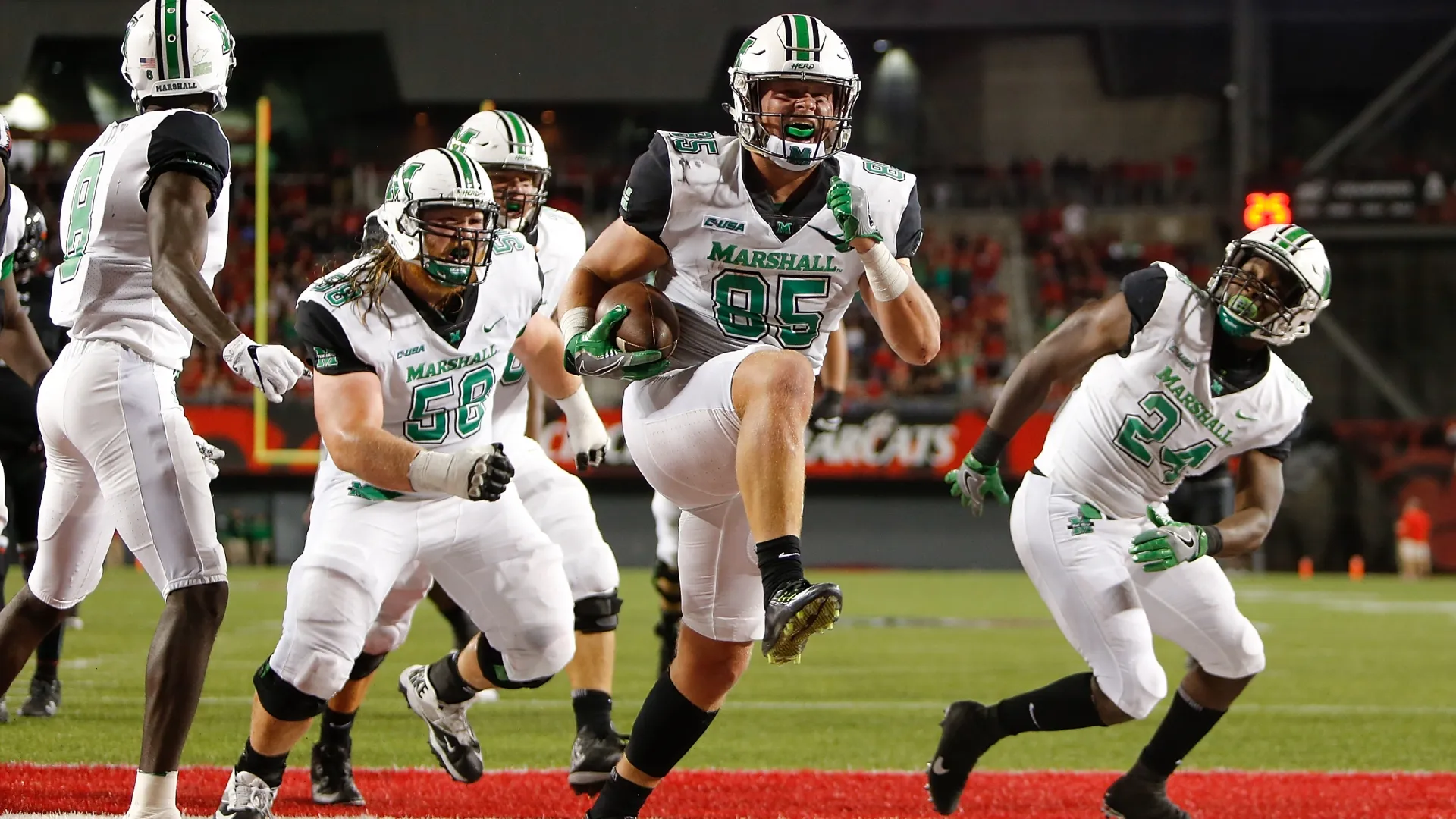
Marshall Thundering Herd (Source: Michael Reaves/Getty Images)
Marshall has long been a fixture in the FBS landscape, and while its heyday included dominant run-as in Conference USA, the CFP era hasn’t produced a berth for the Thundering Herd.
They’ve made consistent bowl appearances and even flirted with national prominence at times, but scheduling and exposure against Power Five opponents has limited their ability to build a résumé compelling enough for playoff inclusion.
The closest Marshall came to playoff contention came during strong seasons like 2013–15, when they racked up wins and won conference titles but the strength of schedule and late losses kept them outside the top 12. In a sport where perception and signature wins matter as much as record, Marshall remains in that frustrating limbo common to many Group of Five programs.
Air Force Falcons
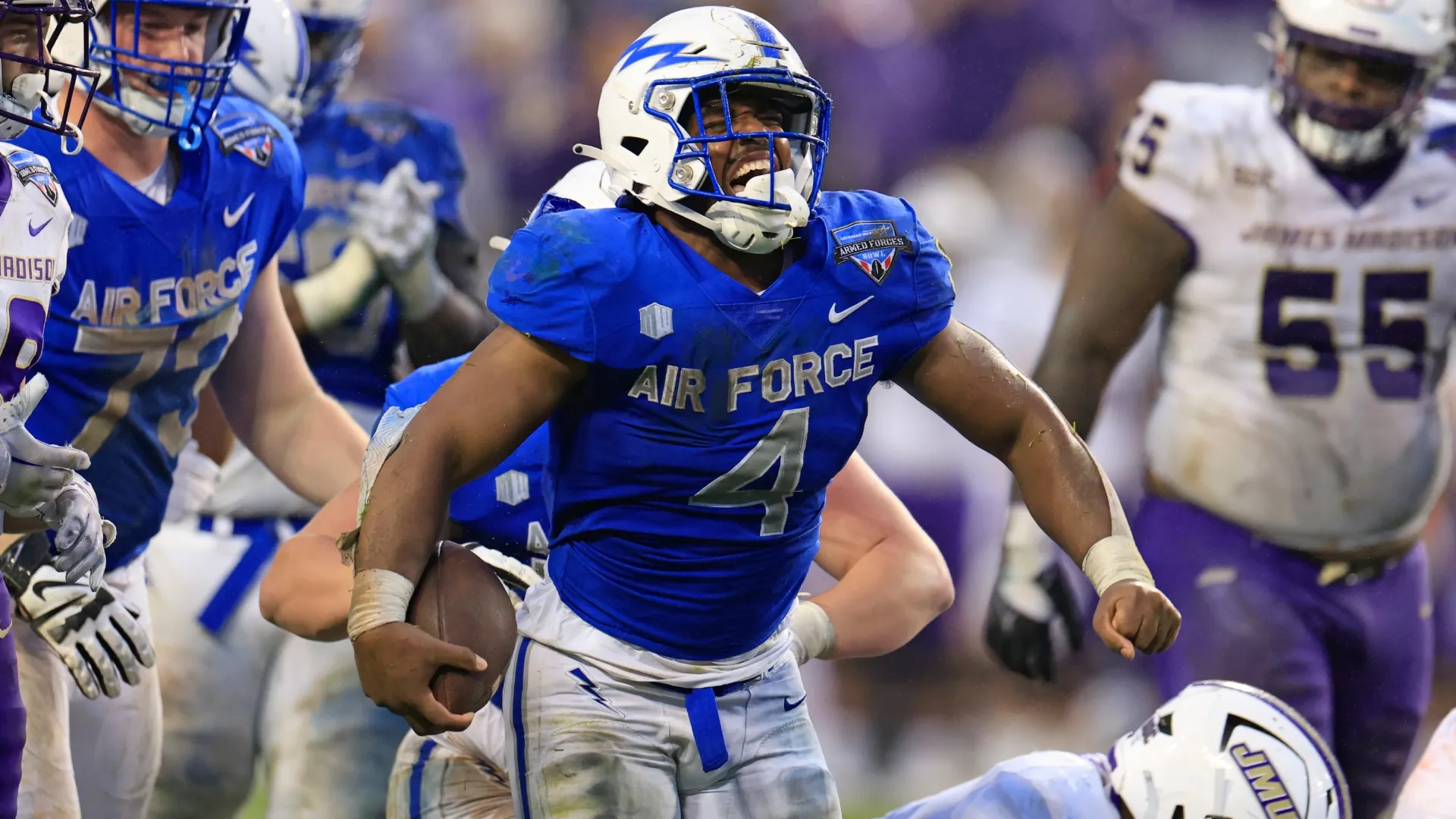
Air Force Falcons (Source: Ron Jenkins/Getty Images)
Air Force’s brand of disciplined, run-oriented football has delivered surprising wins and several double-digit win seasons in the CFP era, yet a playoff bid has never materialized. They’ve built consistent success, including an 8-0 start in 2023, but even that kind of momentum wasn’t going to vault them into playoff consideration because of a schedule light on Power Five tests.
The Falcons’ identity, rooted in the service academy style — quick tempo, ground attack, and disciplined defense — often confounds opponents and fans alike. Still, that same stylistic niche has left them on the outside of CFP discourse: without marquee wins against elite teams, it’s hard to break into an expanded 12-team field.
Toledo Rockets
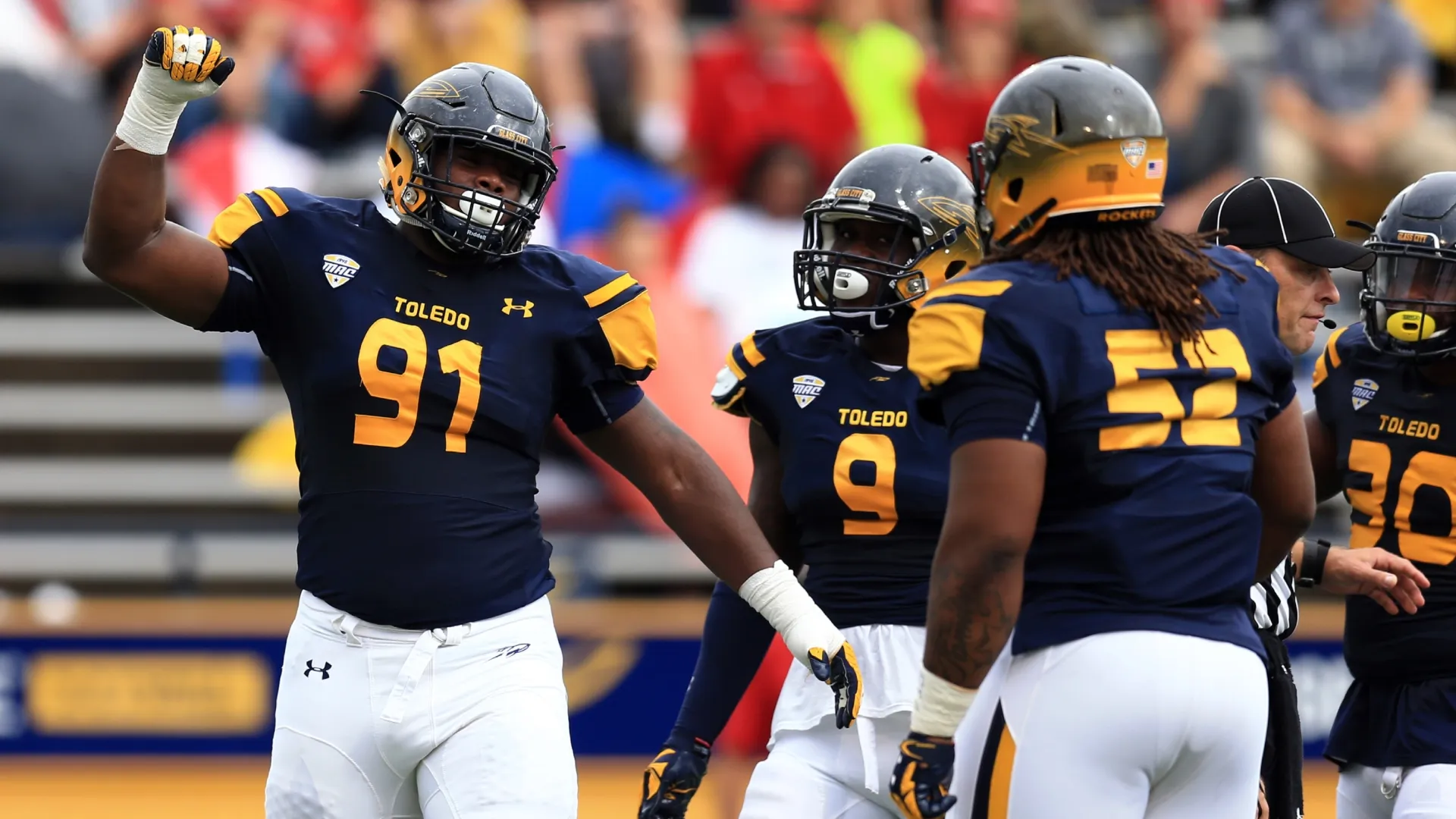
Toledo Rockets (Source: Andrew Weber/Getty Images)
Toledo’s football program has been the epitome of consistency over the last two decades. The Rockets haven’t had a losing season since 2005, regularly winning the Mid-American Conference and producing high-octane offenses.
Despite that infectious success, a CFP spot has remained elusive: there simply isn’t enough strength of schedule or marquee victories to push an 11-win MAC champion into national championship equations.
Toledo’s best shot at playoff relevance came in 2017 when an 11-win season and MAC title raised eyebrows, but a bowl loss underscored the gap between Group of Five glory and playoff calculus. It’s a reminder that in the CFP era, consistent winning isn’t always enough without those eye-catching signatures against power conference foes.
San Diego State Aztecs

San Diego State Aztecs (Source: Christian Petersen/Getty Images)
San Diego State football has been one of the most quietly successful programs west of the Power Five, especially under long-time coach Rocky Long. Between 2015 and 2021, the Aztecs notched five ten-win seasons and regularly challenged for Mountain West titles.
Yet even with that sustained excellence, their CFP drought persists — in part because the playoff selection committee gravitates toward teams from conferences viewed as stronger or more competitive.
Their 2021 Mountain West season was solid, but a midseason loss and a tough conference title game performance kept them outside the playoff picture. San Diego State’s achievements are undeniable, but they illustrate a frustrating truth for many mid-major programs: winning consistently doesn’t automatically translate into playoff consideration if the strength-of-schedule dial isn’t turned way up.
Utah Utes
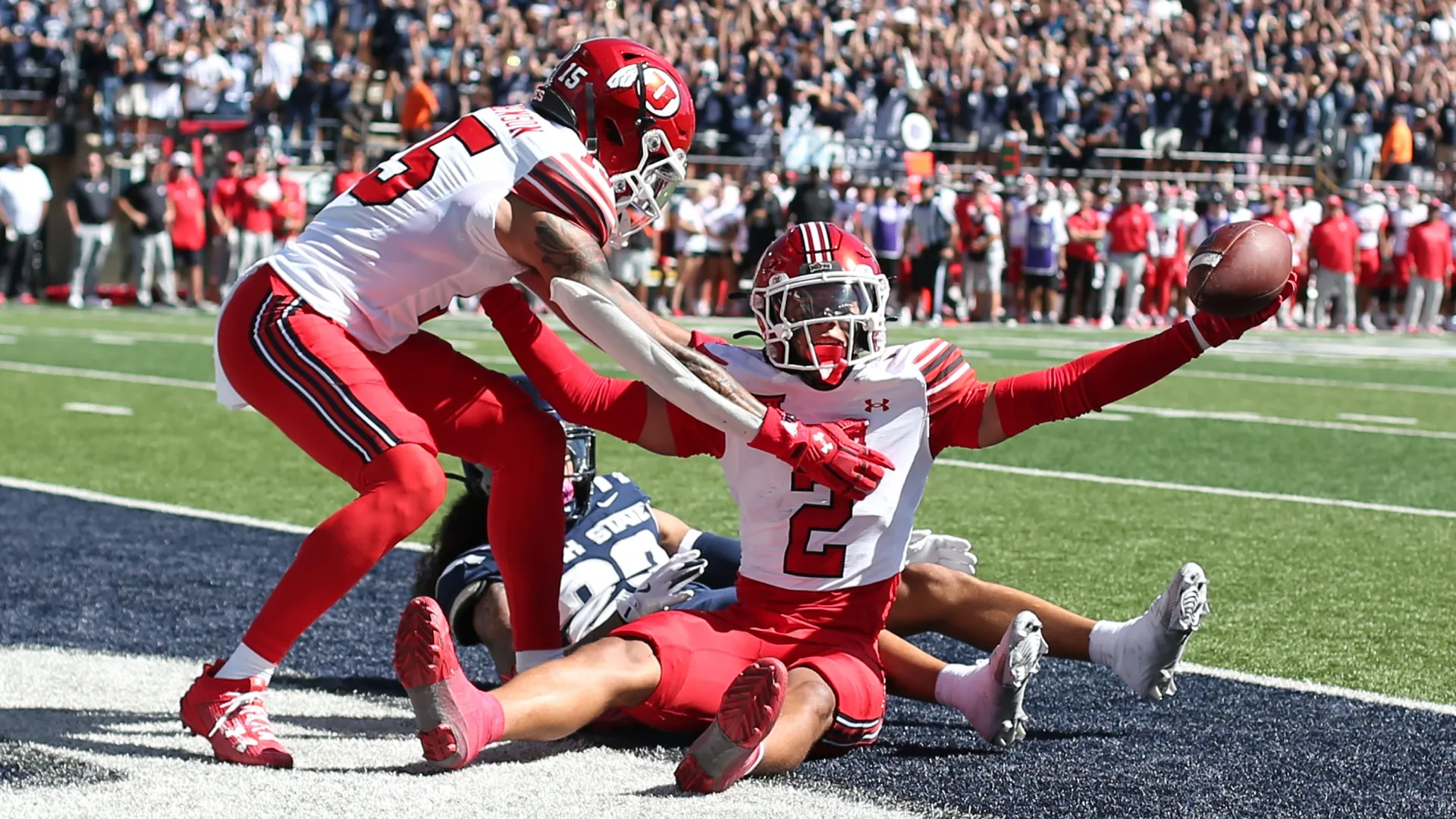
Utah Utes (Source: Chris Gardner/Getty Images)
Utah presents a compelling case study: one of the few programs on this list that almost made the CFP. The Utes resurrected their national profile after joining the Pac-12, earning respect as one of the few Group of Five–turned–Power Five programs to threaten elite status.
They nearly punched a ticket in 2019, rolling to an 11–1 record and generating debate about their playoff worthiness. A loss in the Pac-12 Championship Game, however, dropped them short.
Despite having one of the highest all-time presences in the CFP rankings without a playoff berth, Utah’s résumé was always vulnerable to a couple of untimely losses in seasons when the CFP committee prioritized undefeated or one-loss champions from traditional power conferences. That history highlights how razor-thin margins separate a Utes playoff run from another successful season.
Memphis Tigers

Memphis Tigers (Source: Gregory Shamus/Getty Images)
Memphis has been one of the most electrifying Group of Five teams in recent memory, capable of putting up points in bunches and giving Power Five foes fits. Through the CFP era, the Tigers have appeared in the committee’s rankings multiple times, with flashes of postseason buzz at several points. But consistent questions about strength of schedule and late-season setbacks have kept them just outside the CFP cut line.
Memphis’s most memorable periods came during seasons where explosive offenses made bowls fun and packed stadiums — yet that same flash seldom produced the suite of wins needed for playoff consideration. In the unforgiving calculus of the CFP, style points matter, but they rarely outweigh a tougher slate of Power Five matchups.
Penn State Nittany Lions

Penn State Nittany Lions (Source: Mitchell Leff/Getty Images)
Penn State embodies one of the odder footnotes in the CFP era: a storied Power Five program that almost reached the playoff several times, but never quite crossed the finish line.
Despite high win totals and strong Big Ten campaigns, including multiple seasons with just one or two losses, the Nittany Lions have been edged out by elite rivals in championship games or tiebreaker scenarios that kept them just outside CFP selection.
Their name finally cracked the expanded playoff field in the 2024–25 season, marking the program’s first CFP appearance and underscoring how elusive that milestone had been for a perennial national contender.
Penn State’s long playoff drought before 2024 reflects not a lack of quality, but the razor-thin margins of the CFP era: a harrowing loss here, a late-season stumble there, and suddenly a Big Ten contender watches the playoff field on TV instead of taking the field.
Iowa Hawkeyes

Iowa Hawkeyes (Source: Ronald Martinez/Getty Images)
Iowa’s program has long been synonymous with toughness and consistency in the Big Ten, but that very identity has also made their CFP drought more notable. Year after year, the Hawkeyes have logged solid records and delivered disciplined football that frustrates opponents — yet they’ve lacked the signature résumé highlight or undefeated campaign that shakes the playoff committee.
In the CFP context, Iowa often sits in that frustrating “too good to ignore, too flawed to include” space: solid wins peppered with late conference losses or games decided by a few points.
For a program that routinely finishes seasons ranked and competes in one of the sport’s toughest leagues, the absence of a CFP appearance becomes its own kind of story — one of consistency without postseason breakthrough.
Oklahoma State Cowboys

Oklahoma State Cowboys (Source: Ronald Martinez/Getty Images)
Oklahoma State has quietly compiled an impressive win total throughout the CFP era, often rivaling or surpassing traditional playoff contenders in overall success. Yet for all their regular-season punch and Big 12 competitiveness, the Cowboys have yet to convert that into a CFP bid.
There have been moments, most notably around the 2021 season, where Oklahoma State possessed a résumé that might have earned a 12-team CFP berth under slightly different circumstances. But a combination of key losses and a conference crowded with high-profile rivals kept them watching from the outside.
Wisconsin Badgers
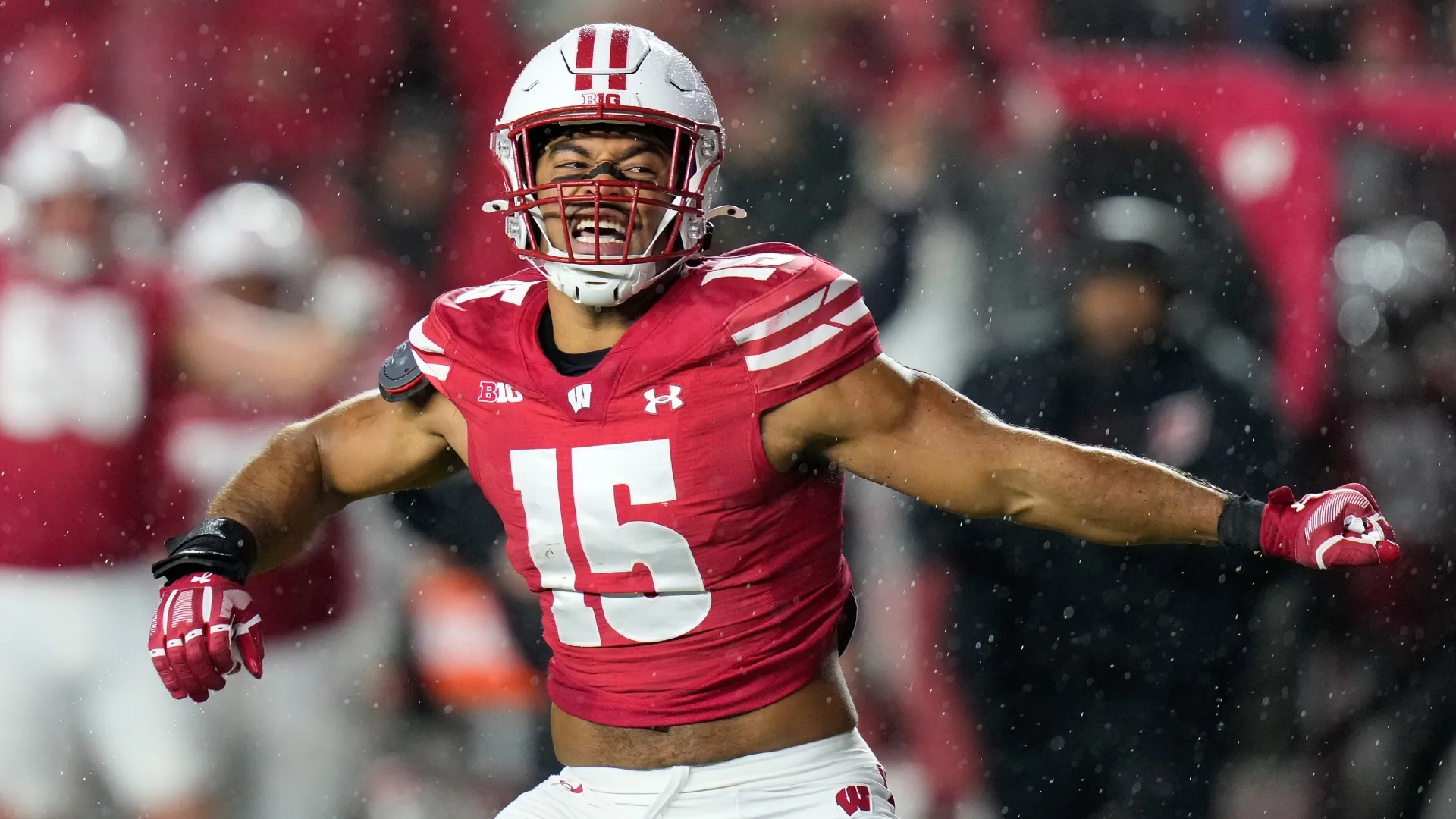
Wisconsin Badgers (Source: John Fisher/Getty Images)
Wisconsin feels like the quintessential “power program without a CFP berth.” Across multiple seasons, especially under coaches like Paul Chryst and Luke Fickell, the Badgers posted strong records and found themselves in position to challenge for playoff contention — only to be derailed late or caught on the wrong side of the committee’s nuances.
One of the most talked-about near-misses came in 2017, when an unbeaten Wisconsin team lost the Big Ten championship in dramatic fashion and watched a likely playoff spot evaporate with it.
It’s that kind of heartbreak, so close yet just out of reach, that defines Wisconsin’s CFP history: a respected, tough program lacking only the final signature campaign to vault them into college football’s newest postseason landscape.
Boise State Broncos
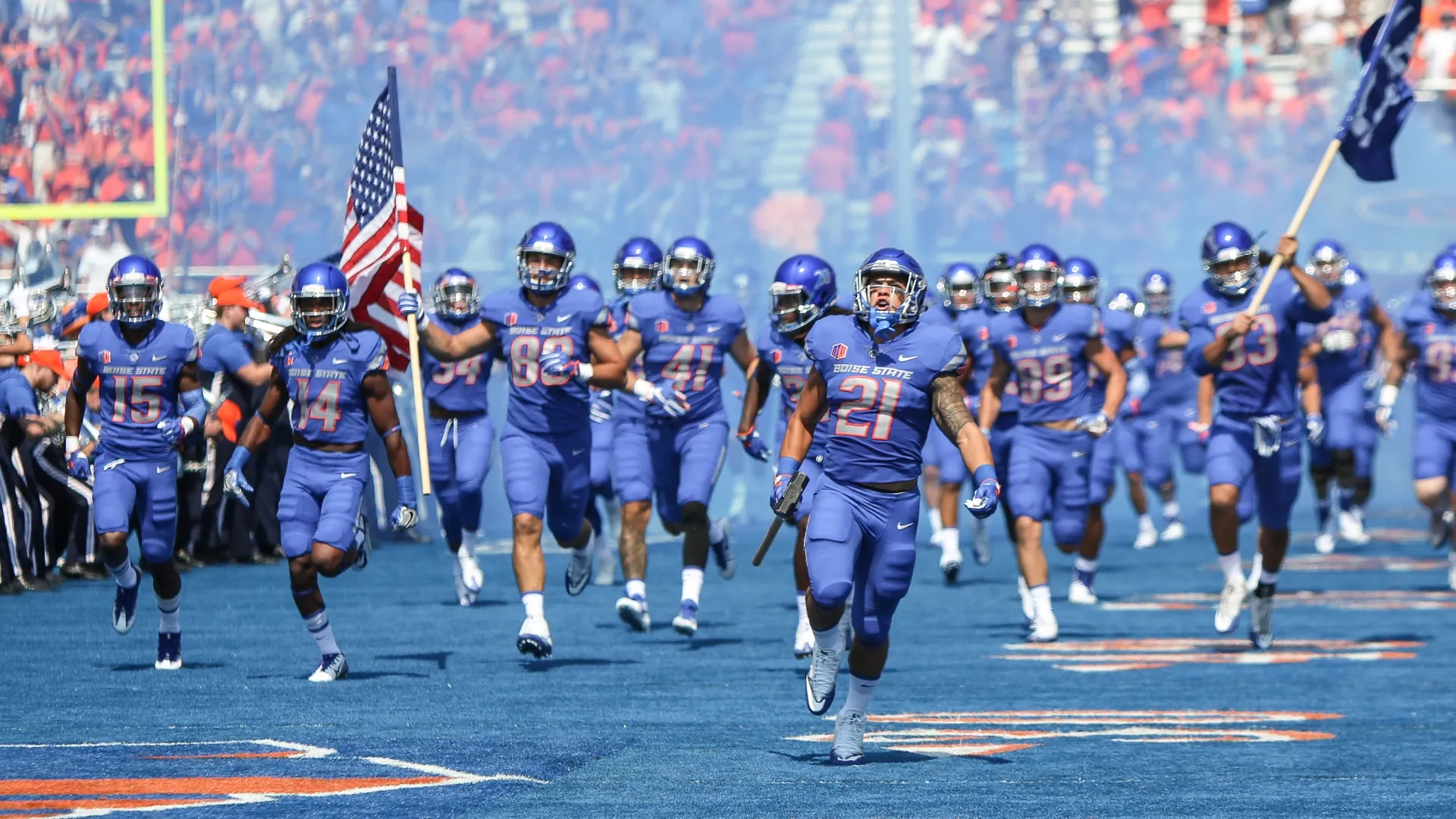
Boise State Broncos (Source: Loren Orr/Getty Images)
Boise State is one of the most successful Group of Five programs of the past quarter-century, boasting a haul of double-digit win seasons and memorable wins that once made them household names.
In the CFP era, though, the Broncos’ résumé hasn’t drawn enough committee attention to secure a playoff berth — despite coming closer than many fans realize. Notably, Boise State did make the expanded CFP field in the 2024–25 season, earning a berth after capturing the Mountain West and showing top-15 form during the regular year.
This appearance, while historic for the program, also underscores how rare Boise State’s CFP inclusion has been compared to their sustained excellence dating back decades. Before that milestone, seasons like 2019 — where they finished 12–1 — hinted at what might have been under an earlier or more expansive playoff model.
Appalachian State Mountaineers

Appalachian State Mountaineers (Source: Eakin Howard/Getty Images)
Appalachian State’s rise from FCS powerhouse to consistent Sun Belt contender has been one of the defining stories of modern college football. Since moving to the FBS as the CFP era began, the Mountaineers have regularly posted strong records and multiple 10+ win seasons — yet none produced a résumé eye-catching enough for CFP selection.
Their most plausible moment to push for consideration came in 2019, when a Sun Belt title and convincing wins suggested a Group of Five contender. But a late points-differential loss in conference play kept Appalachian State outside the top tier, reminding fans and analysts alike that great seasons don’t always translate into playoff bids without signature victories.