
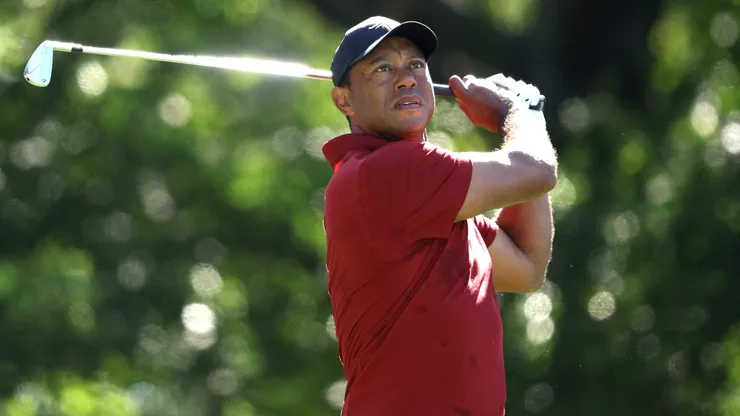
In every golf tournament, there’s a silent turning point that rarely makes headlines: the cut. It quietly determines who advances and who goes home, reshaping the leaderboard before the weekend even begins.
Famous names fall, underdogs rise and tension builds as the cut looms. It’s a mechanism built to sharpen competition and trim the field—but its inner workings often remain overlooked outside the professional circuit.
More than just a number, the cut marks a line between contention and elimination. Each event handles it differently, yet the impact is always the same. What follows is a closer look at how this crucial moment is decided.
36-hole cut
By the end of Friday in a golf tournament, the tone changes. The cheers get quieter, the gallery thins and not because the action has slowed. It’s the cut—an invisible blade that slices the field in half.
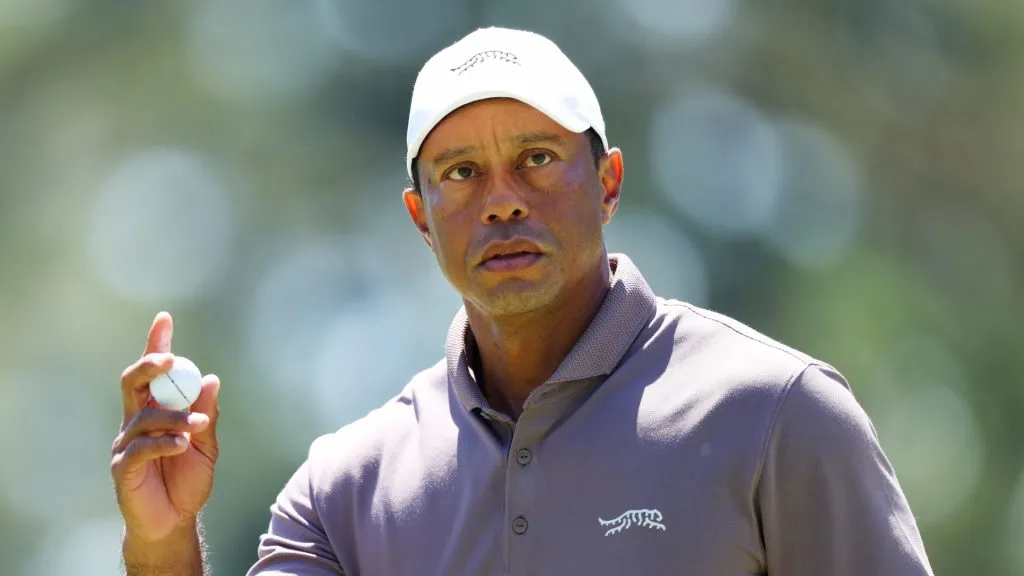
Tiger Woods of the United States reacts on the eighth green during the second round of the 2024 Masters Tournament at Augusta National Golf Club on April 12, 2024. (Source: Andrew Redington/Getty Images)
Known oficialmente as the “36-hole cut”, this moment serves as a turning point, eliminating players who fail to meet a certain score after two rounds of play. The remaining field goes on to compete during the weekend, while those on the wrong side of the line pack their bags early.
It’s a rule rooted in both tradition and practicality, giving shape and rhythm to the often sprawling structure of a four-day event, according to sources like the official site of PGA of America.
How it’s calculated
Although the idea of a cut is universal, the numbers behind it vary depending on the event. In most PGA Tour tournaments, the cut is made after 36 holes, with the top 65 players and ties moving forward.
However, the majors each follow their own model. The Masters is the most selective, allowing only the top 50 and ties to play the weekend—a change introduced in 2020 when they eliminated the “10-stroke rule.”
The U.S. Open, true to its reputation for being merciless, admits the top 60 and ties, while the PGA Championship and The Open Championship both stick to the top 70 and ties. Each variation carries its own philosophy—some aiming for prestige, others for opportunity.
Exceptions
While most tournaments follow a strict numbers game, exceptions exist—and they have, at times, stirred controversy or nostalgia. One of the best-known examples was the now-defunct “10-stroke rule”, once used by The Masters.

Tiger Woods plays his shot from the bunker on the fourth hole during the final round of the Masters at Augusta National Golf Club on April 10, 2022. (Source: David Cannon/Getty Images)
This rule allowed any player within ten strokes of the leader to make the cut, regardless of their overall position. In theory, it gave greats like Tiger Woods or Phil Mickelson the chance to catch fire over the weekend even if they had a rough start.
But in 2020, The Masters quietly dropped the rule, opting for a more streamlined, performance-based approach. The move was seen by many as a shift toward modernity and a tighter, more elite competition.
Notable examples
The cut doesn’t discriminate. It doesn’t care about legacy, endorsements or previous wins. Tiger Woods learned this in 2022, when he missed the cut at The Open Championship in St. Andrews—a course that had once crowned him a champion. The crowd gave him a hero’s sendoff, but the leaderboard did not.
Collin Morikawa, then defending champion, suffered the same fate. And more recently, Max Homa’s inconsistency saw him exit early from major tournaments, a humbling reminder of how volatile the game can be. These moments not only shock fans but also reinforce the brutal fairness of golf: no name is too big to fall short.