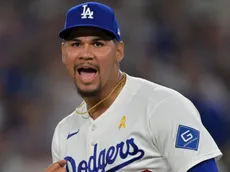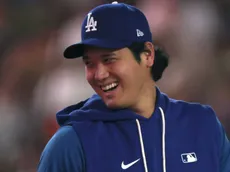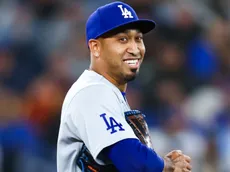
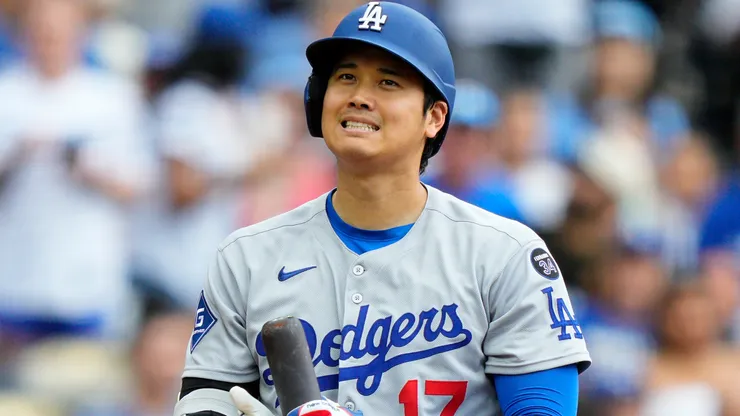
Shohei Ohtani‘s signing with the Los Angeles Dodgers represents one of the most significant contracts in MLB‘s history, reflecting a growing trend among franchises to secure premier talent with innovative financial agreements. This strategy, reminiscent of the famed “Bobby Bonilla Day,” highlights how teams are creatively structuring deals to enhance their rosters.
Bobby Bonilla, a notable MLB hitter in the 1990s and a World Series champion with the Florida Marlins in 1997, became legendary not just for his on-field accomplishments but also for his groundbreaking deferred payment arrangement with the New York Mets.
Faced with the decision to buy out the remainder of Bonilla’s contract in 2000, the Mets opted for a deferred payment plan. Instead of paying the $5.9 million upfront, they agreed to pay Bonilla $1,193,248.20 annually from 2011 through 2035, thanks to an 8% interest rate included in the deal.
These innovative agreements, though complex, allow teams to manage financial commitments more strategically. Ohtani’s contract with the Dodgers mirrors Bonilla’s deferred approach. While Ohtani’s total deal is valued at $700 million, he will begin receiving annual payments of $68 million starting in 2034, with $680 million of the contract deferred.
If you know, you know.
— The Athletic (@TheAthletic) July 1, 2025
Happy Bobby Bonilla Day to all who observe. pic.twitter.com/wBtrueBroO
In this era of mega-deals, such structuring offers teams the flexibility to invest ambitiously while maintaining financial stability. Ohtani’s signing is yet another testament to the evolving landscape of MLB contracts.

How Ohtani’s Dodgers contract differs from Bonilla’s infamous deal
Despite their apparent similarities, Ohtani’s contract with the Dodgers stands apart from Bonilla’s legendary deferred deal with the Mets. The primary distinction lies in the nature of these agreements; Bonilla’s deferred payments were the result of a buyout following an underwhelming performance, while Ohtani’s was a strategic financial move orchestrated by a premier player during the peak of his free agency.
This contract grants the Dodgers significant short-term financial flexibility, alleviating immediate salary cap constraints and reducing the team’s competitive balance tax liabilities. While Ohtani’s payout may seem substantial, the revenue he generates as one of MLB’s elite talents is expected to offset the financial commitment without strain.
Other players with Bonilla-style deals
Ohtani joined a cadre of players who have brokered deferred payment arrangements akin to Bonilla’s. Although none rival the anticipated earnings Ohtani will start accruing in 2034, they provide fascinating case studies in deferred compensation in MLB.
- Max Scherzer: The Nationals owe Scherzer $105 million in total deferred payments, scheduled through 2028.
- Bret Saberhagen: Inspired Bonilla’s approach, receiving $250,000 per year from the Mets for 25 years, with payments commencing in 2004.
- Bobby Bonilla: Bonilla also has a second deferred-plan with both the Mets and the Orioles that pays him $500,000 annually for 25 years, starting in 2004.
- Manny Ramirez: The Red Sox will dispense a total of $24.2 million to Ramirez in deferred payments through 2026.
- Chris Davis: Davis’s deal with the Orioles may rival Bonilla’s in notoriety, as he will receive $59 million in deferred payments over 15 years starting from 2021. This includes $9.16 million annually for 2024 and 2025, $3.5 million per year from 2026 to 2032, and $1.4 million annually from 2033 to 2037.
SurveyDo you think this kind of agreements are good for the franchises?
Do you think this kind of agreements are good for the franchises?
ALREADY VOTED 0 PEOPLE
Happy Bobby Bonilla Day!