Milwaukee baseball has always blended flair with grit, producing moments that linger long after the final out. From County Stadium to American Family Field, certain names have become MLB symbols of the pursuit of greatness.
Power hitters like Ryan Braun and Prince Fielder set the tone, while crafty pitchers and fielders added layers to the team’s identity. Each left a footprint that shaped not only wins and records, but the very culture of Milwaukee.
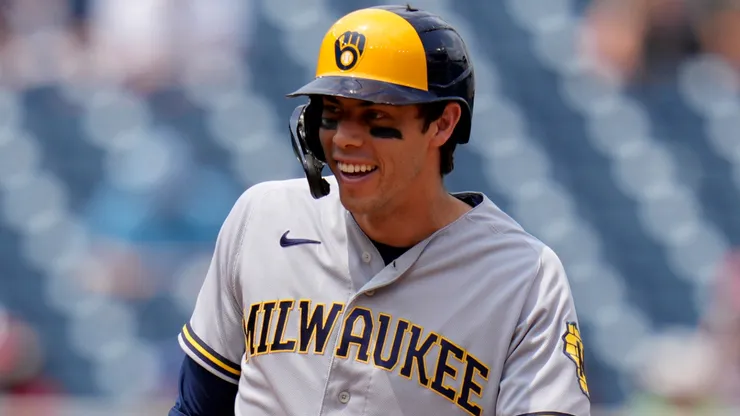
As the franchise evolved, new stars like Christian Yelich carried the torch, linking past glories to the present. These players capture the essence of the Milwaukee Brewers—a blend of talent, heart and moments that turn games into history.
Robin Yount
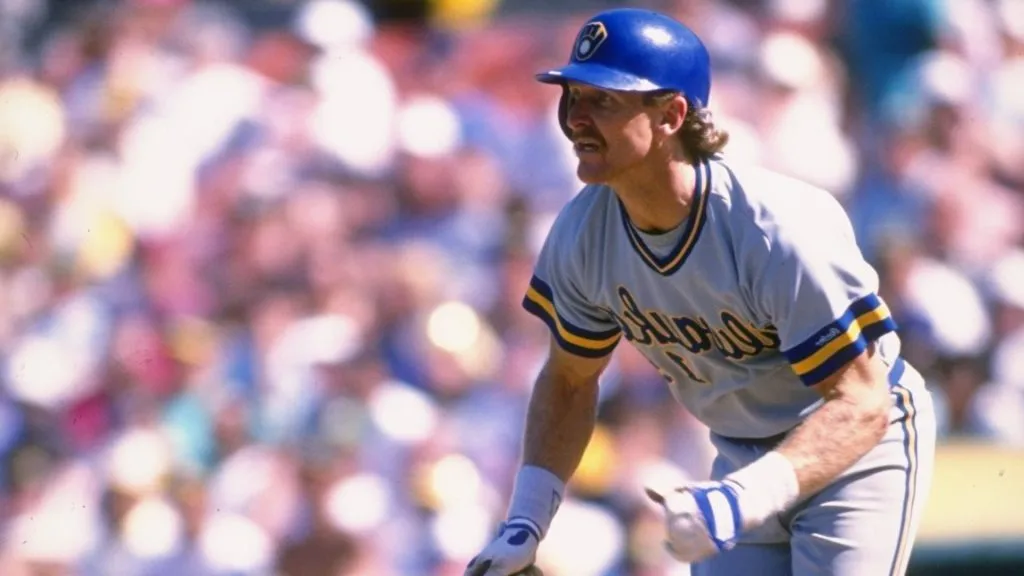
Robin Yount (Source: Otto Greule /Allsport)
Not every player carries the mystique of a sports deity. Robin Yount, affectionately nicknamed “The Kid” and “Rockin’ Robin”, is, without a doubt, the defining figure in Milwaukee Brewers history. Selected with the third overall pick in the 1973 draft, this Californian shortstop debuted at just 18 years old, beginning an odyssey of 20 seasons in which he never wore another uniform.
His legacy is a monument to versatility and longevity: he became the third-youngest player to reach 3,000 hits and, most notably, won the American League Most Valuable Player award at two different positions: shortstop in 1982 and center fielder in 1989.
In 1982, he led the “Brewers” to their first World Series and was the spark that ignited the 80s, tallying more hits than any other player in the American League during that period. Quite simply, the No. 19 adorning the American Family Field wall is the signature of the Brewers’ identity.
Ryan Braun
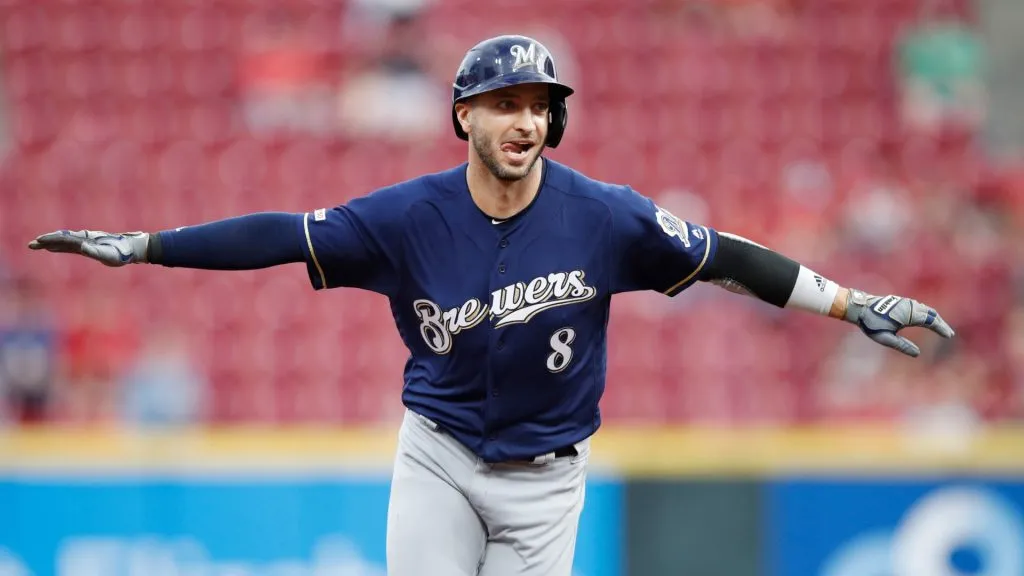
Ryan Braun (Source: Joe Robbins/Getty Images)
When discussing offensive power in 21st-century Milwaukee, one name resonates loudly: Ryan “Ocho” Braun. This left fielder, selected fifth overall in the 2005 draft, burst into the Majors like lightning in 2007. His impact was immediate and spectacular, cementing a career where he collected six All-Star selections and five Silver Slugger Awards, with the absolute peak being his National League MVP in 2011.
Beyond the numbers and accolades, he retired in 2021 having etched his name at the very top of franchise history, standing as the Brewers’ all-time leader in home runs with 352.
His tenure with the team, though shaded by performance controversy, solidified him as the offensive engine that drove Milwaukee to the National League Championship Series in 2011 and 2018. His game, characterized by a blend of raw strength and speed, left him high in the organization’s record books for hits, RBIs, and stolen bases.
Geoff Jenkins
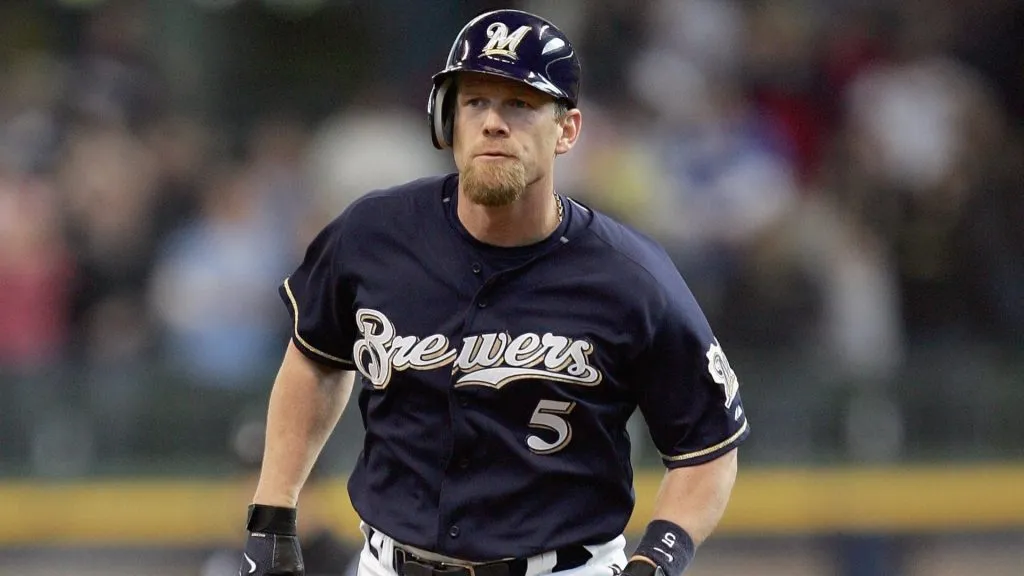
Geoff Jenkin (Source: Jonathan Daniel/Getty Images)
If there was one player who personified the transitional phase and the spirit of the Brewers’ offense in the late 90s and early 2000s, it was Geoff Jenkins. Drafted in 1995, this left fielder established himself as a feared and potent slugger.
While he may not have collected the number of awards of other legends, his consistency led him to the All-Star Game in 2003 and placed him in an enviable position in the club’s historical records. For a time, he was the second all-time leading home run hitter in franchise history behind Robin Yount, an accomplishment that speaks to his quiet but sustained power.
Hailing from Olympia, Washington, his college career at USC was spectacular, breaking records he shared with figures like Mark McGwire. In Milwaukee, he won over the fans with clutch home runs, including the “walk-off” grand slam that sealed a dramatic victory for the Brewers against the Mets in 2007.
Carlos Gomez
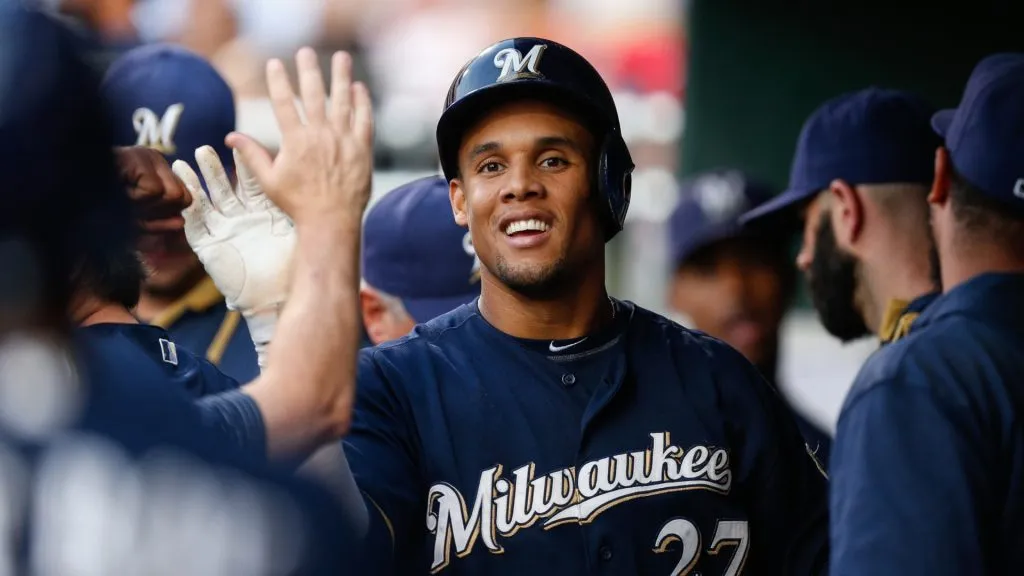
Carlos Gomez (Source: Brian Garfinkel/Getty Images)
Few players have infused as much energy and adrenaline into the field as Carlos Gomez. “Go Go,” as he was known, was much more than a player; he was a highlight reel spectacle. Born in the Dominican Republic, this center fielder became a defensive cornerstone with blazing speed, often producing gravity-defying, acrobatic catches.
At the plate, his evolution was remarkable: he transformed from a slap hitter to a feared power-speed threat, managing to be one of only five players in 2012 with at least 15 home runs and 30 stolen bases, sharing that elite circle with teammate Ryan Braun and Mike Trout.
His contract extension in 2013 reflected the confidence the Brewers placed in his unique combination of power and quickness—an organized chaos that terrorized opposing pitchers and base paths.
Rollie Fingers
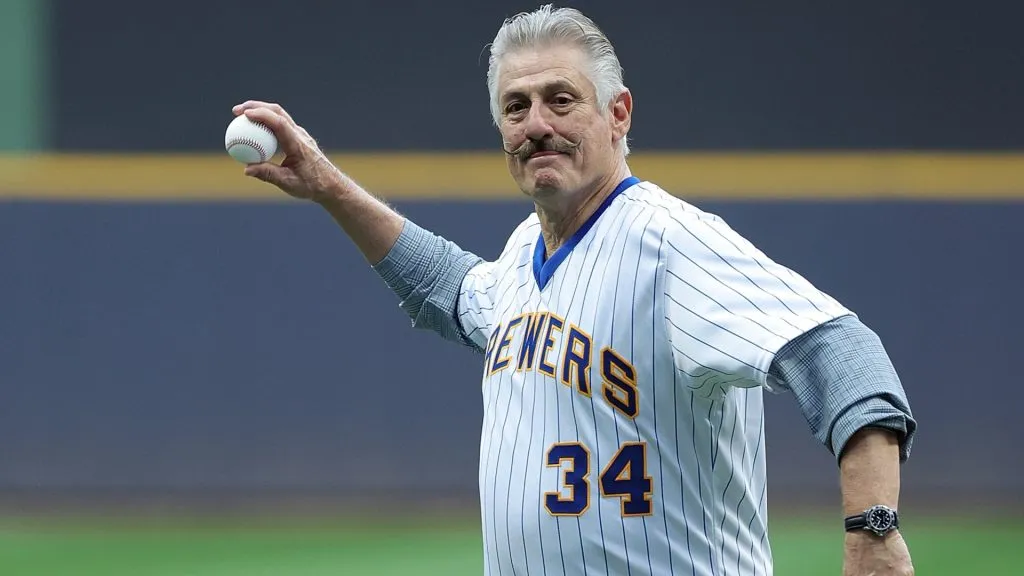
Rollie Fingers (Source: Stacy Revere/Getty Images)
There are closers, and then there is Rollie Fingers, the man whose iconic handlebar mustache is as legendary as his ability to seal victories. Although his tenure in Milwaukee was relatively short compared to other legends, his impact was seismic.
In 1981, he achieved the feat of winning the Cy Young Award and the American League MVP in the same season, an extremely rare accomplishment for a reliever, and was fundamental in leading the Brewers to the postseason.
His dominance as the “Beer Team’s” closer in the 1980s earned him the distinction of being one of the few players in MLB history whose number (34) has been retired by more than one franchise. Elected to the Hall of Fame in 1992, Fingers not only represented excellence in the bullpen but also became a symbol of the Brewers at the height of their American League success.
Jonathan Lucroy
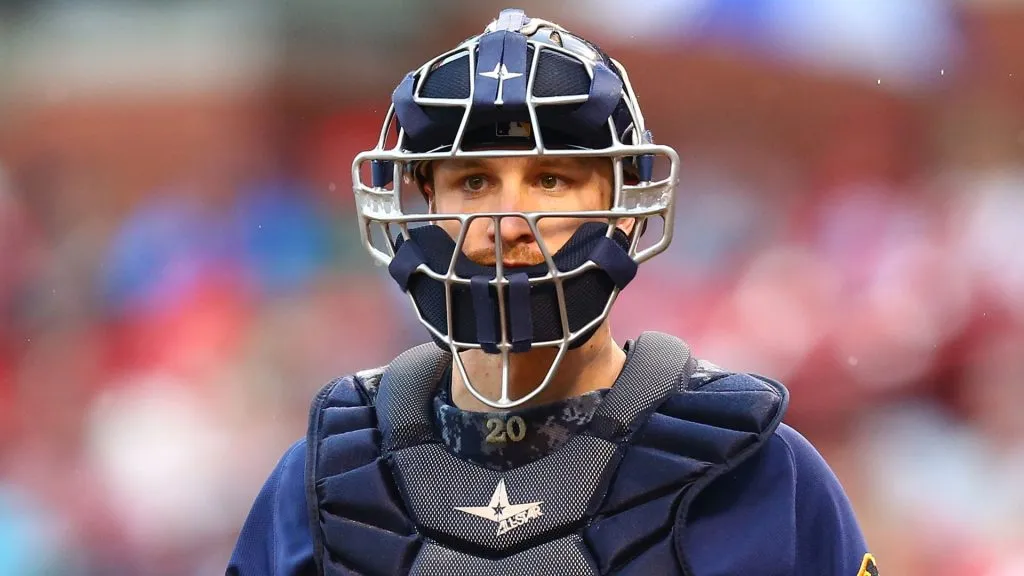
Jonathan Lucroy (Source: Dilip Vishwanat/Getty Images)
Jonathan Lucroy, the catcher nicknamed “Luc,” brought Milwaukee the perfect blend of defensive skill and offensive consistency at one of baseball’s most demanding positions. Drafted in 2007, he established himself as one of the best offensive catchers in the league during his prime with the team.
His peak came in 2014, when he was selected for the All-Star Game, led the Major Leagues in doubles, and posted an enviable batting average of .301, numbers atypical for a catcher.
He contributed not only with the bat but was also the field general, handling bullpens and pitching staffs with a skill that often went unnoticed—a true strategist who left an indelible mark on the franchise’s catching position.
Yovani Gallardo
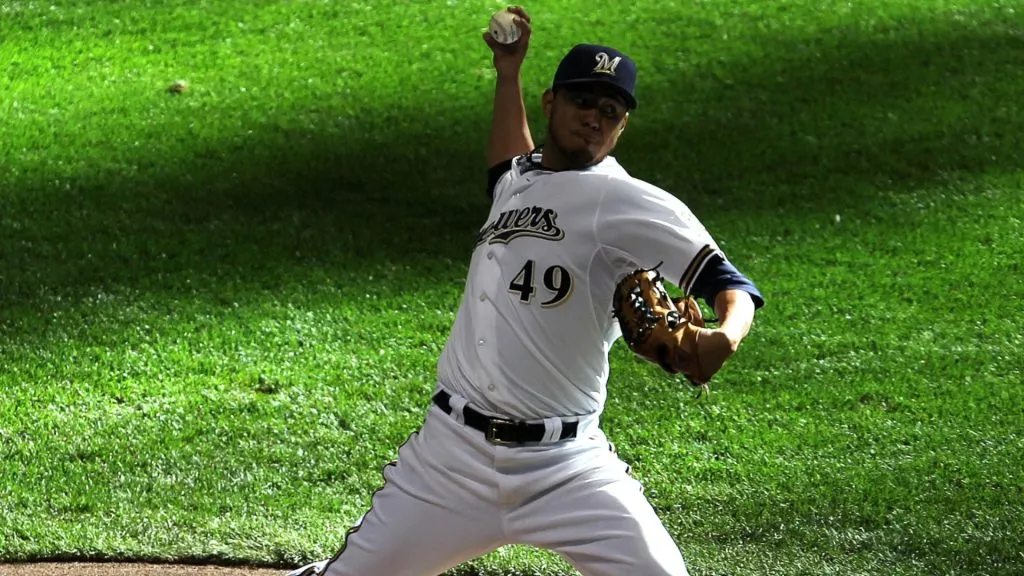
Yovani Gallardo (Source: Jonathan Daniel/Getty Images)
The story of Yovani Gallardo is that of a rough diamond that the Brewers successfully polished. Born in Michoacán, Mexico, and drafted in 2004, this right-handed pitcher became the undisputed ace of Milwaukee’s starting staff. He was not only a power pitcher who accumulated strikeouts regularly, but he was also a natural competitor at the plate, a rarity in the modern era.
His 2010 All-Star season was the pinnacle, where he also earned the Silver Slugger for pitchers, highlighting his multi-faceted ability. With a powerful fastball and a devastating curve, “Yo” anchored the rotation that carried the Brewers to the postseason in 2011, solidifying himself as one of the most dominant and beloved pitchers in the franchise’s recent history.
Ben Oglivie
Ben Oglivie (Source: SABR.org)
For those who followed the Brewers during their “Harvey’s Wallbangers” era, Ben Oglivie was the quiet, consistent powerhouse that cemented the team’s potent offense. A native of Colón, Panama, his defining moment came in 1980 when he achieved a feat rarely seen from a Brewer: he tied for the American League lead in home runs with 41, sharing the crown with Reggie Jackson.
Despite his understated demeanor, he was a four-time All-Star whose smooth left-handed swing produced six 20-homer seasons in Milwaukee. He was the quintessential run producer, often overshadowed by flashier teammates, yet his reliability in the clean-up spot made him an indispensable force in the lineup that propelled the Brewers to the 1982 World Series.
B. J. Surhoff
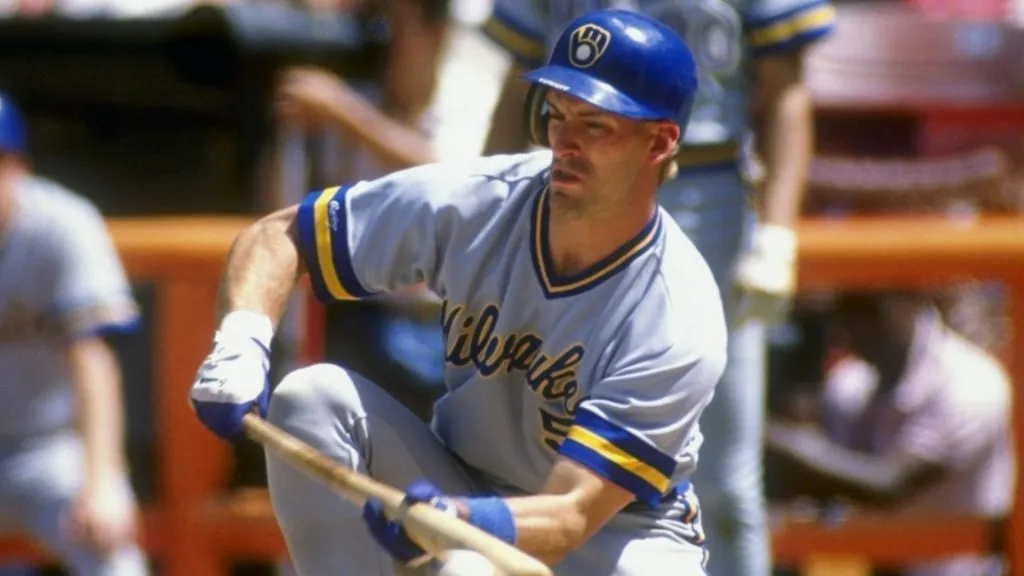
B.J. Surhoff (Source: Tim DeFrisco /Allsport)
B. J. Surhoff represented the gritty, versatile spirit of the mid-80s and 90s Brewers. Drafted first overall in 1985, he quickly established himself as a reliable fixture, demonstrating the rare ability to play catcher, third base, and the outfield at a high level.
His debut season saw him finish runner-up for the American League Rookie of the Year award in 1987. But more than his versatility, he was a hitting machine, becoming one of the organization’s most consistent players across two decades.
In 1995, before a trade sent him to Baltimore, he capped his initial run in Milwaukee with his finest season, hitting .320. He wasn’t just a player; he was the dependable glue that held multiple iterations of the team together through challenging years.
Paul Molitor
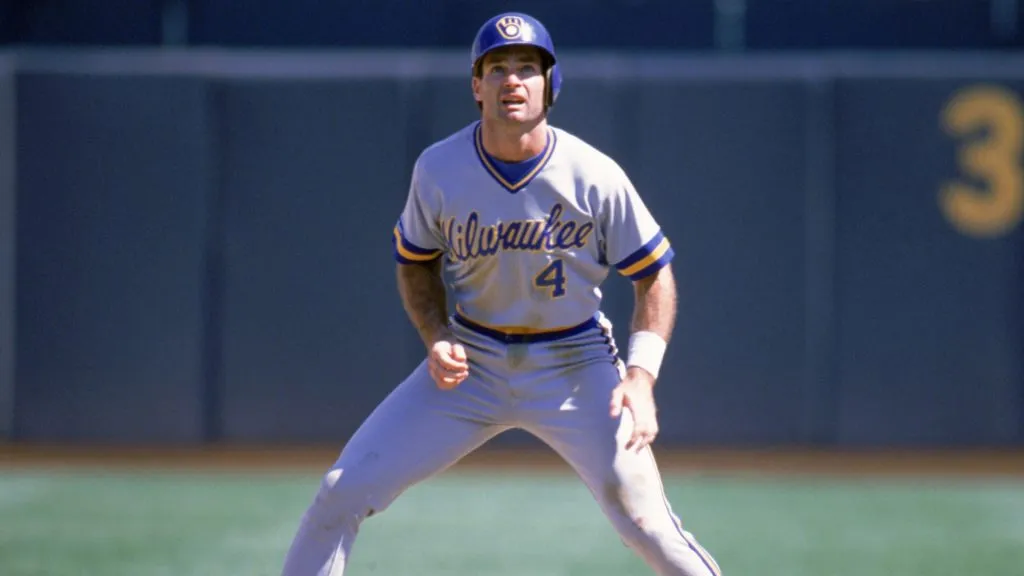
Paul Molitor (Source: Otto Greule Jr/Getty Images)
When you talk about offensive artistry and pure hitting prowess, the conversation starts with Paul Molitor. Nicknamed “The Ignitor” for his ability to spark rallies, Molitor was a sensational, high-contact hitter and an elite baserunner.
Over his 15 seasons with the Brewers, this Hall of Famer was a seven-time All-Star, showcasing extraordinary versatility by excelling at third base, second base, and designated hitter.
His name is scattered throughout the Brewers’ record books, yet his most iconic performance came outside Milwaukee: the incredible 39-game hitting streak in 1987 remains a franchise benchmark for sustained excellence and a pivotal moment in the history of the sport. His dynamic style of play defined the top of the lineup for the Brewers’ golden era.
Cecil Cooper
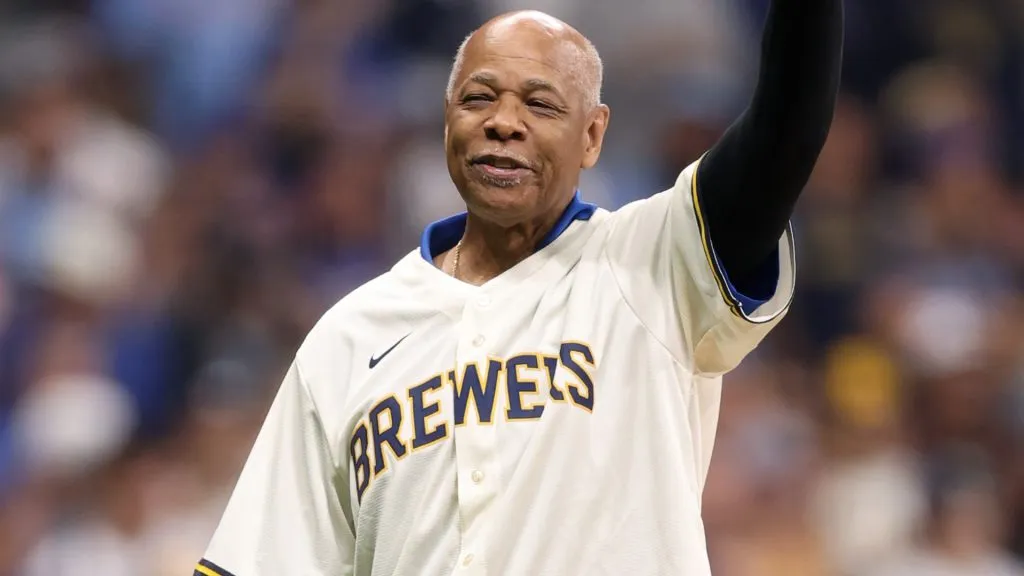
Cecil Cooper (Source: Michael Reaves/Getty Images)
No list of Brewers greats is complete without the imposing figure of Cecil Cooper. “Coop” arrived in Milwaukee via a landmark trade and immediately became the dominant first baseman in the American League during the late 70s and early 80s. A five-time All-Star and four-time Silver Slugger, he wasn’t just good; he was elite, posting two seasons where he led the entire American League in Runs Batted In.
His most explosive year, 1980, saw him finish runner-up in the MVP voting, driving in a stunning 122 runs. He was the quintessential run-producing machine and the foundational linchpin who provided the necessary thump in the middle of the order for the “Wallbangers” dynasty, establishing a lasting standard for Brewers first basemen.
Christian Yelich
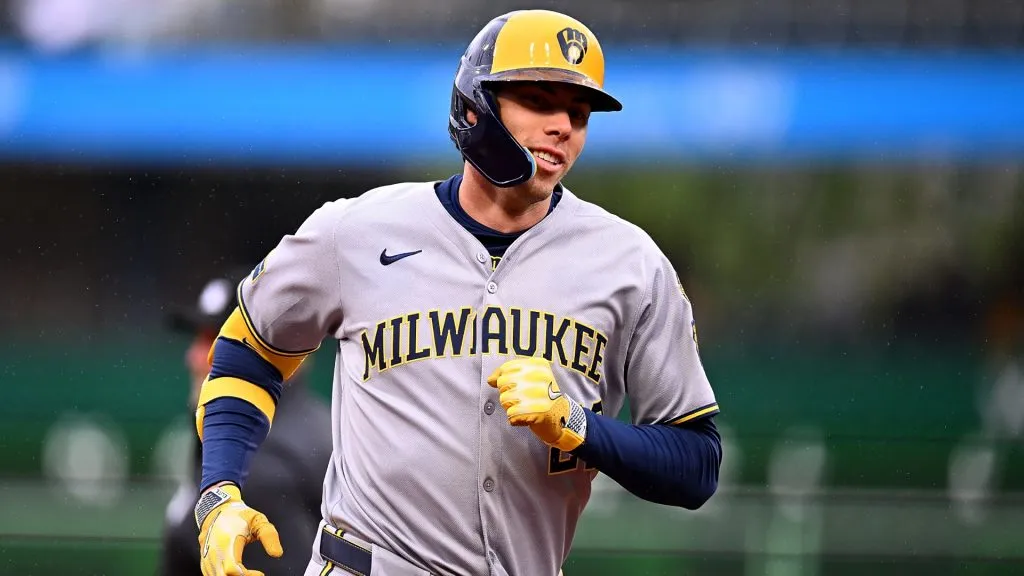
Christian Yelich (Source: Joe Sargent/Getty Images)
The arrival of Christian Yelich in 2018 marked a seismic shift, instantly ushering in a new era of offensive dominance and playoff contention for the Brewers. He didn’t just win the National League MVP in his first year in Milwaukee; he delivered one of the most statistically dominant seasons in recent memory, nearly winning the Triple Crown while captivating the entire league.
His 2019 season, though cut short by injury, was equally phenomenal, making him a back-to-back batting champion and establishing him as one of the game’s premier talents. His blend of speed, power, and high-average hitting revived the franchise, providing the electric offense that powered the Brewers to multiple playoff berths and establishing him as the definitive face of the modern team.
Hank Aaron
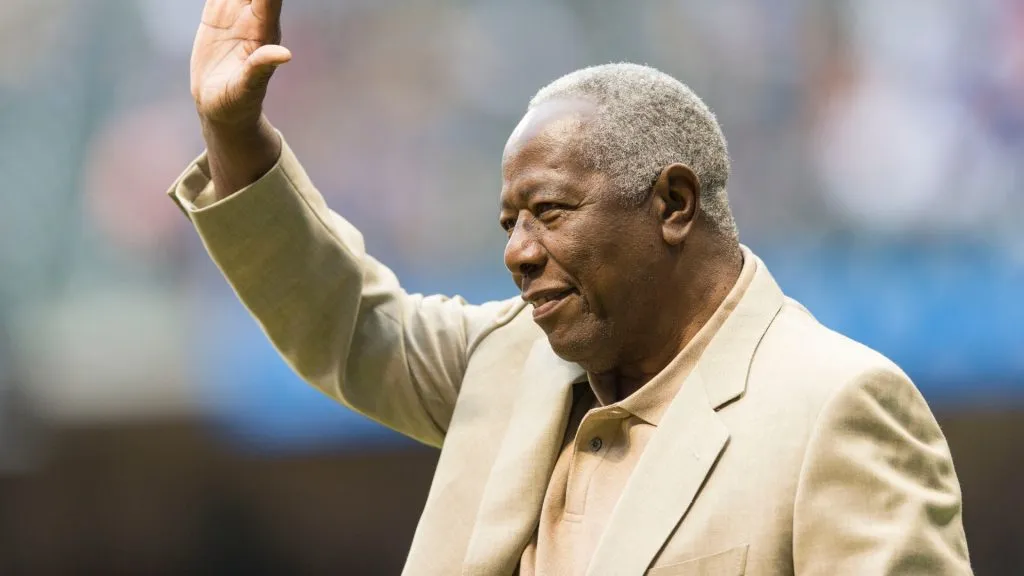
Hank Aaron (Source: Tom Lynn/Getty Images)
It is crucial to acknowledge that baseball’s undisputed home run king, Hank Aaron, began and ended his illustrious playing career in a Milwaukee uniform. While his peak achievements came with the Braves, the final two seasons of his career saw “The Hammer” return to Milwaukee to play for the expansion Brewers, bringing immense prestige and legitimacy to the fledgling franchise.
More than the 22 home runs he hit in those final years, his presence was a monumental gift to the city. He served as the organization’s first designated hitter, lending his legendary status to the team and symbolically connecting the storied history of Milwaukee baseball directly to the Brewers, providing an irreplaceable foundation of reverence and respect.
Ben Sheets
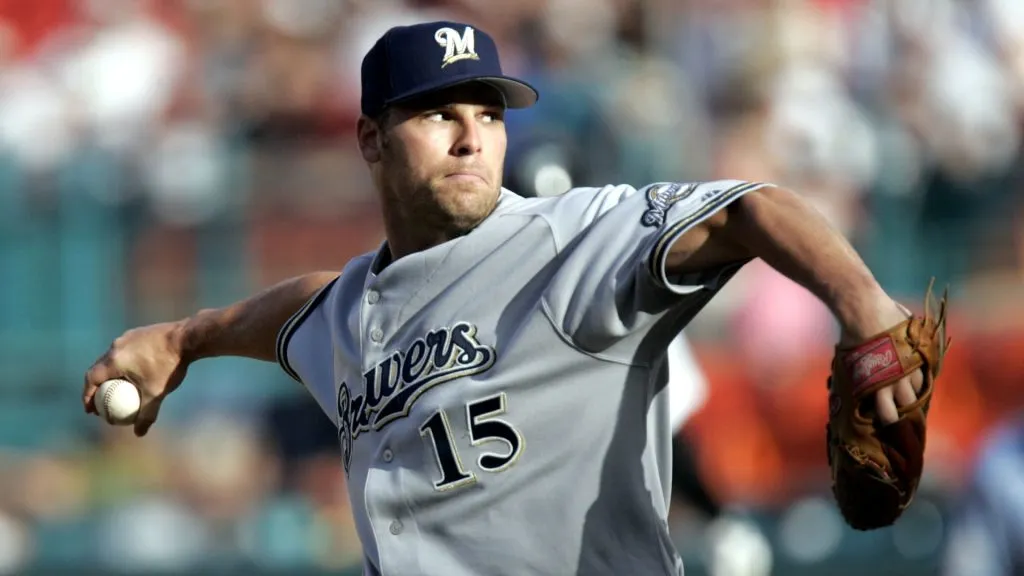
Ben Sheets (Source: Eliot J. Schechter/Getty Images)
Ben Sheets was the definition of an electrifying power pitcher who brought intensity and a dominant fastball to the mound. Drafted in 1999, the Louisiana native spent his entire prime with Milwaukee, emerging as a rare bright spot during a period of rebuilding.
He was a four-time All-Star whose repertoire, featuring a devastating curveball and heavy heat, made him one of the National League’s most feared strikeout artists.
His career was often hampered by injuries, but when healthy, he was pure dominance. In 2004, he recorded a franchise-record 264 strikeouts and represented the last true, unquestioned ace the Brewers had before their return to sustained contention, earning the admiration of fans with his competitive fire.
Prince Fielder
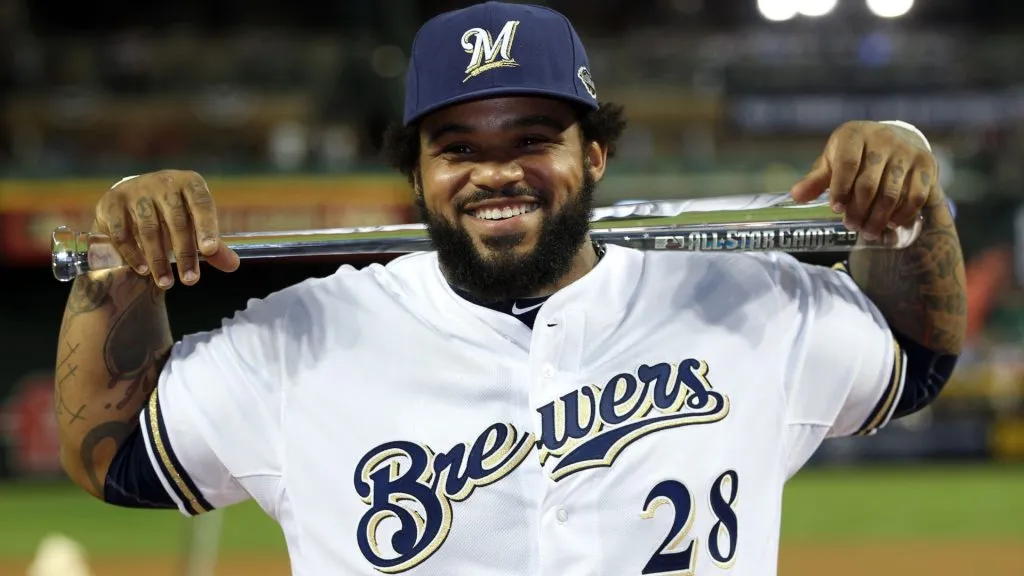
Prince Fielder (Source: Christian Petersen/Getty Images)
The son of a legendary slugger, Prince Fielder didn’t just meet expectations in Milwaukee; he routinely exceeded them with thunderous force and an infectious grin. Drafted in 2002, he became one of the franchise’s most popular figures, anchoring the offense during the late 2000s surge. In 2007, he became the youngest player in MLB history to hit 50 home runs in a single season, announcing his arrival as a premier power hitter.
A three-time All-Star for Milwaukee, he was the centerpiece of the lineup that returned the team to the playoffs in 2008 for the first time in 26 years. His durability was remarkable, playing every single game during the 2009 and 2011 seasons. His massive, opposite-field power and the sheer excitement he brought to Miller Park make him an unforgettable modern Brewer.
Jim Gantner
Jim Gantner (Source: SABR.org)
For the lifelong Brewers faithful, Jim Gantner embodies the hardworking, blue-collar spirit of the team. Born and raised in Wisconsin, Gantner was a true local hero who spent his entire 17-year career with Milwaukee. Nicknamed “The Gummer” for his ever-present wad of chewing gum, he was the reliable, gritty second baseman for the “Wallbangers” era, forming a key defensive middle infield partnership with Robin Yount.
While not a power hitter, his dependability, clutch hitting, and unwavering commitment to the team earned him a place in the hearts of fans. He was a cornerstone of the 1982 World Series team, celebrated for his hustle and defensive chops.
Bill Hall
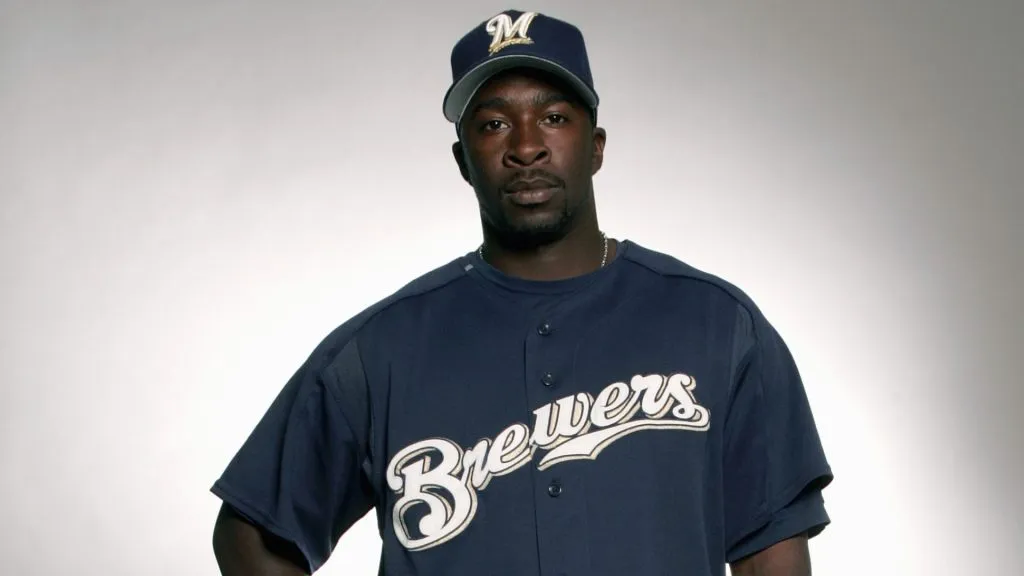
Bill Hall (Source: Jonathan Ferrey/Getty Images)
Bill Hall was the exciting, often unpredictable, heart-and-soul player of the Brewers during the mid-2000s rebuild. Few players offered the raw, athletic versatility that he did, successfully playing shortstop, third base, and center field—sometimes all in the same week.
His peak season came in 2006, where he became one of the few players in franchise history to join the 30-30 club, showcasing his rare combination of speed and sudden power. His tenure was marked by dramatic, late-inning home runs and an intensity that galvanized the clubhouse, making him a dynamic, if sometimes streaky, key figure in the transition that led to the team’s return to relevance.
Rickie Weeks Jr.
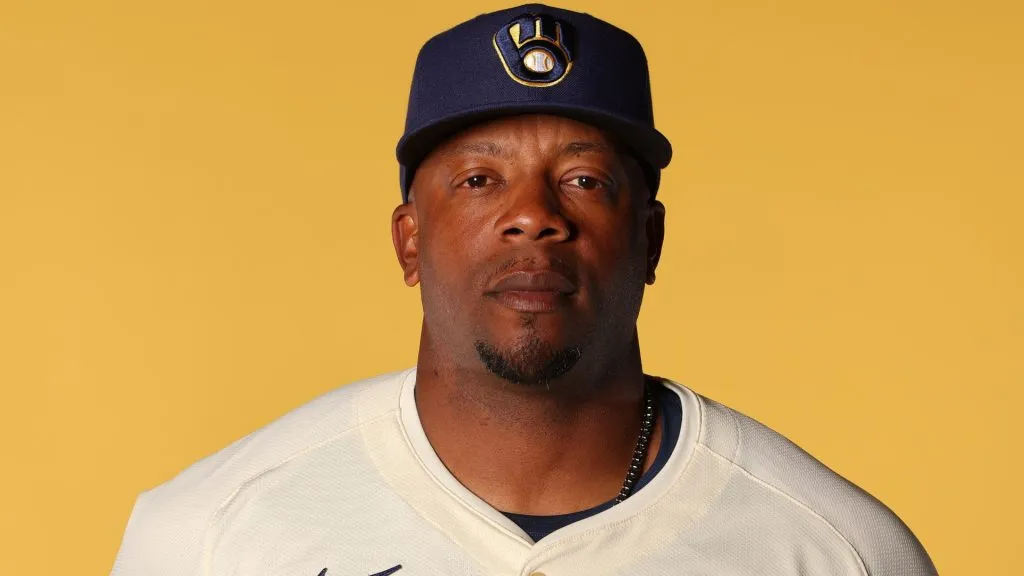
Rickie Weeks Jr. (Source: Michael Reaves/Getty Images)
When the Brewers needed a sparkplug at the top of the lineup, they turned to Rickie Weeks Jr. The second overall pick in the 2003 draft, he was an explosive, high-octane second baseman whose game revolved around speed, drawing walks, and surprising power.
His time was a mix of brilliant flashes and injury setbacks, but his best seasons were elite. In his All-Star campaign of 2011, he led the National League in hit by pitches while mashing 29 home runs and driving the offense for the NL Central Division winners.
He represented the early promise of the new generation of Brewers stars and provided the exciting, unpredictable engine that ignited the team’s modern postseason success.
Jeff Cirillo
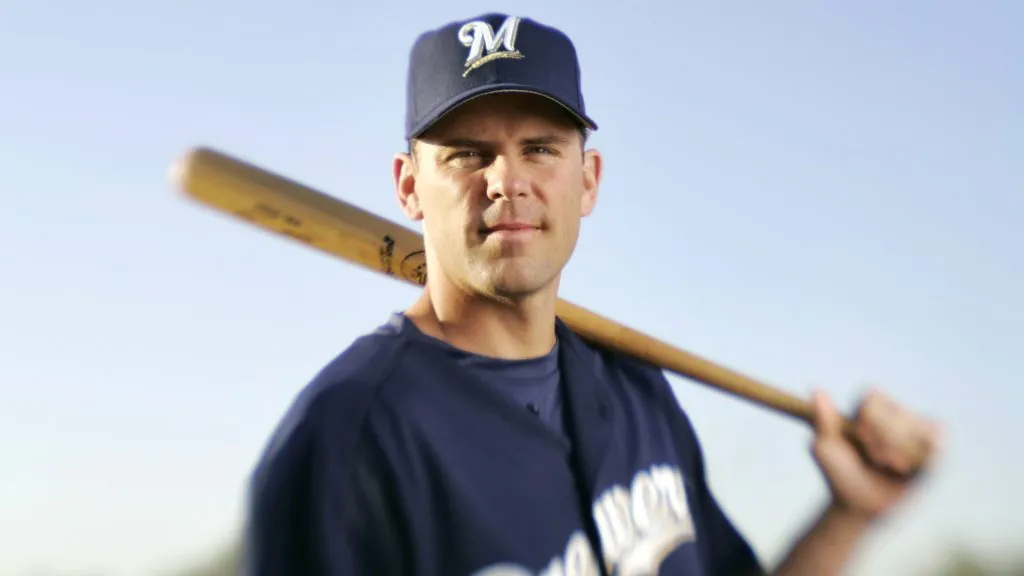
Jeff Cirillo (Source: Brian Bahr/Getty Images)
Often overlooked in discussions of Brewers’ greats, Jeff Cirillo was an absolute hitting machine during his time in Milwaukee. A two-time All-Star, Cirillo defined consistency at third base throughout the late 1990s. His batting average was routinely among the league’s best; between 1996 and 1999, he averaged a remarkable .319 average, leading to a fourth-place finish in the 1996 batting race.
He was celebrated for his high contact rate and low strikeout totals, compiling multiple 200-hit seasons. While his teams struggled during that era, his individual performance was a shining example of offensive excellence and relentless plate discipline.
CC Sabathia
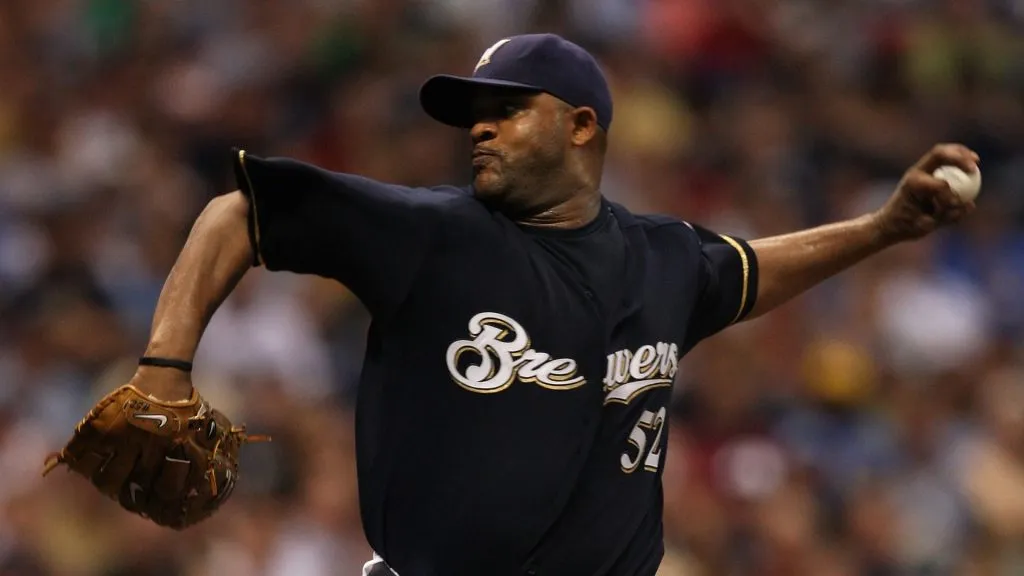
CC Sabathia (Source: Jonathan Daniel/Getty Images)
Few short-term acquisitions have had the lasting, heroic impact of CC Sabathia. Acquired midway through the 2008 season, the dominant left-hander didn’t just pitch; he carried the entire team on his broad shoulders during their historic push for the playoffs.
In a monumental act of dedication, he started on three days’ rest three times in September and even tossed a complete game on the final day of the regular season to clinch the Wild Card spot.
His 17 starts for Milwaukee resulted in an astounding 11-2 record with a 1.65 ERA, a legendary, high-leverage performance that secured the Brewers’ first postseason berth in 26 years. His stint was short, but it remains arguably the most clutch, dominant run by any pitcher in franchise history.
George Scott
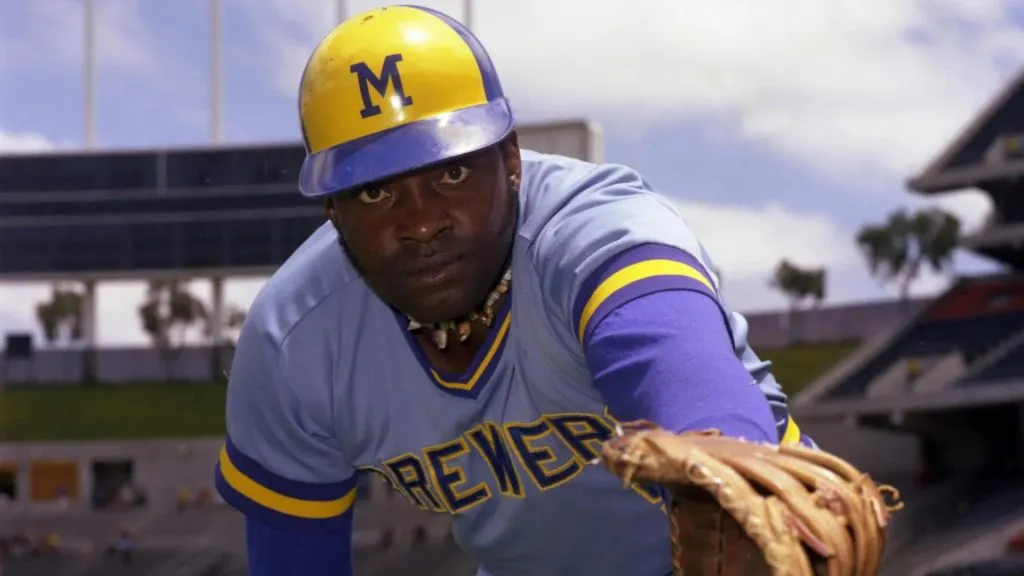
George Scott (Source: Baseball Hall of Fame)
A formidable presence on and off the field, George “Boomer” Scott was the original power-hitting first baseman for the expansion Brewers. Acquired in the trade that brought him from Boston in 1972, he immediately became the team’s offensive engine.
He led the American League in home runs and RBIs in 1975, providing much-needed legitimacy and excitement during the franchise’s early years. Known for his charisma, monstrous power, and fantastic defense at first base, he was a genuine fan favorite. “Boomer” laid the groundwork for the power hitters who would follow, establishing a precedent for offensive dominance in Milwaukee.
Josh Hader
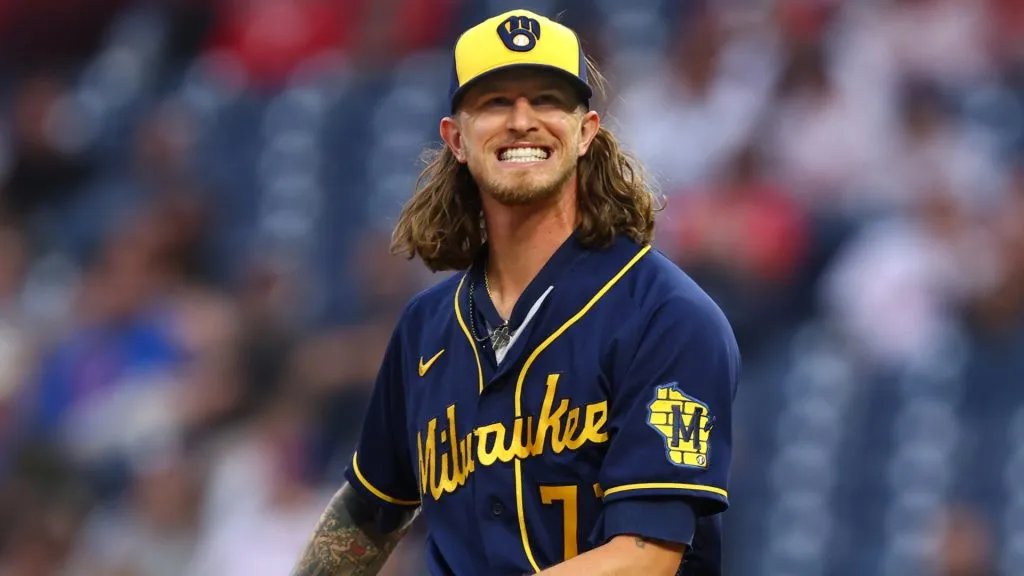
Josh Hader (Source: Rich Schultz/Getty Images)
In the age of specialized pitching, Josh Hader redefined what dominance looked like for a relief pitcher. With his unique, sling-shot delivery and triple-digit fastball, he was arguably the most feared closer in baseball during his tenure in Milwaukee. Arriving in 2017, he quickly transitioned from a versatile long reliever to a lockdown fireman, earning three National League Reliever of the Year awards with the Brewers.
His peak was characterized by unprecedented strikeout rates, often pitching multiple innings in high-leverage situations—a throwback to the firemen of old, yet done with modern, explosive velocity. His electrifying presence in the ninth inning became the signature feature of the Brewers’ modern playoff teams, establishing him as one of the most statistically dominant closers in franchise history.
Don Money
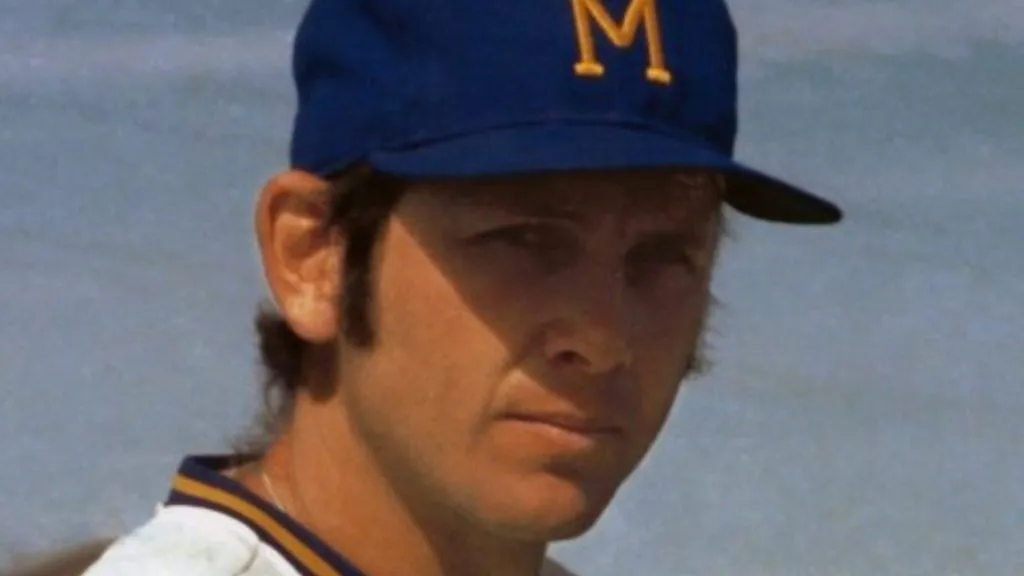
Don Money (Source: Brewer Fanatic)
Few players provided the rock-steady consistency and versatility of Don Money. Acquired from the Phillies in 1973, he quickly became the cornerstone of the Brewers’ infield for a decade. A four-time All-Star, he wasn’t flashy, but his bat was consistently reliable, posting a career average of .275 with the club.
He was the rare workhorse who excelled at third base, shortstop, and second base, providing immense defensive flexibility during the team’s transition from expansion club to contender.
Critically, he provided the quiet, professional leadership that helped form the nucleus of the eventual “Wallbangers” squad, cementing his status as one of the most underrated and valuable players in the organization’s history.
Teddy Higuera
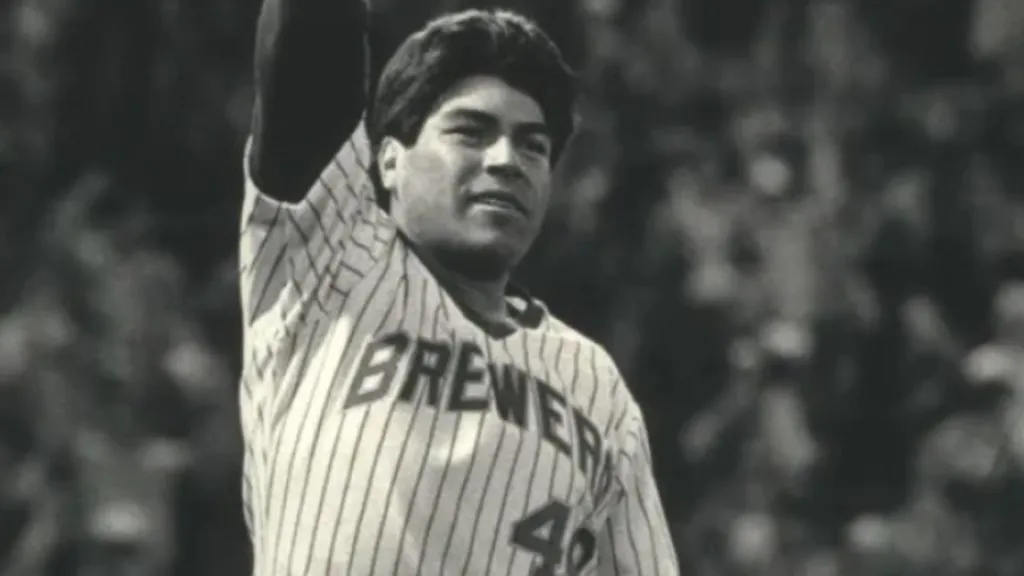
Teddy Higuera (Source: This Day In Baseball)
Teddy Higuera was a revelation on the mound, a masterful left-hander whose dominance in the late 1980s provided one of the few bright spots for the Brewers during a difficult era. Hailing from Los Mochis, Mexico, he burst onto the scene in 1985 and quickly established himself as a durable, high-strikeout pitcher.
His signature year came in 1987, when he earned his lone All-Star nod and finished second in the Cy Young voting after posting a remarkable 18-10 record and striking out 240 batters. He was a complete pitcher, employing pinpoint control and a sharp curveball that kept hitters off balance.
He holds the distinction of being the only Brewers pitcher to record three consecutive seasons of 200 or more strikeouts, leaving an indelible mark as one of the franchise’s most talented southpaws.
Dan Plesac
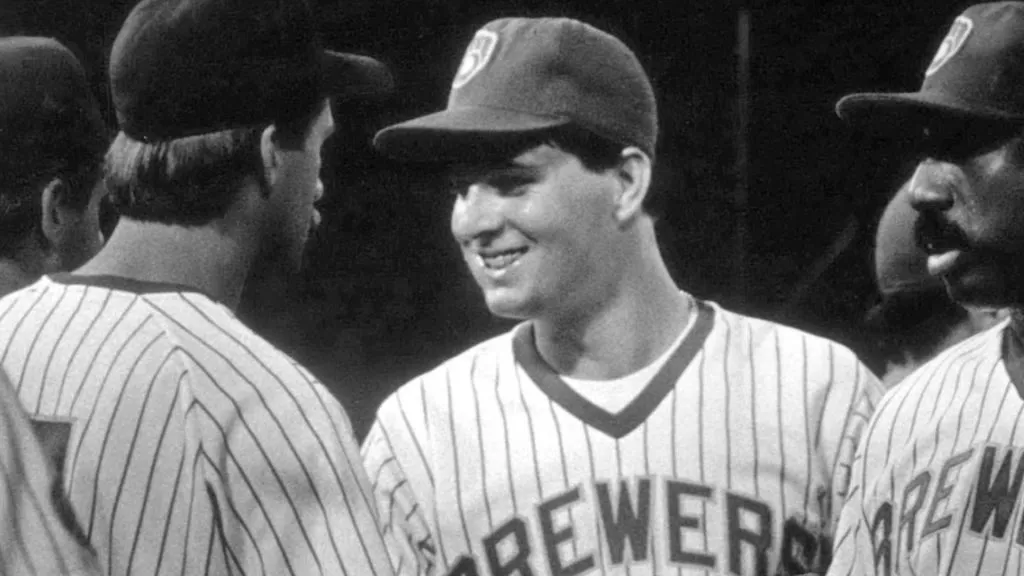
Dan Plesac (Source: Brewer Fanatic)
For over a decade, Dan Plesac was the reliable, intimidating presence anchoring the back end of the Brewers’ bullpen. Drafted in 1983, the left-hander spent his first ten seasons in Milwaukee, earning three All-Star selections as a dominant relief pitcher.
He was known for his durability and his blazing fastball, transitioning seamlessly between setup work and closing duties. He recorded 133 saves for the Brewers, a franchise record at the time of his departure, and consistently provided the high-leverage outs needed to bridge the gap to the later innings. His tenure established a legacy of left-handed relief excellence that set the standard for subsequent Brewers bullpen stars.