Winning streaksare baseball’s rarest currency. They demand precision and timing, turning ordinary stretches of a season into moments that feel untouchable. When victories pile up night after night, records begin to feel within reach.
Across more than a century of MLB, only a select few teams have managed to sustain perfection long enough to challenge history. Some emerged from dominant eras, others surged unexpectedly, but all left a measurable mark.
From the rough edges of the dead-ball era to the calculated efficiency of modern rosters, some streaks did more than decide standings. They shifted momentum, defined legacies and sparked debates that still linger in baseball lore.
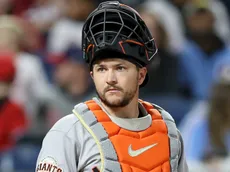
New York Giants – 26 consecutive wins (1916)
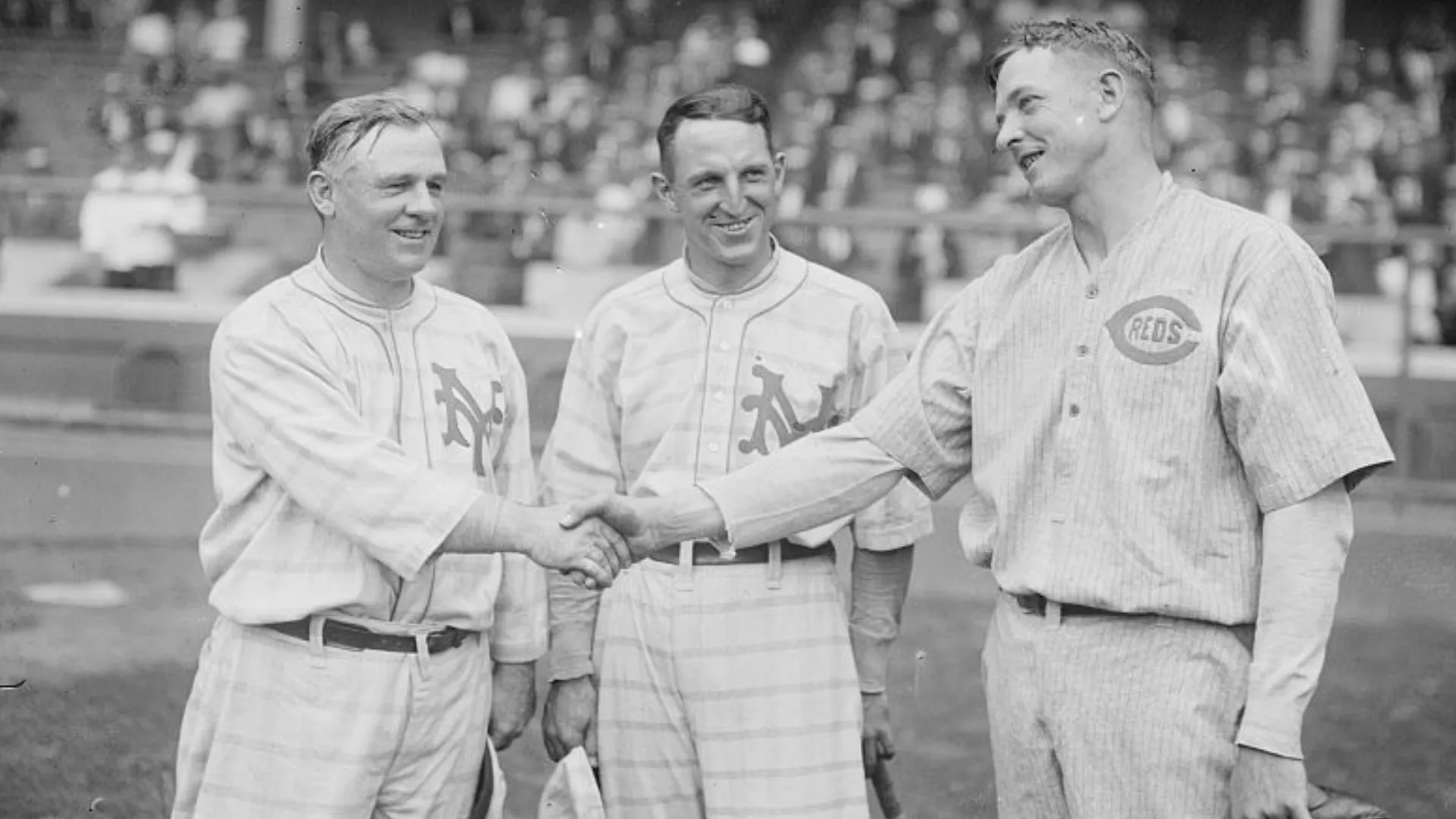
New York Giants (Source: Society for American Baseball Research)
The most iconic winning streak in Major League Baseball history belongs to the 1916 New York Giants (now known as San Francisco Giants), a team that turned a rocky season into a legendary chapter. Managed by the formidable John McGraw, the Giants rattled off 26 straight victories in September 1916, setting a benchmark that still stands today.
One peculiar detail adds historical texture to the record: the streak includes a tie game suspended by rain, which—under the rules of the era—did not interrupt the run. What makes the feat even more remarkable is its outcome. Despite the historic surge, the Giants finished fourth in the National League, proving that even baseball’s greatest streaks don’t always lead to championships.
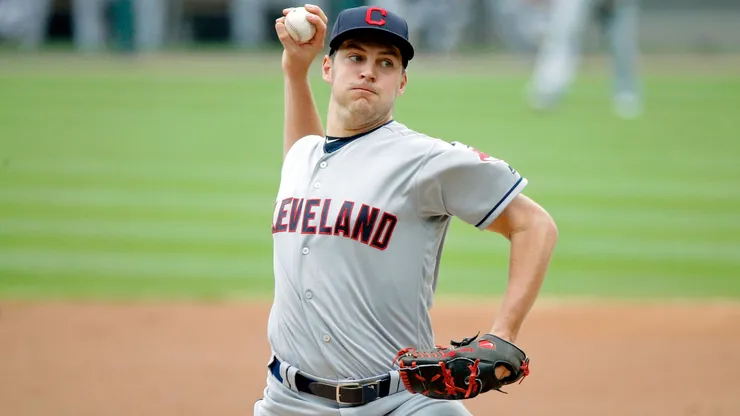
Cleveland Guardians – 22 consecutive wins (2017)
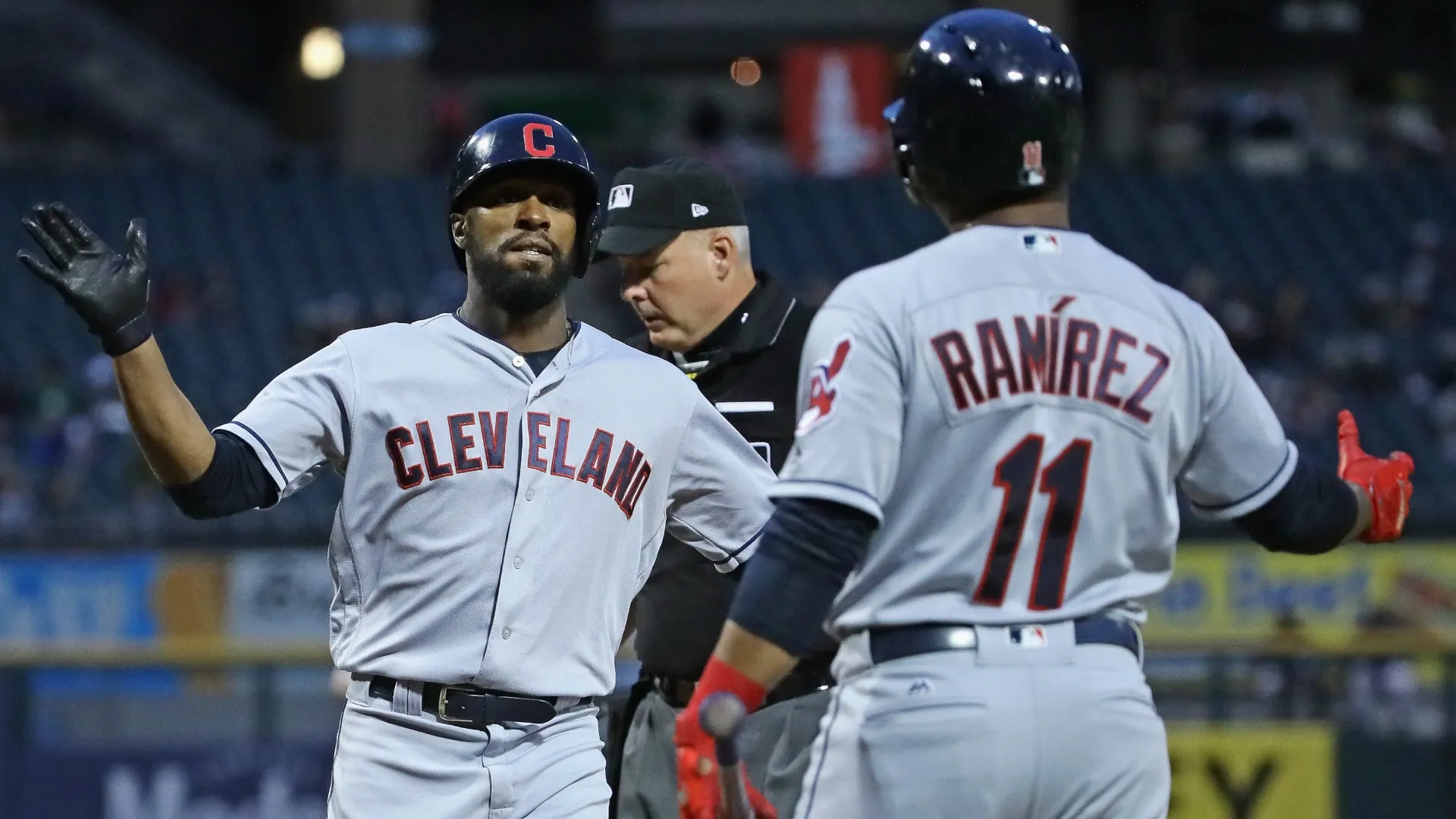
Cleveland Guardians (Source: Jonathan Daniel/Getty Images)
The longest winning streak in American League history came from the Cleveland Guardians in 2017, when the club surged through late summer with 22 straight victories. What began as a strong playoff push quickly transformed into one of the most dominant stretches of the modern MLB era.
Unlike earlier historical streaks, Cleveland’s run was uninterrupted by ties or scheduling quirks, which sparked debate about its purity compared to older records. Although their postseason ended sooner than hoped, their late-season dominance remains one of the defining moments of 21st-century baseball.
Chicago Cubs – 21 consecutive wins (1935)
The 1935 Chicago Cubs produced one of the most decisive stretches of the pre-war era, stitching together 21 consecutive victories late in the season. What began as a tight pennant race quickly turned into a runaway charge, as Chicago capitalized on consistency at the plate and composure on the mound to separate itself from the rest of the National League.
Veteran leadership, particularly from catcher Gabby Hartnett, anchored the run, as the Cubs handled pressure situations with efficiency rather than flash. Although their season ultimately ended in a World Series defeat to the Detroit Tigers, the streak remains a defining moment in franchise history and one of the most influential late-season surges ever recorded.
Chicago White Stockings – 21 consecutive wins (1880)
Baseball looked very different in 1880, but dominance translated clearly then as it does now. The Chicago White Stockings rattled off 21 straight wins during a season in which they overwhelmed the National League, finishing with a remarkable 67–17 record and asserting control from start to finish.
Led by Cap Anson, Chicago thrived despite the challenges of early professional baseball—primitive travel, uneven playing conditions, and evolving rules. Their winning streak was not an anomaly but a reflection of sustained superiority, helping establish the White Stockings as one of the sport’s earliest powerhouses.
Oakland Athletics – 20 consecutive wins (2002)
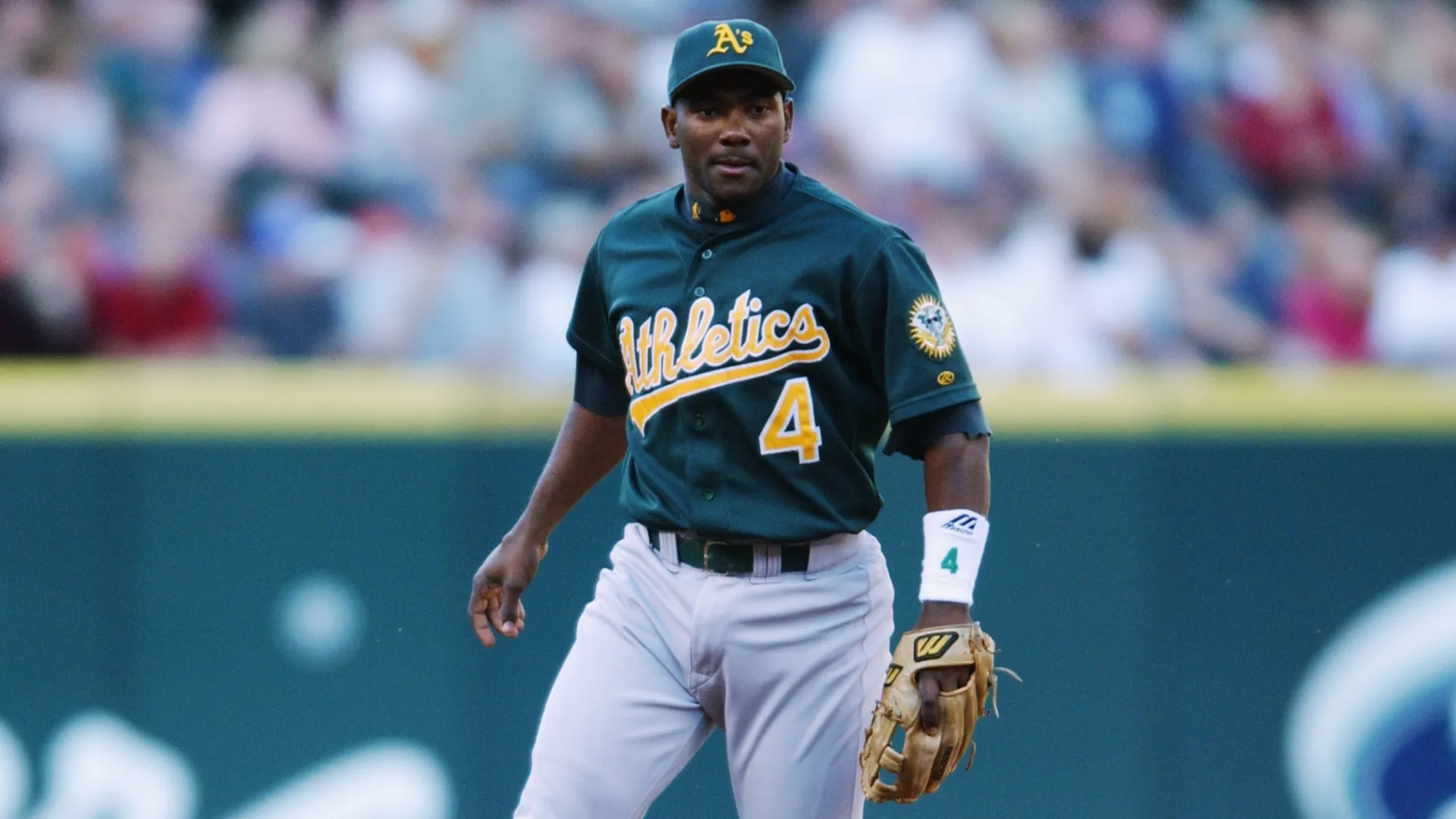
Miguel Tejada of the Oakland Athletics (Source: Otto Greule Jr/Getty Images)
The 2002 Oakland Athletics delivered one of the most memorable winning streaks of the modern era, capturing 20 straight victories in a season that redefined how teams could compete. Operating with a limited payroll, Oakland leaned on data-driven roster construction, bullpen depth, and matchup advantages to outlast more expensive opponents.
That run became the on-field proof of the Moneyball philosophy, later immortalized beyond the sport itself. While postseason success ultimately fell short, the streak remains a landmark moment that changed how front offices across MLB evaluated talent and efficiency.
Providence Grays – 20 consecutive wins (1884)
In the early days of Major League Baseball, the Providence Grays stood out as a dominant force, stringing together 20 consecutive victories during the 1884 season. Their success was fueled largely by pitching ace Old Hoss Radbourn, whose workload and effectiveness remain nearly unmatched in league history.
The streak propelled Providence toward a National League championship and highlighted the importance of elite pitching in an era with minimal specialization. Even by 19th-century standards, the Grays’ sustained excellence set a benchmark that few teams have approached since.
New York Yankees – 19 consecutive wins (1947)
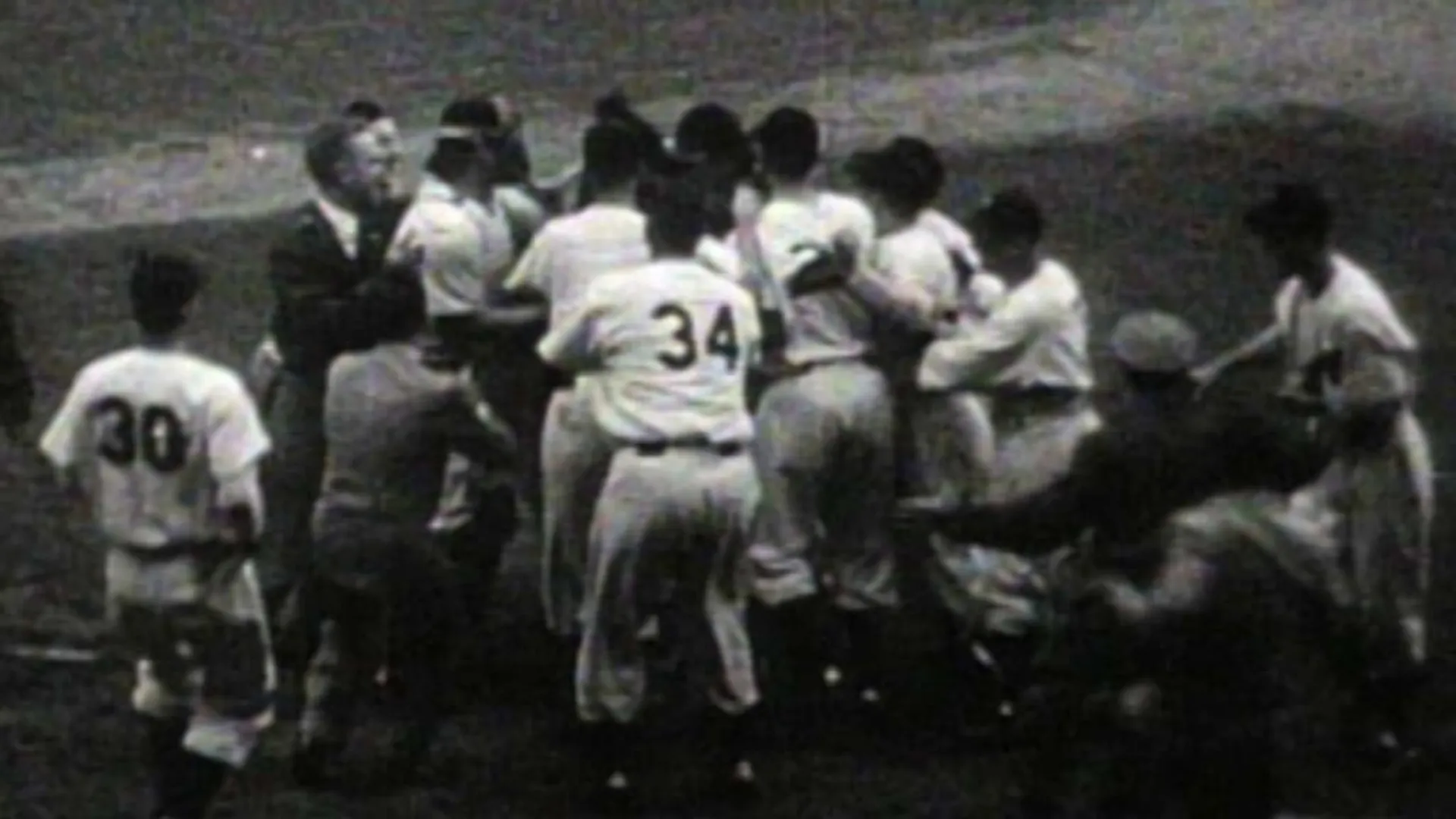
New York Yankees (Source: MLB)
The 1947 New York Yankees added another chapter to their dynasty with a 19-game winning streak that showcased the depth and balance of a championship-caliber roster. The run spanned home games, road trips, and doubleheaders, underscoring the team’s ability to maintain focus across demanding stretches of the schedule.
Rather than relying on a single superstar, multiple contributors stepped up throughout the streak, reflecting the organizational strength that defined the Yankees’ post-war era. It was a surge built on consistency—one that foreshadowed their eventual World Series triumph.
Chicago White Sox – 19 consecutive wins (1906)
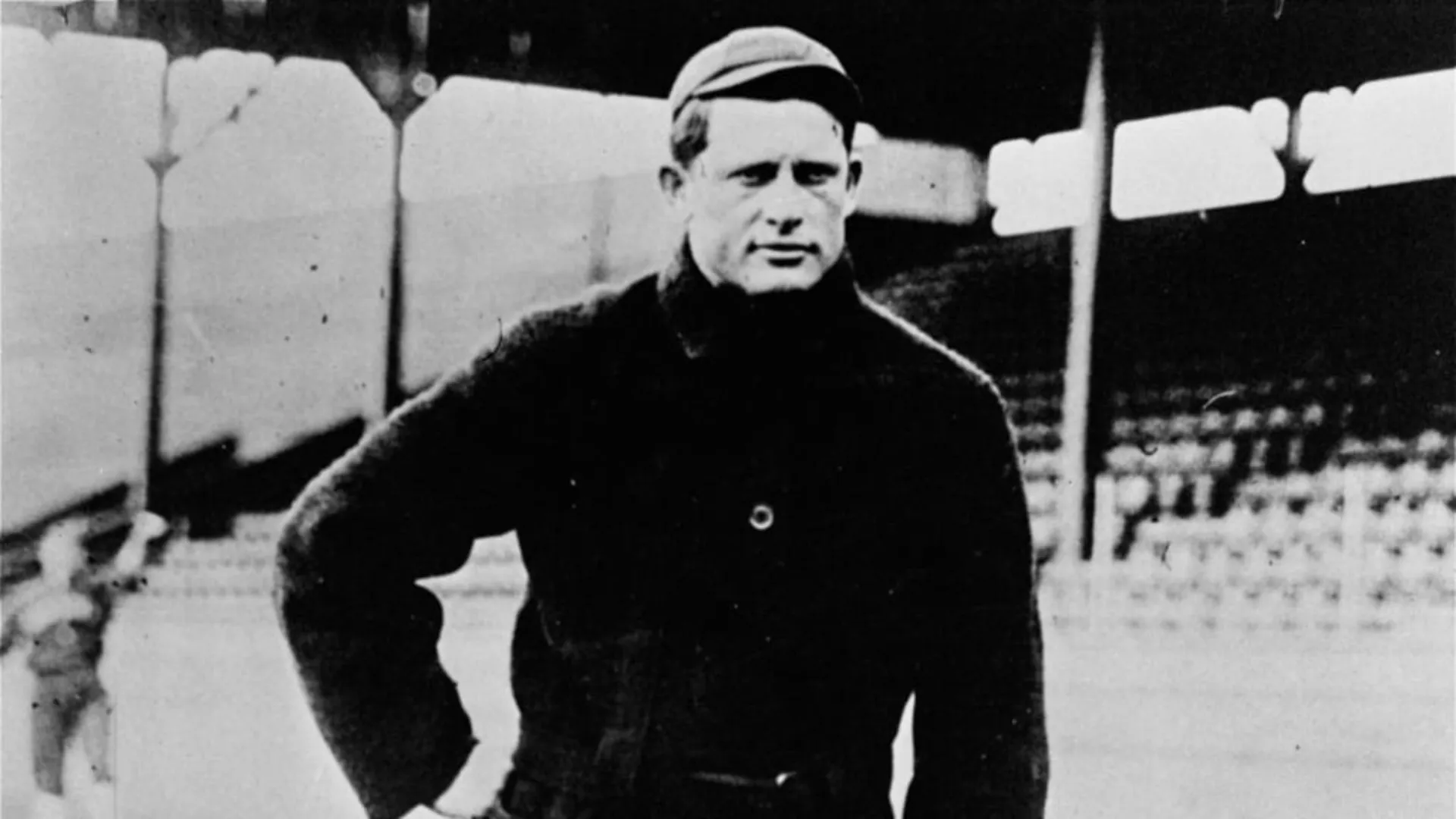
Ed Walsh of the Chicago White Sox (Soource: MLB)
Known famously as the “Hitless Wonders”, the 1906 Chicago White Sox leaned on elite pitching and defense to compile 19 straight wins, dramatically reshaping their season. At a time when offensive production was limited, Chicago excelled by controlling games and minimizing mistakes.
That momentum carried directly into October, where the White Sox stunned the heavily favored Cubs in the World Series. The streak became more than a statistical achievement—it was the foundation of one of the most improbable championship runs in baseball history.
| Rank | Team | Consecutive wins | Season |
| 1 | New York Giants | 26 | 1916 |
| 2 | Cleveland Guardians | 22 | 2017 |
| 3 | Chicago White Stockings | 21 | 1880 |
| 4 | Oakland Athletics | 20 | 2002 |
| 5 | Providence Grays | 20 | 1884 |
| 6 | New York Yankees | 19 | 1947 |
| 7 | Chicago White Sox | 19 | 1906 |