Baseball’s timeline is rich with icons who shaped its identity. From towering home runs to untouchable pitching streaks, every franchise has its legend: players who didn’t just play the game, they defined what it meant for generations.
Some names are etched in bronze, others whispered with reverence. Whether they dominated headlines or quietly built legacies, these athletes became more than stars—they became the heartbeat of their teams, embodying loyalty.
This list isn’t about stats alone. It’s a tribute to the singular figure who best represents each MLB club’s soul. Thirty teams, thirty legends. Some picks spark nostalgia, others debate—but all left a mark that still echoes through the ballpark.
Toronto Blue Jays – Roy Halladay
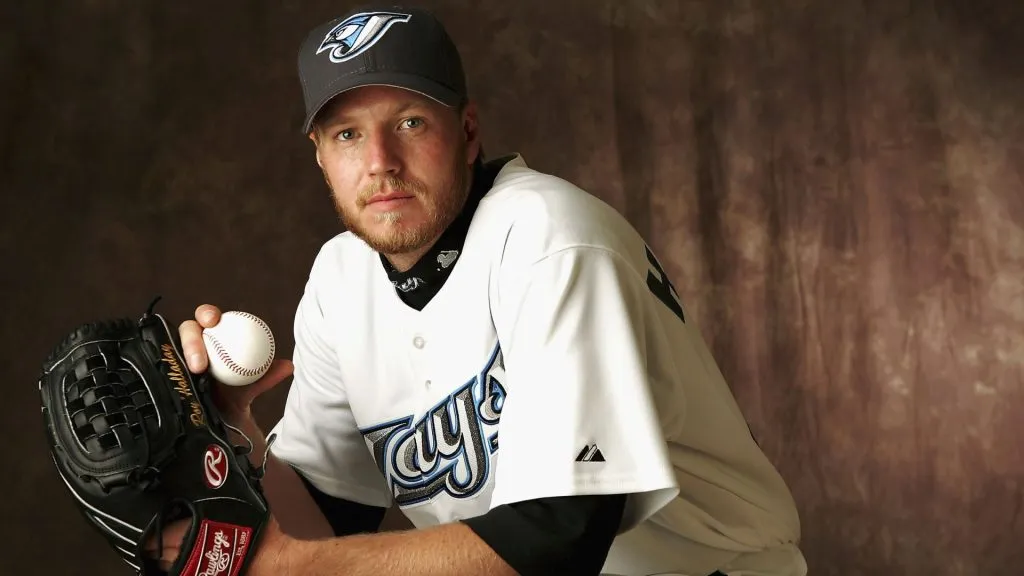
Roy Halladay #32 of the Toronto Blue Jays poses for a portrait during Blue Jays Photo Day at the Bobby Mattick Training Center on February 28, 2005. (Source: Andy Lyons/Getty Images)
Roy Halladay remains the face of excellence in Toronto Blue Jays history, a workhorse pitcher who defined consistency and dominance in the late 1990s and early 2000s. Known as “Doc,” he mastered the art of control and stamina, leading the league in innings pitched year after year.
His trademark sinker and devastating cutter made him one of the most feared arms in baseball, and his presence on the mound gave Toronto an identity during a transitional era. Beyond his statistics, he embodied professionalism and determination, qualities that earned him two Cy Young Awards and eight All-Star appearances.
In an organization searching for heroes after its World Series titles in the early ’90s, he carried the torch with poise. His Hall of Fame induction in 2019 ensured his legacy would live on, not only as a Blue Jays legend but as one of the greatest pitchers the game has ever seen.
New York Yankees – Babe Ruth
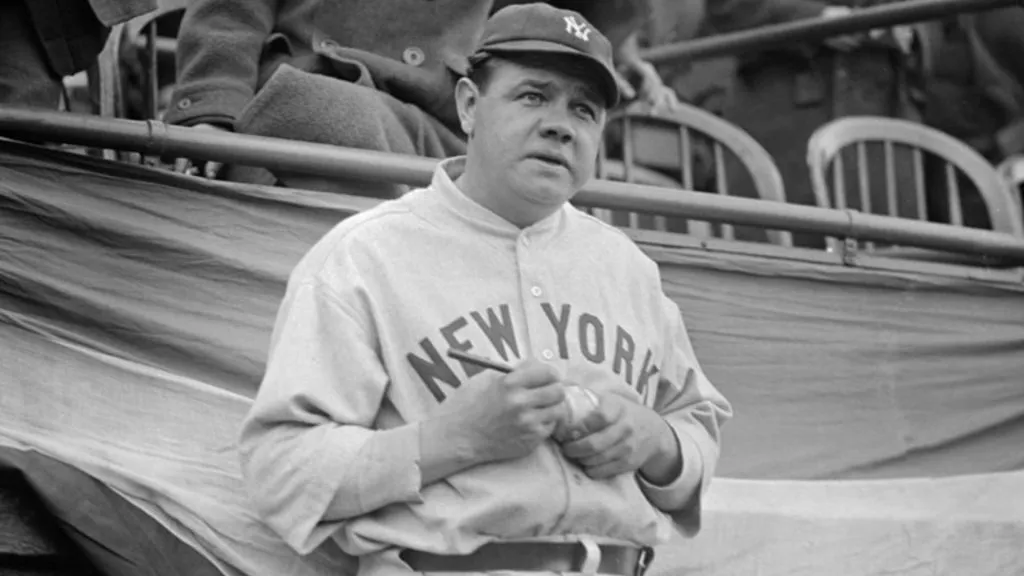
Babe Ruth (Source: Alternative Detailing Solutions)
Few figures in baseball history have cast a shadow as long as Babe Ruth. From 1914 to 1935, “The Colossus of Clout” redefined the game, blending raw power with charisma that captivated fans and redefined the Yankees’ legacy.
A left-handed slugger with an unparalleled ability to drive the ball, he launched 714 career home runs—a record that stood for decades. His 1927 season, where he hit 60 home runs, remains a benchmark of offensive excellence.
But his impact transcended statistics. His larger-than-life persona and ability to perform in clutch moments made him a cultural icon. He led the Yankees to four World Series titles and became synonymous with the team’s dominance in the 1920s and 1930s.
His influence extended beyond the diamond, as he became a symbol of the American spirit, embodying the optimism and resilience of the era. For generations of fans, he remains the epitome of baseball greatness.
Tampa Bay Rays – Carl Crawford
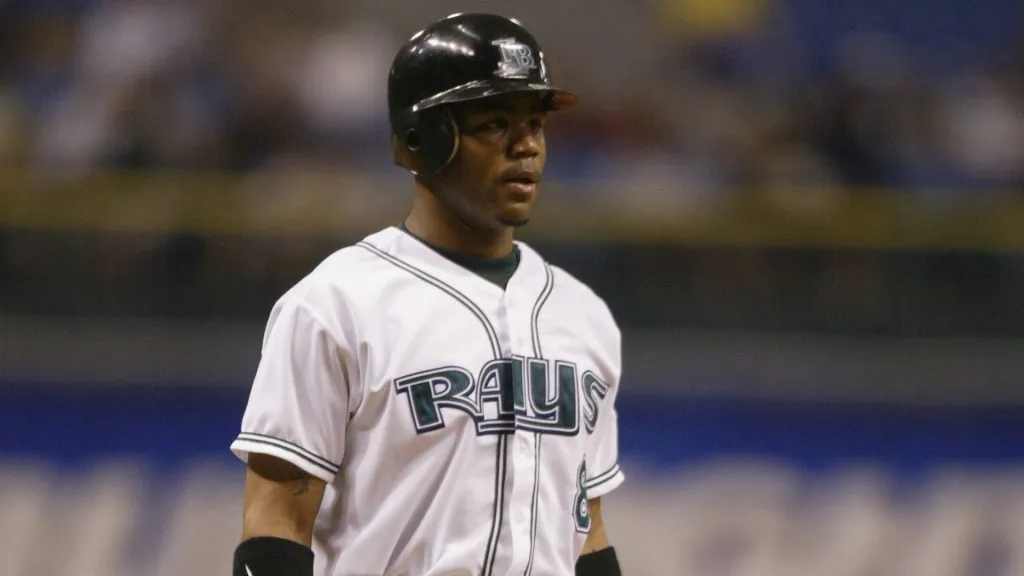
Left fielder Carl Crawford #8 of the Tampa Bay Devil Rays stands on the base during the game against the New York Yankes on September 17, 2002. (Source: Andy Lyons/Getty Images)
Carl Crawford’s legacy with the Tampa Bay Rays is a testament to the power of homegrown talent and the impact of electrifying speed on the game. Drafted in the second round of the 1999 MLB Draft, he debuted for the Rays in 2002, quickly establishing himself as a cornerstone of the franchise.
Over his nine seasons with Tampa Bay, he amassed 1,480 hits, 409 stolen bases, and 105 triples, all franchise records that still stand today. His ability to disrupt opposing pitchers and defenses with his speed was unparalleled, making him one of the most dynamic players in the league during his tenure.
In recognition of his contributions, he was inducted into the Tampa Bay Rays Hall of Fame in 2023, solidifying his place as one of the greatest players in the team’s history. His impact extended beyond statistics; he was a four-time All-Star, a Gold Glove Award winner in 2010, and the 2009 All-Star Game MVP.
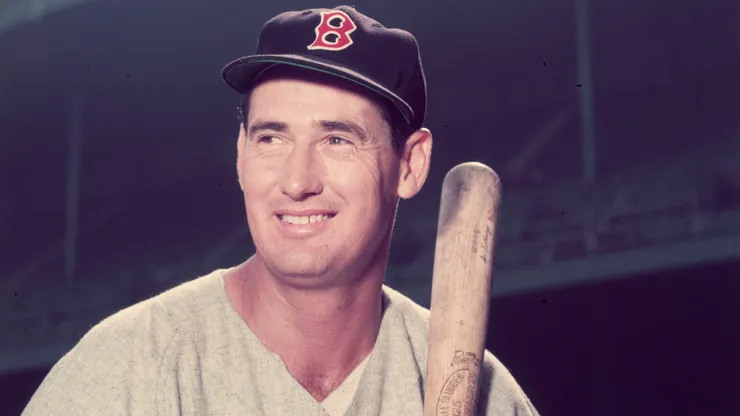
Boston Red Sox -Ted Williams
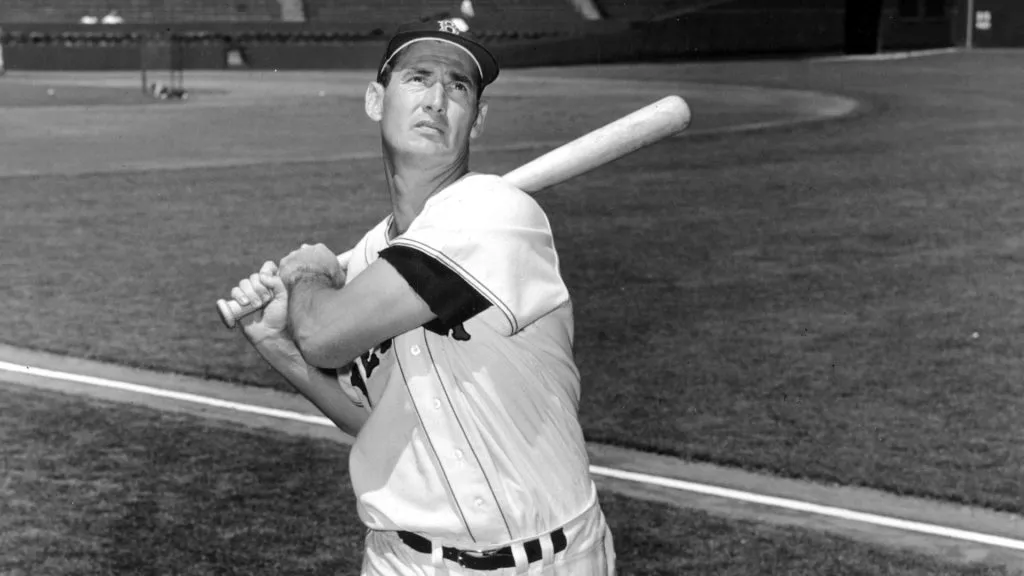
Baseball legend Ted Williams (1918 – 2002) of the Boston Red Sox swings a bat circa 1955. (Source: Getty Images)
Ted Williams once said he wanted to be remembered as “the greatest hitter who ever lived.” Mission accomplished. From 1939 to 1960, he played his entire career with the Red Sox, hitting .344 with 521 home runs and a jaw-dropping .482 on-base percentage. He won two MVPs, two Triple Crowns, and six batting titles.
In 1941, he hit .406—the last player to bat over .400 in a season. He missed nearly five full seasons serving in World War II and the Korean War, yet still ranks among the all-time leaders in nearly every offensive category. His No. 9 is retired, and his legacy is eternal. For Boston, he is not just the greatest—he’s the standard of perfection.
Baltimore Orioles – Cal Ripken Jr.
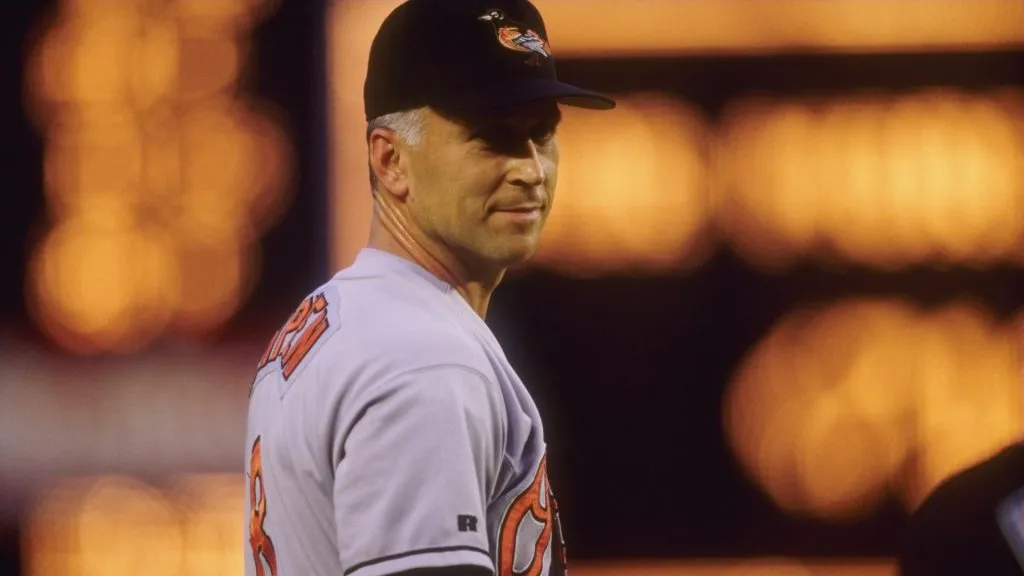
Cal Ripken Jr. of the Baltimore Orioles. (Source: @mlbespanol)
Cal Ripken Jr. didn’t miss a game—and Baltimore never missed a chance to cheer him. From 1981 to 2001, Ripken played 2,632 consecutive games, shattering Lou Gehrig’s record and earning the nickname “Iron Man.” But he was more than durable—he was elite.
He hit 431 home runs, collected 3,184 hits, and won two MVPs. He was a 19-time All-Star, a World Series champion in 1983, and a pioneer for tall, power-hitting shortstops. His 1995 record-breaking game was voted the most memorable moment in MLB history.
His No. 8 is retired, and his statue stands outside Camden Yards. For the Orioles, he is not just the greatest—he’s the embodiment of loyalty, excellence, and endurance.
Cleveland Guardians – Bob Feller
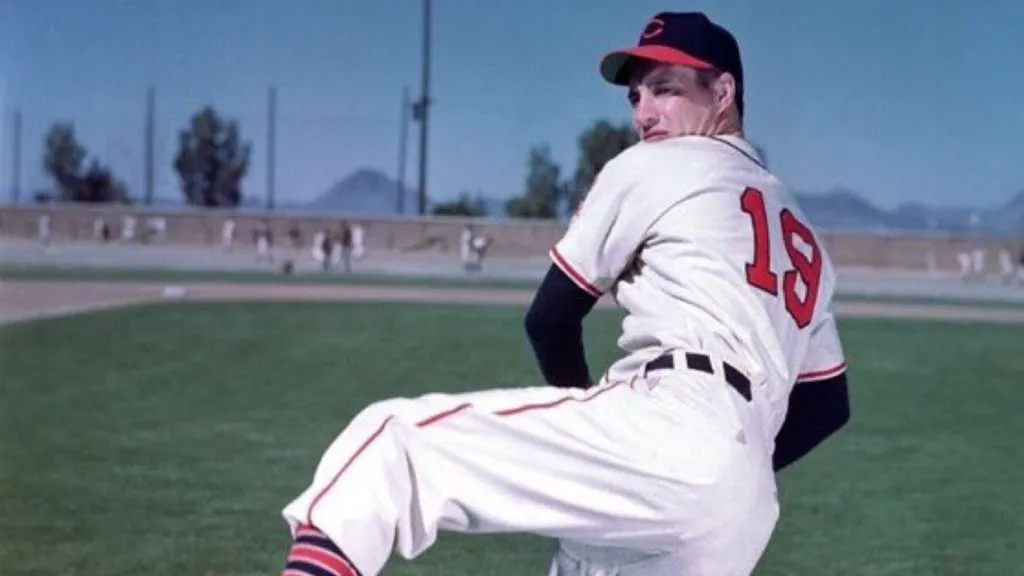
Bob Feller of the Cleveland Guardians. (Source: @OleTimeHardball)
Bob Feller was throwing 100 mph before radar guns existed—and doing it at age 17. Known as “Rapid Robert,” Feller spent his entire 18-year career with Cleveland, winning 266 games and striking out 2,581 batters.
He led the league in wins six times and strikeouts seven times, threw three no-hitters, and won a World Series in 1948. His 1946 season—348 strikeouts after returning from World War II—remains one of the most dominant in history. He enlisted in the Navy the day after Pearl Harbor, sacrificing four prime seasons to serve his country.
His No. 19 is retired, and he was inducted into the Hall of Fame in 1962. For the Guardians, he is not just the greatest—he’s a symbol of power, patriotism, and pride.
Minnesota Twins – Kirby Puckett
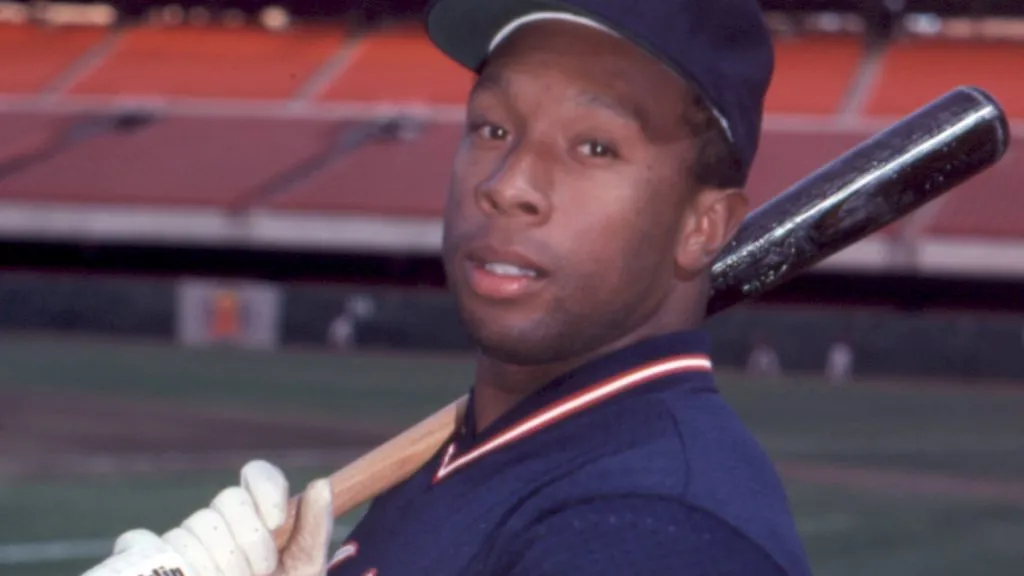
Kirby Puckett of the Minnesota Twins. (Source: @baseballhall)
Kirby Puckett was the face of the Minnesota Twins from 1984 to 1995, dazzling fans with his smooth swing, exceptional defense, and infectious energy. A ten-time All-Star and six-time Gold Glove winner, he helped lead the Twins to two World Series titles (1987, 1991), cementing his place as one of the franchise’s all-time greats.
Beyond statistics, his leadership and charisma defined his legacy. His clutch hitting and fearless outfield play inspired teammates and captivated fans, creating memorable moments that are still celebrated in Minnesota sports history.
Chicago White Sox – Frank Thomas
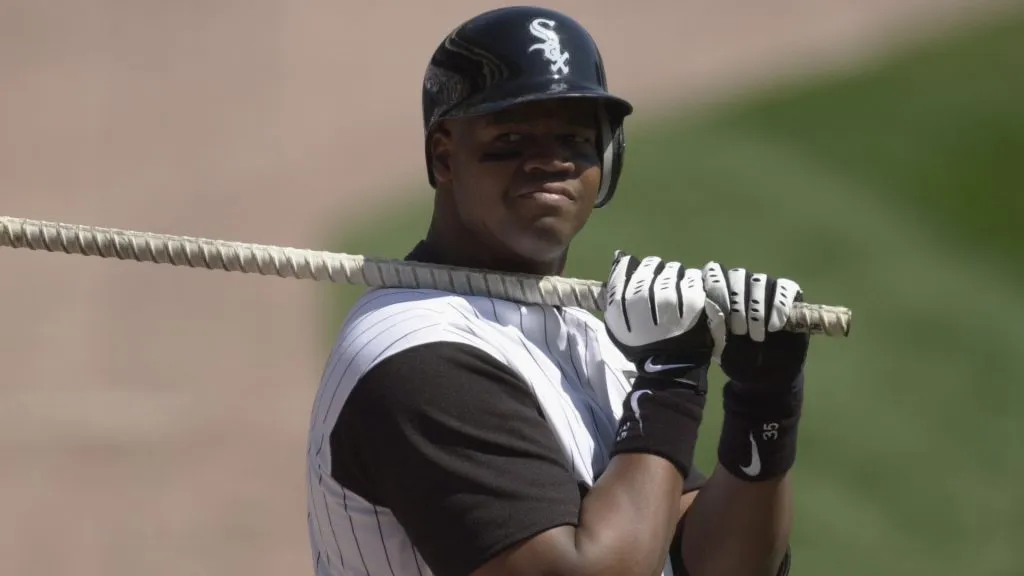
Frank Thomas #35 of the Chicago White Sox awaits his turn to bat against the Baltimore Orioles during the game at Comiskey Park in 2000. (Source: Jonathan Daniel/Getty Images)
Frank Thomas dominated as the White Sox’s cornerstone from 1990 to 2008. Nicknamed “The Big Hurt,” Thomas combined elite power and plate discipline, finishing his career with 521 home runs and a .301 batting average. His back-to-back AL MVP awards in 1993 and 1994 highlight his era-defining impact.
He wasn’t just a slugger; his keen eye and approach at the plate set a standard for hitters across the league. His leadership and consistency made him a franchise icon and a perennial All-Star, solidifying his status as Chicago’s most legendary player.
Detroit Tigers – Ty Cobb
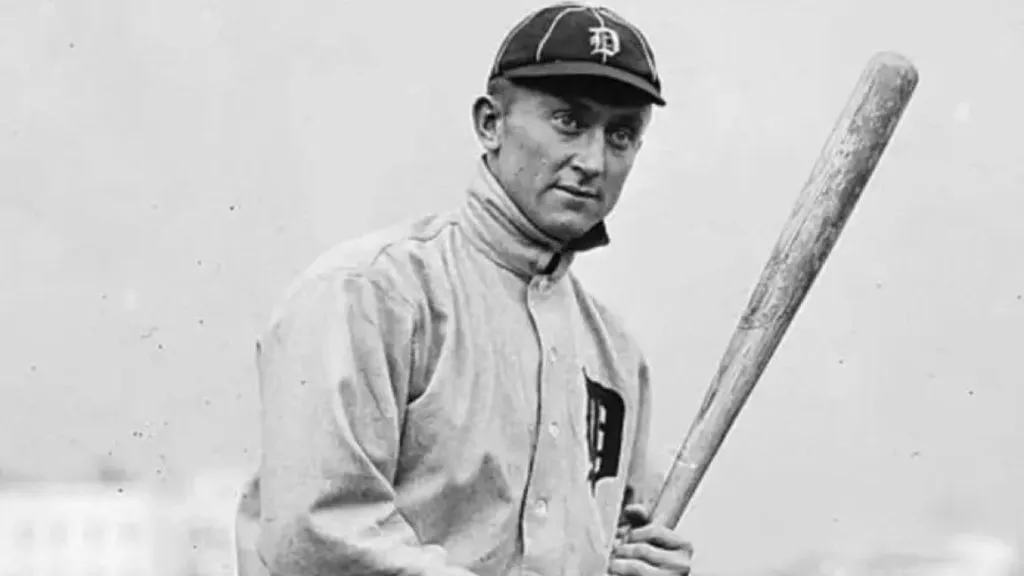
Ty Cobb of the Detroit Tigers. (Source: @OleTimeHardball)
Ty Cobb, one of baseball’s earliest superstars, played for the Tigers from 1905 to 1926. Known for his fierce competitiveness, he set records for career hits (4,189) and stolen bases (897) that stood for decades. His aggressive style and unmatched batting skill made him a cornerstone of the Tigers’ history.
His influence extended beyond stats. His intensity, work ethic, and understanding of the game helped shape modern baseball, making him not just a Tigers legend but a pioneering figure in the sport.
Kansas City Royals – George Brett
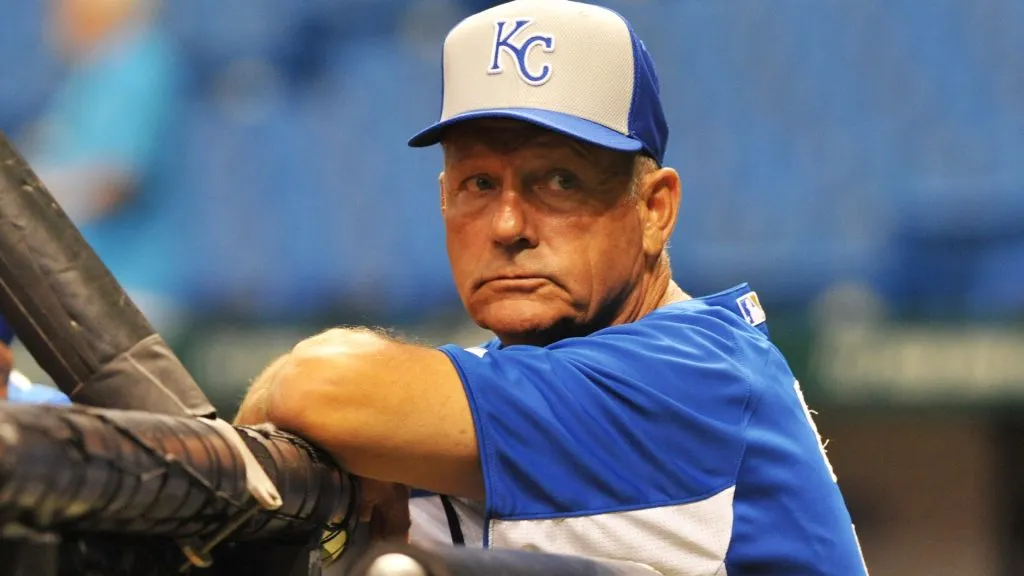
Hitting coach George Brett of the Kansas City Royals watches batting practice before play against the Tampa Bay Rays June 13, 2013. (Source: Al Messerschmidt/Getty Images)
George Brett’s career with the Royals spanned from 1973 to 1993, defining an era for Kansas City baseball. Known for his sweet swing and fierce competitiveness, he hit over .300 in 17 seasons and collected 3,154 hits, making him one of the most consistent hitters in MLB history.
His legacy includes a memorable 1980 season batting .390 and leading the Royals to a World Series championship in 1985. His leadership, passion, and clutch performances cemented his status as Kansas City’s greatest player.
Seattle Mariners – Ken Griffey Jr.
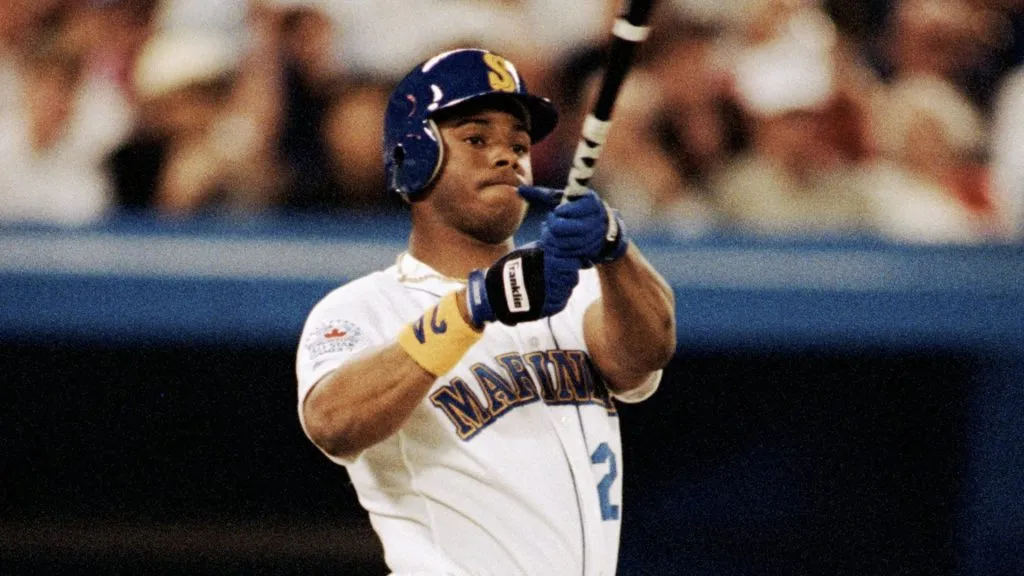
Ken Griffey Jr. #24 of the Seattle Mariners bats during the1991 All-Star Game at the Toronto Sky Dome on July 9, 1991. (Source: Rick Stewart/Getty Images)
Ken Griffey Jr., known as “The Kid,” electrified the Mariners from 1989 to 1999 and again in 2009. Renowned for his smooth swing and acrobatic defense in center field, he hit 417 of his 630 career home runs with Seattle, earning 10 All-Star selections and 10 Gold Gloves.
His charisma and highlight-reel plays made him a fan favorite and helped establish the Mariners as a respected franchise. His impact extended beyond numbers, inspiring a generation of young players and leaving an enduring legacy in Seattle.
Los Angeles Angels – Mike Trout
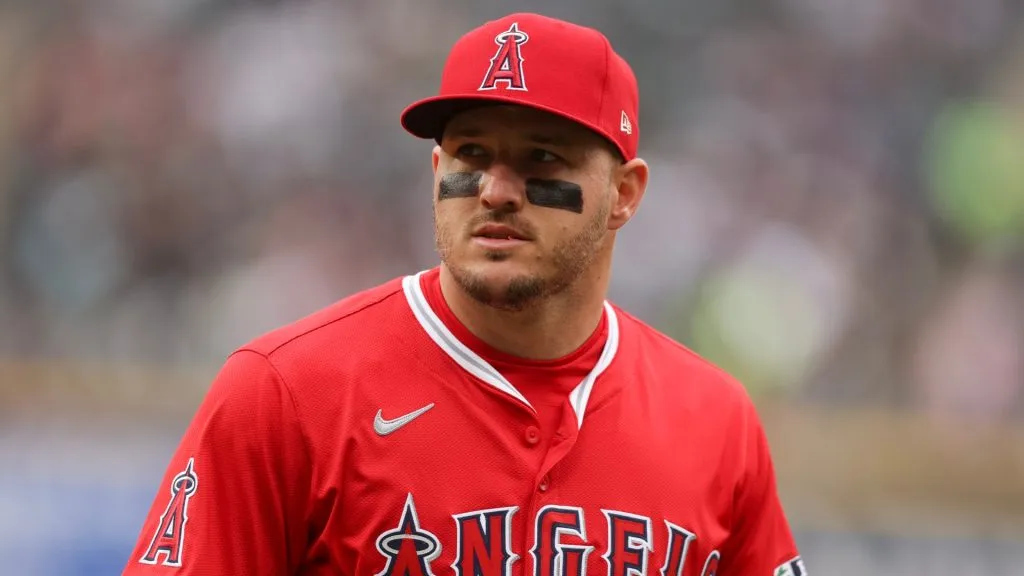
Mike Trout #27 of the Los Angeles Angels looks on during the first inning against the Chicago White Sox on Opening Day at Rate Field on March 27, 2025. (Source: Geoff Stellfox/Getty Images)
In the modern era, few players have embodied consistency and excellence like Mike Trout. Since his debut in 2011, he has been the cornerstone of the Los Angeles Angels, combining power, speed, and an innate understanding of the game.
With a career batting average of .296, 398 home runs, and over 1,000 RBIs, his numbers speak volumes. His accolades include three MVP awards, nine All-Star selections, and eight Silver Slugger awards, underscoring his dominance in the league.
Beyond the statistics, his approach to the game is characterized by a relentless work ethic and a commitment to continuous improvement. His ability to perform under pressure and lead by example has made him a respected figure both on and off the field.
Oakland A’s – Rickey Henderson
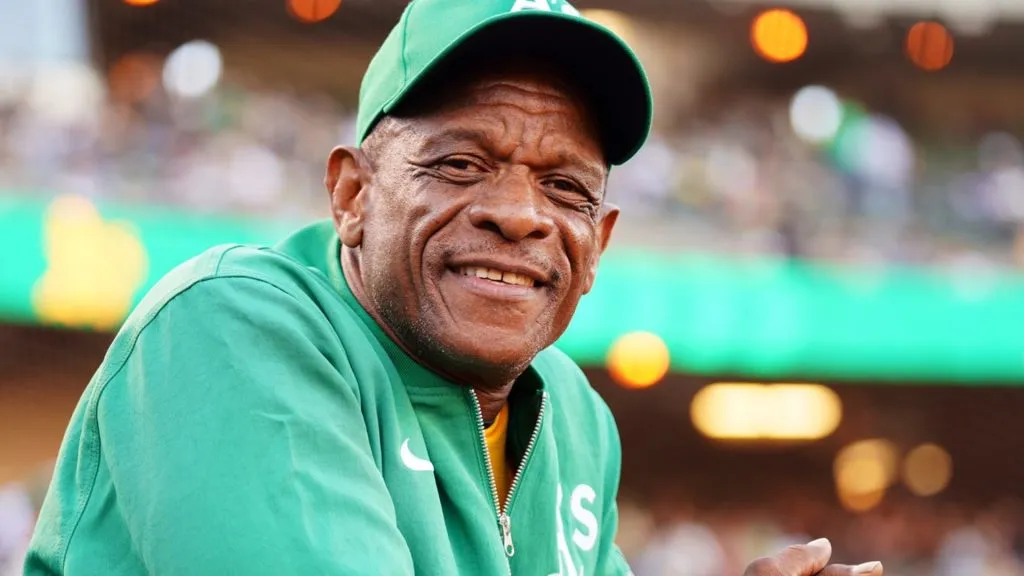
Rickey Henderson of the Oakland A’s. (Source: @Section925)
Rickey Henderson, a career-long threat on the basepaths, spent key years with the Oakland A’s, redefining the leadoff hitter role. He stole 1,406 bases and scored 2,295 runs over his MLB career, making him arguably the most dangerous player at the top of the order in baseball history.
Beyond his speed, his leadership and baseball IQ elevated Oakland’s lineup. His ability to change games with a stolen base or timely hit ensured his place as the A’s all-time great and a Hall of Fame icon.
Houston Astros – Nolan Ryan
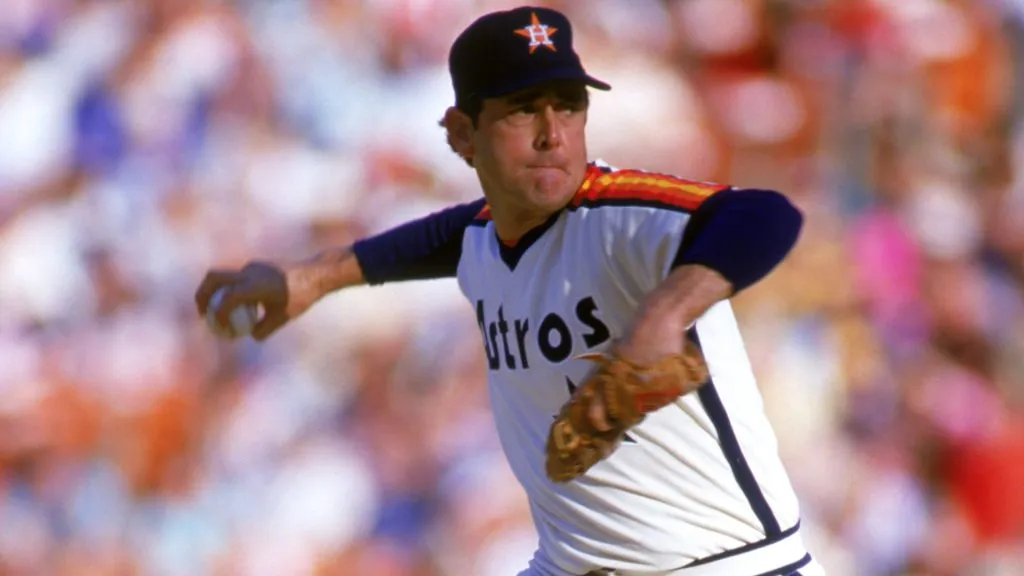
Nolan Ryan #34 of the Houston Astros pitches during a game in the 1986 season. (Source: Stephen Dunn/Getty Images)
Nolan Ryan, legendary for his overpowering fastball, spent significant years with the Houston Astros (1980–1988). He recorded 5,714 career strikeouts, the most in MLB history, and threw seven no-hitters, showcasing a blend of dominance and durability rare in the sport.
His presence on the mound transformed the Astros’ pitching staff and set an intimidating tone for opponents. His longevity and competitive spirit made him one of baseball’s most iconic pitchers and cemented his legacy in Houston.
New York Mets – Tom Seaver
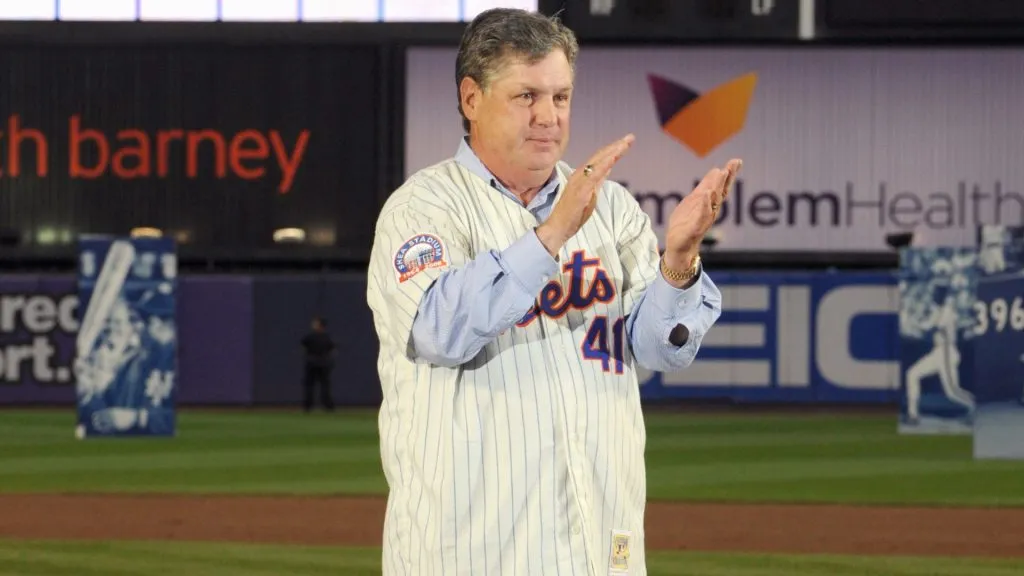
Former Mets players Tom Seaver waves to the fans at home plate after the game against the Florida Marlins to commemorate the last regular season baseball game ever played in 2008. (Source: Al Bello/Getty Images)
Tom Seaver didn’t just pitch for the Mets—he gave them legitimacy. Known as “Tom Terrific” and “The Franchise,” Seaver arrived in 1967 and transformed the team from lovable losers into World Series champions. In 1969, he won 25 games and led the Mets to their first title, earning the Cy Young Award and a permanent place in New York lore.
Seaver won three Cy Youngs, made 10 All-Star teams, and led the league in strikeouts five times. His 311 career wins and 3,640 strikeouts rank among the best ever, and his 2.86 ERA over 20 seasons speaks to his dominance.
In 1992, he was inducted into the Hall of Fame with 98.8% of the vote—the highest ever at the time. His No. 41 is retired, and Citi Field’s address is now 41 Seaver Way. For the Mets, he is not just the greatest—he’s the foundation of their identity.
Atlanta Braves – Hank Aaron
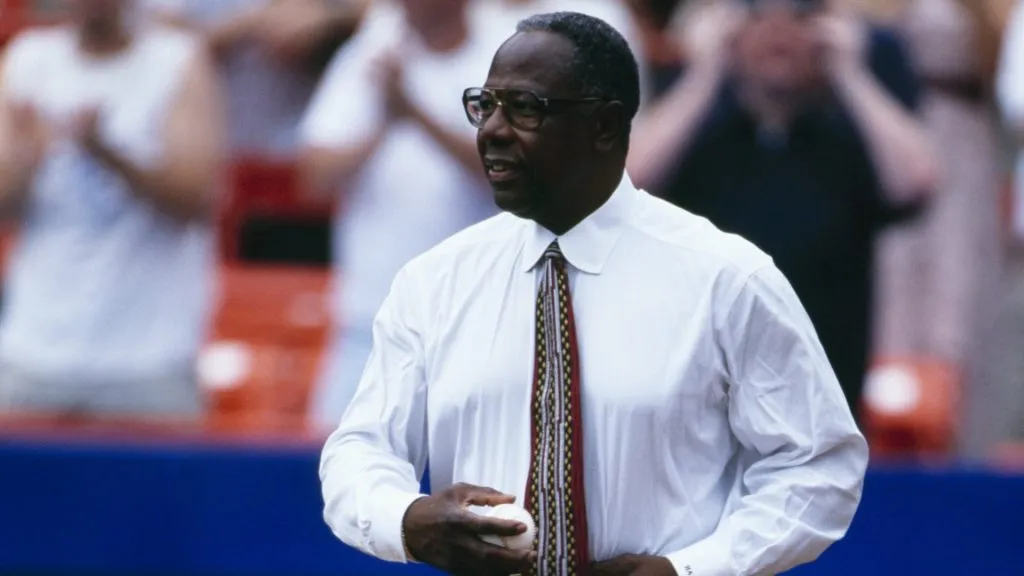
Hank Aaron walks on the field before the Atlanta Braves game against the New York Mets at Shea Stadium on July 3, 1999. (Source: Jamie Squire/Getty Images)
Hank Aaron didn’t just break records—he broke barriers. From 1954 to 1976, Aaron played 21 seasons with the Braves (first in Milwaukee, then Atlanta), becoming the franchise’s most iconic figure. He hit 755 home runs, drove in 2,297 runs, and collected 3,771 hits—numbers that still echo through baseball history.
His 1974 home run that surpassed Babe Ruth’s record was more than a milestone—it was a moment of cultural significance. Amid threats and racism, his grace and resolve made him a hero beyond the diamond.
He won the 1957 MVP, led the Braves to a World Series title, and was a 25-time All-Star. His No. 44 is retired, and his legacy is immortal. For the Braves, he isn’t just the greatest—he’s the measure by which greatness is defined.
Philadelphia Phillies – Mike Schmidt
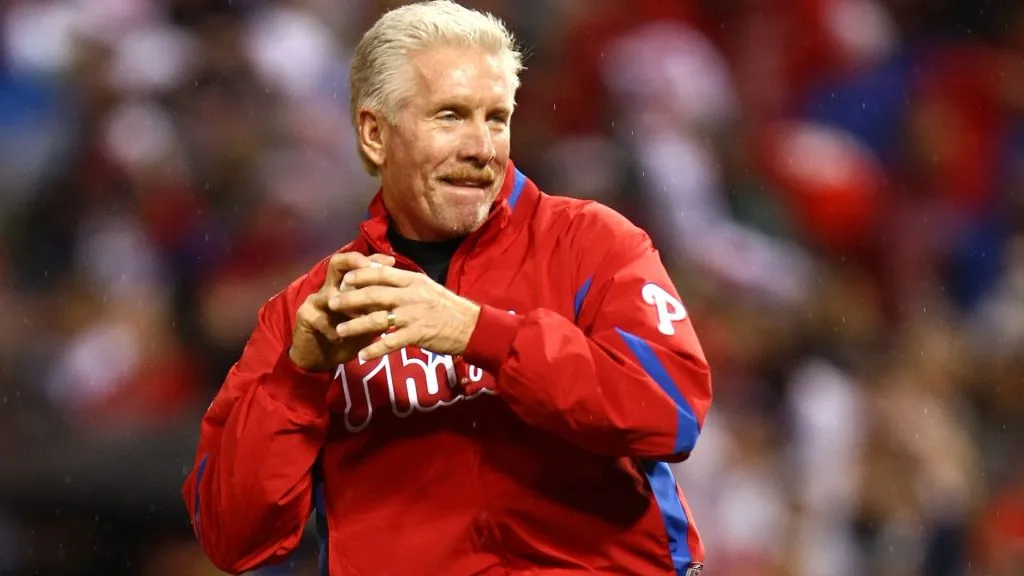
Former Philadelphia Phillie Mike Schmidt throws out the first pitch before Game Three of the 2009 MLB World Series at Citizens Bank Park on October 31, 2009. (Source: Chris McGrath/Getty Images)
If the third base bag at Veterans Stadium could talk, it would speak in awe of Mike Schmidt. With a swing that combined brute force and surgical precision, he redefined the hot corner for nearly two decades. From 1972 to 1989, he was the Phillies’ cornerstone—both literally and figuratively.
His résumé reads like a baseball fever dream: 548 home runs, 1,595 RBIs, three MVP awards, 10 Gold Gloves, and a World Series title in 1980 where he also claimed MVP honors. But what truly set him apart was his dual dominance—he led the National League in home runs eight times and was a defensive wizard, winning Gold Gloves in 10 of 11 seasons from 1976 to 1986.
His batting stance was unorthodox—turned slightly away from the pitcher, rocking back and forth like a coiled spring. Teammate Pete Rose once joked, “To have his body, I’d trade him mine and my wife’s, and I’d throw in some cash”. His impact wasn’t just statistical—it was cultural. He became the face of Philadelphia baseball, and his No. 20 was retired in 1990.
Miami Marlins – Miguel Cabrera
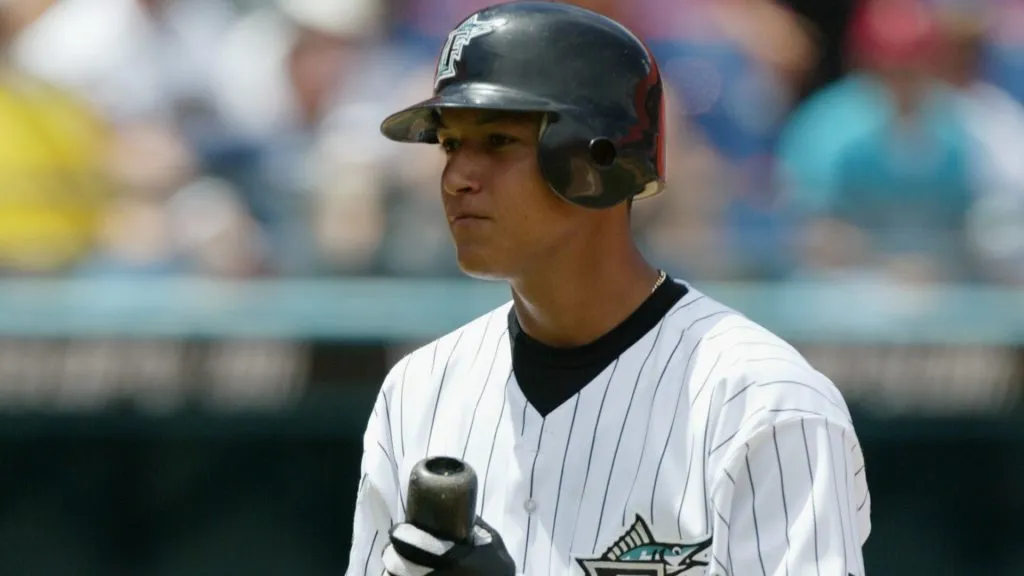
Miguel Cabrera #20 of the Florida Marlins walks to the batter’s box against the Philadelphia Phillies on July 27, 2003. (Source: Eliot J. Schechter/Getty Images)
Before he became a Triple Crown winner and future Hall of Famer in Detroit, Miguel Cabrera was the teenage phenom who helped deliver a World Series title to South Florida. Signed at 16 out of Venezuela, he debuted in 2003 and immediately made history—hitting a walk-off homer in his first game and batting cleanup in the World Series just months later.
In five seasons with the then-Florida Marlins, he hit .313 with 138 home runs and 523 RBIs. He was a four-time All-Star and two-time Silver Slugger, and in 2003, he helped lead the team to its second championship. His swing was pure, his poise unshakable, and his presence in the lineup transformed the Marlins from underdogs to contenders.
Washington Nationals – Max Scherzer
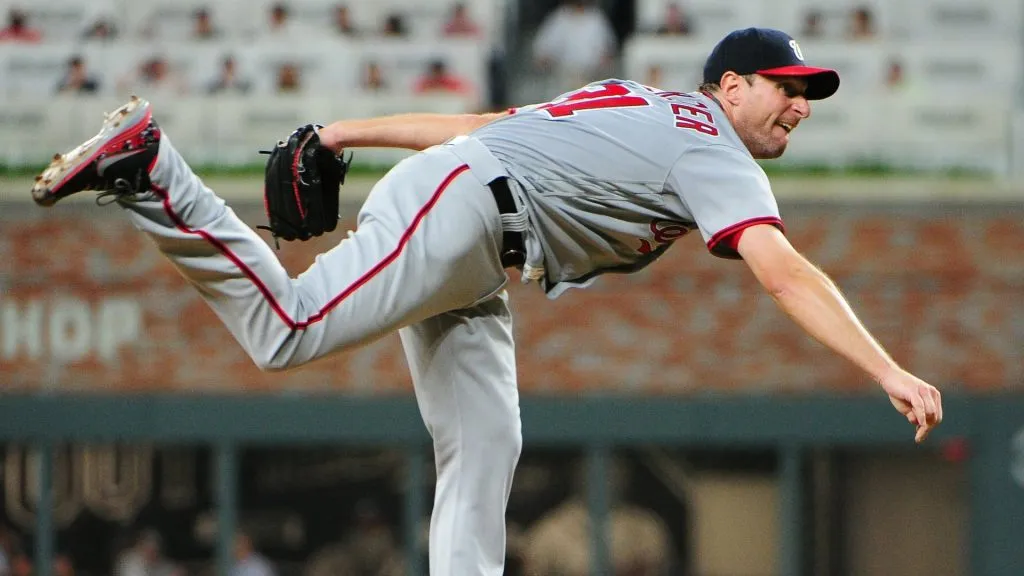
Max Scherzer #31 of the Washington Nationals throws a fifth inning pitch against the Atlanta Braves at SunTrust Park on April 18, 2017. (Source: Scott Cunningham/Getty Images)
In Washington, they didn’t just mark the calendar every fifth day—they celebrated “Scherzday.” Max Scherzer, with his mismatched eyes and unmatched intensity, became the Nationals’ ace and a symbol of competitive fire. From 2015 to 2021, he posted a 92–47 record with a 2.80 ERA and 1,610 strikeouts in 1,229 innings.
He threw two no-hitters in 2015, including a 17-strikeout masterpiece against the Mets. In 2016, he joined the elite club of pitchers with a 20-strikeout game, tying a record held by Nolan Ryan. His back-to-back Cy Young Awards in 2016 and 2017 cemented his place among the greats.
But his defining moment came in the 2019 World Series. Battling injury, he took the mound in Game 7 and helped deliver Washington its first championship. “He is the greatest competitor I have ever had the pleasure of watching,” said team owner Mark Lerner. His legacy in D.C. is etched in grit, dominance, and postseason glory.
St. Louis Cardinals – Ozzie Smith
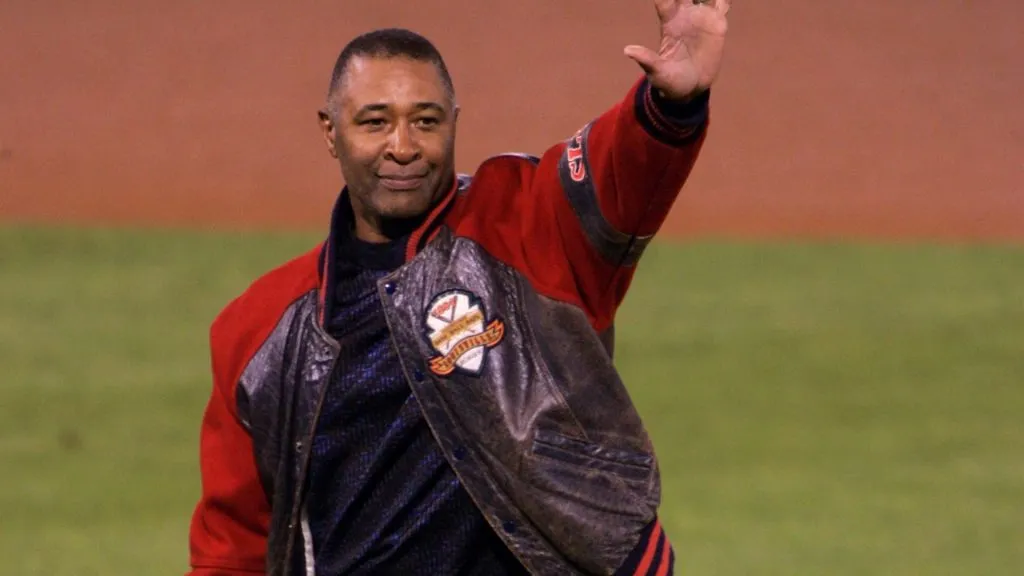
Ozzie Smith waves to the crowd before the start of the Houston Astros against the St. Louis Cardinals in game one of the National League Championship Series during the 2004 MLB Playoffs. (Source: Stephen Dunn/Getty Images)
Before analytics and launch angles, baseball had magic—and Ozzie Smith was its wizard. Known as “The Wizard of Oz,” he turned shortstop into an art form. His 13 Gold Gloves and 15 All-Star selections only hint at his brilliance. His acrobatics—diving stops, spinning throws, and his signature backflip—made him a fan favorite.
But he wasn’t just flash. He racked up 2,460 hits, 580 stolen bases, and helped lead the Cardinals to the 1982 World Series title. His walk-off homer in Game 5 of the 1985 NLCS prompted broadcaster Jack Buck’s iconic call: “Go crazy, folks!”. His career was a masterclass in consistency and flair. Inducted into the Hall of Fame in 2002, he remains the gold standard for defensive excellence at shortstop.
Milwaukee Brewers – Robin Yount
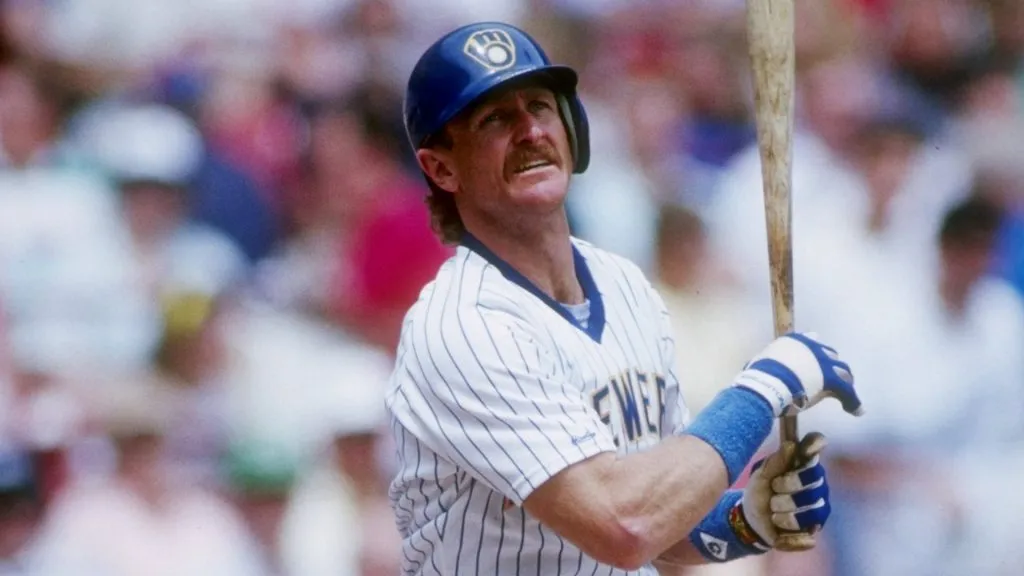
Shortstop Robin Yount of the Milwaukee Brewers holds the bat and looks up in 1989. (Source: Allsport / Getty Images)
Robin Yount wasn’t just a player—he was a constant. A teenage shortstop who debuted at 18, Yount spent his entire 20-year career with the Brewers, becoming the rare athlete whose name is synonymous with a city. He played over 2,800 games, collected 3,142 hits, and won two MVP awards—one as a shortstop in 1982, and another as a center fielder in 1989.
His versatility was legendary. When shoulder injuries forced him out of the infield, he didn’t fade—he reinvented. His 1982 campaign, where he led the league in hits, doubles, slugging, and total bases, carried the Brewers to their first and only World Series appearance. He hit .414 in that series, the only player in history with two four-hit games in a single Fall Classic.
No Brewer has ever matched his combination of longevity, production, and leadership. His No. 19 was retired in 1994, and in 1999, he was inducted into the Hall of Fame. For Milwaukee, Robin Yount isn’t just the greatest Brewer—he’s the soul of the franchise.
Chicago Cubs – Ernie Banks
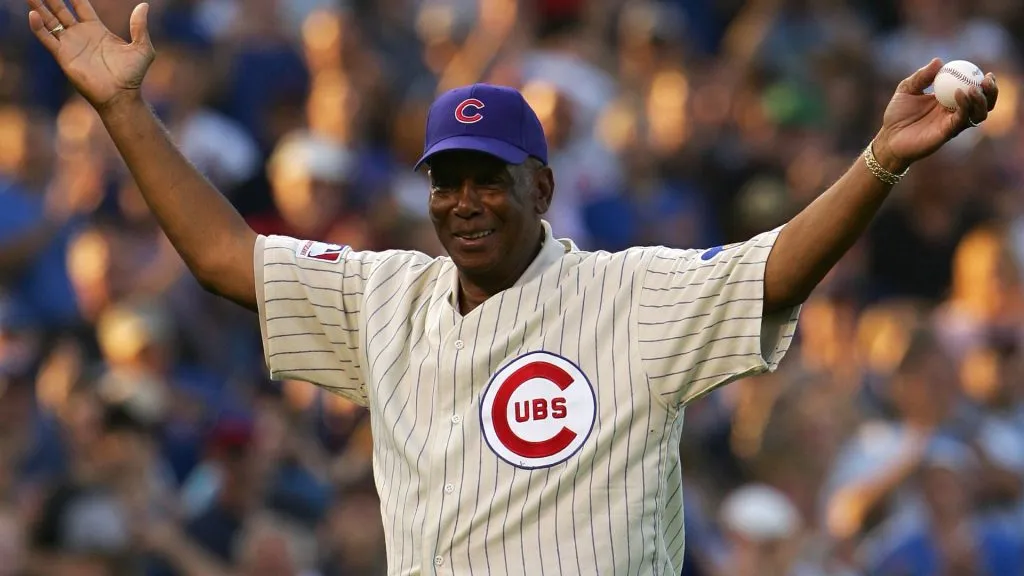
Ernie Banks acknowledges the fans prior to throwing out the ceremonial first pitch prior to Game Three of the National League Divisional Series on October 6, 2007. (Source: Chris McGrath/Getty Images)
“Let’s play two.” With that simple phrase, Ernie Banks captured the spirit of baseball and the heart of Chicago. Known as “Mr. Cub,” he played his entire 19-year career with the Cubs, hitting 512 home runs and driving in 1,636 runs. He won back-to-back MVPs in 1958 and 1959, becoming the first National League player to do so without making the postseason.
He was a paradox: a superstar on a team that never won. Yet his optimism never wavered. He played shortstop and first base with grace and power, earning 14 All-Star selections and a Gold Glove. His 47 home runs in 1958 set a record for shortstops that stood for decades.
In 1977, he was inducted into the Hall of Fame, and in 1982, the Cubs retired his No. 14—the first in franchise history. He didn’t just play for the Cubs; he gave them an identity. In a city of grit and resilience, he was joy personified.
Pittsburgh Pirates – Roberto Clemente
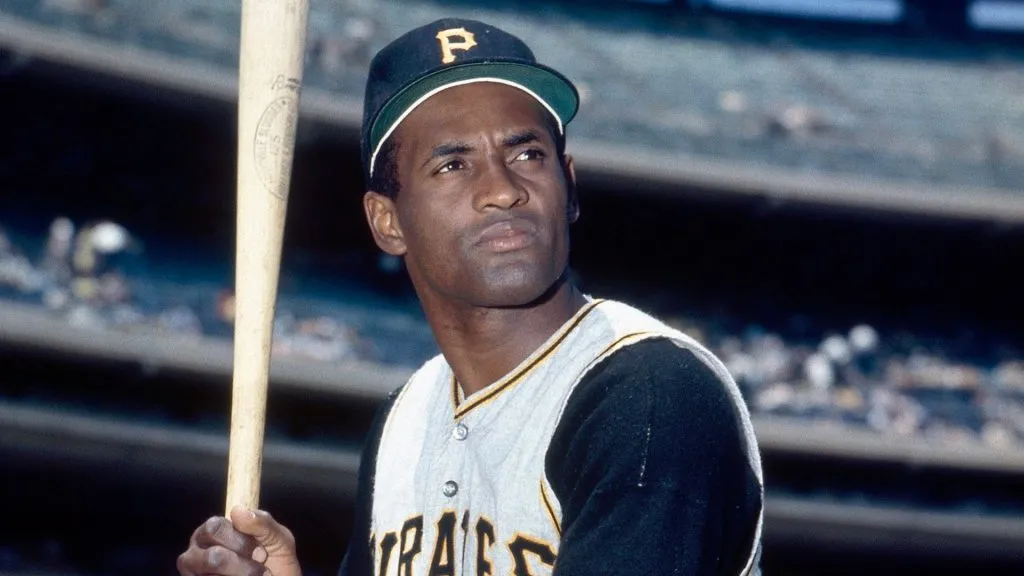
Roberto Clemente (Source: @piratasbeisbol)
Roberto Clemente didn’t just play baseball—he elevated it. The Puerto Rican right fielder spent all 18 seasons of his career with the Pittsburgh Pirates, amassing 3,000 hits, 12 Gold Gloves, and two World Series titles. He won the 1966 NL MVP and was named World Series MVP in 1971, batting .414 against the Orioles.
His greatness extended beyond the diamond. He was a fierce advocate for Latin American players and a humanitarian whose life ended tragically in a plane crash while delivering aid to earthquake victims in Nicaragua. His legacy lives on through the Roberto Clemente Award, given annually to the player who best exemplifies character, community, and excellence.
In Pittsburgh, he is more than a legend—he’s a symbol. His No. 21 is retired, his statue stands outside PNC Park, and his name is etched into the conscience of the sport. For the Pirates, he is not just the greatest player—they call him “The Great One” for a reason.
Cincinnati Reds – Johnny Bench
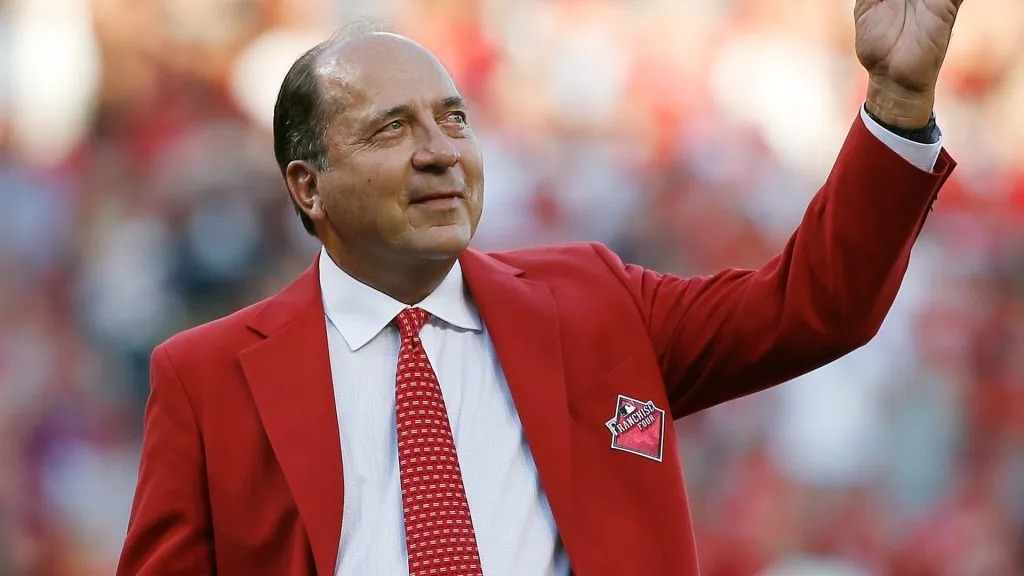
Former Cincinnati Reds player Johnny Bench waves to the crowd prior to the 86th MLB All-Star Game at the Great American Ball Park on July 14, 2015. (Source: Rob Carr/Getty Images)
In Cincinnati, the catcher’s mask became a crown—and Johnny Bench wore it like royalty. From 1967 to 1983, Bench was the beating heart of the Big Red Machine, a dynasty that ruled the National League with precision and power. His resume is staggering: 14 All-Star selections, 10 Gold Gloves, two MVPs, and two World Series titles. But it’s not just the accolades—it’s how he redefined the catcher position.
He was the first catcher to lead the league in home runs, and his 45 bombs in 1970 set a single-season record for the position that stood for decades. He caught more than 100 games for 13 straight seasons, commanding pitching staffs with the authority of a general and the instincts of a savant. In 1976, he was named World Series MVP, capping off a postseason where he hit .533 in the final series.
When he retired, he held the record for most home runs by a catcher (389), and his No. 5 was retired by the Reds. ESPN once called him “the greatest catcher in baseball history”. For Cincinnati, he wasn’t just a player—he was the architect of greatness behind the plate.
Los Angeles Dodgers – Jackie Robinson
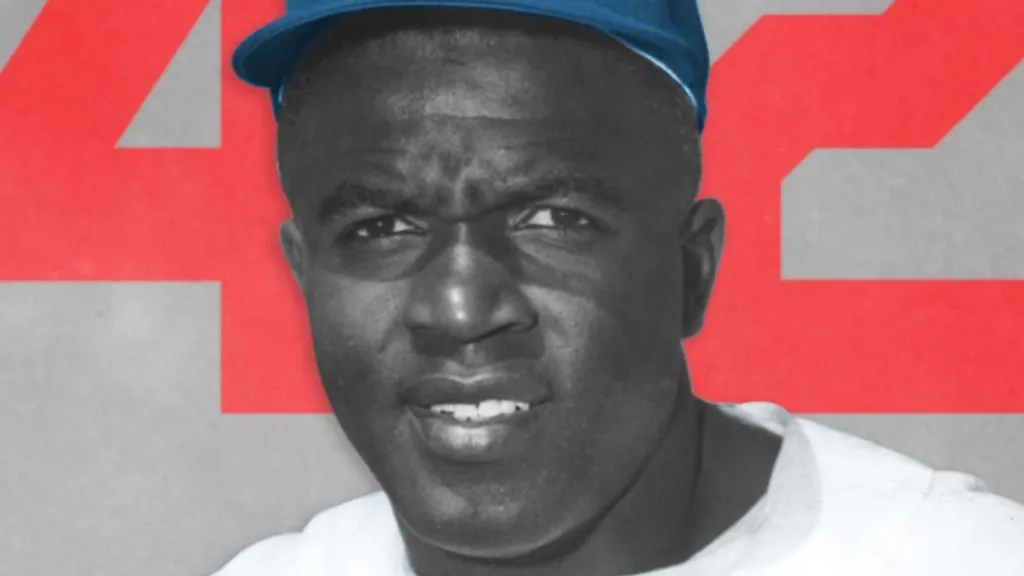
Jackie Robinson of the Los Angeles Dodgers. (Source: @TheMLBDigest)
Before the Dodgers were a West Coast powerhouse, they were the Brooklyn team that changed America. Jackie Robinson didn’t just break the color barrier—he broke expectations. From 1947 to 1956, he played with a fire that couldn’t be ignored. He won Rookie of the Year, MVP, and helped the Dodgers win six pennants and their first World Series in 1955.
His .313 career batting average, 141 home runs, and 197 stolen bases only hint at his impact. He was a six-time All-Star and led the league in steals twice. But his true legacy lies in his courage. Facing relentless racism, Robinson responded with excellence and restraint, becoming a symbol of dignity and change.
His No. 42 is retired across all of Major League Baseball—the only player to receive that honor. Every April 15, players wear his number in tribute. For the Dodgers, he is not just the greatest—he’s the soul of the franchise, and the man who made baseball bigger than the game.
San Francisco Giants – Willie Mays
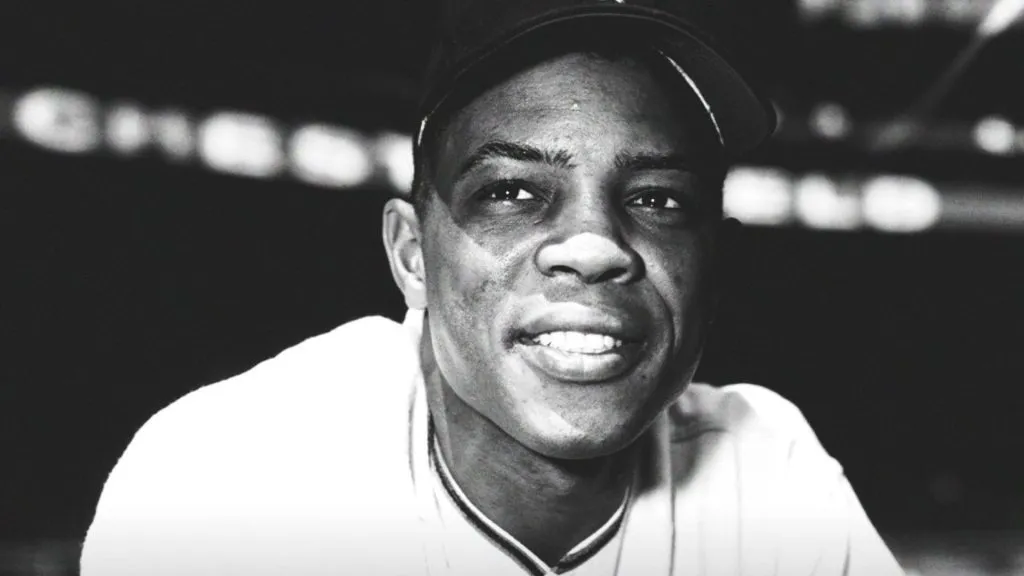
Willie Mays of the San Francisco Giants. (Source: @espn)
There are legends, and then there’s Willie Mays. The “Say Hey Kid” played for the Giants from 1951 to 1972, first in New York and then in San Francisco, and brought with him a brand of baseball that felt like poetry in motion. He was a five-tool marvel: he hit 660 home runs, stole 338 bases, won 12 Gold Gloves, and was a 24-time All-Star.
His over-the-shoulder catch in the 1954 World Series remains one of the most iconic plays in sports history. But he wasn’t just a highlight reel—he was relentless. In 1965, at age 34, he won his second MVP, proving that greatness doesn’t fade—it evolves.
He helped usher the Giants into their San Francisco era, becoming the face of the franchise and a civic icon. His No. 24 is retired, and his statue stands outside Oracle Park. For the Giants, he is the gold standard—the player every generation compares greatness to.
Colorado Rockies – Todd Helton
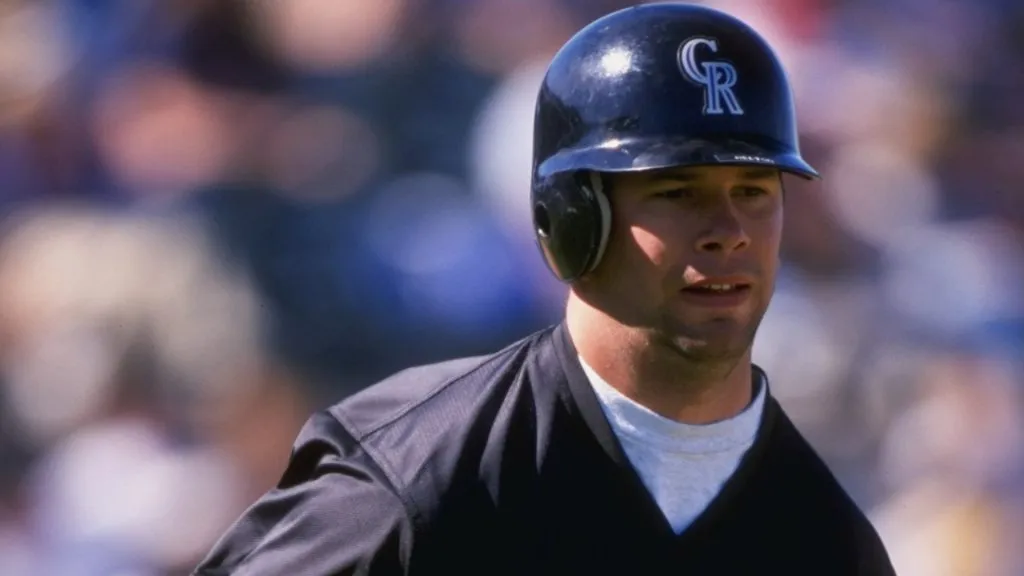
Todd Helton #17 of the Colorado Rockies in action during a spring training game against the San Francisco Giants at the Scottsdale Stadium in 1998. (Source: Otto Greule Jr. /Allsports)
In the thin air of Denver, where baseballs fly and pitchers pray, Todd Helton built a legacy grounded in consistency and class. From 1997 to 2013, he was the Rockies’ rock—playing all 17 seasons in Colorado and becoming the franchise’s statistical monarch. He holds nearly every major offensive record: hits (2,519), home runs (369), RBIs (1,406), doubles (592), and games played (2,247).
His 2000 season was a masterpiece: a .372 batting average, 216 hits, 59 doubles, and 147 RBIs. He led the majors in slugging (.698) and OPS (1.162), earning the NL Hank Aaron Award and a Silver Slugger. But his greatness wasn’t just in numbers—it was in loyalty. While other stars chased bigger markets, he stayed in Colorado, becoming the face of a young franchise and mentoring future stars like Troy Tulowitzki and Nolan Arenado.
In 2024, he was inducted into the Hall of Fame, a long-overdue recognition of a career that blended power, patience, and quiet leadership. For the Rockies, Todd Helton isn’t just the greatest—they call him “The Toddfather” for a reason.
San Diego Padres – Tony Gwynn
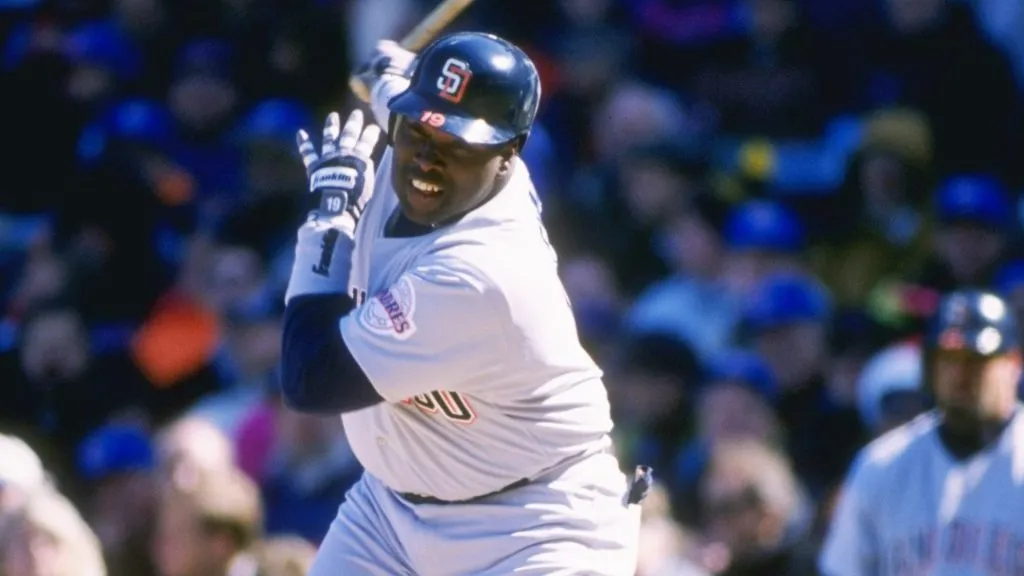
Right fielder Tony Gwynn of the San Diego Padres steps up to bat during a game against the Chicago Cubs at Wrigley Field in Chicago, Illinois. (Source: Getty Images)
Tony Gwynn didn’t just play for the Padres—he became their identity. For 20 seasons, “Mr. Padre” wore the brown and gold with unmatched grace, compiling 3,141 hits and a .338 career batting average. He won eight batting titles, made 15 All-Star appearances, and never hit below .300 in any full season after his rookie year.
His swing was a study in geometry—compact, fluid, and designed to find gaps. In 1994, he flirted with .400, finishing at .394 in a strike-shortened season, the highest average since Ted Williams’ .406 in 1941. He helped lead San Diego to two World Series appearances (1984 and 1998), and in the latter, he homered in Game 1 against the Yankees.
But his legacy transcends stats. He was beloved in San Diego, a community figure, and later a coach at San Diego State. His No. 19 was retired in 2002, and he was inducted into the Hall of Fame in 2007 with 97.6% of the vote.
Texas Rangers – Ivan Rodriguez
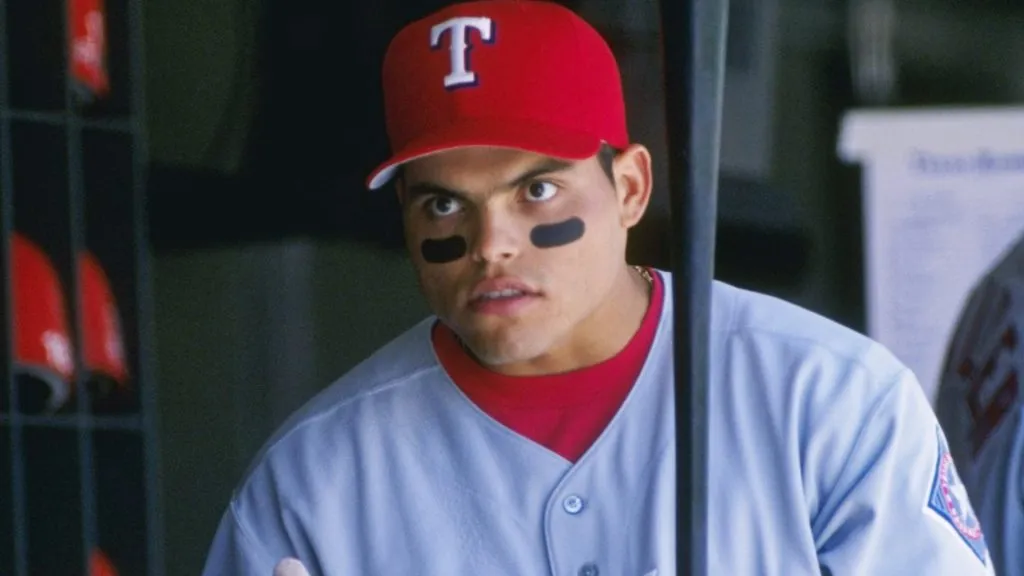
Catcher Ivan Rodriguez of the Texas Rangers picks out his bat during a game against the Cleveland Indians at Jacobs Field in 1996. (Source: Rick Stewart /Allsport)
Before the Rangers had a ballpark worthy of October, they had a catcher who made every game feel like a playoff. Iván “Pudge” Rodríguez debuted in 1991 at age 19 and spent 13 seasons in Texas, redefining the catcher position with a cannon arm, quick feet, and a bat that roared. He won 10 Gold Gloves and six Silver Sluggers with the Rangers, and in 1999, he claimed the AL MVP after hitting .332 with 35 home runs and 113 RBIs.
He caught more games than any player in MLB history (2,427), and his caught-stealing percentage of 45.68% is the best ever. He was the defensive anchor of the Rangers’ rise in the late ’90s, helping them reach the postseason three times. His leadership and intensity made him a clubhouse cornerstone.
In 2017, he was inducted into the Hall of Fame on the first ballot, and the Rangers retired his No. 7. For Texas, Pudge isn’t just the greatest—he’s the blueprint for what a franchise cornerstone looks like.
Arizona Diamondbacks – Randy Johnson
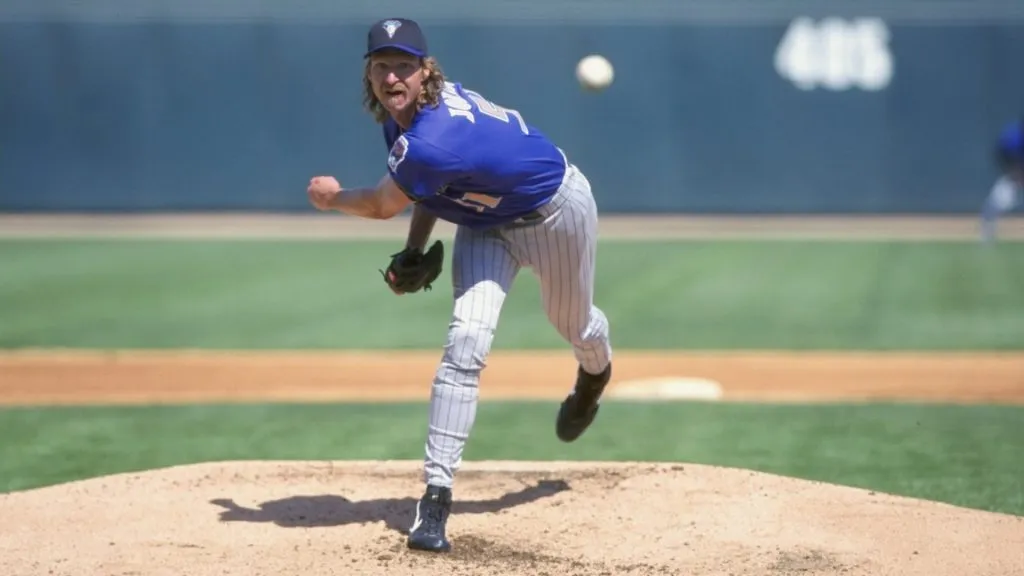
Pitcher Randy Johnson #51 of the Arizona Diamondbacks winds-up to throw during the Spring Training game against the Chicago White Sox at the Tucson Electric Park in 1999. (Source: Todd Warshaw /Allsports)
In the desert, the sun isn’t the only thing that scorched hitters—Randy Johnson’s fastball did too. Standing 6’10”, “The Big Unit” was a towering presence on the mound, and from 1999 to 2004, he turned Arizona into a baseball battleground. Johnson won four consecutive Cy Young Awards with the Diamondbacks, posting a 2.65 ERA and striking out 1,833 batters in just six seasons.
His defining moment came in the 2001 World Series. After pitching in Game 6, he returned the very next day in relief to close out Game 7, earning co-MVP honors and delivering Arizona its first and only championship. His postseason dominance—1.04 ERA and 47 strikeouts in 26 innings—was otherworldly.
His time in Arizona wasn’t just dominant—it was historic. He threw a perfect game in 2004 at age 40, becoming the oldest pitcher to do so. His No. 51 was retired by the franchise, and in 2015, he entered the Hall of Fame wearing a Diamondbacks cap.