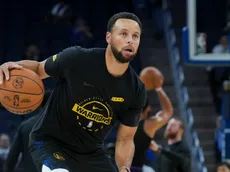
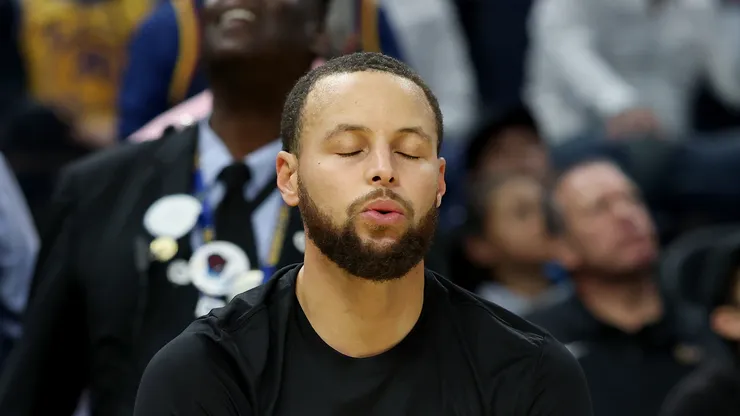
The Golden State Warriors are reeling from a tough 113-97 loss to theLos Angeles Lakers, a game that showcased the dominance of LeBron James and Anthony Davis. Postgame, Stephen Curry was confronted with a startling statistic that underlines the team’s struggles in the 2024-25 NBA season.
When reporters informed Curry of the Warriors’ dismal 1-20 record in games where they trailed after three quarters, the star point guard could only respond with disbelief. “What?” Curry replied, visibly stunned. “Sheesh,” he added. “I did not know that.”
“Some of the games [we lost] have been because we couldn’t score,” Curry explained. “Tonight, obviously, the situation was AD and Bron pretty much controlling possessions. [They were] trying to get AD on the block or in the mid-post, and he’s knocking down the shots, so Bron was getting to the lane.”
Curry acknowledged the statistical anomaly and the deeper issues it exposes. “I’m sure 1-20 is probably for a lot of reasons, but it’s one of those anomalies we’ve got to figure out,” he admitted.
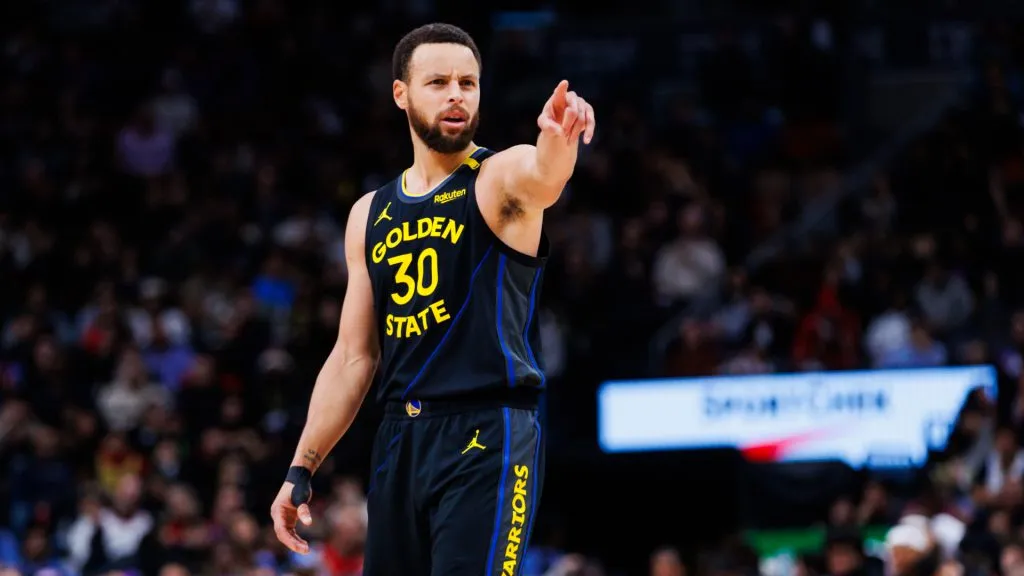
Stephen Curry #30 of the Golden State Warriors reacts during the second half of their NBA game against the Toronto Raptors.
Curry himself struggled in the game, failing to score in the second half—a rare sight for one of the NBA’s most reliable offensive weapons. The Lakers’ defense held Curry to 0-for-8 shooting after halftime, including 0-for-4 from beyond the arc, marking the worst second-half shooting performance of his storied career. Meanwhile, Davis and James each scored 10 points in the final stretch, sealing the Warriors’ fate.

The contrast between a dynasty and current challenges
The Golden State Warriors, once the standard-bearers of NBA dominance, find themselves navigating unfamiliar territory this season. Known for their relentless consistency and ability to close games during their dynastic run from 2015 to 2019, the Warriors are now grappling with the realities of an aging core and a lack of depth. The stark contrast between their glory years and their current struggles highlights how time—and the grueling demands of the NBA—has reshaped the team.
The past: Unparalleled dominance
At their peak, the Warriors were untouchable. Between 2015 and 2019, Golden State led the league in points per game, offensive efficiency, and point differential. They consistently turned deficits into wins, as evidenced by their 25 comeback victories when trailing after three quarters during the 2016-17 season. That year, they finished with a 67-15 record, en route to a second championship in three seasons.
Stephen Curry was the engine of this success, orchestrating a revolutionary offense under head coach Steve Kerr. Ball movement, spacing, and sharpshooting became synonymous with Warriors basketball. The addition of Kevin Durant in 2016 only bolstered their dominance, creating a team that seemed invincible.
Looking ahead: Can the Warriors reignite their spark?
For the Warriors to rediscover their competitive edge, they must evolve. Developing younger players like Jonathan Kuminga and Moses Moody will be key to easing the burden on their veterans. Additionally, diversifying their offensive strategies to reduce the team’s dependence on Curry could prove critical in tight games.

Load management and smart rotation decisions will also be essential to keeping their core players healthy and effective. Though their title window may be narrowing, the Warriors’ competitive spirit remains intact. As their surprise championship in 2022 demonstrated, doubting this team has often proven to be a mistake.
However, the road ahead is steep. To reclaim their status as contenders, Golden State must find a way to channel the energy and execution that once made them the league’s “lion,” rather than the “house cat” they’ve at times resembled this season. Whether they can adapt to the evolving NBA landscape or fade further from their dynastic glory remains the central question.