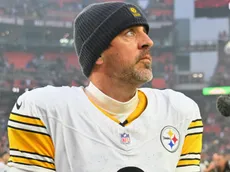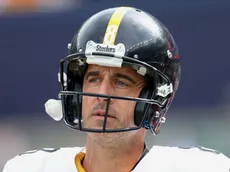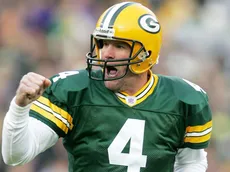
Green Bay Packers’ rich football history is written not just in wins, but in the legends who left their mark on Lambeau Field. From gritty early stars to modern playmakers, each era has added a unique chapter to the enduring story.
Decades of triumphs and heartbreaks have shaped a team identity built on resilience and community pride. The heroes of yesterday set the standard, while today’s stars carry forward a legacy steeped in game-changing plays.
Behind every touchdown, tackle and championship, their history is stitched together by personalities who became larger than the game itself. Their impact extends beyond statistics, defining what it truly means to be an NFL legend.
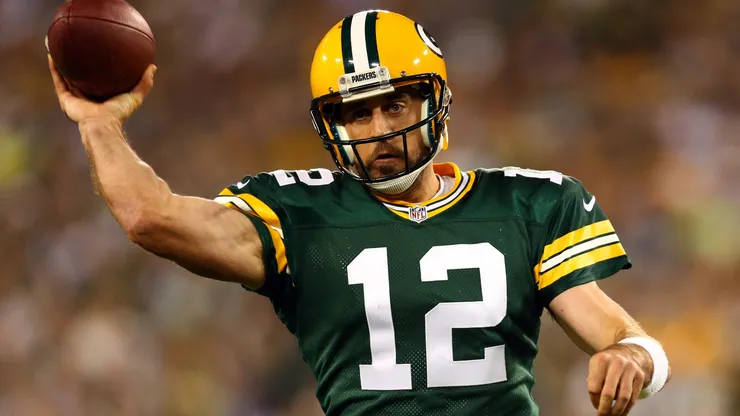
Aaron Rodgers
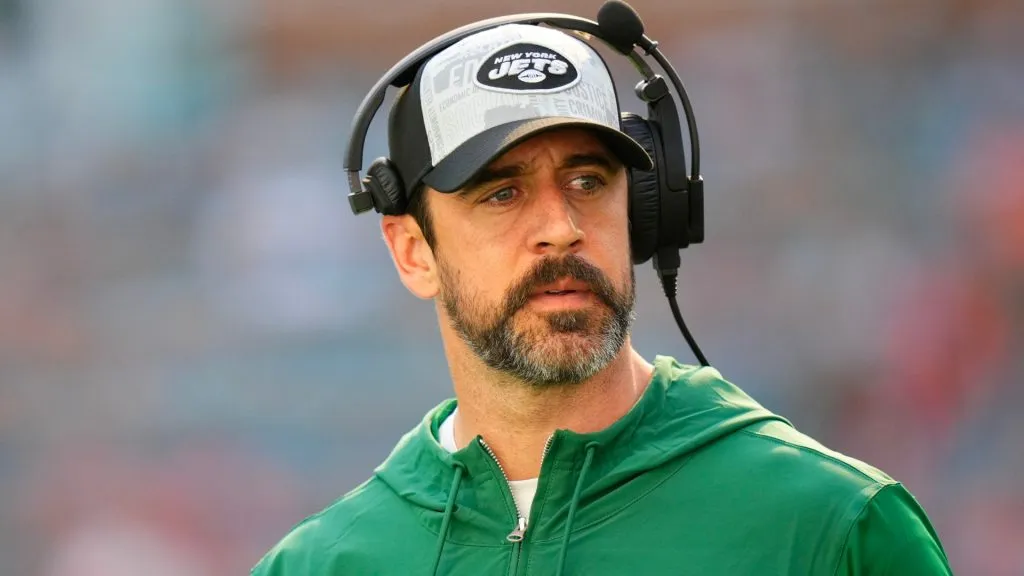
Aaron Rodgers of the Green Bay Packers looks on during the first half against the Miami Dolphins at Hard Rock Stadium on December 17, 2023. (Source: Rich Storry/Getty Images)
Aaron Rodgers, drafted by the Green Bay Packers in 2005, became the face of the franchise for nearly two decades. Over his 18 seasons in Green Bay, he led the team to a Super Bowl XLV victory and was named NFL MVP four times.
Known for his pinpoint accuracy and ability to perform under pressure, he amassed over 59,000 passing yards and 475 touchdowns during his tenure with the Packers. After a brief stint with the New York Jets, he signed a one-year contract with the Pittsburgh Steelers in 2025, marking the final chapter of his illustrious career.
Brett Favre
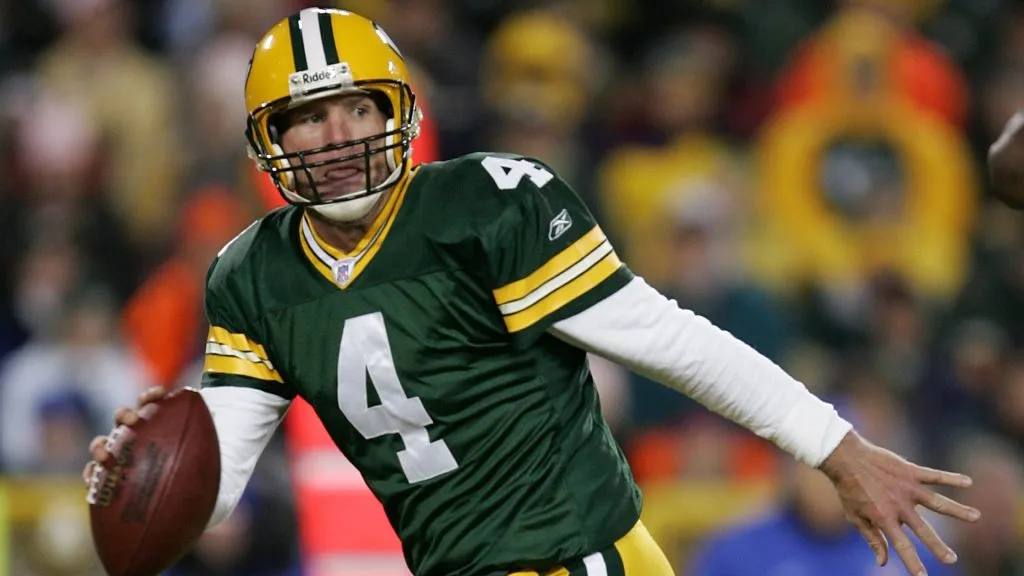
Brett Favre #4 of the Green Bay Packers rolls out of the pocket in search of a receiver in NFL action against the Minnesota Vikings November 21, 2005. (Source: Jonathan Daniel/Getty Images)
Brett Favre‘s arrival in Green Bay in 1992 marked the beginning of a transformative era for the Packers. Known for his ironman streak of 297 consecutive regular-season games, he redefined the quarterback position with his gunslinger mentality and fearless play.
Under his leadership, the Packers clinched Super Bowl XXXI and secured three consecutive NFC Championship appearances in the late 1990s. His legacy is not only etched in his statistics but also in the emotional connection he fostered with fans, embodying the spirit of resilience and passion that defines the Packers’ identity.
Bart Starr
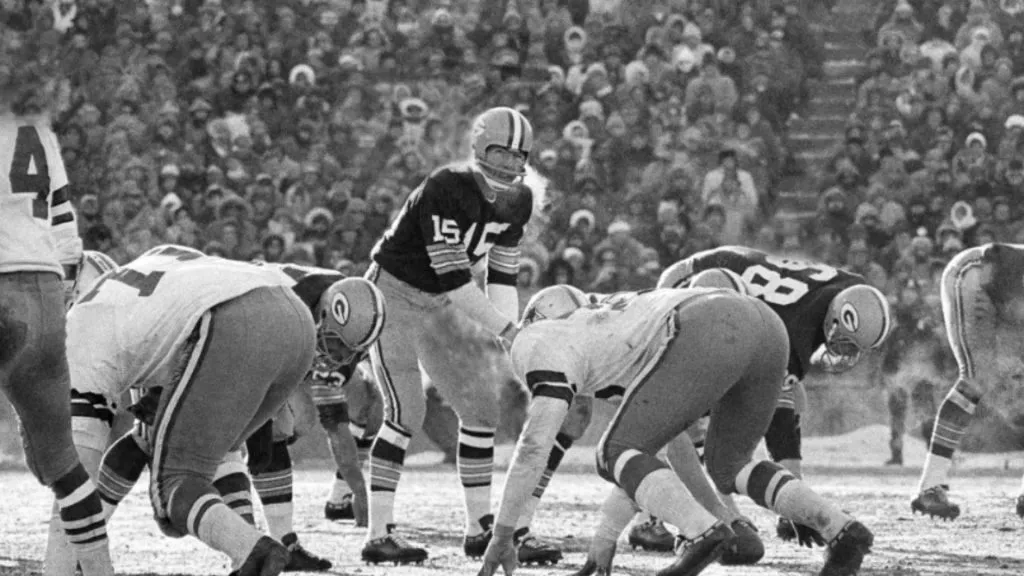
Bart Starr (Source: NHL)
Bart Starr‘s legacy is synonymous with the Packers’ golden age of the 1960s. As the quarterback under Vince Lombardi, Starr led Green Bay to five NFL championships, including victories in the first two Super Bowls.
His performance in the “Ice Bowl,” where he scored the game-winning touchdown in sub-zero temperatures, remains legendary. His leadership on and off the field exemplified the values of discipline and teamwork, earning him the admiration of teammates and opponents alike.
Reggie White
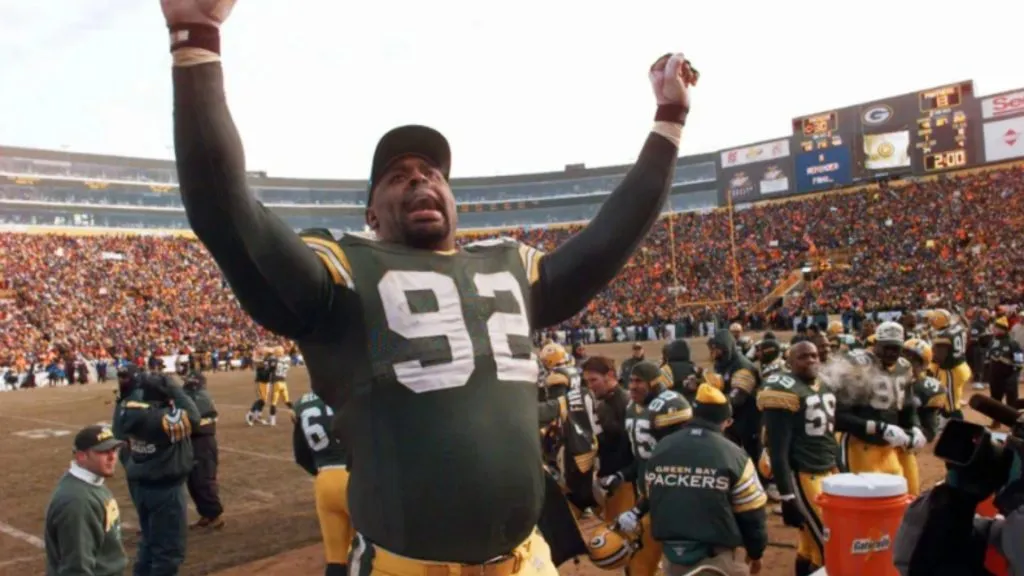
Reggie White (Source: NHL)
Reggie White‘s arrival in Green Bay in 1993 was a game-changer for the Packers. As a dominant force on the defensive line, he led the team to a Super Bowl XXXI victory and was instrumental in revitalizing the Packers’ defense.
His 124 sacks in eight seasons with Philadelphia set the stage for his impactful tenure in Green Bay, where he continued to excel and eventually had his number retired by both the Packers and the Eagles. His legacy transcends his on-field achievements, as he was also known for his philanthropic efforts and leadership within the community.
Don Hutson
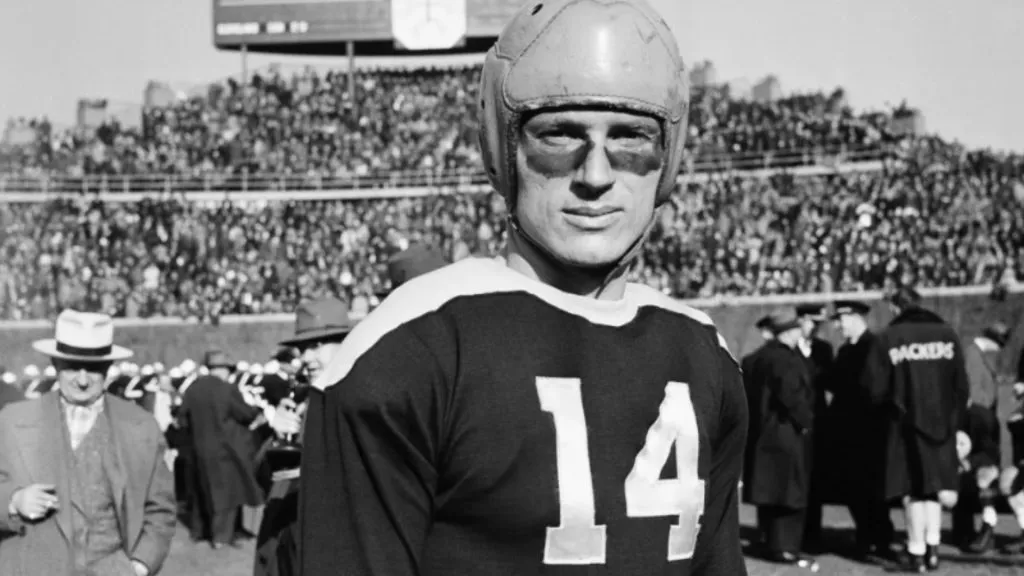
Don Houston (Source: NHL)
Don Hutson‘s impact on the NFL is immeasurable. Playing for the Packers from 1935 to 1945, he was a trailblazer in the passing game, leading the league in scoring for five consecutive years and setting numerous records for receptions and touchdowns.
His innovative route running and ability to read defenses laid the foundation for modern receiving techniques. His contributions to the game were recognized with his induction into the Pro Football Hall of Fame and the dedication of the Don Hutson Center, the Packers’ indoor practice facility.
Ray Nitschke
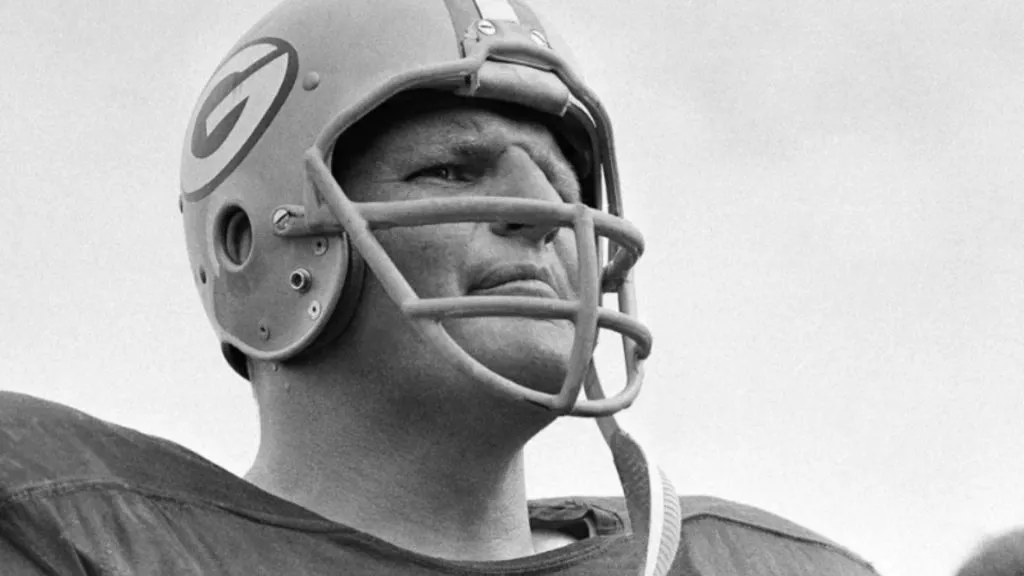
Ray Nitschke (Source: NHL)
Ray Nitschke‘s presence on the field was both intimidating and inspiring. Known for his ferocious tackling and relentless pursuit, he was the heart of the Packers’ defense during the 1960s. He played a pivotal role in the team’s victories in Super Bowl I and II, earning the title of Super Bowl MVP in 1962.
Off the field, his toughness and dedication became synonymous with the Packers’ identity, leading to the retirement of his number 66 and the naming of the Ray Nitschke Memorial Bridge in his honor.
Paul Hornung
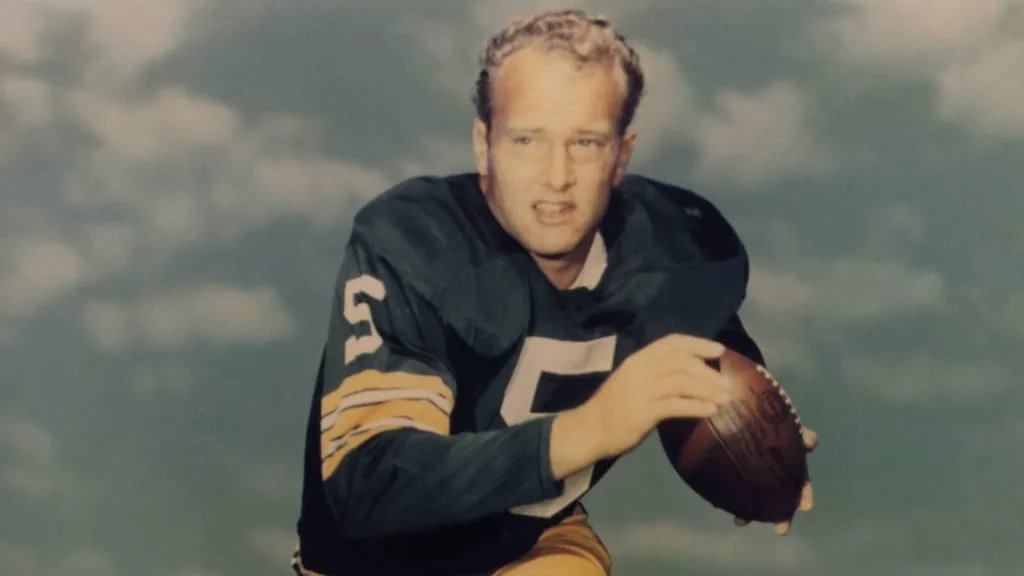
Paul Hornung (Source: Green Bay Packers)
Paul Hornung‘s versatility made him one of the most dynamic players in NFL history. Known as the “Golden Boy,” he excelled as a halfback, kicker, and quarterback, contributing significantly to the Packers’ championships in the 1960s.
His ability to perform in various positions made him a valuable asset to the team, and his leadership on the field was instrumental in the Packers’ success. His legacy is celebrated with his induction into the Pro Football Hall of Fame and the retirement of his number 5 jersey by the Packers.
Jerry Kramer
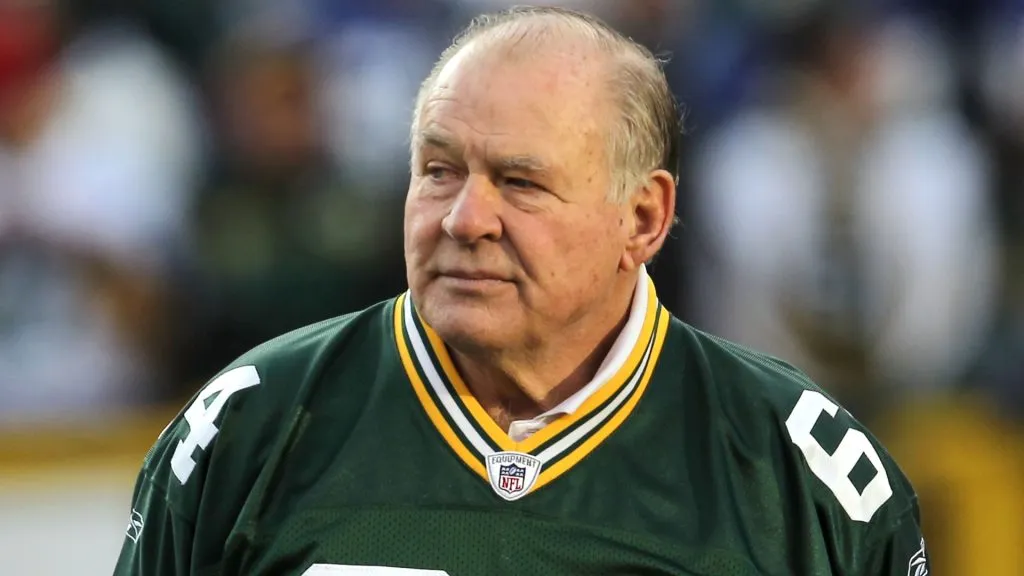
Hall of Famer Jerry Kramer and former Green Bay Packer looks on the NFC Divisional playoff game between the Green Bay Packers and the New York Giants in 2012. (Source: Jonathan Daniel/Getty Images)
Jerry Kramer‘s contributions to the Packers’ success often went unnoticed, but his impact was undeniable. As a guard, he was a key component of the Packers’ offensive line, executing crucial blocks that led to numerous touchdowns and victories.
His most famous moment came in the 1967 NFL Championship Game, where his block on a field goal attempt helped secure the Packers’ win. His dedication and hard work were finally recognized with his induction into the Pro Football Hall of Fame in 2018.
Charles Woodson
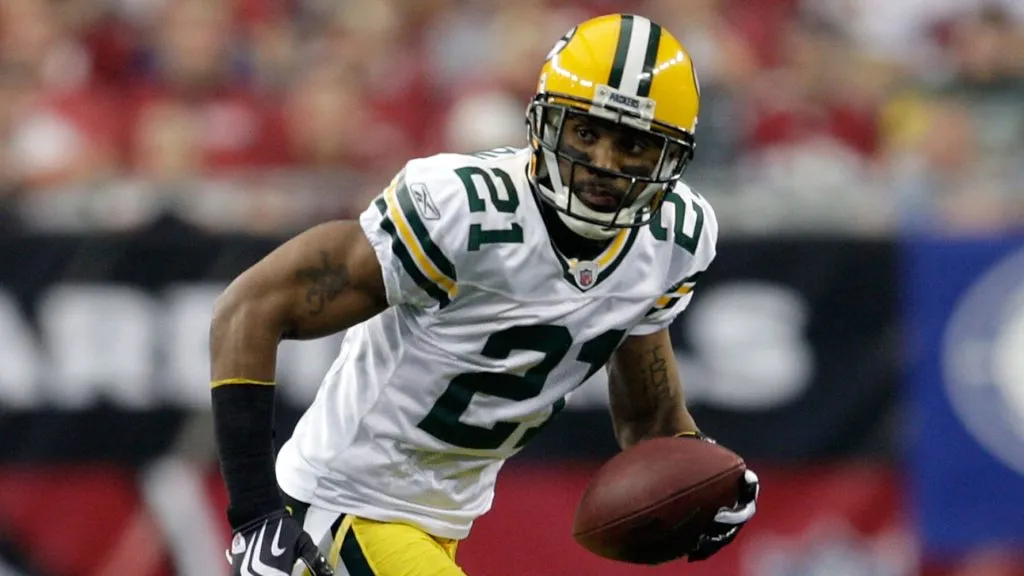
Charles Woodson runs for a 45-yard interception return for a touchdown against the Arizona Cardinals in the second quarter at University of Phoenix Stadium on January 3, 2010. (Source: Jamie Squire/Getty Images)
Charles Woodson‘s arrival in Green Bay in 2006 brought a new level of excellence to the Packers’ secondary. As a cornerback and safety, his ability to read the game and make pivotal plays was instrumental in the Packers’ Super Bowl XLV victory.
His leadership and playmaking ability earned him numerous accolades, including the NFL Defensive Player of the Year award. His legacy is cemented with his induction into the Pro Football Hall of Fame and the respect he commands as one of the game’s greats.
Vince Lombardi
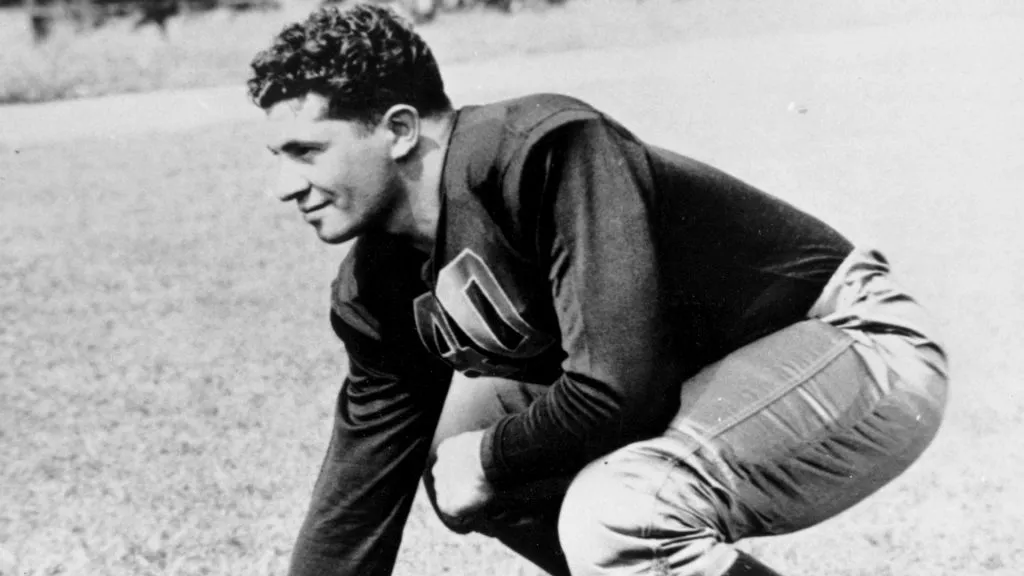
Pro Football Hall of Fame head coach of the Green Bay Packers Vince Lombardi poses here as a student at Fordham University circa the mid-1930s. (Source: Fordham University/Getty Images)
Vince Lombardi‘s tenure as head coach of the Packers from 1959 to 1967 transformed the team into an NFL powerhouse. Under his leadership, the Packers won five NFL championships, including the first two Super Bowls.
His emphasis on discipline, execution, and teamwork became the foundation of the Packers’ success. His legacy lives on through the Vince Lombardi Trophy, awarded annually to the Super Bowl champion, and the enduring principles he instilled in the team.
Jim Taylor
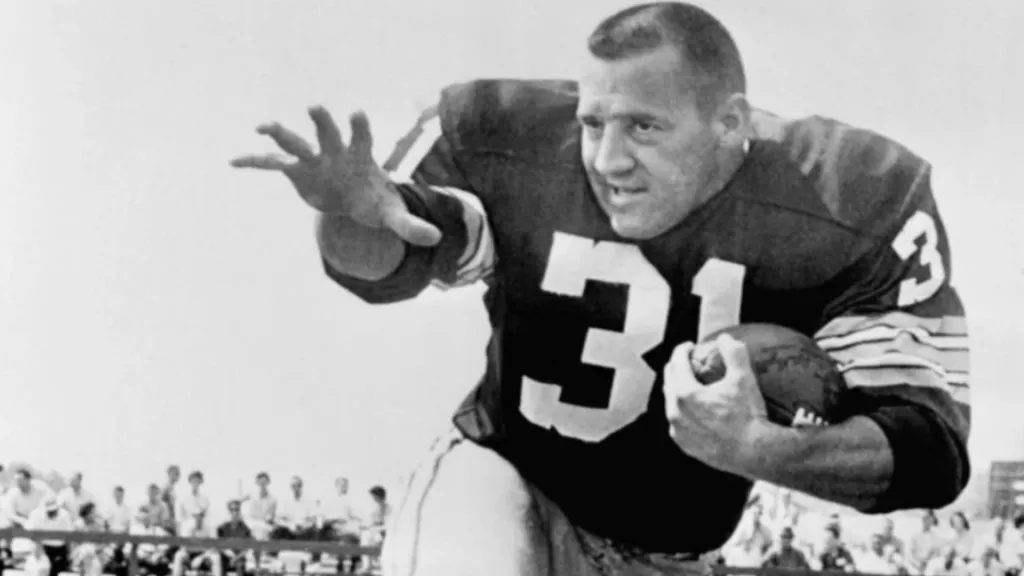
Jim Taylor (Source: NHL)
Jim Taylor‘s powerful running style made him a cornerstone of the Packers’ offense in the 1960s. As the team’s primary ball carrier, his ability to gain tough yards and wear down defenses was crucial to the Packers’ success.
He led the NFL in rushing touchdowns in 1962 and was a key contributor to the Packers’ championships during that era. His legacy is honored with his induction into the Pro Football Hall of Fame and the retirement of his number 31 jersey by the Packers.
Willie Wood
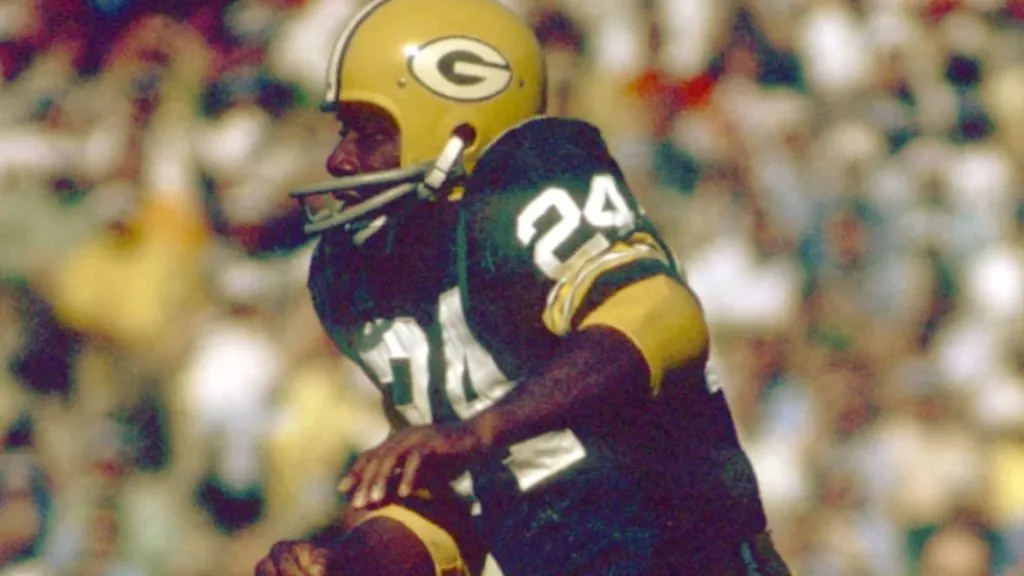
Willie Wood (Source: NHL)
Willie Wood‘s intelligence and anticipation made him one of the most effective safeties in NFL history. Known for his ability to read quarterbacks and make timely interceptions, he was a key figure in the Packers’ defense during their championship years.
He played a pivotal role in the team’s victories in Super Bowl I and II, contributing to the Packers’ legacy as a dominant defensive force. His contributions were recognized with his induction into the Pro Football Hall of Fame.
Herb Adderley
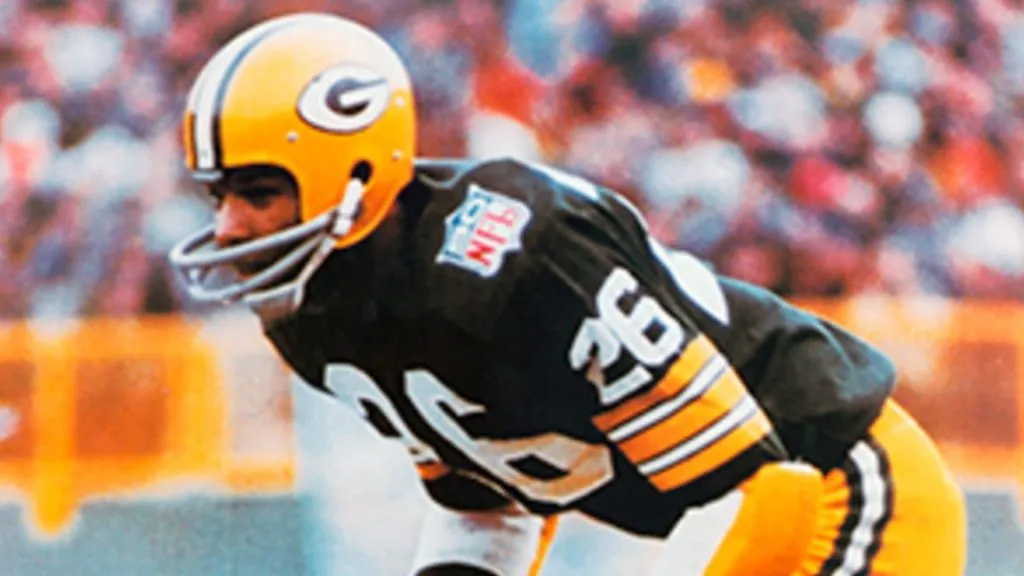
Herb Adderley (Source: Green Bay Packers)
Herb Adderley‘s physicality and coverage skills made him a formidable cornerback for the Packers in the 1960s. His ability to shut down top receivers and contribute to the team’s defensive success was instrumental in the Packers’ championships during that era.
His versatility also allowed him to play safety, further enhancing the Packers’ defensive schemes. His legacy is cemented with his induction into the Pro Football Hall of Fame and the respect he earned as one of the game’s premier defensive backs.
LeRoy Butler
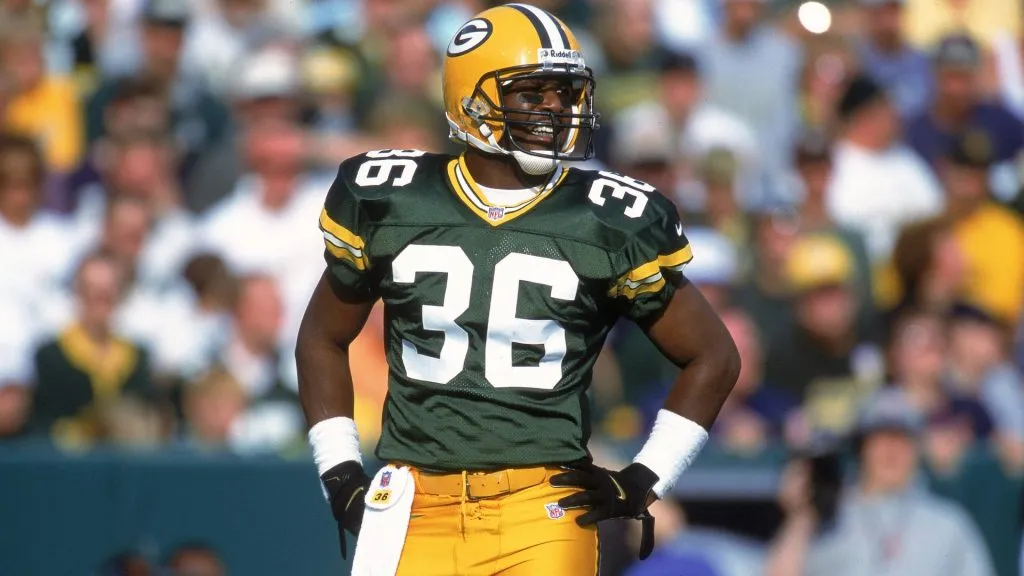
LeRoy Butler #36 of the Green Bay Packers walks on the field during the game against the Chicago Bears at Lambeau Field in 2000. (Source: Jonathan Daniel /Allsport)
LeRoy Butler‘s impact on the NFL is profound, particularly in how the safety position is played. Drafted by the Packers in 1990, his versatility and playmaking ability were instrumental in the team’s success during the 1990s.
He was a key contributor to the Packers’ Super Bowl XXXI victory and was named to four Pro Bowls during his career. His legacy is also marked by his induction into the Pro Football Hall of Fame in 2022, solidifying his place among the league’s elite defenders.
Henry Jordan
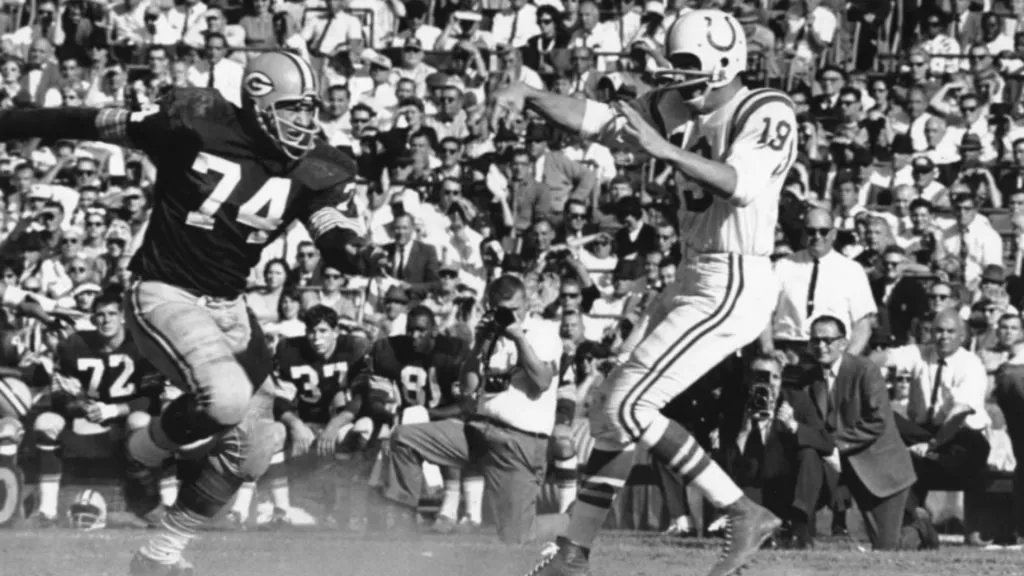
Henry Jordan (Source: NHL)
Henry Jordan‘s acquisition by the Packers in 1959 proved to be a pivotal moment in the team’s history. As a defensive tackle, he was a dominant force on the line, earning six All-Pro selections and playing in five Pro Bowls.
His performance was instrumental in the Packers’ five NFL championships during the 1960s. His contributions were recognized posthumously with his induction into the Pro Football Hall of Fame in 1995.
Donald Driver
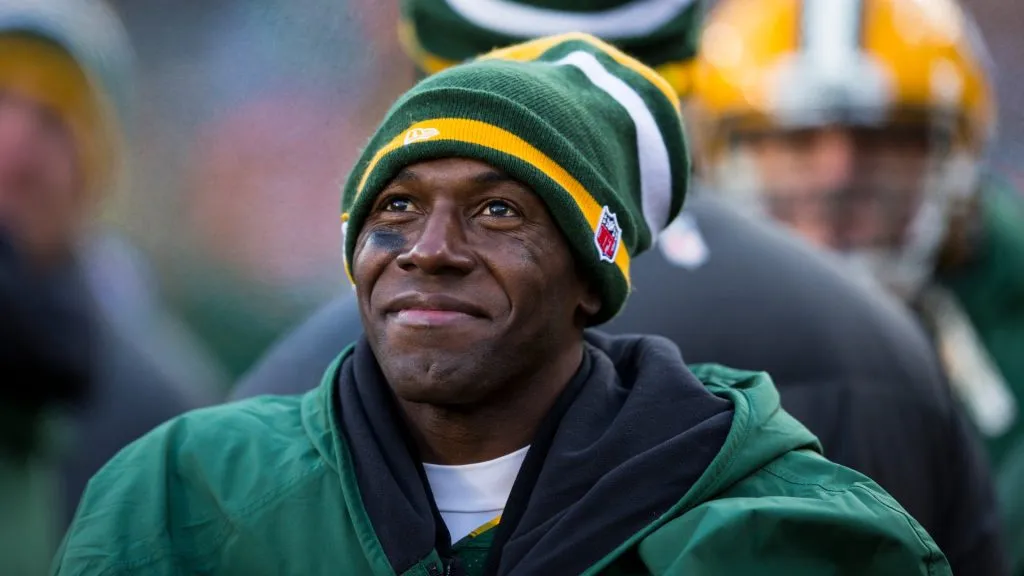
Donald Driver #90 of the Green Bay Packers on the sidelines against theTennessee Titans at Lambeau Field on December 23, 2012. (Source: Tom Lynn /Getty Images)
Donald Driver‘s journey to NFL stardom is a testament to perseverance and hard work. Drafted in the seventh round of the 1999 NFL Draft, he spent his entire 14-season career with the Packers.
He became the franchise’s all-time leader in receptions and receiving yards, earning four Pro Bowl selections and a Super Bowl XLV championship. His legacy extends beyond the field, as he remains a beloved figure in Green Bay and a symbol of dedication and success.
Willie Davis
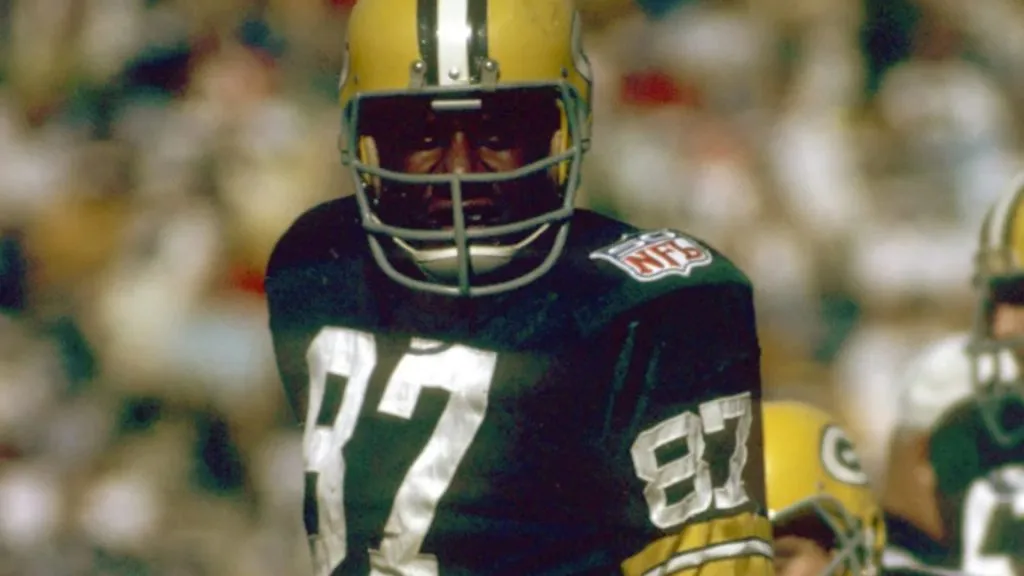
Willie Davis (Source: NHL)
Willie Davis‘ role in the Packers’ dynasty of the 1960s is often understated, yet his contributions were invaluable. As a defensive end, he was a key component of the team’s defensive line, known for his relentless pass rushing and leadership.
He played in all five of Vince Lombardi’s NFL championship teams and was named to five Pro Bowls. His impact on the field was matched by his leadership off it, serving as the first African-American captain in Packers history.
Larry Craig
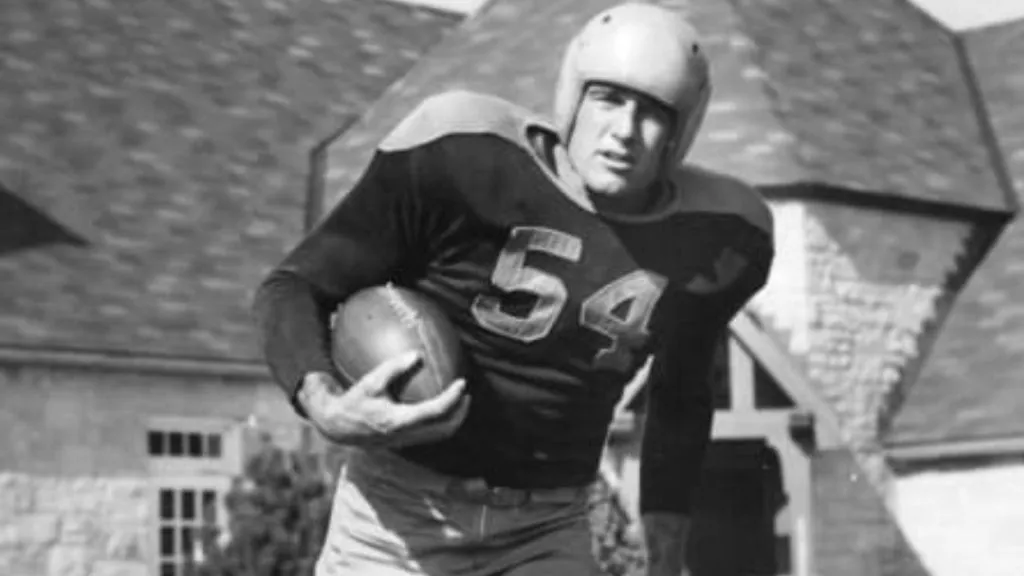
Larry Craig (Source: Green Bay Packers)
Larry Craig’s versatility made him a valuable asset to the Packers during the 1940s. Playing multiple positions, including end, running back, defensive back, and quarterback, his adaptability contributed to the team’s success during that era. His contributions were crucial in maintaining the Packers’ competitive edge, and his legacy is remembered as a foundational player in the team’s history.
Clark Hinkle
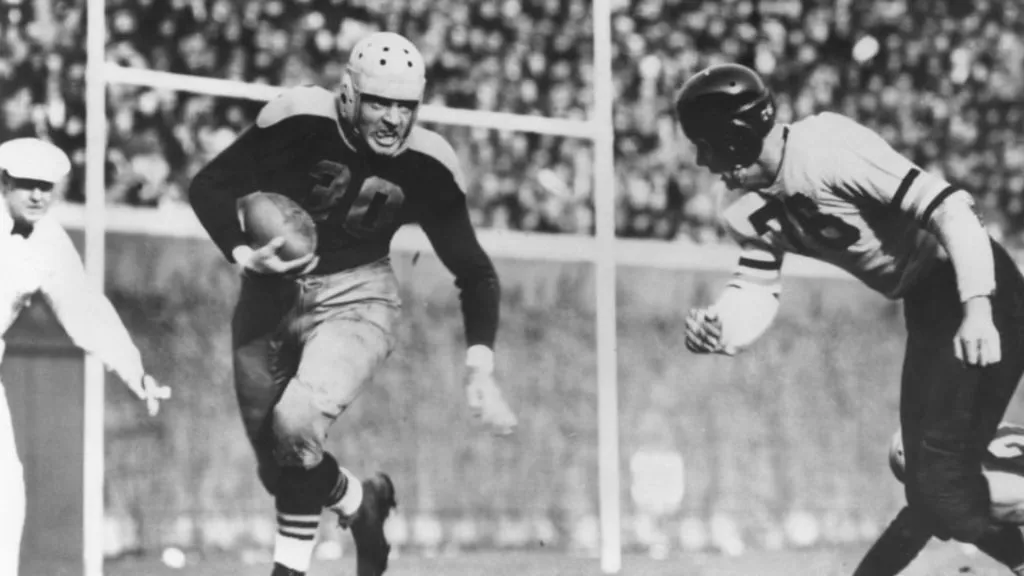
Clark Hinkle (Source: Green Bay Packers)
Clarke Hinkle‘s multifaceted skills made him one of the most dynamic players of the 1930s. As a fullback, Hinkle led the NFL in scoring in 1938 and was known for his punting and placekicking abilities.
He was also a formidable defender, earning All-Pro honors every year of his career. His contributions were instrumental in the Packers’ championships in 1936 and 1939, and his legacy is celebrated as one of the team’s earliest stars.
James Lofton
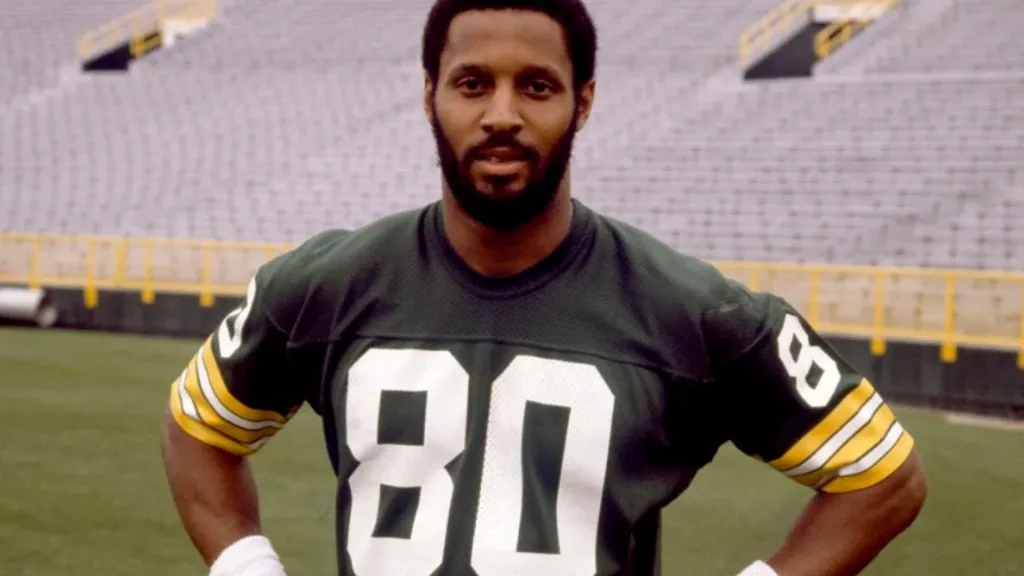
James Lofton (Source: NHL)
James Lofton, drafted by the Packers in 1978, stood out as a wide receiver with exceptional speed and reliable hands. Over nine seasons in Green Bay, he was selected to seven Pro Bowls, leaving an indelible mark on the franchise.
His talent for stretching the field and scoring long touchdowns made him a constant threat to defenses. He finished his career with over 14,000 receiving yards, becoming the first NFL player to reach that milestone, and was inducted into the Pro Football Hall of Fame in 2003.
Paul Coffman
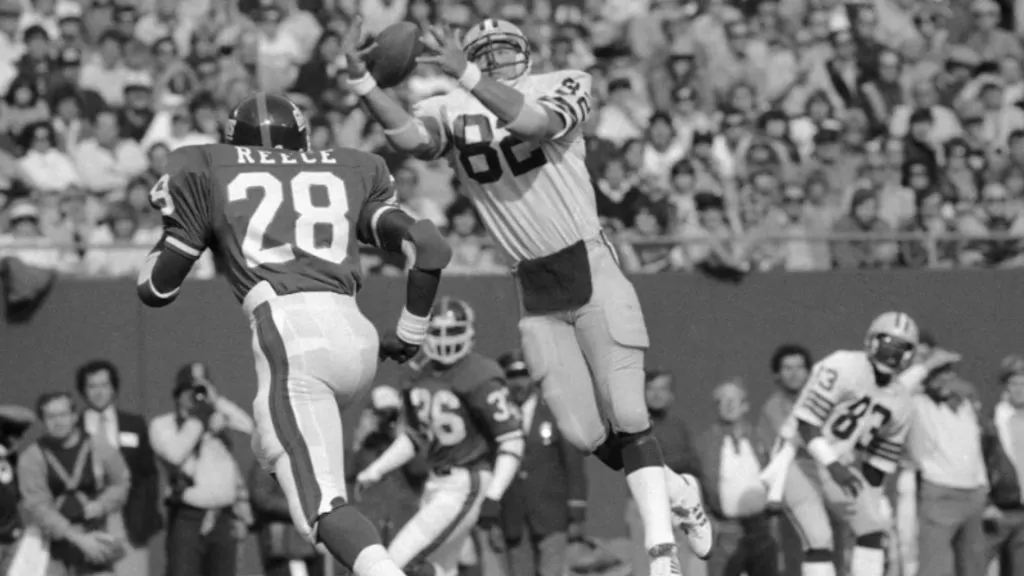
Paul Coffman (Source: NHL)
Paul Coffman arrived in Green Bay as an undrafted free agent in 1978. Despite flying under the radar, he emerged as one of the top tight ends of his era. He was selected to three Pro Bowls, totaled over 4,300 receiving yards, and scored 42 touchdowns during his Packers tenure. He excelled both as a blocker and receiver, playing a crucial role in the team’s offensive schemes. He was later inducted into the Packers Hall of Fame in 1994.
Forrest Gregg
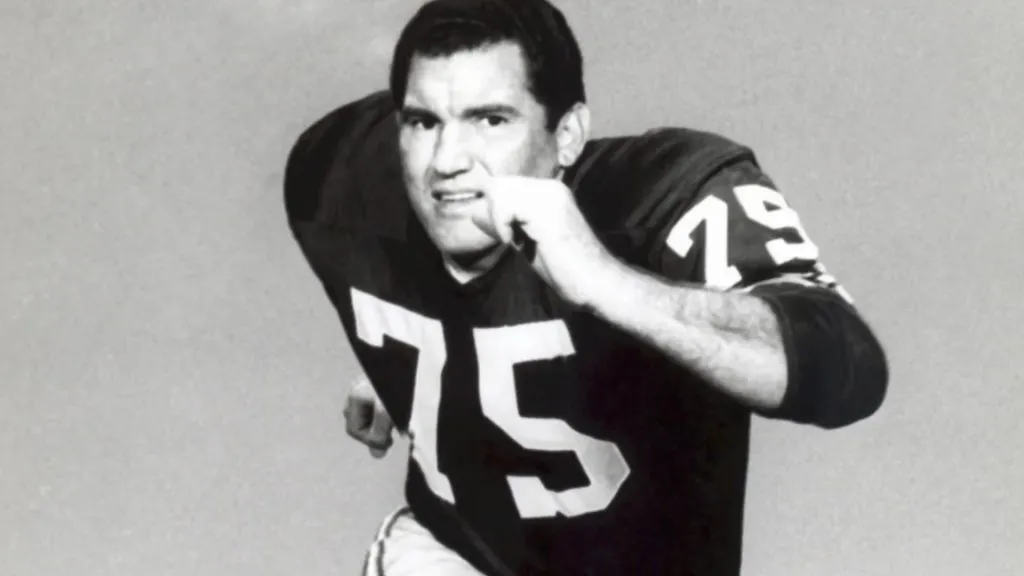
Forrest Gregg (Source: NHL)
Forrest Gregg, drafted by the Packers in 1956, became a cornerstone of Green Bay’s offensive line during its golden era. Playing 188 consecutive games—a record at the time—he was known for his toughness and consistency.
He could excel as both right tackle and guard, earning nine Pro Bowl selections. His durability and skill made him a favorite of Vince Lombardi, and he was inducted into the Pro Football Hall of Fame in 1977.
Cal Hubbard
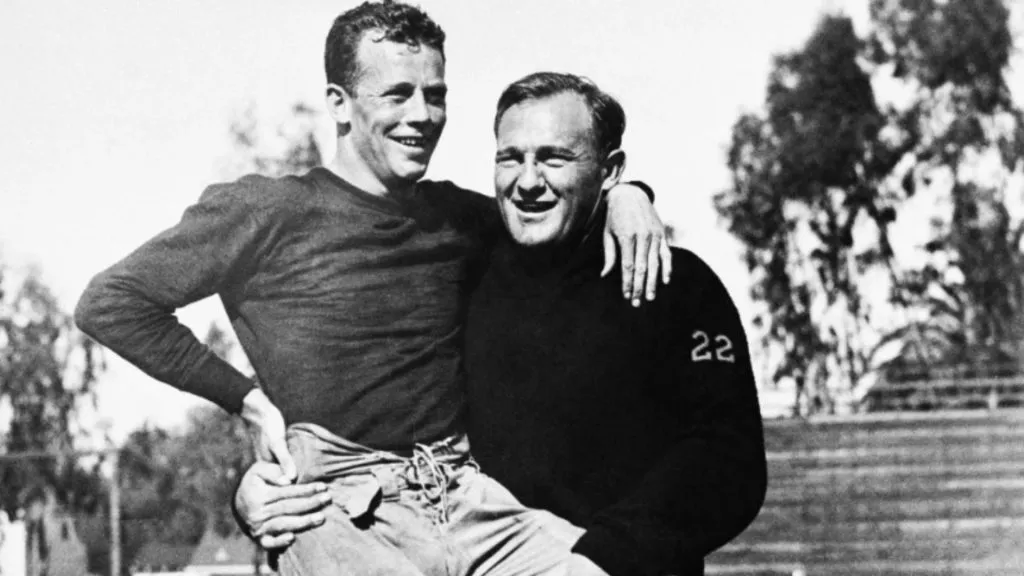
Cal Hubbard (Source: NHL)
Cal Hubbard joined the Packers in 1929 and stands out as one of the most unique figures in professional sports history. Before his NFL career, he was a notable Major League Baseball umpire.
On the football field, he dominated as a tackle and defensive leader, helping Green Bay win NFL championships in 1929, 1930, and 1931. His rare achievement of excelling in two sports led to his Hall of Fame induction in 1963.
Mike Michalske
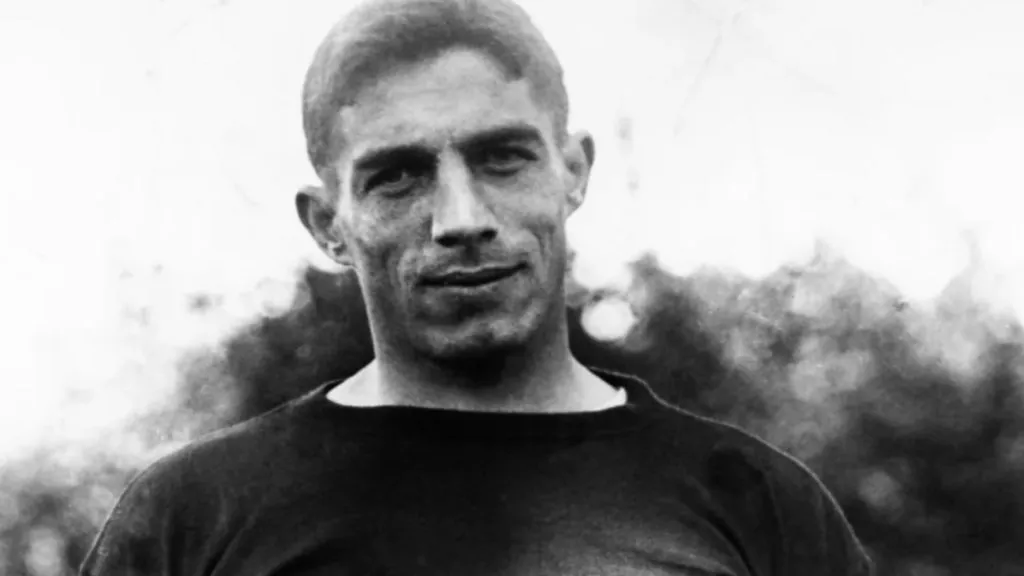
Mike Michalske (Source: NHL)
Mike Michalske, drafted by the Packers in 1933, was one of the era’s premier guards. Known for his fierce blocking and on-field toughness, he was key to Green Bay’s success in the 1930s. He earned multiple All-Pro honors and was inducted into the Pro Football Hall of Fame in 1964.
Jim Ringo
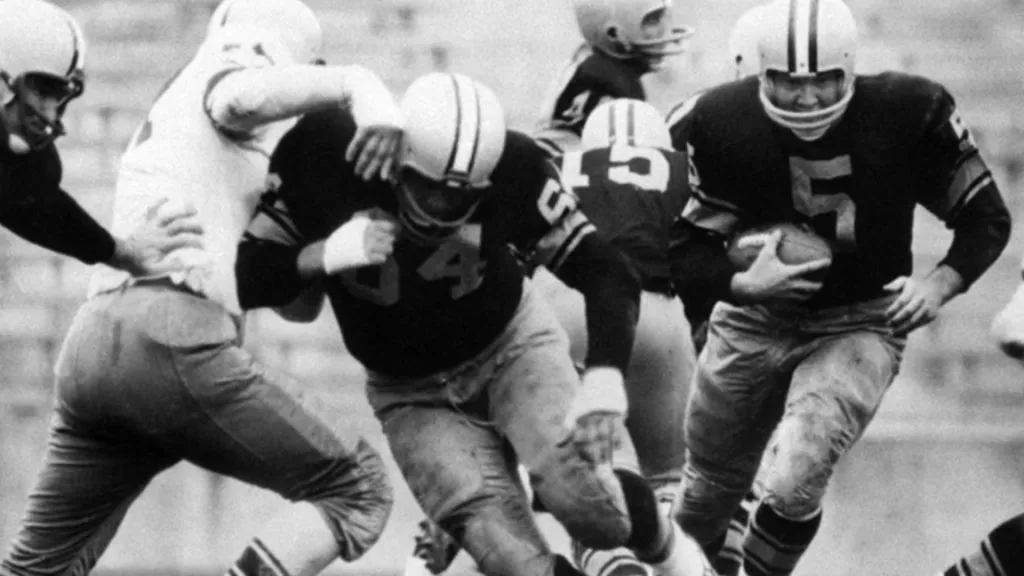
Jim Ringo (Source: NHL)
Jim Ringo, selected in the seventh round of the 1953 draft, defied expectations for a center of his size. His quickness and technique made him a critical part of Vince Lombardi’s famed “Packers sweep.” He played 126 consecutive games for Green Bay, earned seven Pro Bowl selections, and was inducted into the Pro Football Hall of Fame in 1981.
Gilbert Brown
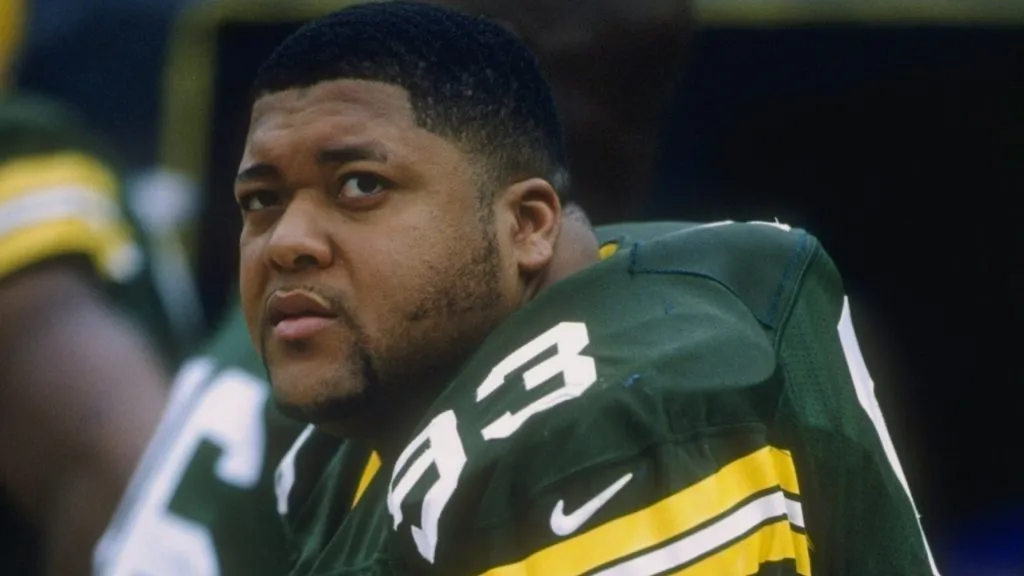
Gilbert Brown #93 of the Green Bay Packers looks on during a game against the Saint Louis Rams at the Lambeau Field in 1997. (Source: Jonathan Daniel /Allsport)
Gilbert Brown, affectionately known as “The Gravedigger,” was a formidable presence on the defensive line for the Green Bay Packers from 1993 to 1999 and again from 2001 to 2003. Standing 6’2″ and weighing 340 pounds, he was a mountain of a man who played 125 games with the Packers, recording 292 tackles and seven sacks.
His most memorable season came in 1996 when he helped anchor a defensive line that allowed a league-low 19 touchdowns, contributing significantly to the Packers’ Super Bowl XXXI victory. His post-sack celebration, where he would perform a “Gravedigger” dance, became a fan favorite and solidified his status as a Packers icon.