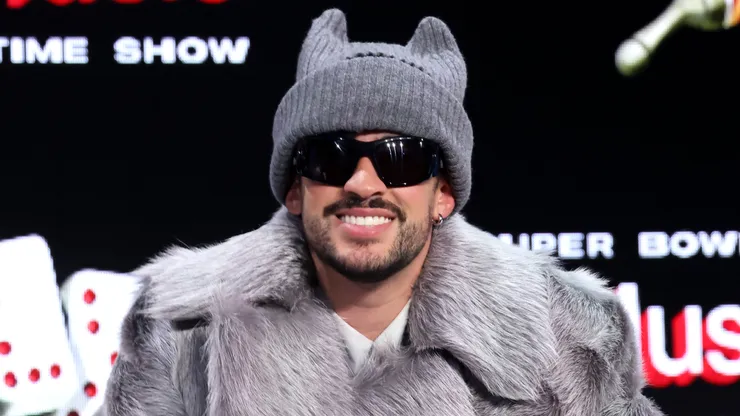
Super Bowl halftime shows have become some of the most high-profile performances in music, combining massive audiences with elaborate productions. Bad Bunny’s 2026 appearance at Levi’s Stadium drew attention not only for his star power but also for the scale of the event behind the scenes.
Every aspect of the halftime show requires careful planning and a huge team. With millions of viewers worldwide, questions naturally arise about how artists are compensated for delivering what may be the most-watched live performance of the year.
For performers, the Super Bowl represents both prestige and exposure. While some artists have historically foregone traditional fees for the platform’s unmatched visibility, the conversation around payment has become part of the narrative.
Was Bad Bunny compensated for his Super Bowl halftime performance?
Super Bowl halftime performances are notoriously high-profile, but the financial arrangements behind them are often unconventional. Historically, the National Football League does not pay a fee to headline artists.
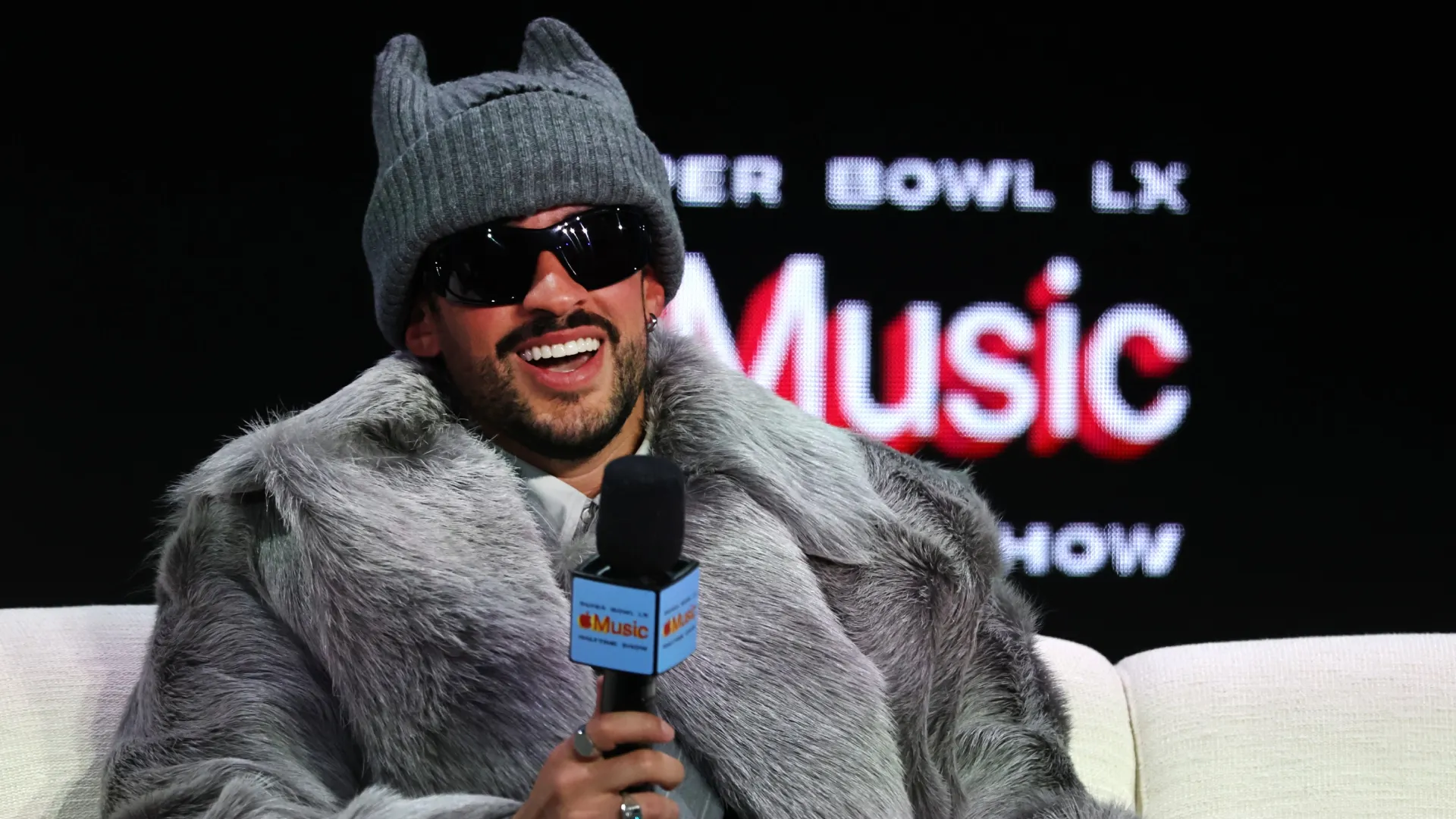
Bad Bunny during the Super Bowl LX Pregame & Apple Music Super Bowl LX Halftime Show Press Conference (Source: Mike Coppola/Getty Images)
Instead, performers receive massive exposure to a global audience, often exceeding 100 million viewers, which can translate into record sales, streaming boosts, and promotional opportunities.
For Bad Bunny, this platform represents a career-defining moment. While the spotlight is immense, the payoff is largely indirect: heightened streaming numbers, merchandise sales, and cultural impact.
Executives and insiders often highlight that the visibility and prestige of performing at the Super Bowl can eclipse a traditional paycheck. The Puerto Rican artist is truly at the peak of his career, especially after winning the Grammy for Album of the Year for “DeBÍ TiRAR MáS FOToS”.
The halftime show’s production itself, however, is not cheap. Thousands of crew members and technical specialists are compensated for their work, illustrating the massive effort and financial investment required to pull off a seamless 12–15 minute spectacle, even if the headline performer isn’t directly paid.