The Super Bowl halftime show has delivered unforgettable moments, massive ratings and cultural milestones. But not every performance has lived up to the hype. Across NFL history, some shows struggled to match the scale of the stage they were given.
From technical mishaps to creative choices that failed to connect, these halftime sets reveal how thin the line can be between spectacle and disappointment. Even global stars and ambitious concepts have found that the SB offers little margin for error.
Looking back at the least successful performances isn’t just about criticism, it’s about context. These shows reflect shifting trends, changing expectations and the pressure that comes with performing for the largest television audience of the year.
The Black Eyed Peas (2011)
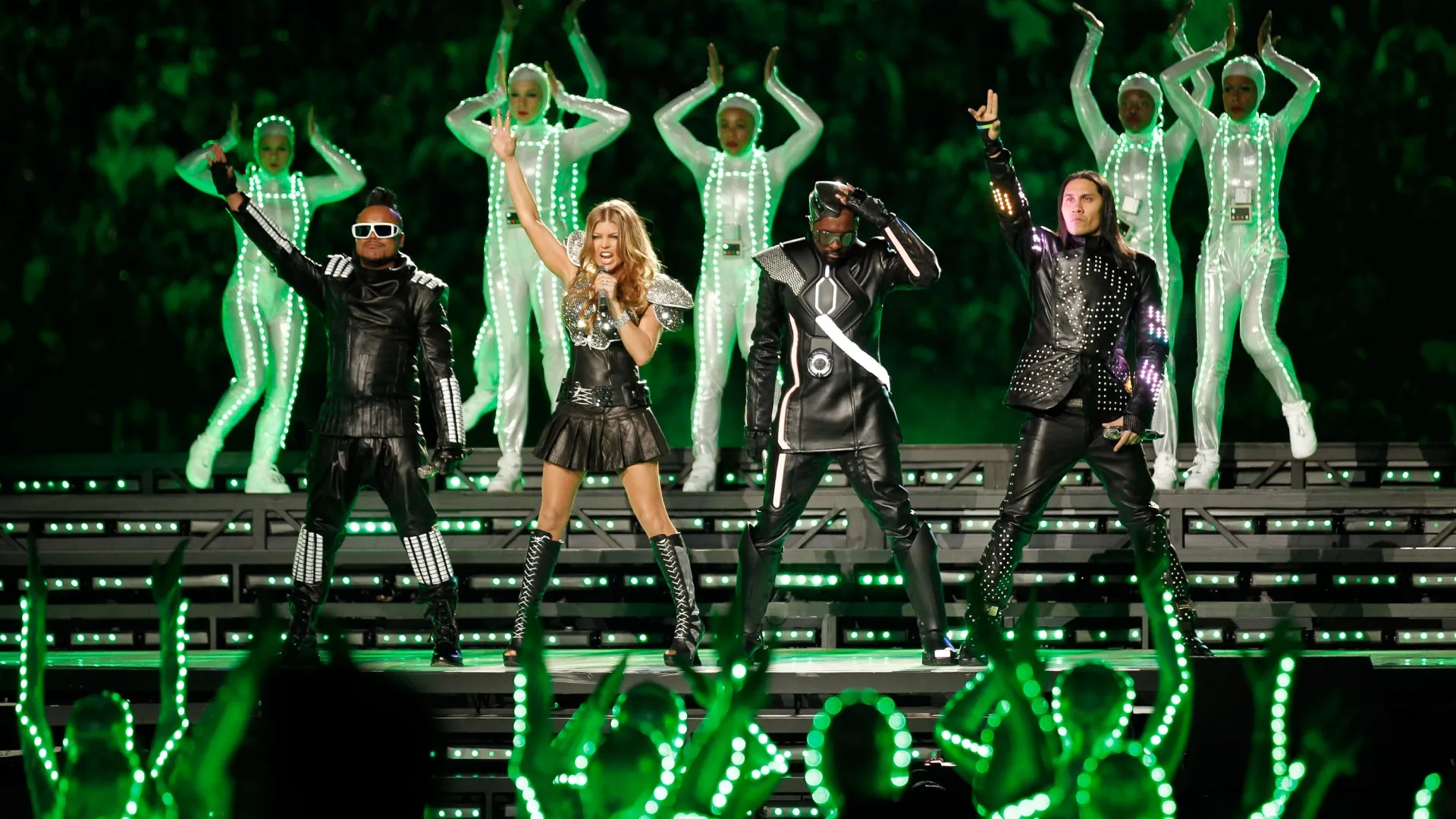
The Black Eyed Peas (Source: Christopher Polk/Getty Images)
The Black Eyed Peas’ halftime set at Super Bowl XLV in Arlington is regularly cited as one of the most disappointing shows in Super Bowl history. Despite performing chart-toppers like “I Gotta Feeling”, the group’s heavily produced, high-tech spectacle was marred by audio problems and off-key vocals that distracted more than they impressed.
Critics described the performance as “uninspiring” and “pathetic or mediocre at best”, noting that the focus on visuals couldn’t hide the lack of musical cohesion. Bands like Usher and Slash appeared, but their short cameos did little to salvage the chaotic feel of the show.
Clint Black, Tanya Tucker, Travis Tritt and The Judds (1994)
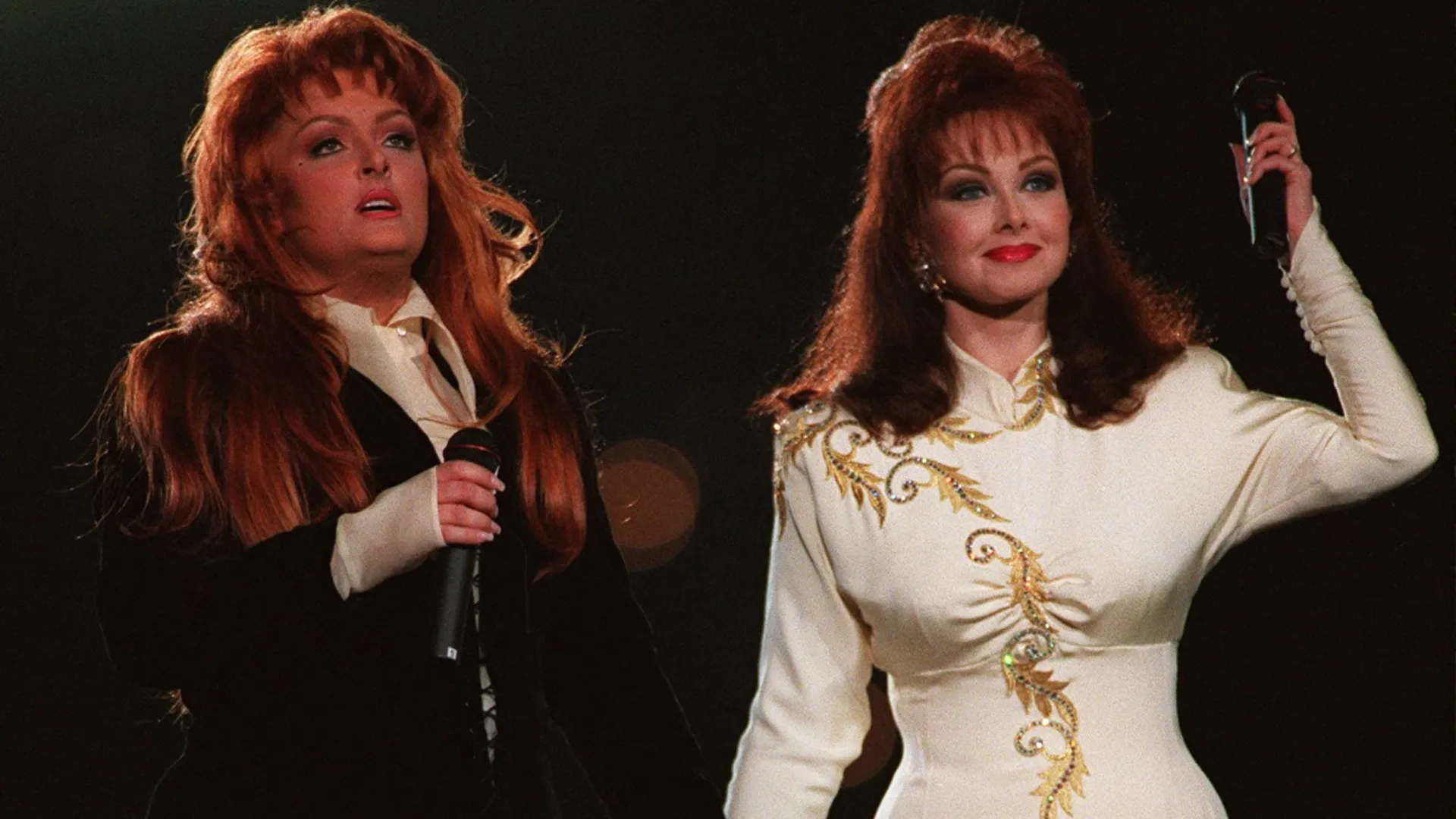
The Judds (Source: Stephen Dunn/Allsport)
Marketed with a “Rockin’ Country Sunday” theme during Super Bowl XXVIII, this lineup of respected country stars was a bold choice for a mainstream sports audience. The intention was to spotlight American roots music, but the result felt oddly out of place in the halftime context.
Critics and retrospective lists have pointed out that the country focus didn’t resonate widely with neutral viewers, making the show feel more like a niche showcase than a universal entertainment moment.
Phil Collins, Christina Aguilera, Enrique Iglesias, Toni Braxton and Tina Turner (2000)
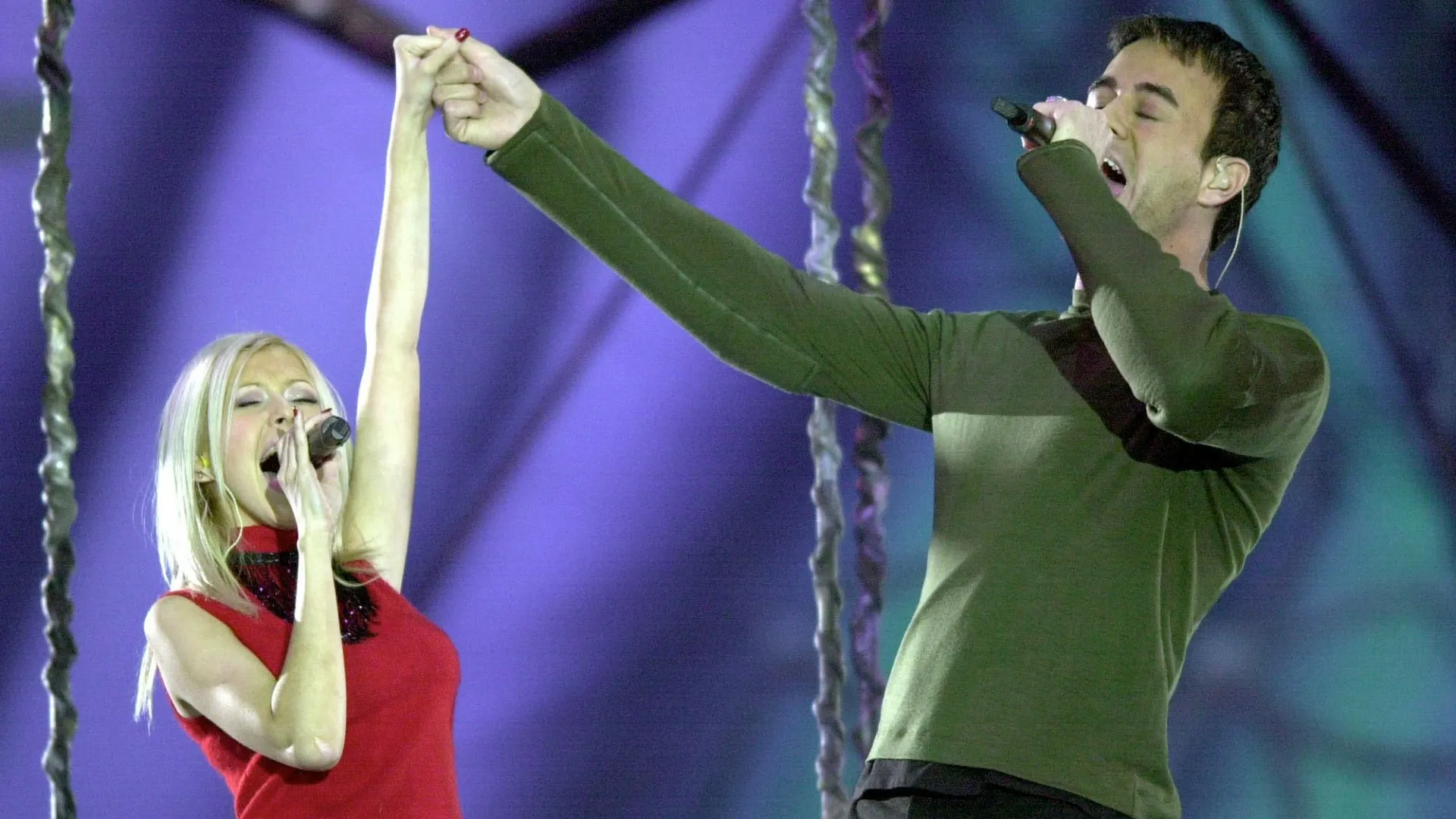
Christina Aguilera and Enrique Iglesias (Source: Doug Pensinger)
Billed as a grand celebration to usher in the new millennium, the Super Bowl XXXIV halftime show brought together an impressive lineup of global pop stars: Phil Collins, Christina Aguilera, Enrique Iglesias, Toni Braxton and Tina Turner. Yet the promise of star power never quite translated on stage.
Instead of leaning into the artists’ biggest hits, the production prioritized a sprawling Disney-inspired parade concept that left performances feeling fragmented and rushed.
Critics later pointed out that the show felt more like a corporate showcase than a concert, with even Tina Turner’s commanding presence unable to anchor an otherwise unfocused spectacle. In retrospect, the halftime is often remembered less for its music than for how easily ambition overtook cohesion.
Gloria Estefan and Olympic Figure Skaters (1992)
In Super Bowl XXVI’s “Winter Magic” halftime show, Latin megastar Gloria Estefan shared the stage with Olympic figure skaters and seasonal pageantry. While she was at the height of her popularity, the juxtaposition with ice skating and unrelated visual pageants left the performance feeling mismatched and unfocused.
Headline recaps of the event show that the unusual pairing confused audiences more than entertained them, and the lack of a strong musical throughline has made this segment a frequent example of halftime experimentation gone wrong.
The Blues Brothers, ZZ Top and James Brown (1997)
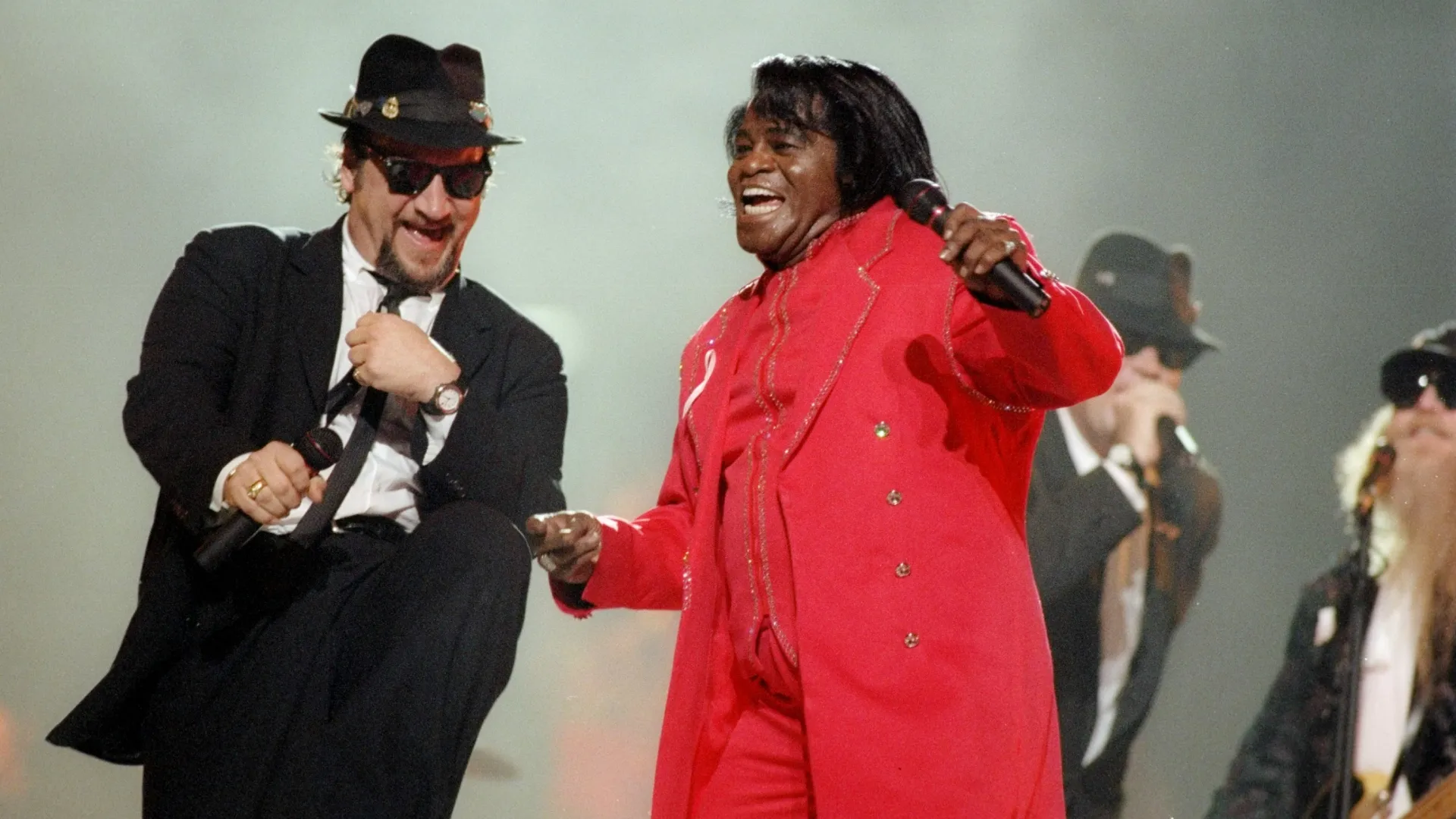
James Belushi and James Brown (Source: Getty Images)
Super Bowl XXXI’s halftime attempted a nostalgic dive into blues and rock with an ensemble featuring The Blues Brothers, ZZ Top and James Brown. Despite the pedigree of these performers, critics later described the set as lacking coherence.
The mix of comedy act elements (including Blues Brothers characters played by Dan Aykroyd and John Goodman), classic rock swagger and funk energy never quite gelled into a unified show. Some retrospectives highlight that, while individual talent was strong, the overall production felt like a mismatched assortment rather than a compelling halftime experience.
Patti LaBelle, Tony Bennett, Arturo Sandoval and Miami Sound Machine (1995)
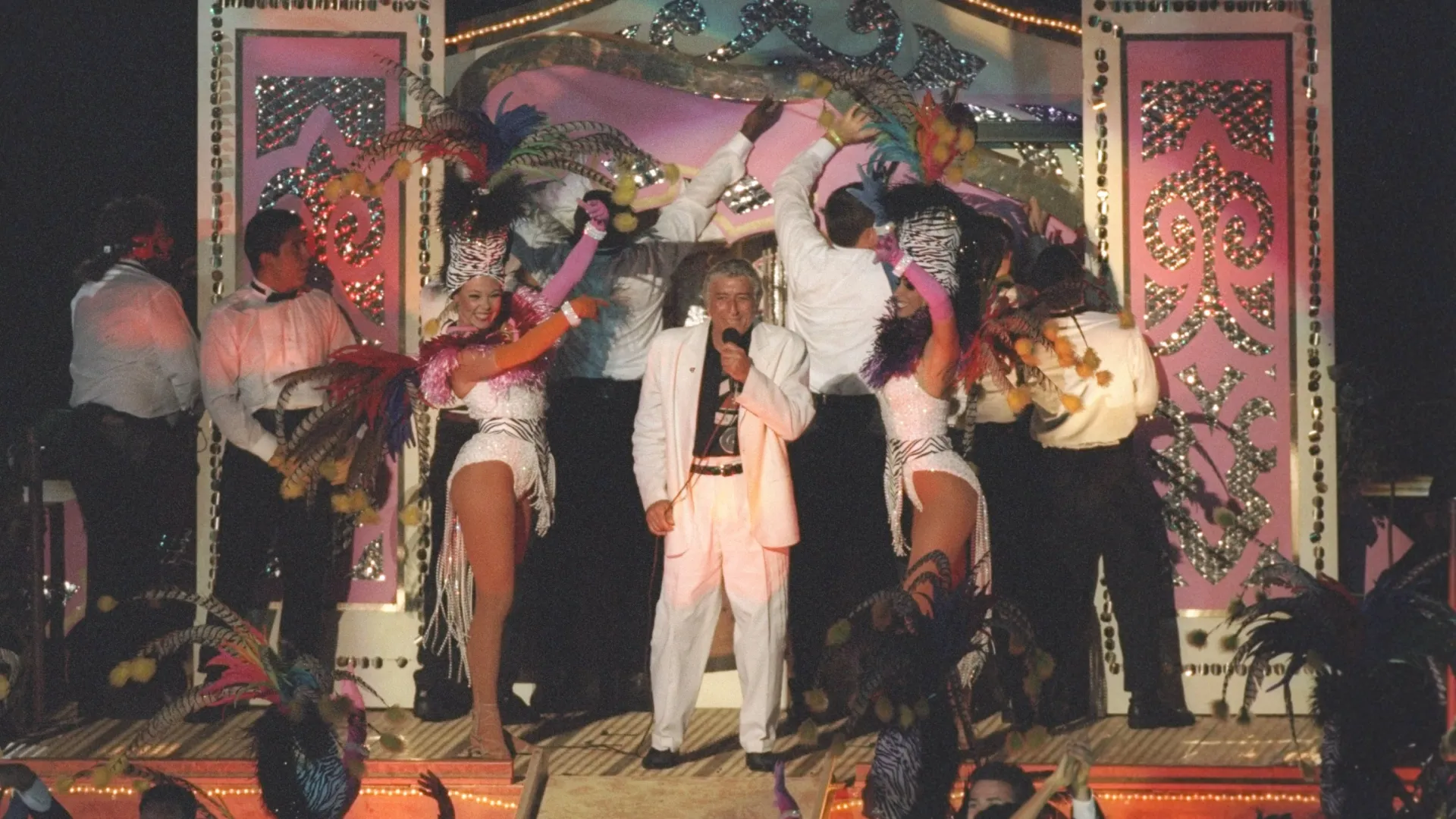
Tony Bennett (Source: Doug Pensinger /Allsport)
In 1995, the halftime theme leaned into Miami’s cultural flair with vocal legends Patti LaBelle and Tony Bennett sharing the spotlight with Cuban-American trumpeter Arturo Sandoval and pop-Latin act Miami Sound Machine. Critics later characterized the production as overly chaotic, lacking a clear focal point.
Rather than spotlighting a tight set of hits or a cohesive artistic vision, the performance shifted rapidly among styles and eras, leaving audiences without a standout moment to anchor the show in memory.
Janet Jackson, Justin Timberlake, Kid Rock, Nelly, P. Diddy and Jessica Simpson (2004)
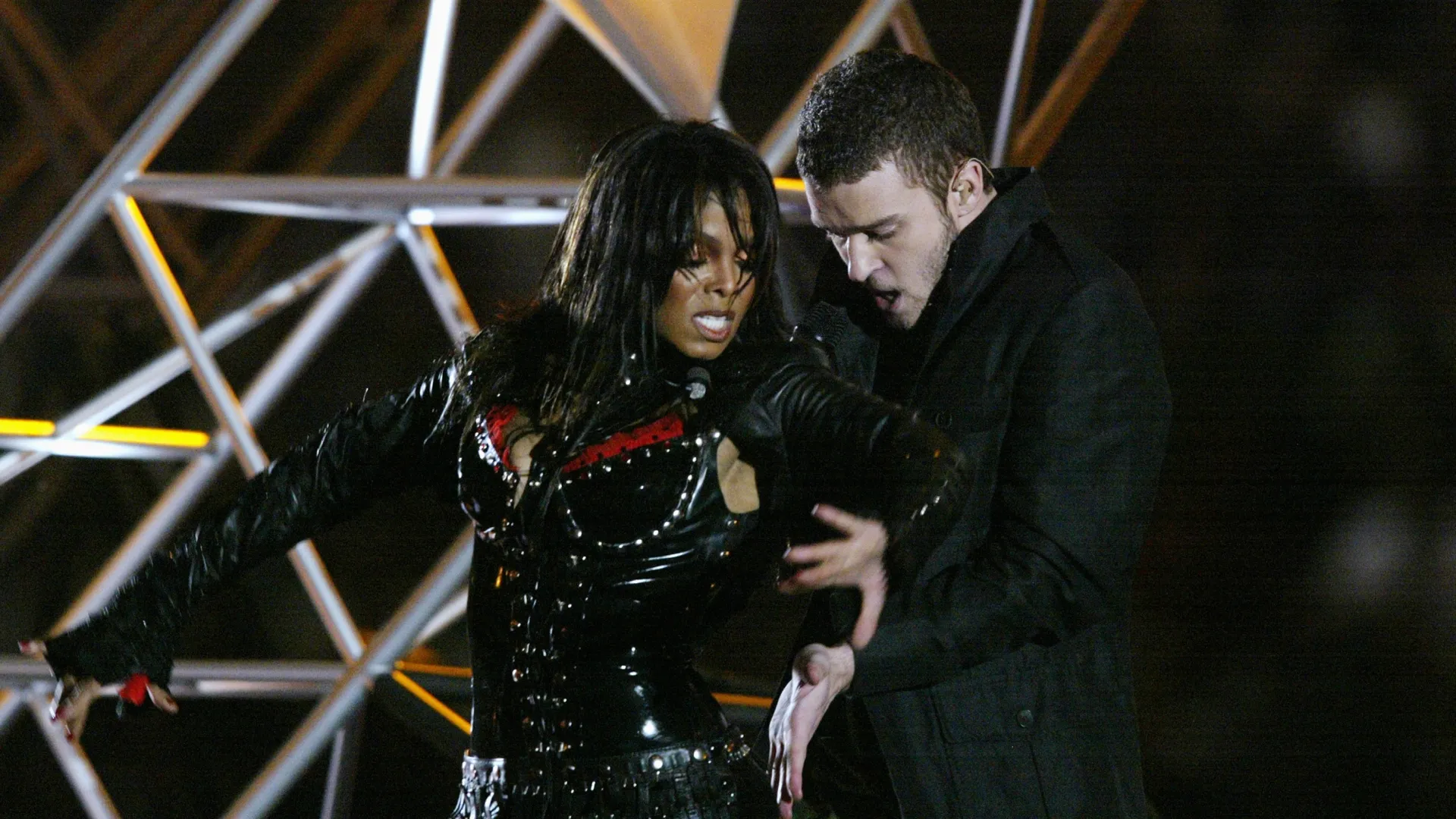
Janet Jackson and Justin Timberlake (Source: Donald Miralle/Getty Images)
Super Bowl XXXVIII’s halftime show is perhaps most infamous for the controversial “wardrobe malfunction” when Justin Timberlake inadvertently exposed Janet Jackson’s chest during their performance. Although the set featured a lineup of major pop and hip-hop acts delivering energetic hits, the cultural fallout from that moment overshadowed the music itself.
The incident sparked national debate, a Federal Communications Commission fine and a lasting impact on broadcast standards, making this one of the most controversial halftime shows — remembered more for its aftermath than its artistic merits.
Smokey Robinson, The Temptations, Martha Reeves, Boyz II Men and Queen Latifah (1998)
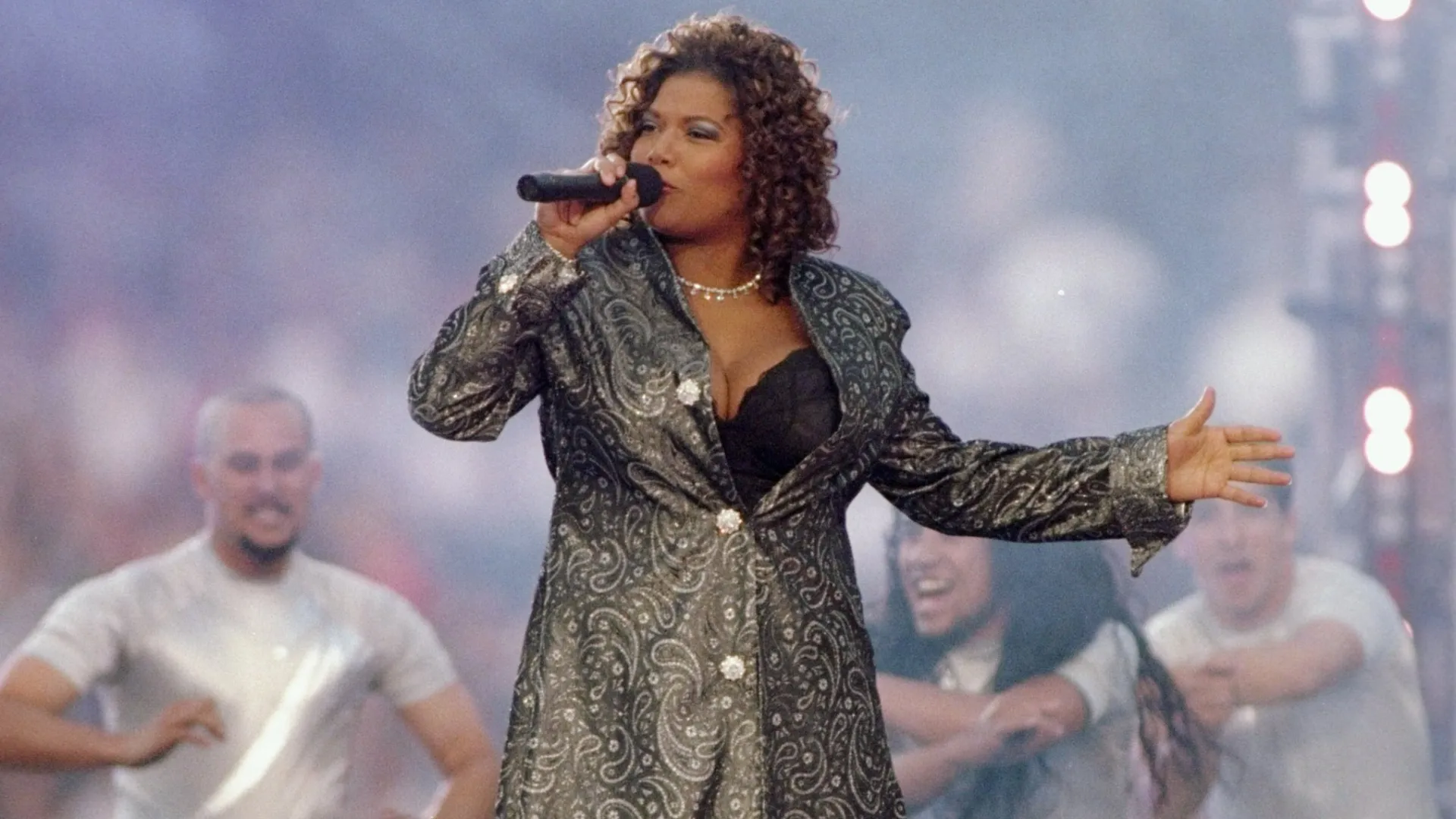
Queen Latifah (Source: Getty Images)
The 1998 Super Bowl XXXII halftime show aimed to honor Motown’s 40th anniversary with a lineup of R&B heavyweights, including Smokey Robinson, The Temptations, Martha Reeves, Boyz II Men and Queen Latifah. While each artist brought undeniable pedigree, the performance struggled to translate Motown magic to the Super Bowl’s vast stage.
Critics and retrospectives have pointed out that key hits like “End of the Road” were notably absent from the setlist, leaving viewers longing for bigger moments. What was intended as a celebration of Black musical heritage instead came off to some as a string of pleasant yet under-curated segments that lacked a central musical thread — a rare miss for such iconic names.
Gloria Estefan, Stevie Wonder and Big Bad Voodoo Daddy (1999)
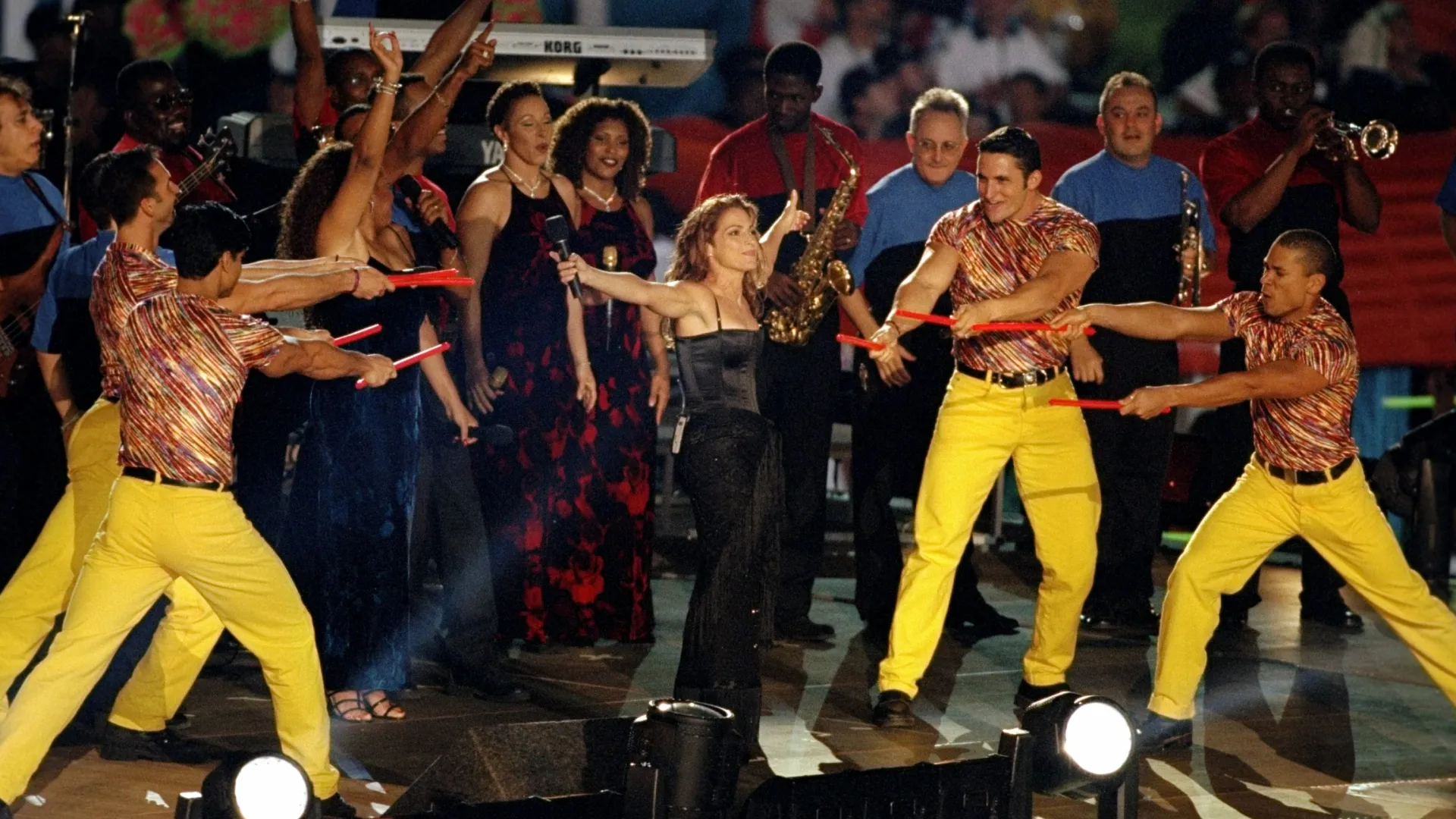
Gloria Estefan (Source: Getty Images)
Super Bowl XXXIII’s halftime show tried to bridge generations by blending Salsa, soul and swing with Gloria Estefan at the center flanked by Stevie Wonder and swing revival act Big Bad Voodoo Daddy.
The production leaned heavily into nostalgic theatrics, from giant lighted balloons to oversized props, but critics later noted that the concept felt like a tribute spectacle rather than a concert with a clear musical identity.
This mishmash, set against the end of the swing revival’s mainstream moment, left viewers uncertain whether they had witnessed a heartfelt homage or a dated variety show.
Shania Twain, No Doubt and Sting (2003)
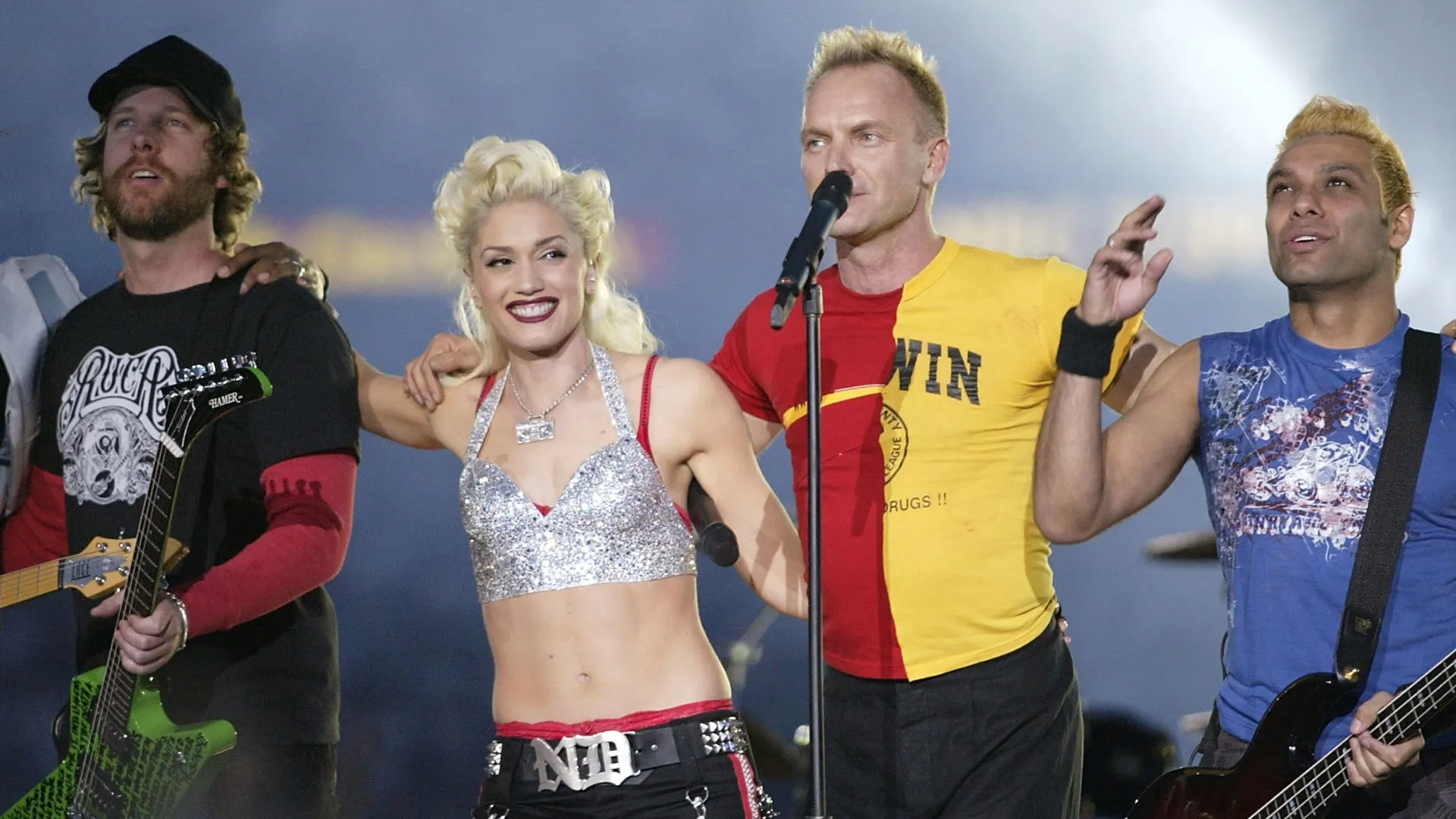
No Doubt (Source: Donald Miralle/Getty Images)
The halftime show at Super Bowl XXXVII carried big names but mixed results. Shania Twain, slated as the headliner, delivered her hits over prerecorded vocals — a fact she later acknowledged — which undercut the authenticity expected from a live performance.
No Doubt and Sting did offer lively performances, yet Twain’s portion was widely seen as overshadowed both by sound quality controversies and by her collaborators, particularly Gwen Stefani’s spirited delivery with No Doubt. Some critics still frame the show as uneven, a big-budget peek into early 2000s pop that didn’t quite coalesce into a standout moment.
Justin Timberlake (2018)
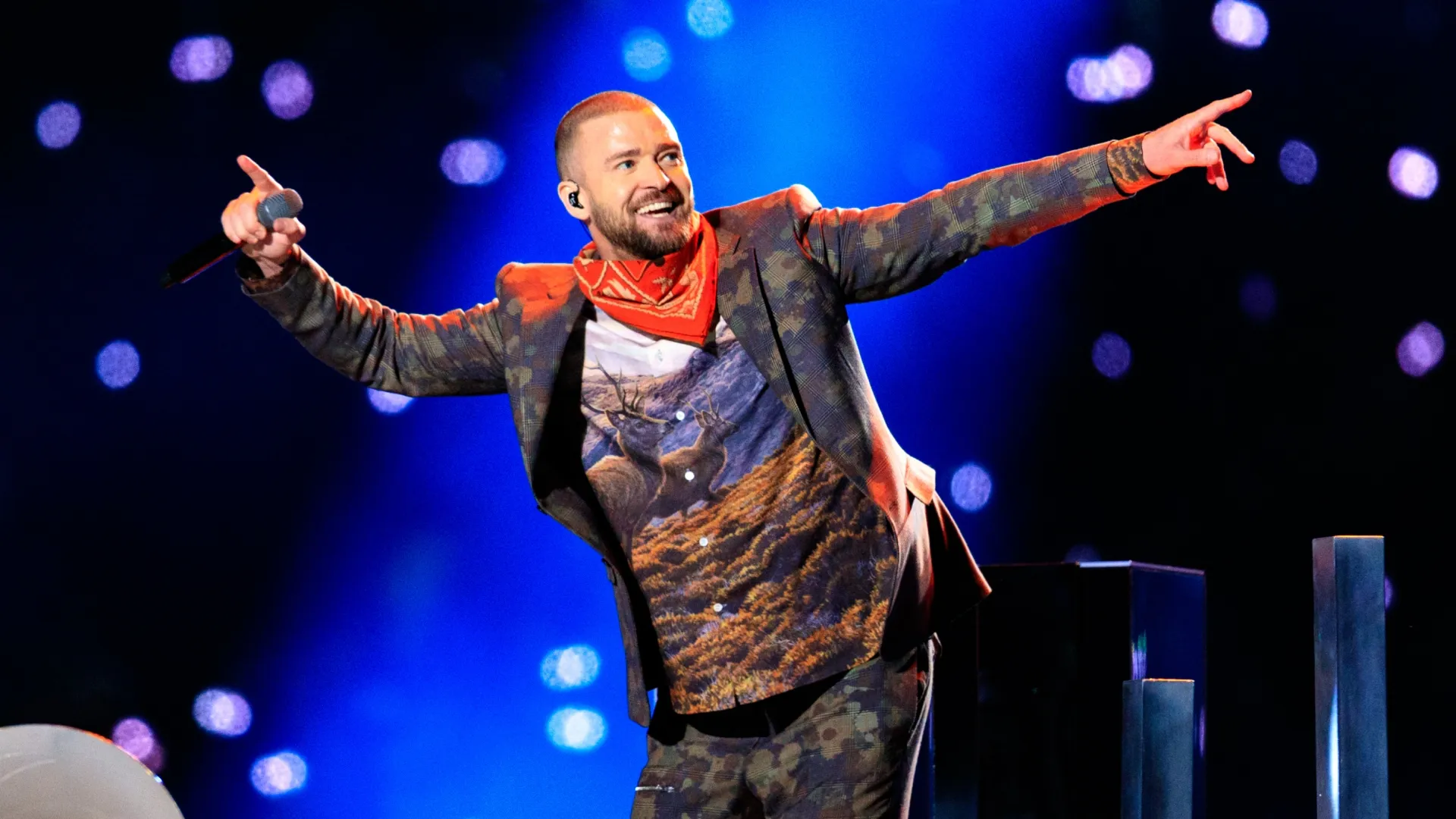
Justin Timberlake (Source: Christopher Polk/Getty Images)
When Justin Timberlake returned to headline the Super Bowl LII halftime show in 2018, it was supposed to be a redemption arc — three Super Bowl appearances after the infamous 2004 incident. Instead, the performance garnered mixed to underwhelming reviews.
Critics cited muddy sound mixing, lack of a defining musical moment and an awkward Prince tribute that felt more obligatory than inspired. While his choreography and crowd engagement earned some praise, many observers felt the set was dutiful but forgettable, lacking the spontaneous spark that defines great halftime shows.
Social media chatter and fan commentary also pointed to lingering resentment from the 2004 controversy and questions about his artistic choices, making the 2018 show one of the more controversial mediocrities in recent memory.
Bruno Mars with special guests Red Hot Chili Peppers (2014)
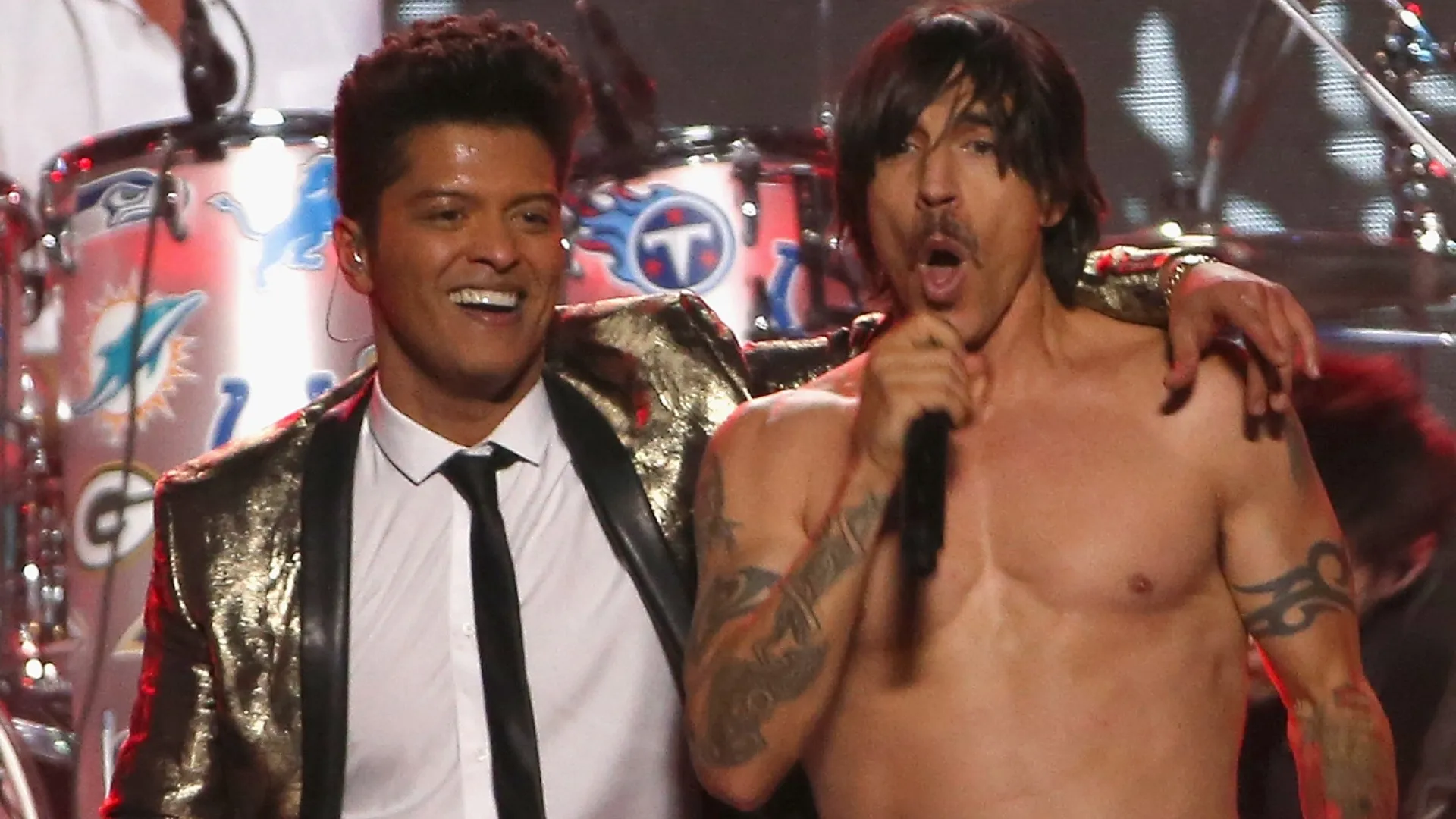
Bruno Mars and Anthony Kiedis of the Red Hot Chili Peppers (Source: Larry Busacca/Getty Images)
When Bruno Mars headlined the Super Bowl XLVIII halftime show in 2014, many expected a memorable breakthrough performance and for some, it was just that. He delivered energetic renditions of his hits and even opened with a striking drum solo.
Yet the inclusion of the Red Hot Chili Peppers proved polarizing: their rock sound clashed with his pop-funk vibe, and critics questioned the chemistry between the acts. Some reviewers felt the band’s performance was unnecessary or awkward, and that the set lacked the cohesive identity viewers look for in great halftime spectacles.
Usher (2024)
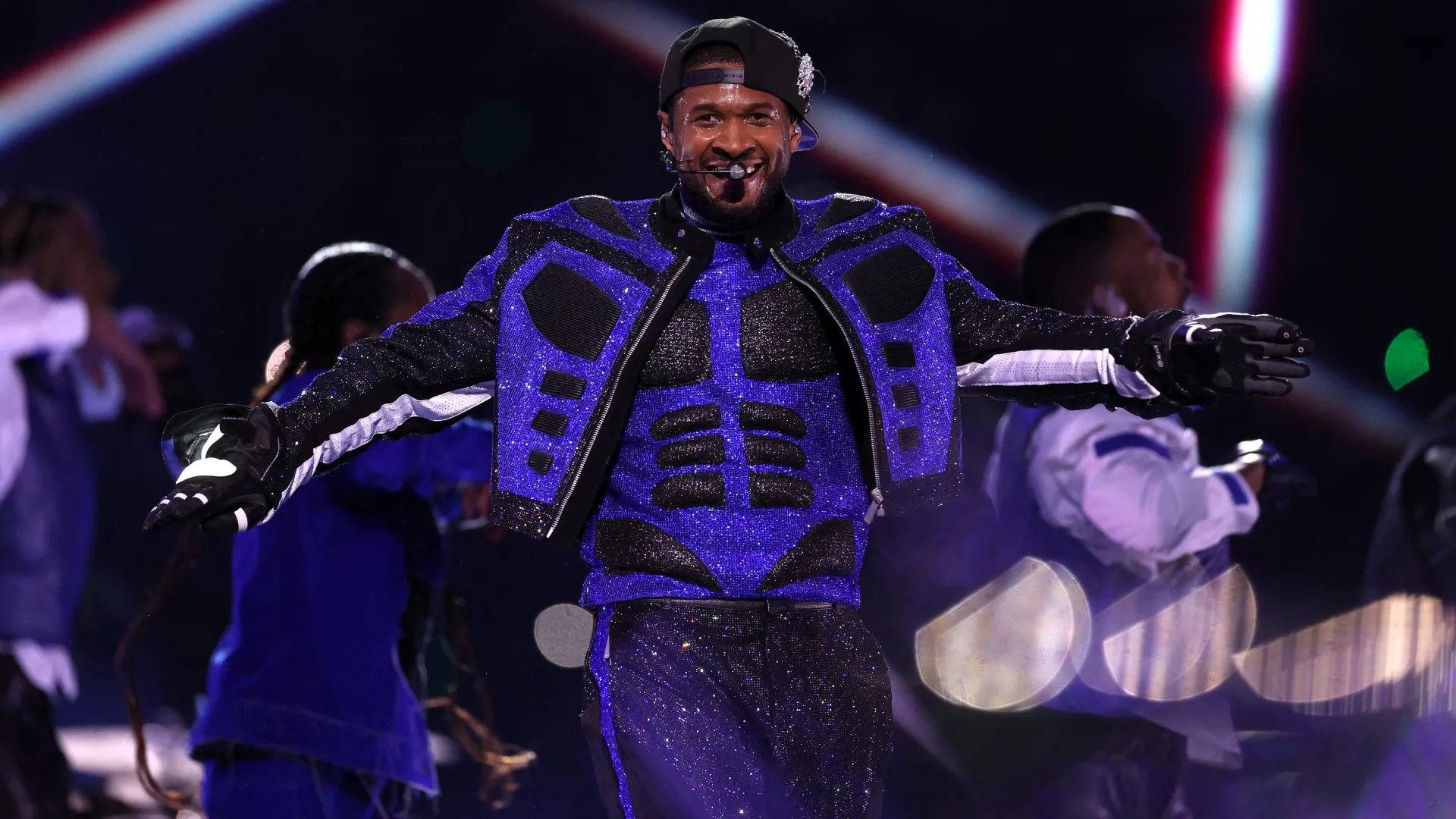
Usher (Source: Jamie Squire/Getty Images)
Usher’s Super Bowl LVIII halftime show in 2024 arrived with immense anticipation, given his status as one of R&B’s biggest stars. Yet reactions were mixed online, with some fans praising his moves and catalog but others describing the set as underwhelming or chaotic, a show that tried to cram too much into its 12-minute slot.
Comments on social media reflected that while his choreography and stage energy were strong, the pacing and song selection left parts of the performance feeling disjointed, fueling debates about whether it lived up to the Super Bowl’s high bar for halftime entertainment.
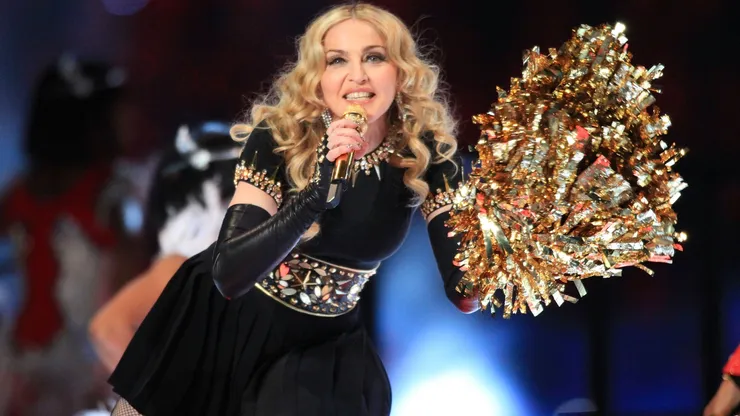
Madonna (2012)
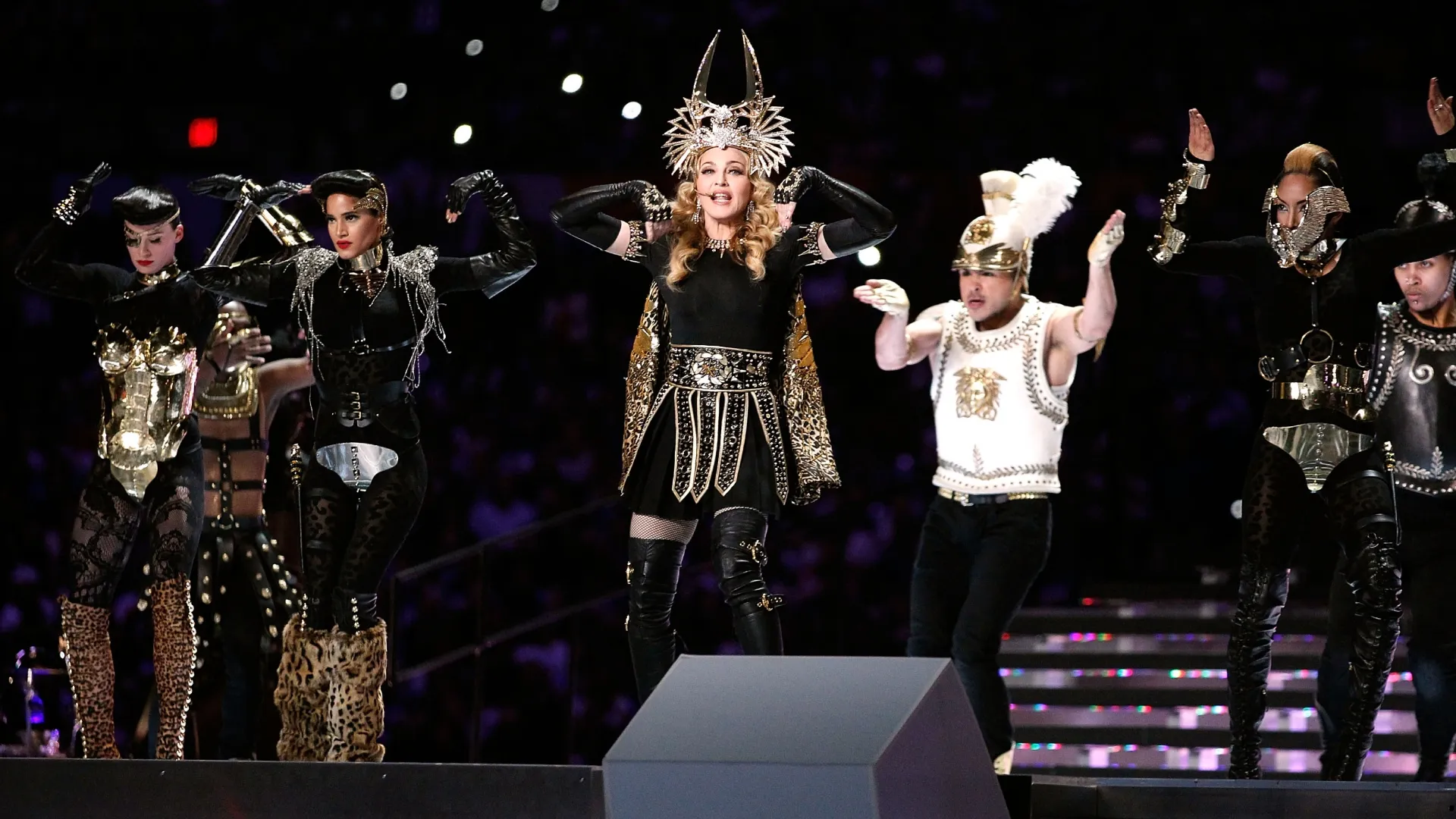
Madonna (Source: Christopher Polk/Getty Images)
Madonna’s halftime show at Super Bowl XLVI was one of the most talked-about in history, but not always for musical reasons. While she brought iconic songs and spectacle to the stage, the performance became infamous when guest M.I.A. made an obscene gesture on live television, an incident that sparked legal disputes between the NFL and the artist. Critics later noted that the chaotic energy and controversy overshadowed her set list, making this halftime show memorable for its broadcast drama more than its musical cohesion.
Tom Petty & The Heartbreakers (2008)
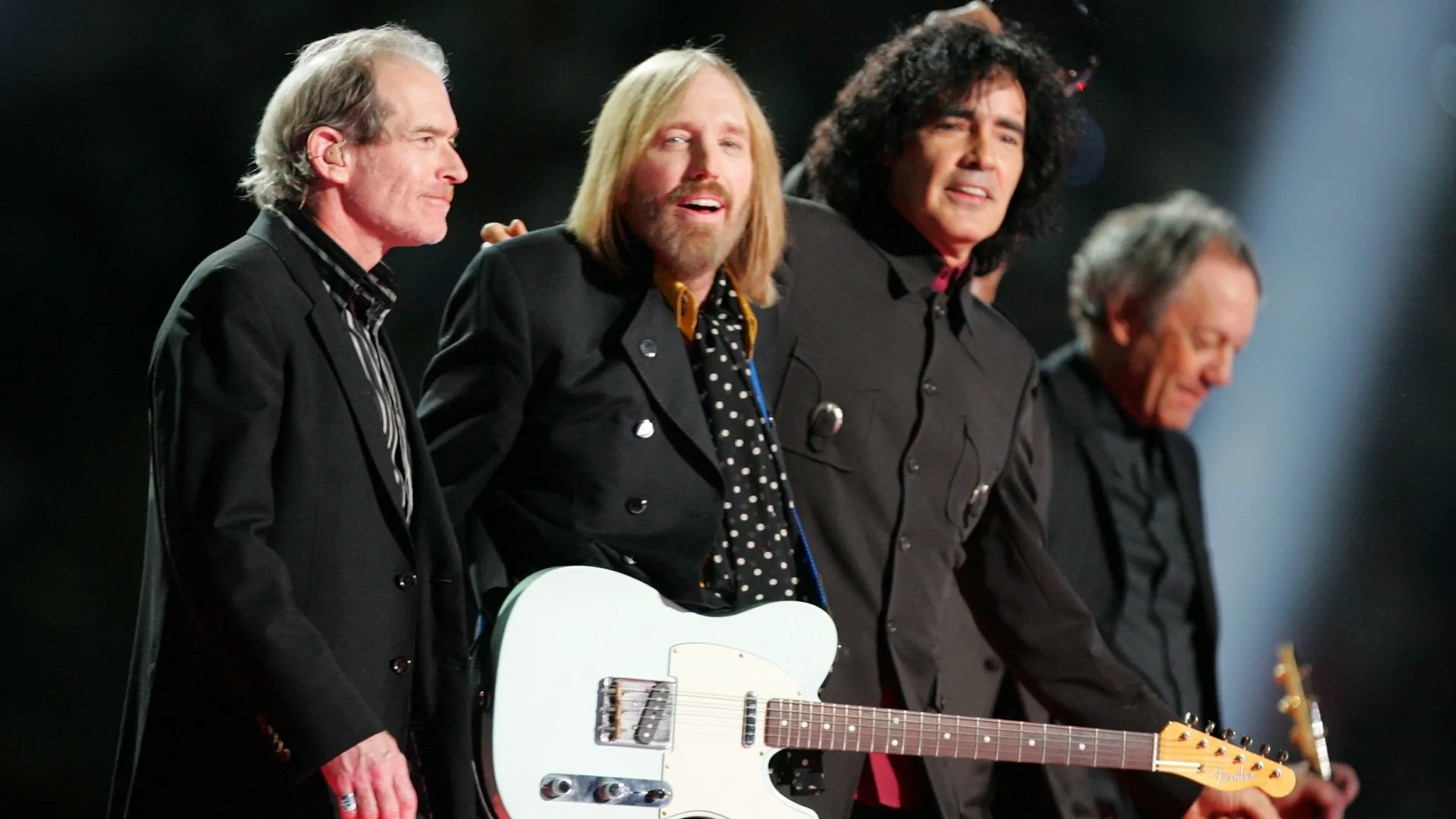
Tom Petty & The Heartbreakers (Source: Streeter Lecka/Getty Images)
In 2008, Tom Petty & The Heartbreakers brought classic rock to the Super Bowl XLII halftime stage, delivering a set steeped in familiar anthems. Retrospective lists that rank this show among the weaker halftime moments note that, as beloved as Petty was, the performance lacked the spectacle and mainstream pull expected of the event.
Without special visual elements or guest stars, critics argue that the straightforward rock set struggled to captivate a broader audience accustomed to pop-centric, high-energy shows, leaving it feeling comparatively muted in memory.
Diana Ross (1996)
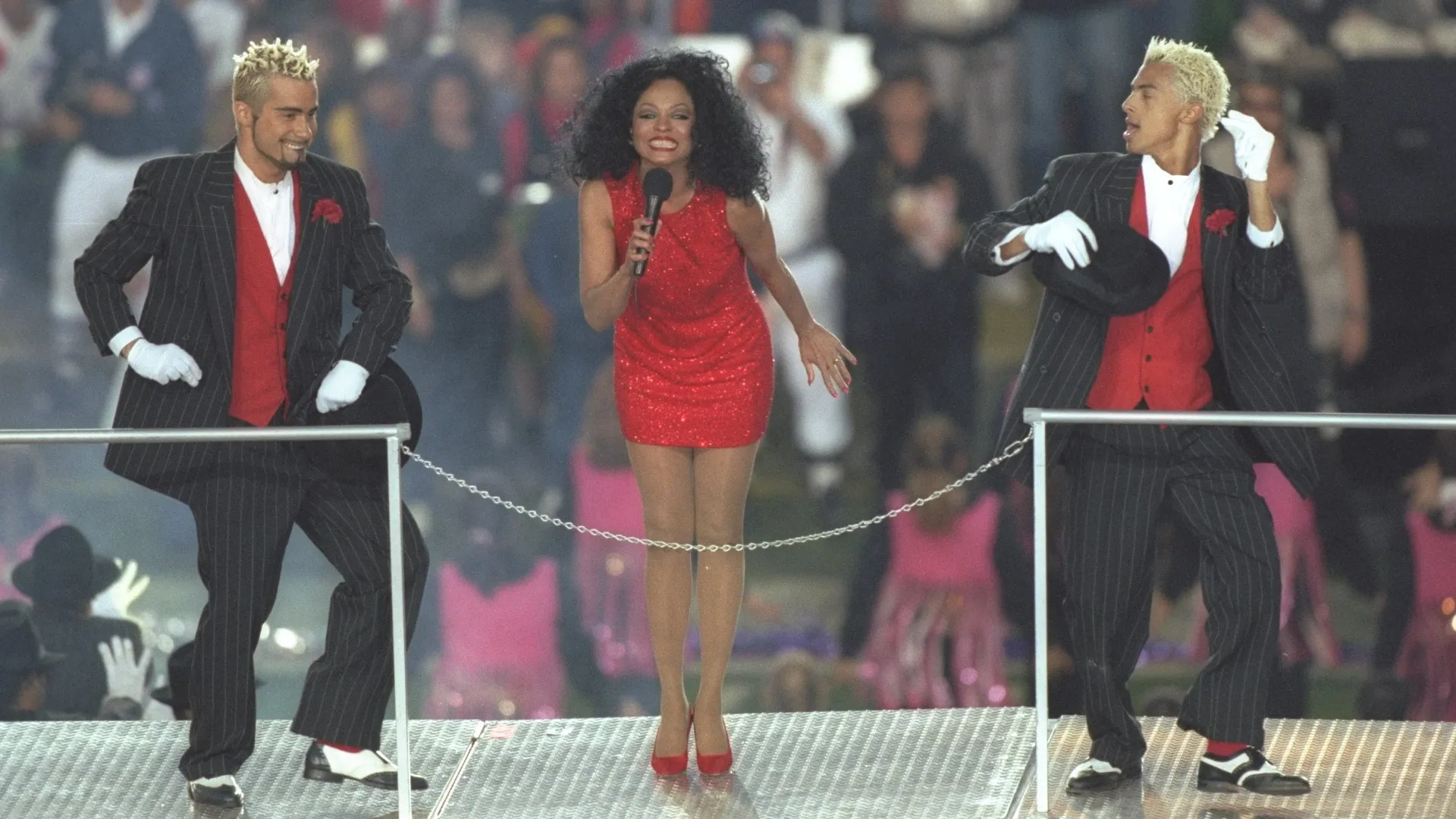
Diana Ross (Source: Al Bello /Allsport)
Diana Ross headlined the Super Bowl XXX halftime show in 1996 with a performance entitled Take Me Higher: A Celebration of 30 Years of the Super Bowl. Featuring multiple costume changes, pyrotechnics and card stunts, the show was ambitious in production but later reviewers often point to it as emblematic of an era when halftime lacked a strong musical narrative.
While her catalog is full of classics, the pace and staging of this set didn’t translate into the kind of standout cultural moment that defines the very best halftime shows, and it sits on many retrospective lists closer to the bottom.
Shakira and Jennifer Lopez (2020)
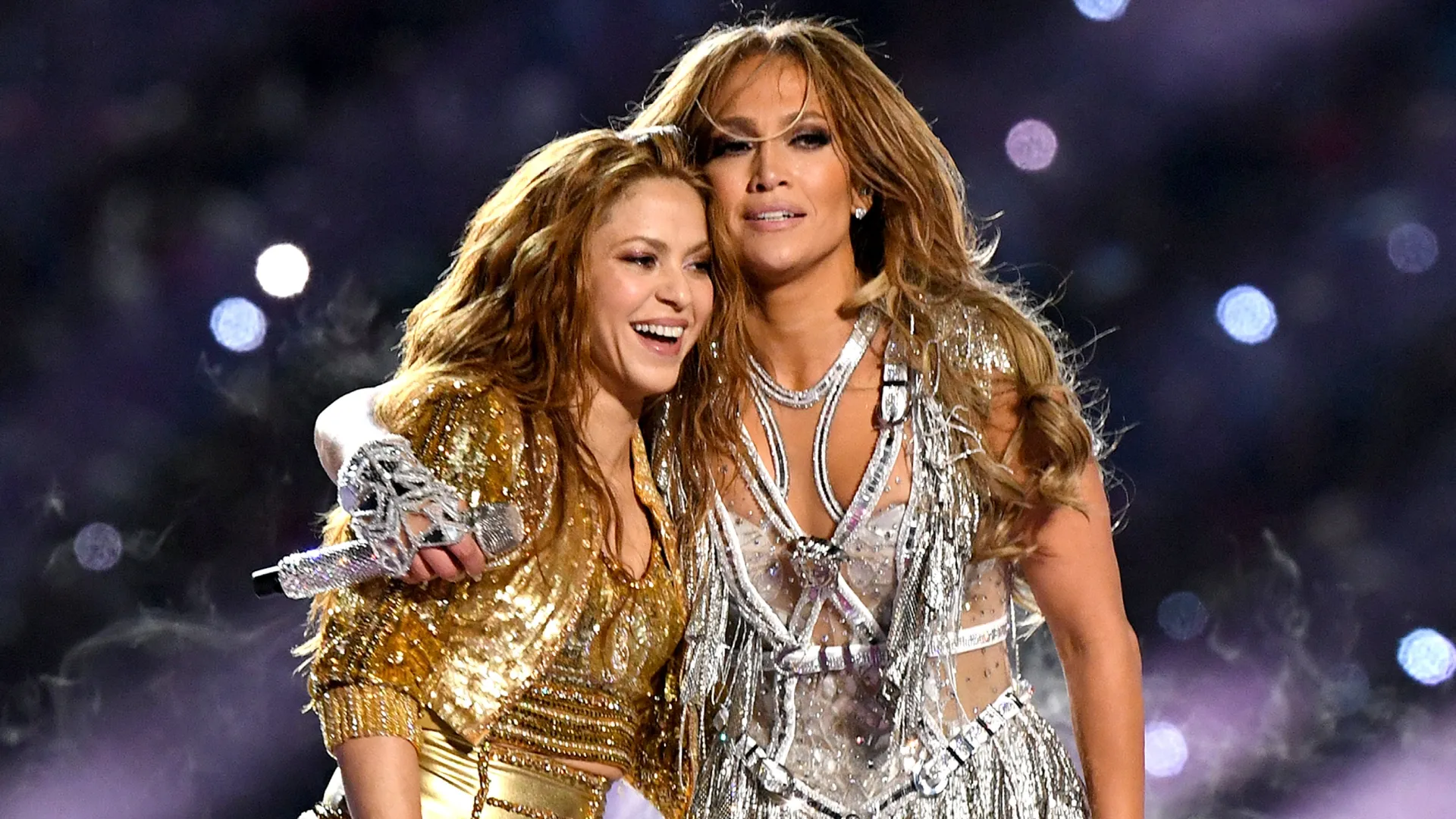
Jennifer Lopez and Shakira (Source: Kevin Winter/Getty Images)
Although the Super Bowl LIV halftime show featuring Shakira and Jennifer Lopez was widely celebrated for its high-energy choreography and cultural significance, it also received criticism from some corners that later positioned it controversially in broader rankings.
Conservative commentators described elements of the performance as overly se*ualized and inappropriate for a broad television audience, triggering debates about artistic expression and mainstream broadcast standards.
Despite the strength of both artists’ catalogs, this halftime show illustrates how reactions can be sharply divided — beloved by many, yet considered problematic or misjudged by others, landing it on lists of the most controversial or polarizing performances.