The Super Bowl halftime show has become one of the most powerful stages in global pop culture, capable of redefining careers in just minutes and producing some of the best performances in NFL history. Yet behind the spectacle, the invitation itself carries creative, political and personal weight.
Over the years, some of the biggest names in music have quietly stepped away from the opportunity. Their reasons rarely fit into a single narrative, shaped instead by timing, control, principle and how much of themselves they were willing to put on display.
From pop superstars to hip-hop legends, these decisions reveal a side of the Super Bowl rarely discussed: the performances that never happened, the negotiations behind closed doors and the moments when saying no mattered more than owning the stage.
Who turned down performing at the halftime show?
Adele
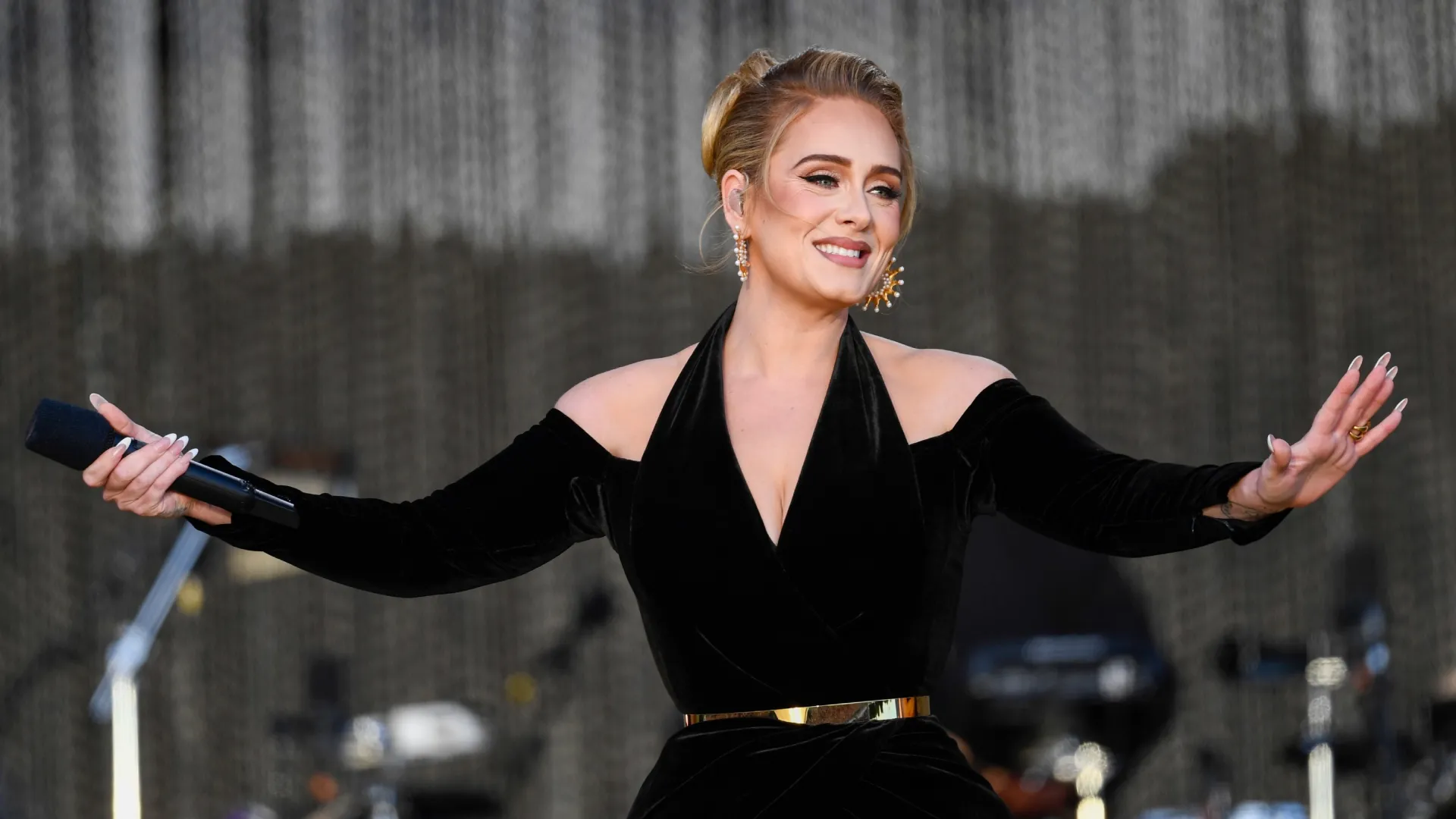
Adele (Source: Gareth Cattermole/Getty Images for Adele)
Long before she became one of the most acclaimed live performers of her generation, Adele candidly explained why she declined the Super Bowl halftime invitation: it wasn’t the spectacle she wanted her music to be reduced to.
She told fans that while she appreciated the offer, the format — built around choreography, production cues and television spectacle — didn’t align with her artistic identity as a singer-songwriter rooted in emotional performance.
“First of all, I’m not doing the Super Bowl. I mean, come on, that show is not about music. And I don’t really — I can’t dance or anything like that. They were very kind, they did ask me, but I said no“, she said during a concert in August 2016.
She emphasized that her strength lay in connecting through pure music, not high-concept pageantry, and chose to preserve that integrity over the exposure a halftime set could bring.
Taylor Swift
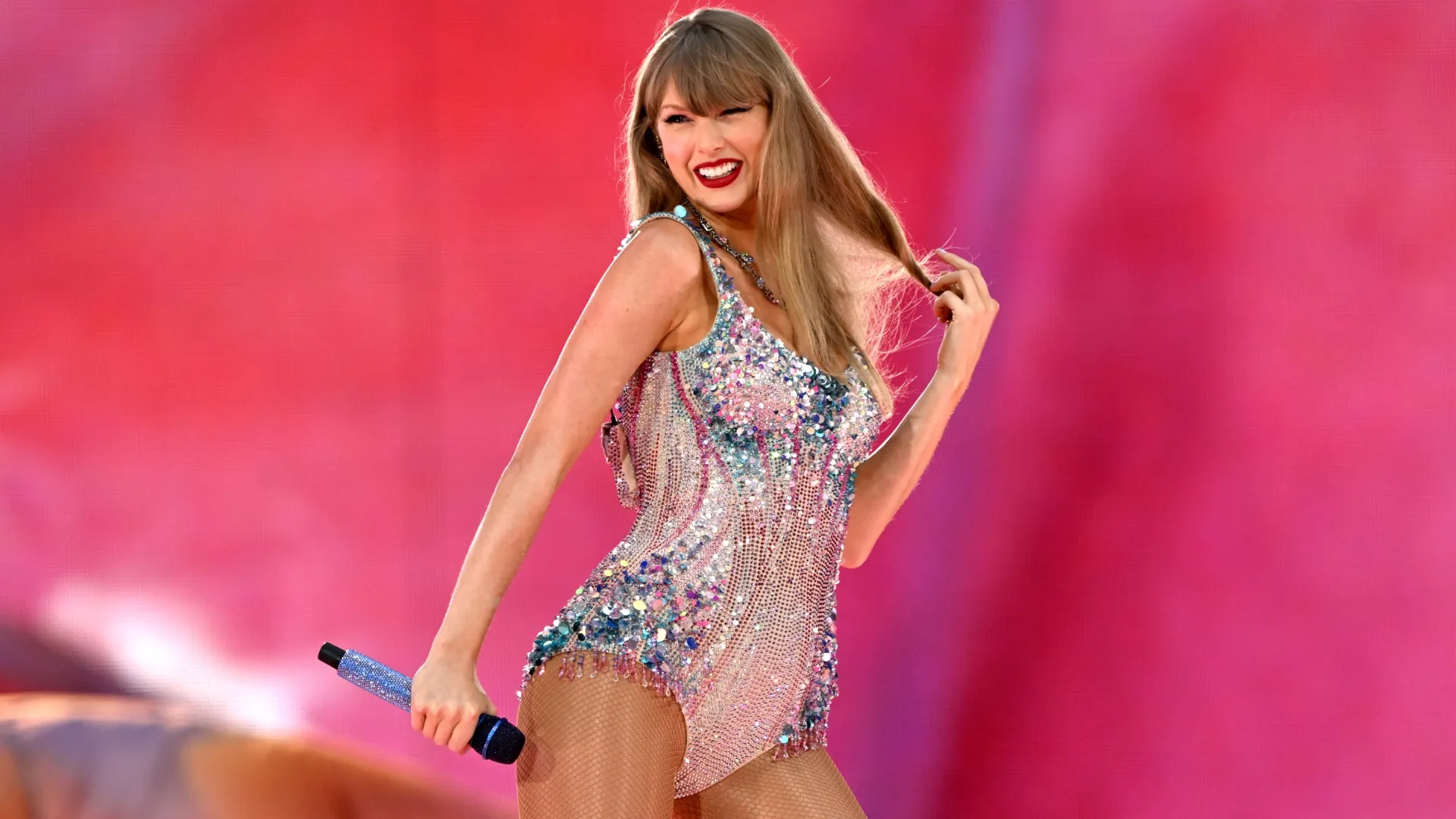
Taylor Swift (Source: Kate Green/Getty Images)
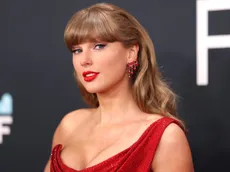
Unlike some performers whose refusals have been explicitly public, Taylor Swift’s decision around the Super Bowl appears tied to timing and artistic priorities rather than outright rejection of the stage itself.
Reports from TMZ indicate she has passed on the halftime show multiple times in recent years, particularly as she’s focused on re-recording her catalogue and managing massive world tours, commitments that leave little room for a 15-minute show with its own intense preparation schedule.
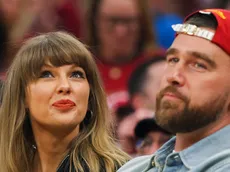
Variety reported that she was offered a spot in the 2023 edition. After she declined, the opportunity went to Rihanna and the rest is history. The singer behind The Eras Tour was present in 2025, though she attended in support of her then-boyfriend Travis Kelce.
Pink
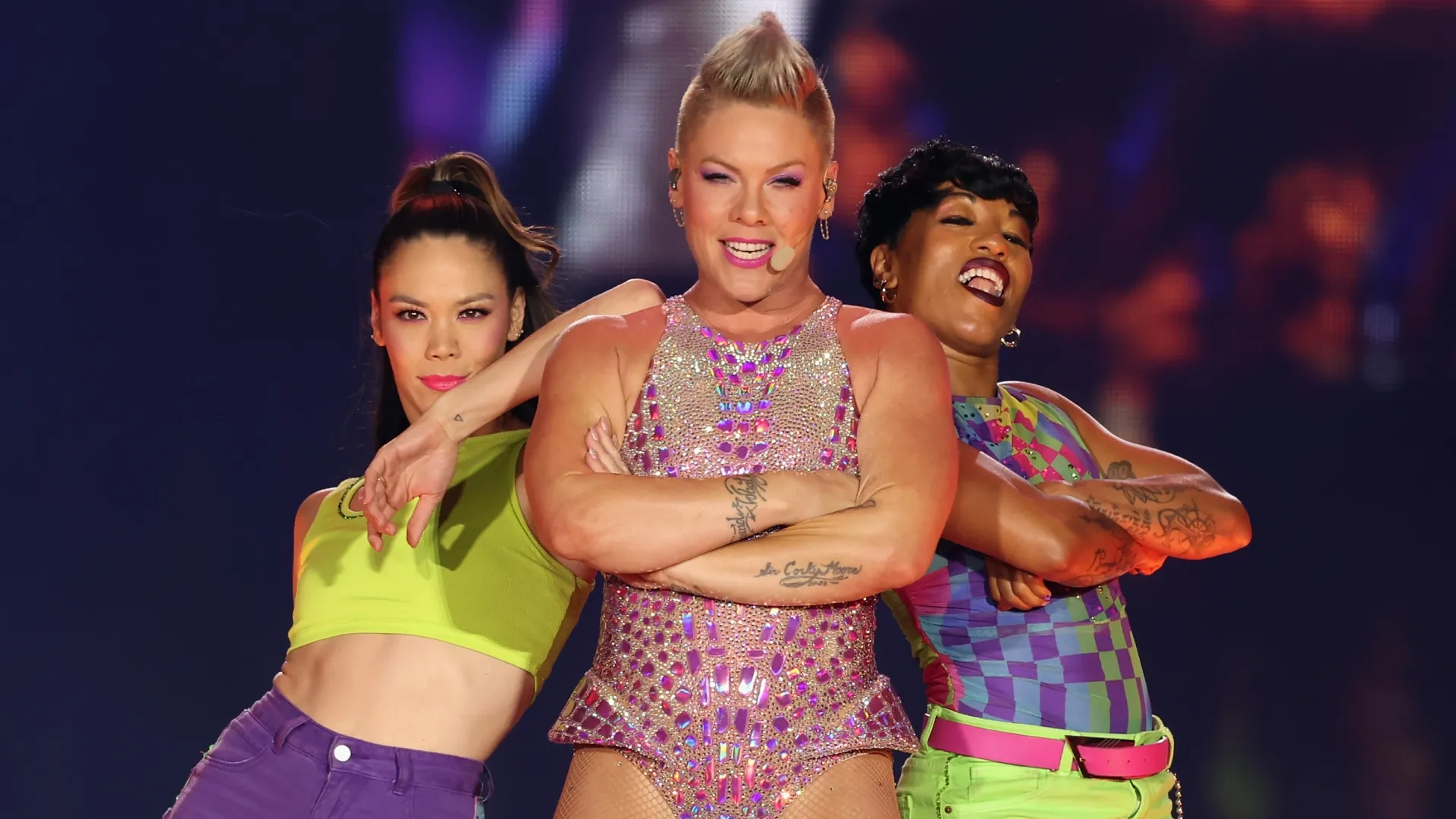
P!nk (Source: Christian Petersen/Getty Images)
After delivering a powerful national anthem performance in 2018, Pink was reportedly offered the Super Bowl halftime slot the following year and chose to walk away.
In her own reflections, she highlighted the contradictions she saw between the league’s cultural tensions and how artists are treated: performers can be swiftly criticized or caricatured once they step onto that global stage.
Her refusal also came in the context of solidarity with Colin Kaepernick and others who faced backlash for peaceful protest, underscoring her view that sometimes the politics surrounding the show outweigh the allure of its spotlight.
Jay-Z
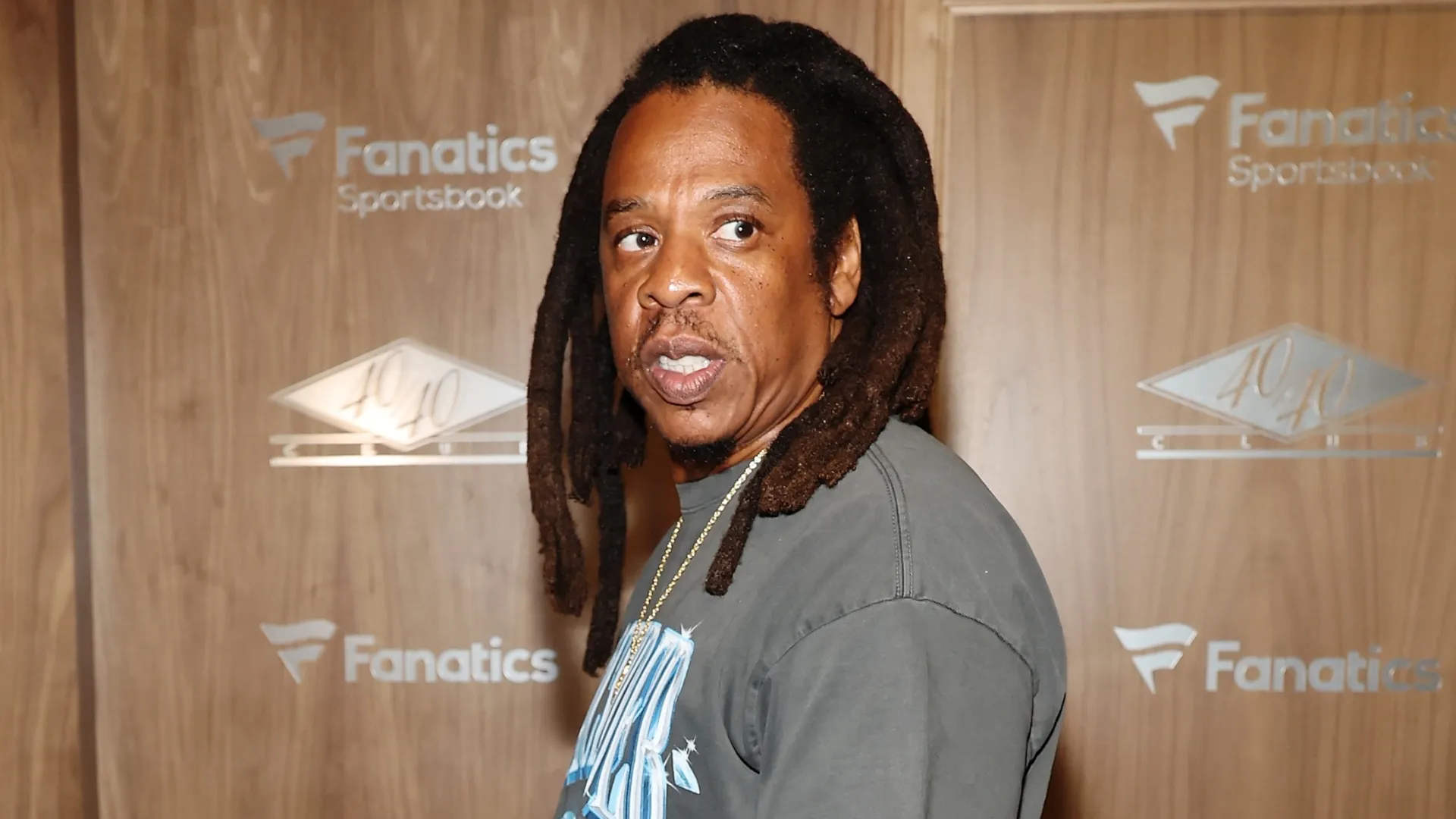
Jay-Z (Source: Arturo Holmes/Getty Images)
For Jay-Z, the issue wasn’t disdain for the Super Bowl’s massive audience, but who got to shape the performance. When approached about headlining, he balked at conditions that would have required him to include other specific artists simply to secure the slot.
His objection, expressed in interviews, was rooted in artistic autonomy: he didn’t want to be told who to bring on stage or feel outsourced to a formula he didn’t believe in. The rapper and Roc Nation were the producers behind Shakira and Jennifer Lopez’s halftime show in 2020, yet he was notably absent from the stage that year.
In an interview with The New York Times later that same year, he revealed that he had been offered the chance to perform — but only if he brought Rihanna and Kanye West with him to perform “Run This Town.”
“That is not how you go about it, telling someone that they’re going to do the halftime show contingent on who they bring. I said forget it. It was a principle thing“, he said in 2020.
Outkast
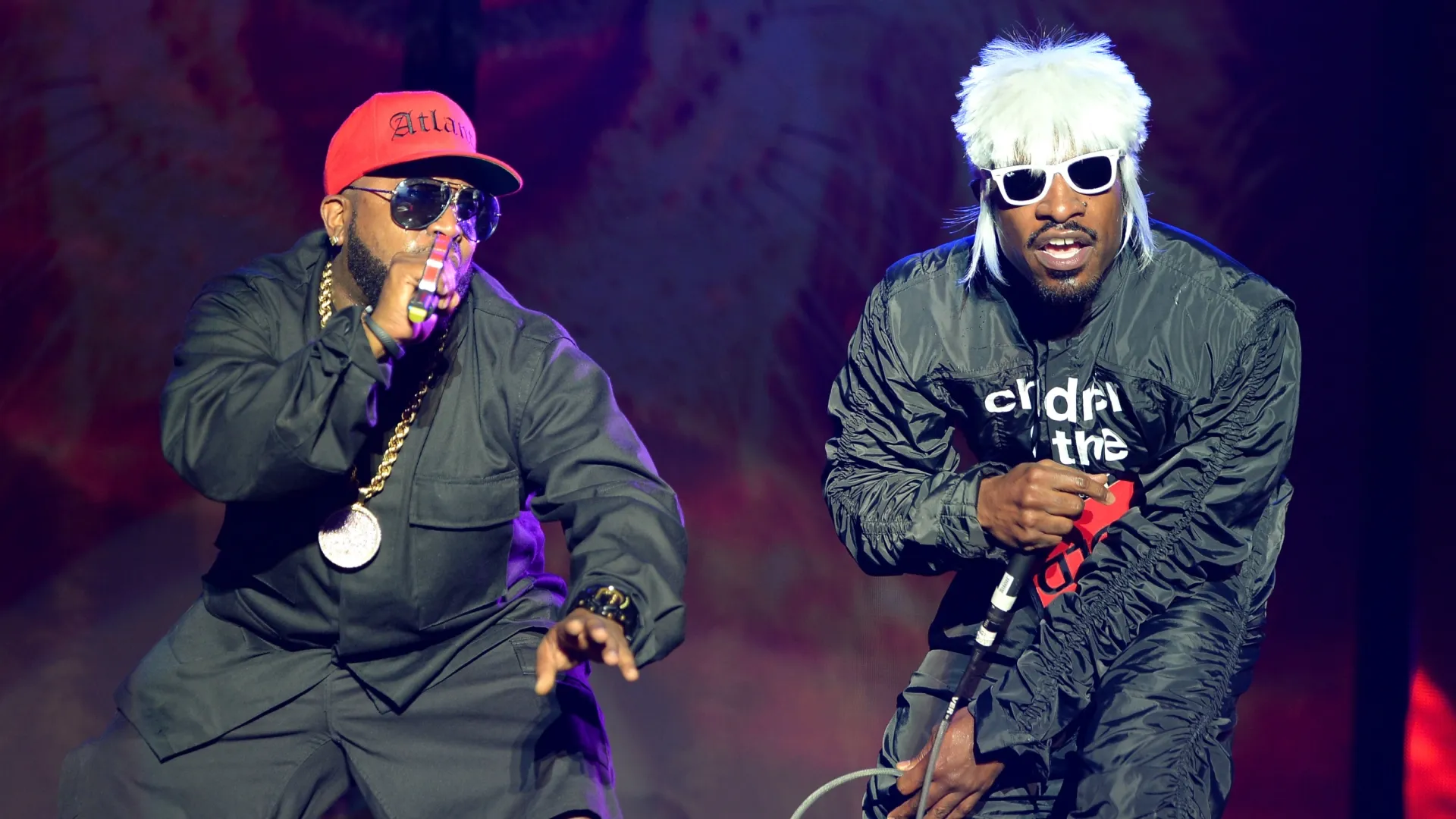
Outkast (Source: Theo Wargo/Getty Images for Firefly Music Festival)
The story of Outkast’s missed Super Bowl moment is one of artistic principles colliding with broadcast constraints. Members Big Boi and André 3000 were reportedly invited to perform in the early 2000s, but André resisted the idea of shortening the group’s beloved songs to fit halftime’s strict time limits.
For a duo known for sprawling creativity and refusal to compromise their sound, slicing iconic tracks like “Hey Ya!” wasn’t an option; the decision wasn’t merely about a stage, but about preserving the integrity of their music as they envisioned it.
Cardi B
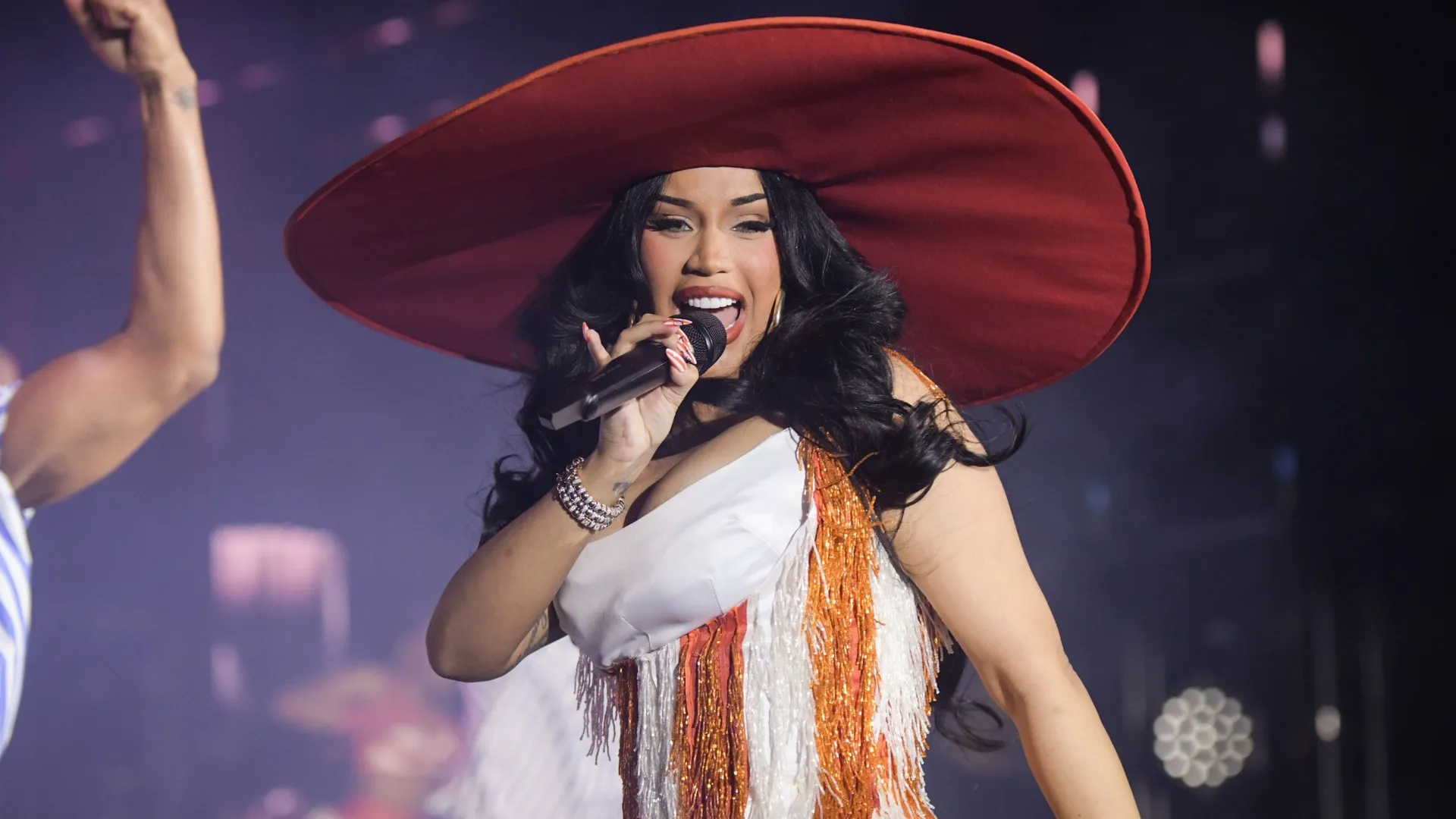
Cardi B (Source: Antony Jones/Getty Images for Spotify)
For Cardi B, turning down the Super Bowl was both a political statement and a personal calculation. In 2019, she publicly linked her refusal to support for Colin Kaepernick, the quarterback whose anthem protests sparked national controversy, saying she was willing to walk away from a typically lucrative payday to stand with someone who had been penalized by the NFL for his activism.
However, she did perform at events related to the Super Bowl. “I hear people saying like ‘Oh, y’all are saying all this stuff about the Super Bowl, but you’re doing all these parties. And it’s like, well, if the NFL could benefit off from us, then I’m going to benefit off y’all“, she said to the Associated Press, according to Business Insider.
Her stance highlighted how cultural movements can ripple into the entertainment business, transforming what might have been a career highlight for another artist into a moment of conscience.
Dolly Parton
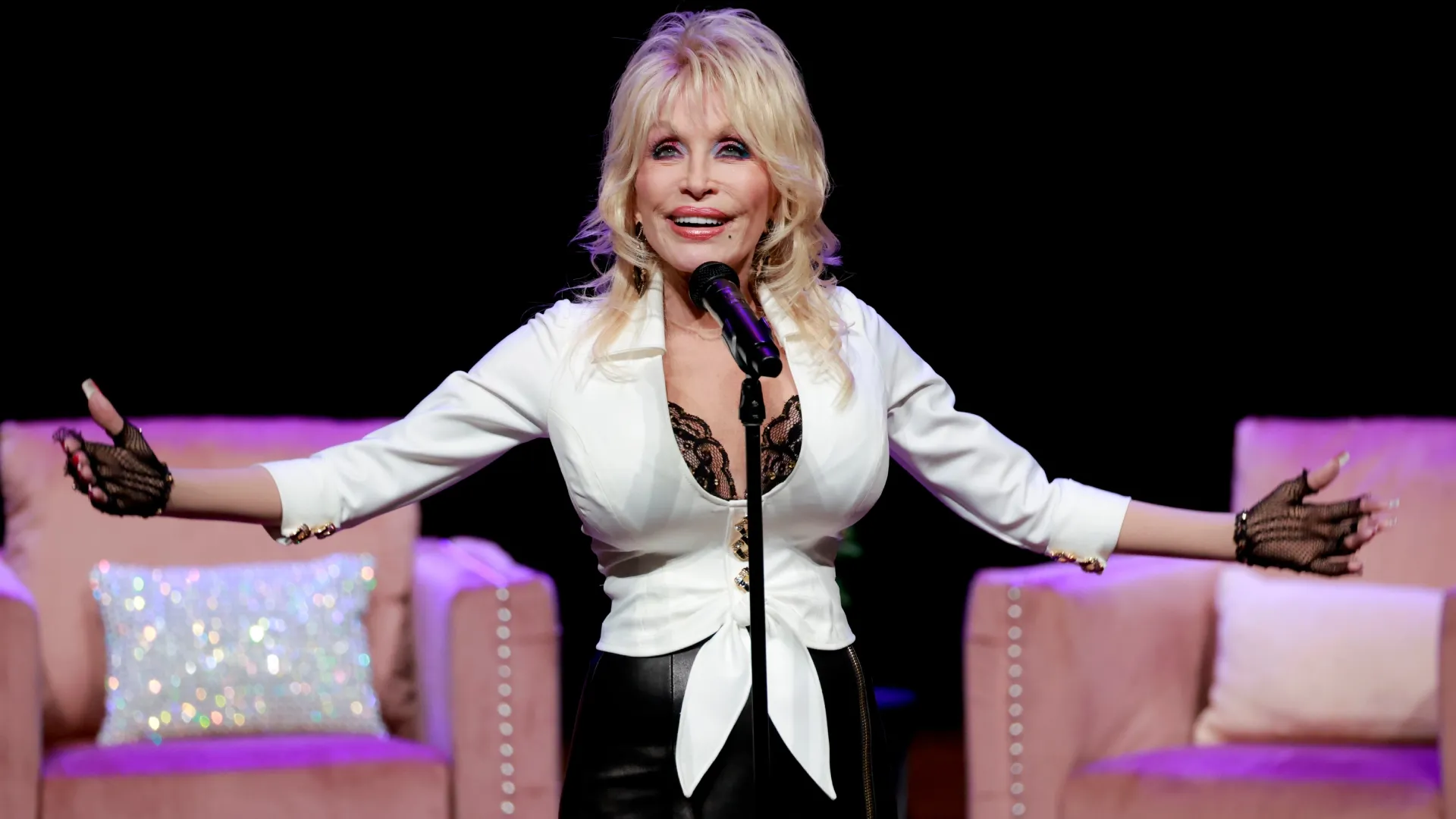
Dolly Parton (Source: Jason Kempin/Getty Images)
When Dolly Parton looks back on Super Bowl offers, she doesn’t talk about protest or politics, she speaks frankly about fit and scale. In interviews, she has revealed that she’s been approached “many times” to perform, but has either been occupied with other commitments or felt that the massive production wasn’t the right vehicle for her brand of music.
“I couldn’t do it because of other things, or I just didn’t think I was big enough to do it — to do that big of a production. When you think about those shows, those are big, big productions. I’ve never done anything with that big of a production. I don’t know if I could have“, she said to The Hollywood Reporter in 2023.
Ever humble and self-aware, her reflection that the halftime show’s sensory spectacle might not match her own style underscores a rare honesty in an industry often driven by chasing the biggest stages.
Metallica
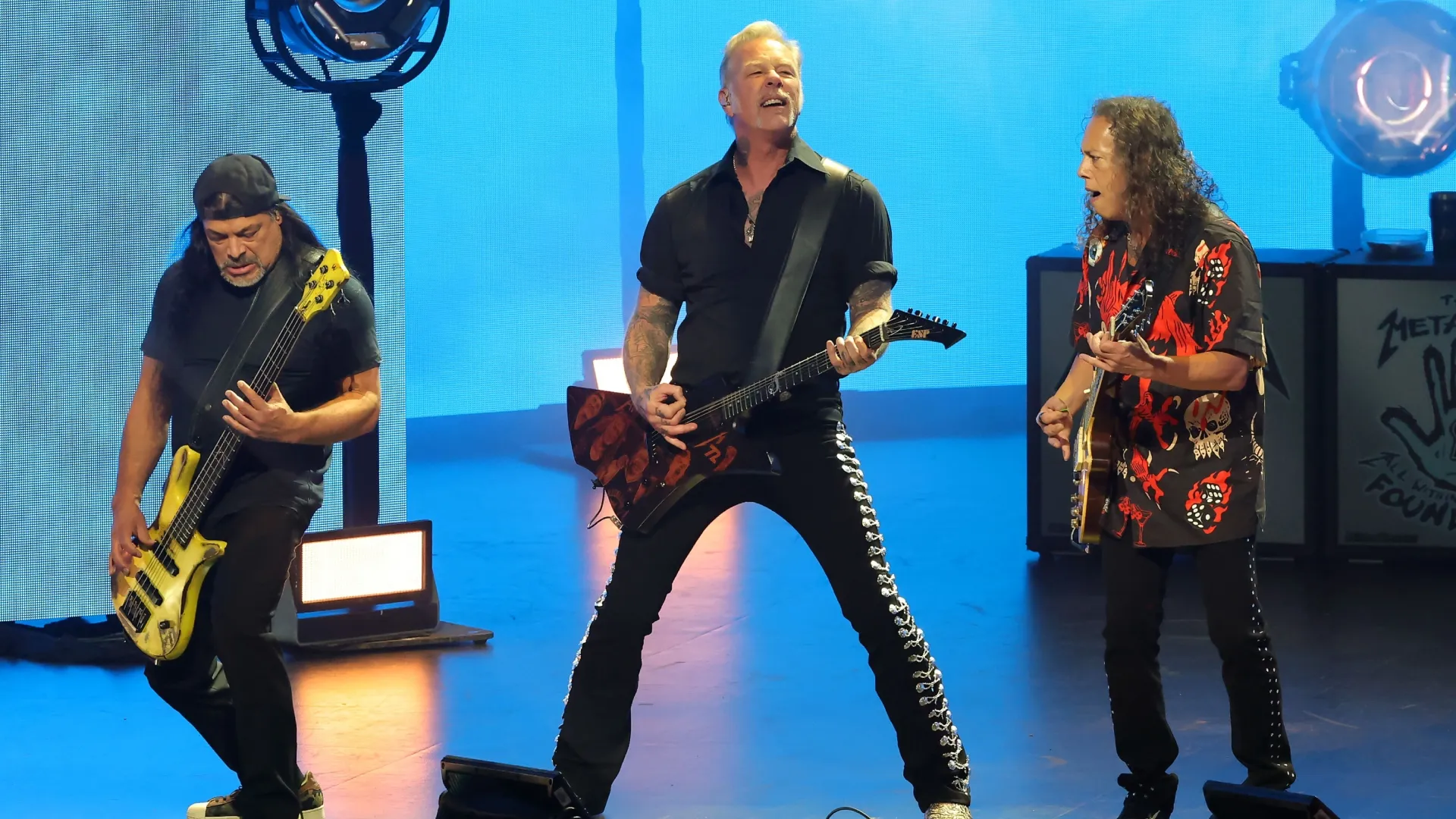
Metallica (Source: Kevin Winter/Getty Images)
For heavy metal icons Metallica, the idea of a Super Bowl halftime show never really fit their playbook. James Hetfield told in past interviews that the band had opportunities over the years but chose to let them pass, in part because they saw the event as increasingly centered on spectacle and choreography rather than the raw musicianship they embody.
“I can’t dance, I can’t jump around, I’m not an acrobat, I’m not a variety show, you know? We are artists. We’re a band. We love playing songs. We’re not gonna fly through the air on a sparkly star with a unicorn“, he said in 2016.
Metallica’s ethos — grounded in extended riffs, visceral live energy and audiences who move to the music, not just watch it — was at odds with the tight, dance-inflected format the NFL expects.
“It’s become less about music unfortunately and more about just the spectacle. When we played for the fiftieth anniversary of the NFL… right here in our hometown and they didn’t have us do it… that would have been the time. Maybe that time has passed?“, James explained, according to Yahoo Entertainment.
Rihanna
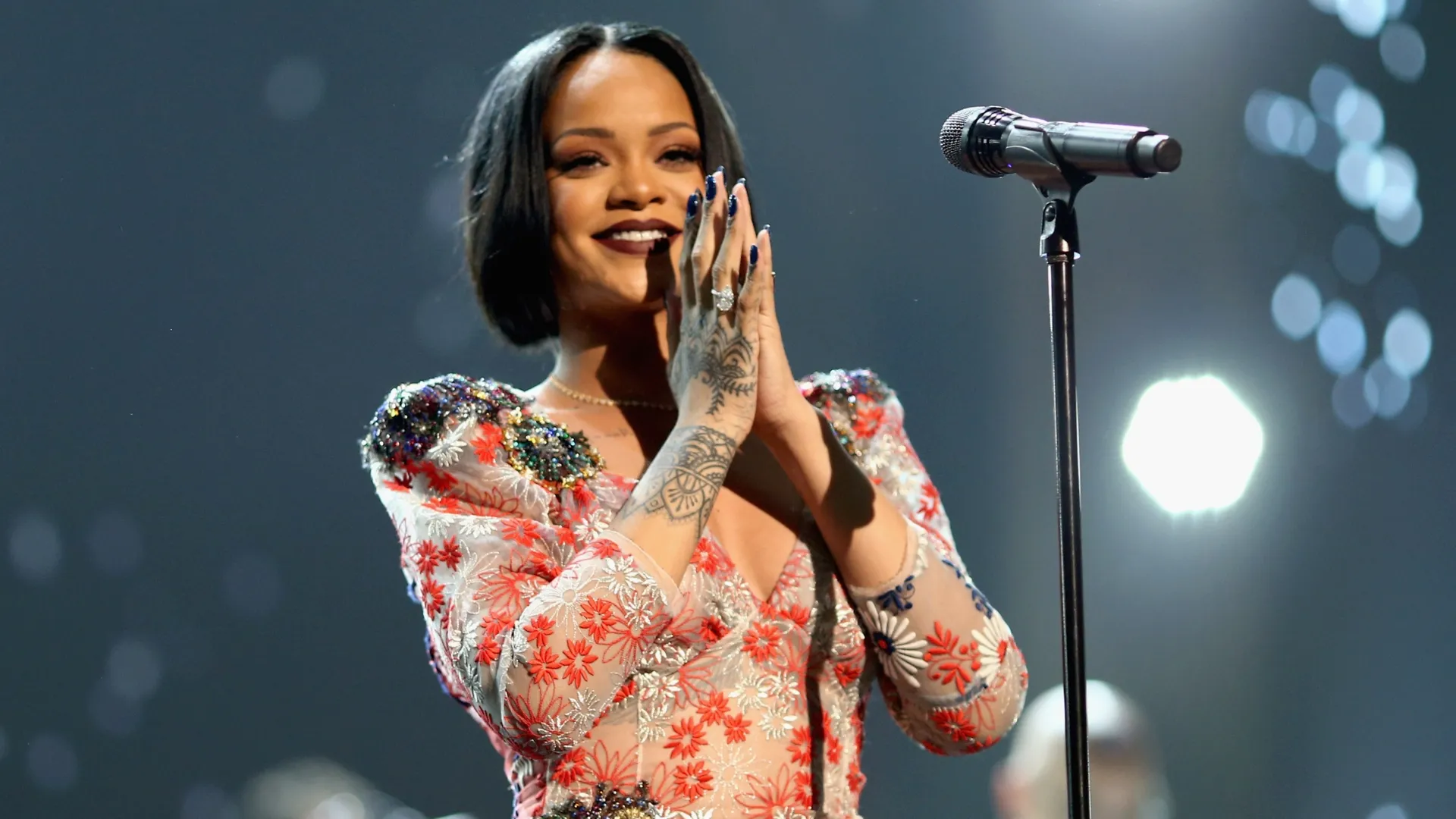
Rihanna (Source: Christopher Polk/Getty Images for NARAS)
Long before headlining one of the most celebrated halftime shows in recent memory, Rihanna had turned the gig down on principle. In a 2019 interview, she explained her refusal came from a place of deep discomfort with what the NFL represented at the time, especially around its treatment of Colin Kaepernick.
“I couldn’t dare do that. For what? Who gains from that? Not my people. I just couldn’t be a sellout. I couldn’t be an enabler. There’s things within that organization that I do not agree with at all, and I was not about to go and be of service to them in any way“, she said, asserting that performing would have made her complicit in an organization she had serious disagreements with.
That decision, rooted in solidarity and personal conviction, would later be reframed by her eventual performance, which many saw as a historic and triumphant return to that stage.