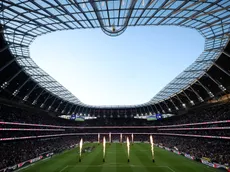

The decision to stage the Indianapolis Colts versus the Atlanta Falcons in Berlin transcends the boundaries of sport. This Week 10 matchup rings in not just a game, but a deliberate step in the NFL’s bold push into a passionate market.
Berlin’s historic Olympiastadion Berlin, once host to the 1936 Olympics and home to NFL Europe’s echoes, now welcomes its first regular-season NFL game. The Colts have been tapped as the home team for this landmark event.
Away from the field, there’s a commercial and cultural story in motion: connections between Indiana and Germany, falcons unfurling wings in Europe, fans converging from both sides of the Atlantic.
Why the NFL is planting its flag in Berlin’s Olympiastadion?
The decision to pit the Indianapolis Colts against the Atlanta Falcons in Berlin for Week 10 is not just about scheduling an arbitrary international game; it is a calculated and deeply strategic move by the NFL to reinforce its commitment to a market it considers its top overall global frontier.

Daniel Jones #17 of the Indianapolis Colts in 2025. (Source: Joe Sargent/Getty Images)
Germany has firmly established itself as a key core of the league’s worldwide ambitions, boasting an estimated 20 million fans, a figure that highlights both its raw fan count and high market penetration relative to its population.
Berlin’s inclusion is the culmination of a successful German push, following previous regular-season games in Munich and Frankfurt since 2022. This historic matchup at the Olympiastadion, a venue rich in sports history that hosted an NFL preseason game 35 years ago and was once home to the NFL Europe’s Berlin Thunder, marks a significant return to the German capital.
Crucially, the move to Berlin is part of a multi-year commitment, with the city slated to host games in a rotational cycle that includes 2027 and 2029, cementing Germany’s status as a permanent fixture on the league’s international calendar.
This long-term planning is about far more than just selling tickets; it is an effort to drive deeper, year-round engagement through programs like Flag Football and substantial community events, often supported by a $14.3 million investment from the city of Berlin itself for stadium upgrades and local development.