The Pittsburgh Penguins have produced decades of hockey excellence, blending generational talent with moments that defined the franchise. From high-scoring forwards to stalwart defenders, their legacy is built on individual careers.
Sidney Crosby’s impact is unmistakable, but their story stretches further back. Past stars laid the foundation, shaping the team’s identity and creating a culture of skill, resilience, and playoff success that still echoes today.
The NHL players who left the deepest mark define a team that consistently balanced individual brilliance with championship aspirations. Their achievements on the ice tell the story of Pittsburgh hockey at its finest.
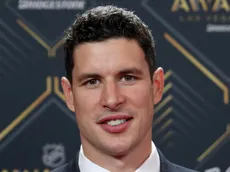
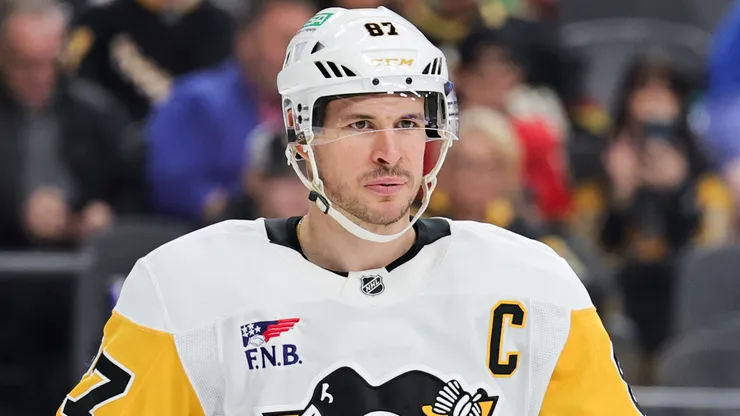
Sidney Crosby

Sidney Crosby (Source: Harry How/Getty Images)
It’s not just about the numbers, though his statistics are unassailable. Sidney Crosby is the emotional and competitive backbone of the Penguins in the 21st century. He arrived in 2005 as the draft’s “Chosen One,” a beacon of hope for a struggling franchise.
What followed was a career of obsessive excellence and resilience that made him the youngest captain in NHL history to win the Stanley Cup (2009). His legacy was cemented with the back-to-back championships in 2016 and 2017, a cap-era feat that placed him in an exclusive pantheon, earning him two consecutive Conn Smythe Trophies.
His game is a sublime blend of elite vision, physical strength on the puck, and an unrelenting work ethic. He is the player who defines the standard of the franchise for generations to come.
Mario Lemieux

Mario Lemieux (Source: Dave Sandford/Getty Images/NHLI)
Before Crosby’s arrival, Pittsburgh’s story was written with Mario Lemieux. Known as “Le Magnifique,” he was a force of nature, a massive center with incomparable skill and vision who transformed a struggling franchise after being selected in the 1984 draft. His time on the ice resulted in six Art Ross Trophies and three Hart Trophies.
He led the Penguins to their first two Stanley Cup titles in 1991 and 1992, leaving an indelible mark. But his legend extends beyond his brilliance as a player; his career was marked by resilience against chronic back issues and a courageous battle with Hodgkin’s lymphoma.
After retiring, his most heroic act came off the ice: he led the investment group that purchased the team in 1999, saving it from bankruptcy and potential relocation, becoming the only former player in history to be a majority owner of a championship team. Simply put, there are no Penguins in Pittsburgh without Mario Lemieux.
Kris Letang
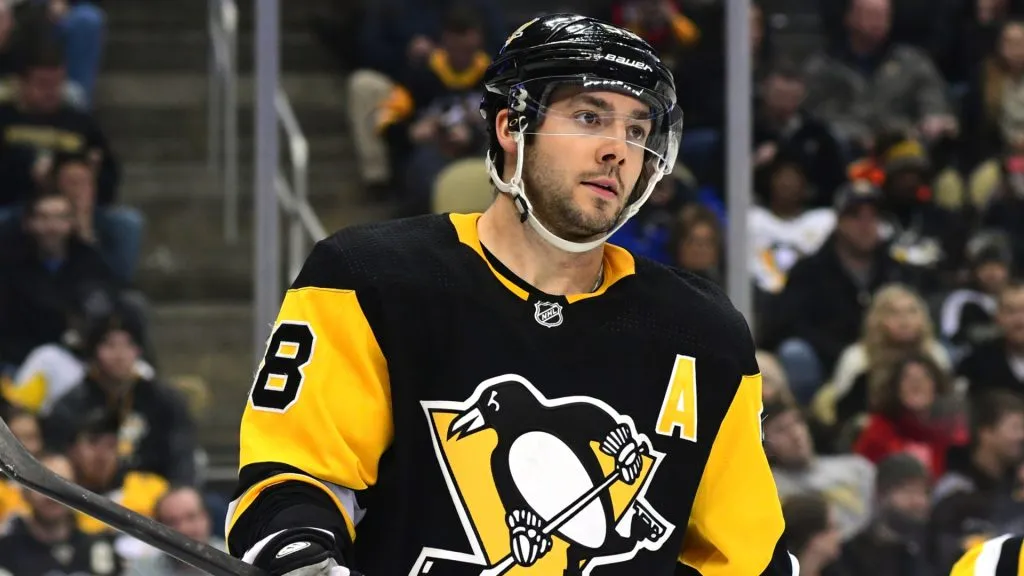
Kris Letang (Source: Matt Kincaid/Getty Images)
In Pittsburgh’s “Big Three” schema, Kris Letang‘s role is that of the dynamic defenseman whose fluid skating and offensive instincts rewrote the role of the blueliner in the franchise.
Drafted in the third round in 2005, he has been the anchor of the blue line throughout the three Stanley Cup eras (2009, 2016, 2017). He is not just a defensive pillar capable of playing over 25 minutes per night; he is an offensive generator with the vision of a forward, constantly logging points and contributing on the power play.
His tenacity goes hand-in-hand with remarkable mental and physical fortitude, overcoming severe health issues, including multiple strokes, to return to an elite level. He is the soul of the defense and the personification of loyalty and perseverance.
Evgeni Malkin
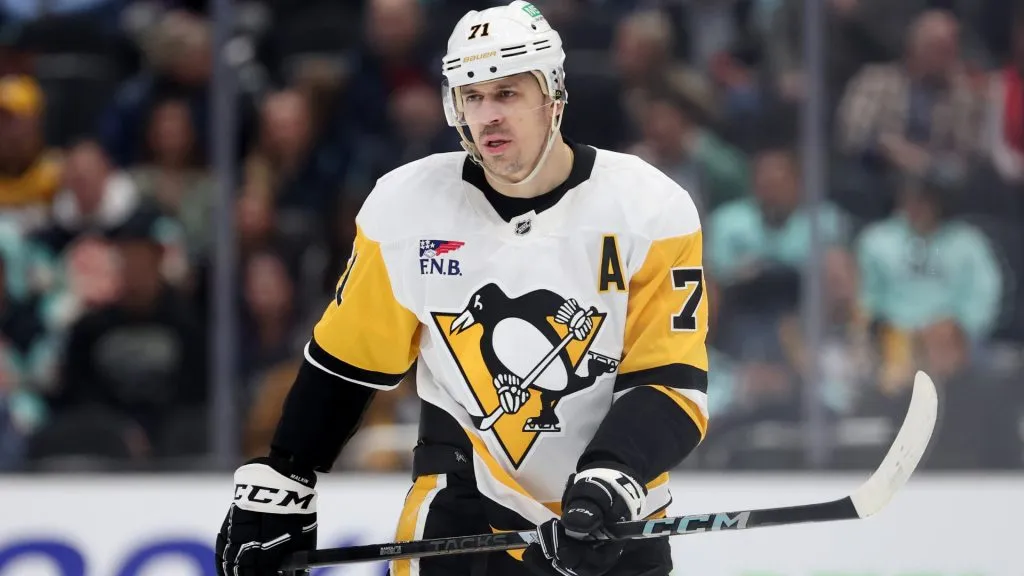
Evgeni Malkin (Source: Steph Chambers/Getty Images)
If Crosby is consistency, Evgeni Malkin is raw power and unpredictable talent, affectionately nicknamed “Geno.” Selected in 2004, just before Crosby, this Russian giant is the perfect complement and often the team’s most dominant offensive engine.
His ability to take complete control of a game is legendary; when he is on a hot streak, few players in NHL history have been as unstoppable, capable of skating through entire defenses with a combination of speed, size, and world-class stickhandling.
His credentials include a Hart Trophy (MVP) and an Art Ross Trophy (scoring leader) in the 2011-2012 season, and the Conn Smythe Trophy during the 2009 Cup run, solidifying his status as a generational impact player. He is, in essence, the untamed fury that shakes opponents, an irreplaceable pillar of the three championships.
Ron Francis
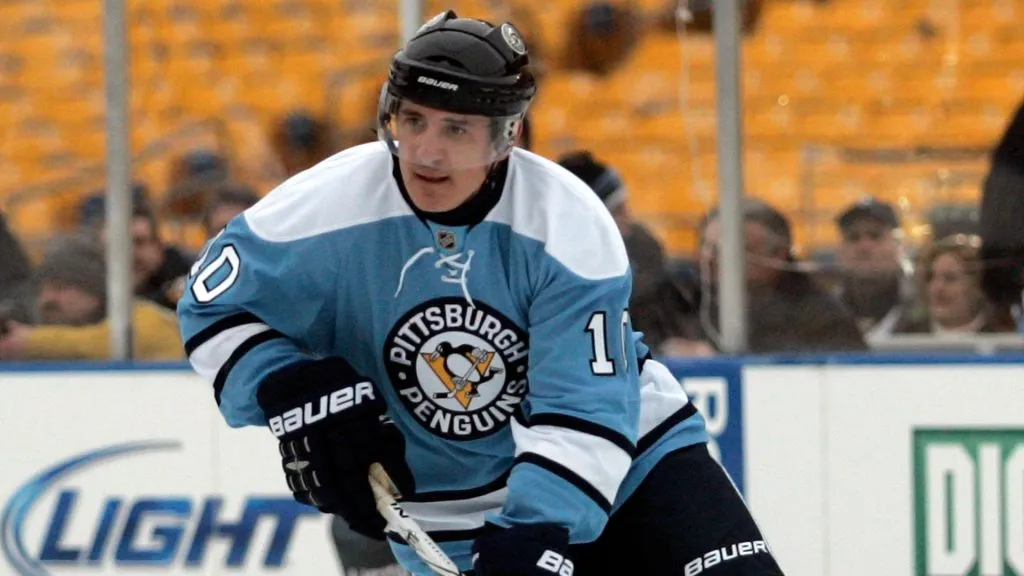
Ron Francis (Source: Justin K. Aller/Getty Images)
Ron Francis represents hockey intelligence at its finest. He arrived in Pittsburgh in 1991 via a trade widely considered one of the most pivotal in NHL history. As part of the back-to-back championship teams in 1991 and 1992, Francis, a center with a more defensive and playmaking profile than the superstar he complemented, provided crucial stability.
He earned the nickname “Gentleman Frank” thanks to his three Lady Byng Trophies. Additionally, he was the first Penguin to win the Selke Trophy in 1995. His NHL legacy is huge, being second all-time in assists only to Wayne Gretzky, but his role in Pittsburgh was that of a brain on the second line that made the Penguins’ offense virtually unmarkable, ensuring the transition from defense to attack with masterful precision.
Jean Pronovost
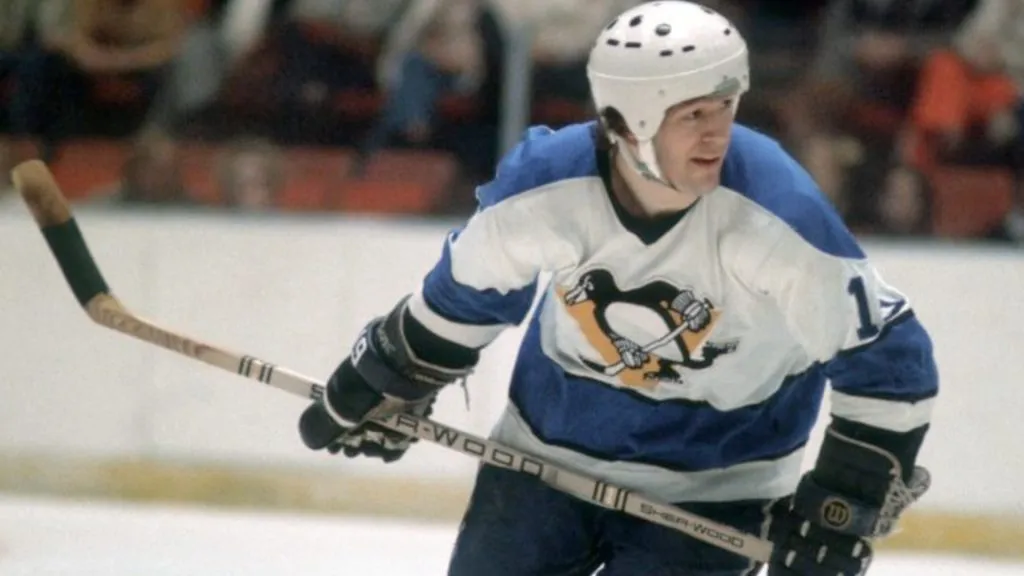
Jean Pronovost (Source: The Hockey Writers)
In the franchise’s early and often difficult decades, the figure of Jean Pronovost shone as an offensive pioneer. This talented right winger, who arrived in 1968, was a consistent scorer, hitting the 40-goal mark four times.
His most significant achievement was being the first player in Pittsburgh Penguins history to reach 100 points in a season and also the first to score 50 goals in a campaign.
In an era where team success was sporadic, he offered the home crowd a dose of offensive spectacle and set the first scoring records that, for decades, served as the standard for Penguins offensive excellence. He is a true legend of the classic era, honored in the Pittsburgh Penguins Hall of Fame.
Jaromir Jagr
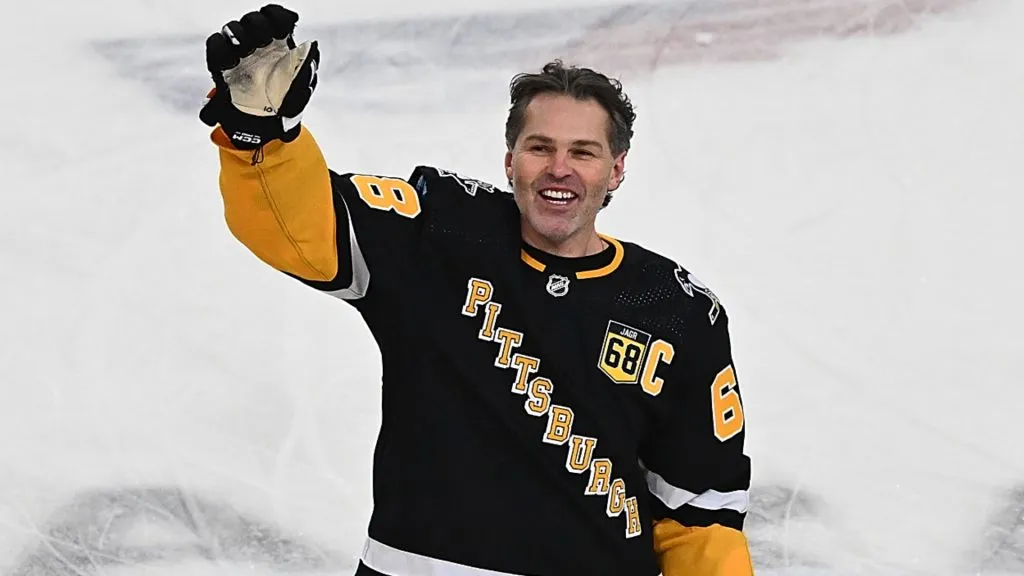
Jaromir Jagr (Source: Justin Berl/Getty Images)
No conversation about pure talent in Pittsburgh is complete without Jaromir Jagr. Drafted in 1990, he was the natural offensive successor to Lemieux. His arrival coincided with the franchise’s first championships in 1991 and 1992.
With his unmistakable flowing hair, his ability to protect the puck with his imposing physique, and his electrifying stickhandling, he dominated the league in the late 90s. He won the Hart Trophy and captured four consecutive scoring titles, a streak of dominance that solidified his position as the most lethal forward of his generation.
Despite a complicated departure, the magnitude of his production and the moments of genius he delivered in the number 68 jersey make him a fundamental part of the franchise’s “classics.” His legacy is measured not only in championships but in the years of individual supremacy that kept the Penguins’ offensive mystique alive.
Kevin Stevens
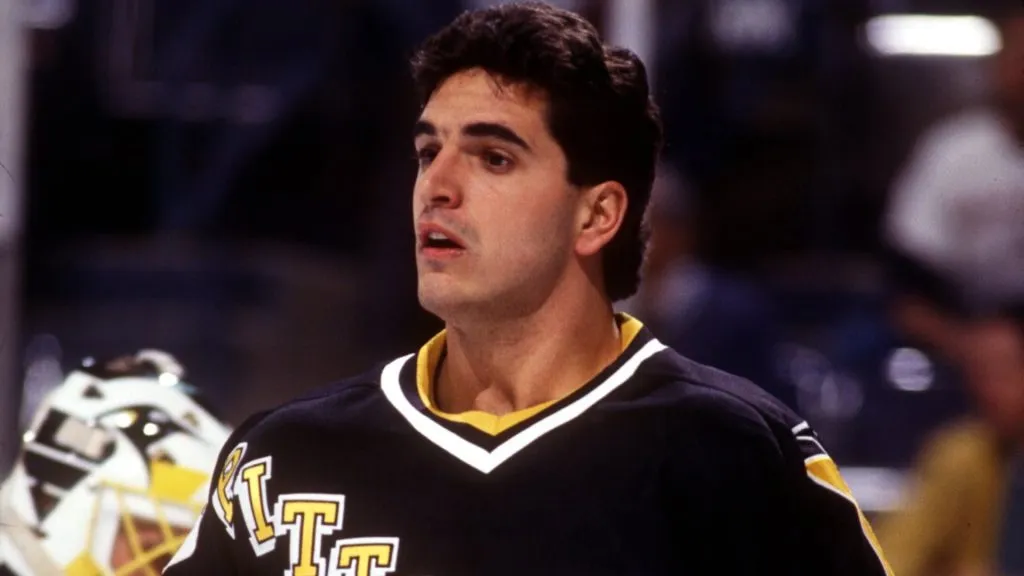
Kevin Stevens (Source: Allsport)
Kevin Stevens wasn’t just a goal scorer; he was the ultimate power forward of the early 90s, blending brute strength with soft hands, serving as the ferocious left wing on Mario Lemieux’s flank during the Penguins’ first dynasty.
His peak performance saw him achieve four consecutive 40-goal seasons and set a record for the most points by an American-born player with 123 in the 1991–92 campaign, playing an absolutely critical role in the 1991 and 1992 Stanley Cup victories.
Beyond the trophies, his legacy is defined by sheer resilience, highlighted by his remarkable comeback from a horrific facial injury in 1993, and his later dedication to substance abuse advocacy, cementing his place as a player whose contributions extended well beyond the scoresheet and into the realm of inspiration.
Rick Kehoe
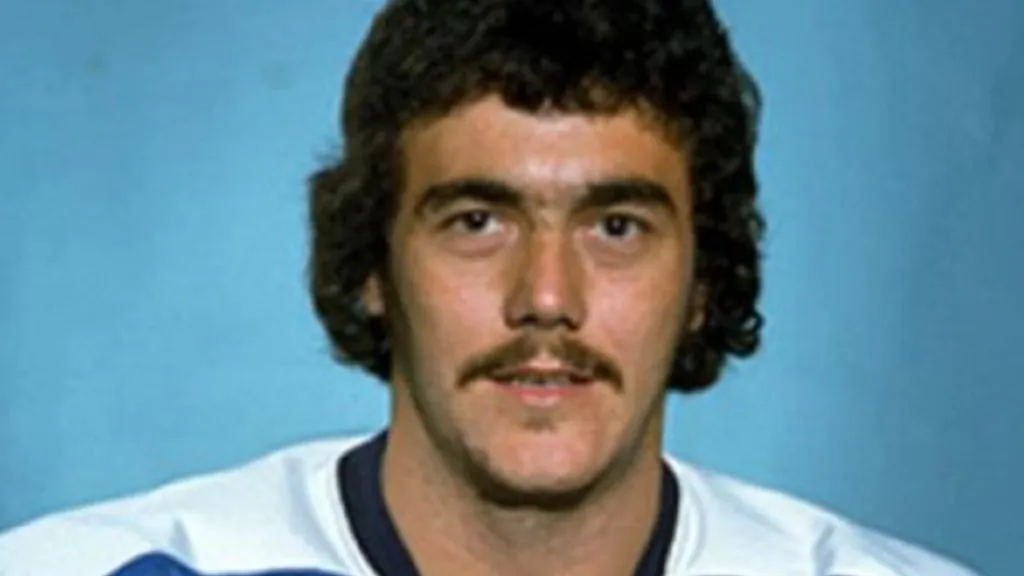
Rick Kehoe (Source: Not in Hall of Fame)
Before the arrival of the superstar talent that defined the 90s, Rick Kehoe was the quiet, consistent offensive engine that kept the Penguins relevant in the late 70s and early 80s, spending a decade in Pittsburgh after being acquired from Toronto in 1974.
A beacon of both production and discipline, he was a prolific scorer, netting 312 goals for the franchise and exploding for a career-high 55 goals in the 1980–81 season—a mark historically bettered only by Lemieux and Jagr.
That breakout year was also the one where he earned the prestigious Lady Byng Memorial Trophy, a rare honor recognizing his high caliber of play combined with the most gentlemanly conduct, a testament to the clean, consistent, and competitive standard he set while also serving a brief stint as team captain.
Marc-Andre Fleury
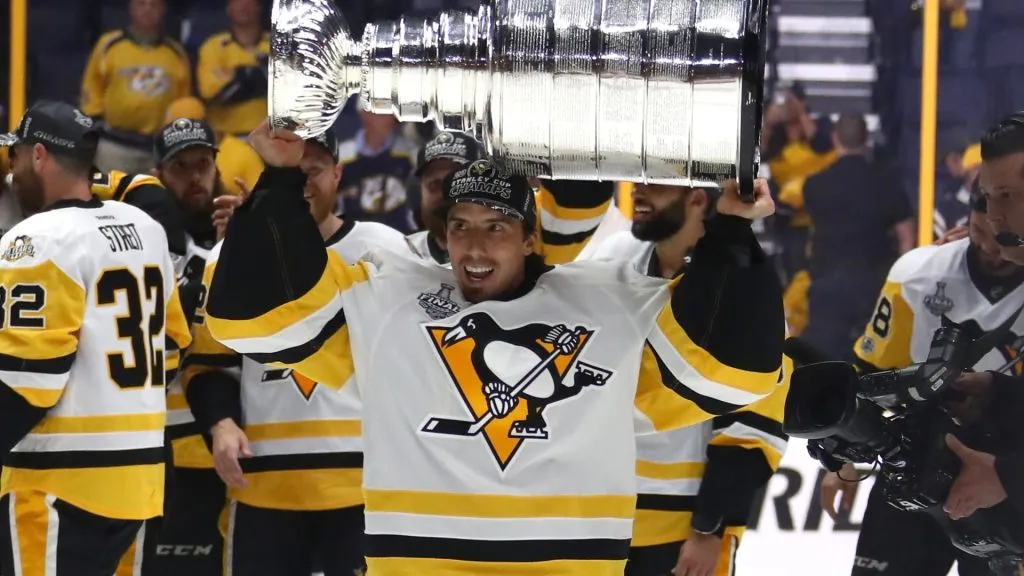
Marc-Andre Fleury (Source: Frederick Breedon/Getty Images)
Selected as the first overall pick in the 2003 NHL Draft, Marc-Andre Fleury was the charismatic, acrobatic, and vital cornerstone of the Penguins’ resurgence, serving as the starting goaltender for 13 foundational seasons.
Affectionately known as “Flower,” he holds nearly every significant Penguins goaltending record, including the all-time marks for games played, wins, and shutouts, proving his enduring value to the franchise.
More importantly, his stellar, often spectacular, play in net helped deliver three Stanley Cup championships in 2009, 2016, and 2017, with his selfless demeanor during the 2017 playoff run—when he yielded the crease to Matt Murray—only solidifying his reputation as a beloved, smiling, and irreplaceable icon in Pittsburgh sports history.
Larry Murphy
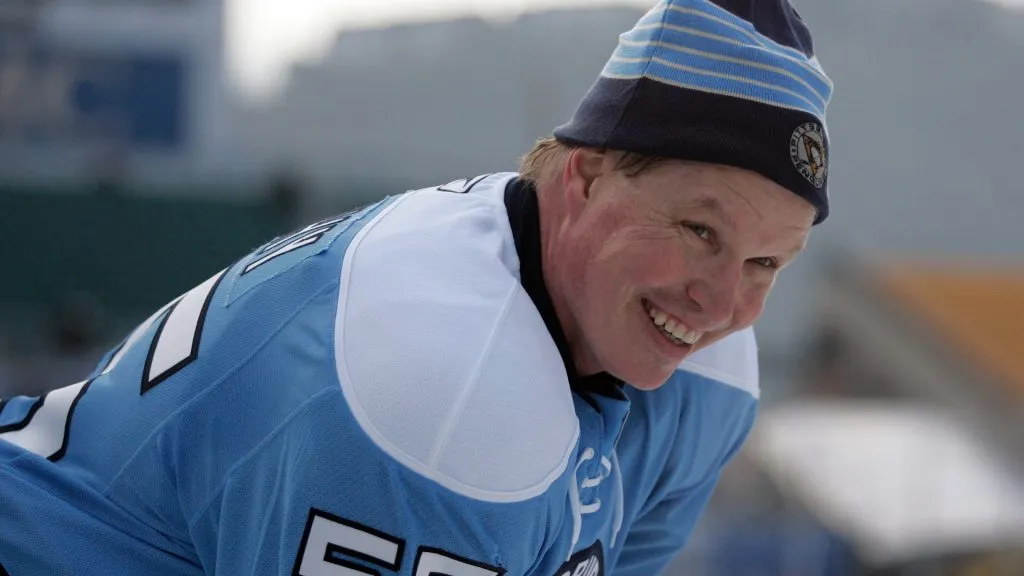
Larry Murphy (Source: Justin K. Aller/Getty Images)
The story of Larry Murphy with the Penguins is one of a savvy veteran who perfected the art of the offensive defenseman just in time for the franchise’s first taste of success, arriving via trade late in 1990.
Though his tenure was relatively short, his impact was profound: he provided elite vision and an uncanny ability to quarterback the offense from the blue line, recording a career-high 85 points in 1992–93 and helping the club capture the 1991 and 1992 Stanley Cups.
His quiet consistency and reliability became a hallmark, enabling him to achieve the remarkable feat of being the only NHL player to win four Stanley Cups in the 1990s—two with Pittsburgh and two later with Detroit—a clear indicator of his indispensable presence on a championship-caliber roster.
Paul Coffey

Paul Coffey (Source: Justin K. Aller/Getty Images)
Paul Coffey remains one of the most electric, trailblazing defensemen in hockey history, and his time with the Penguins was a continuation of his world-class scoring prowess, arriving in Pittsburgh in 1987 via a blockbuster trade from Edmonton.
His blazing speed and exceptional puck-handling fundamentally changed how the Penguins’ defense operated, pushing the pace of play and allowing him to join the attack seamlessly, where he recorded a pair of 100-point seasons for the club.
As the second-highest scoring defenseman ever in the NHL, his offensive genius was instrumental in transforming the franchise into a contender and securing the franchise’s very first Stanley Cup in 1991, ensuring his place as one of the elite architects of the Penguins’ winning culture.
Mark Recchi
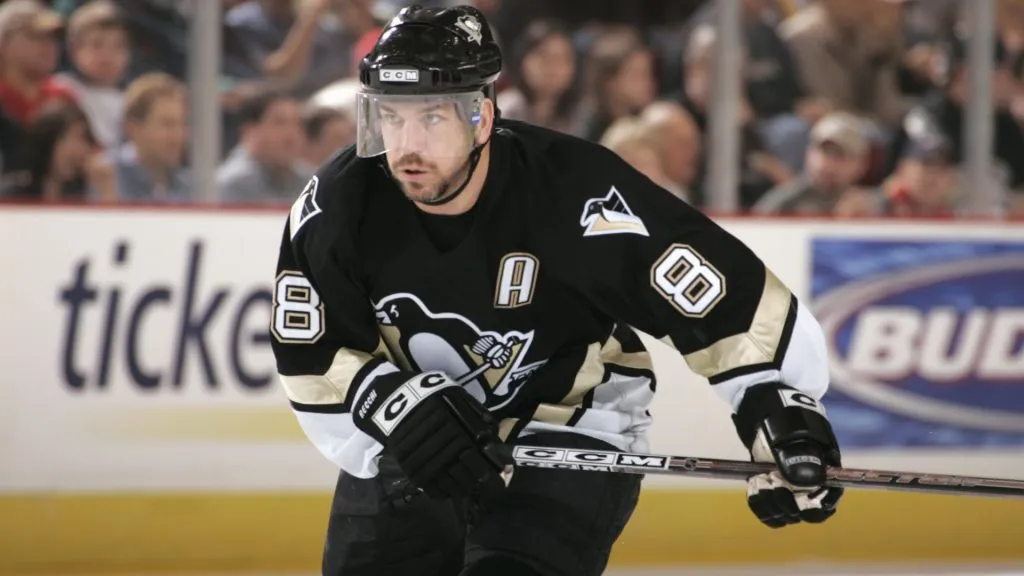
Mark Recchi (Source: Gregory Shamus/Getty Images)
Mark Recchi is the epitome of longevity and winning pedigree within the Penguins’ history, initially drafted by the team and quickly developing into a massive offensive threat, most notably contributing 113 points to the 1990–91 season that culminated in the franchise’s first championship.
His career featured multiple stops across the league, but his link to Pittsburgh is ironclad: he won the 1991 Stanley Cup as a core player and later returned to the organization as a veteran leader before transitioning to the coaching staff, where he won two more Cups in 2016 and 2017.
This five-time Penguins champion—across two different roles—enshrined his legacy as a Hockey Hall of Famer and a key figure in the continuous thread of championship success for the organization.
Brooks Orpik
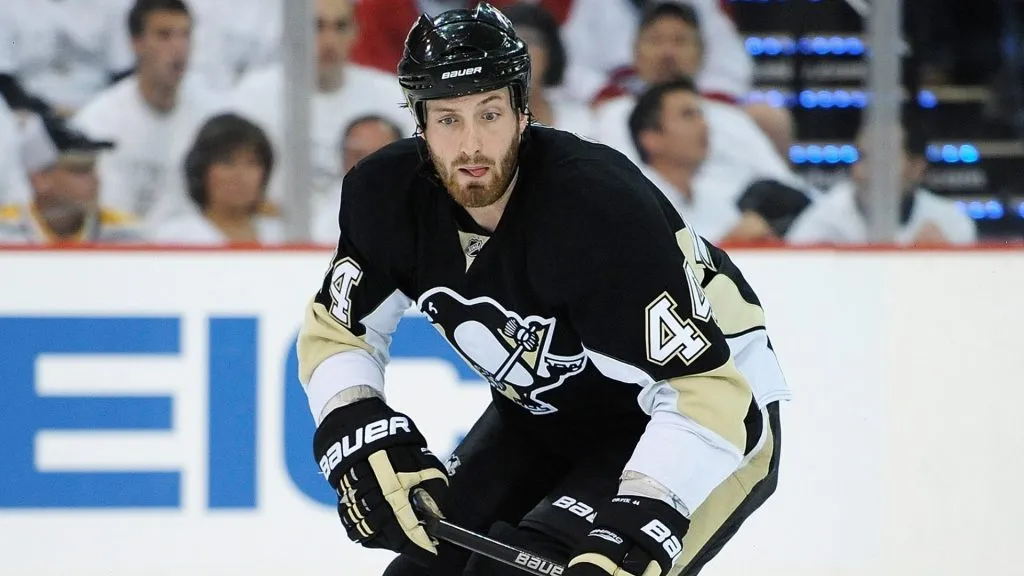
Brooks Orpik (Source: Jamie Sabau/Getty Images)
Brooks Orpik embodied the gritty, hard-nosed identity that defined the Penguins’ championship shift under Sidney Crosby, serving as the team’s relentless stay-at-home defenseman for over a decade.
Drafted in 2000, he was never known for his offense, but his value lay entirely in his physicality, shot-blocking prowess, and crucial leadership in the locker room, establishing himself as an alternate captain and one of the league’s most feared hitters.
He was a defensive anchor on the 2009 Stanley Cup team, logging heavy minutes and providing the necessary blue-line shield that allowed the star forwards to create offense, culminating his service to Pittsburgh as one of the definitive faces of the Pens’ rise to the top tier of the NHL.
Bryan Trottier
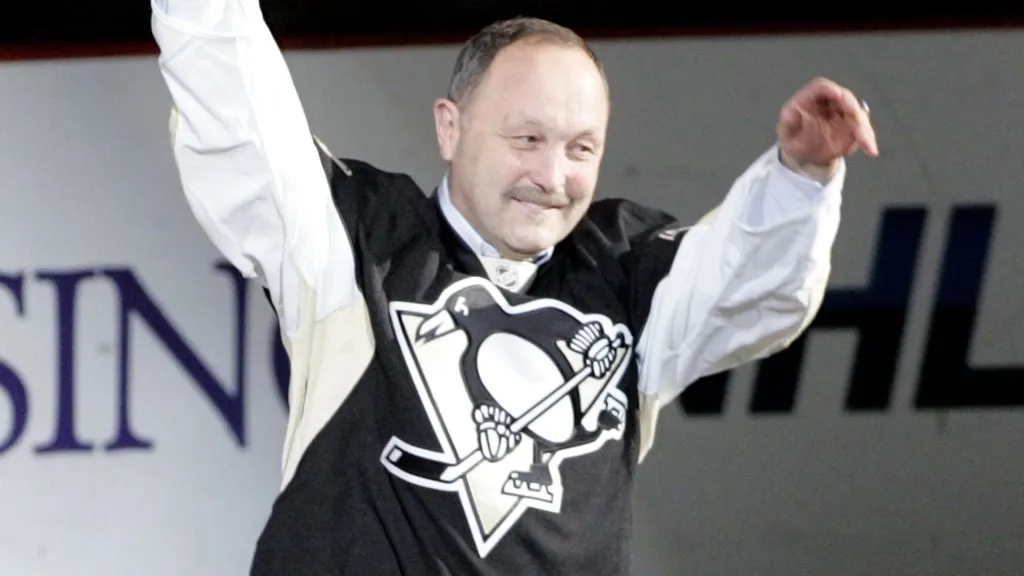
Bryan Trottier (Source: Justin K. Aller/Getty Images)
While his legacy is most often tied to the Islanders’ dynasty, Bryan Trottier‘s contribution to the Penguins was entirely unique and arguably invaluable, as he joined the club late in his career to provide championship pedigree and veteran wisdom to a young Mario Lemieux-led team.
A Hockey Hall of Famer and winner of multiple major NHL awards, he brought a quiet, two-way center excellence that helped cement the winning culture and work ethic for the Penguins’ first two Stanley Cup victories in 1991 and 1992.
His presence in the lineup gave the young club the confidence and composure needed in the deepest parts of the playoffs, acting as the ideal transitional mentor and playing a critical, if understated, role in establishing the franchise as a consistent winner.
Maxime Talbot
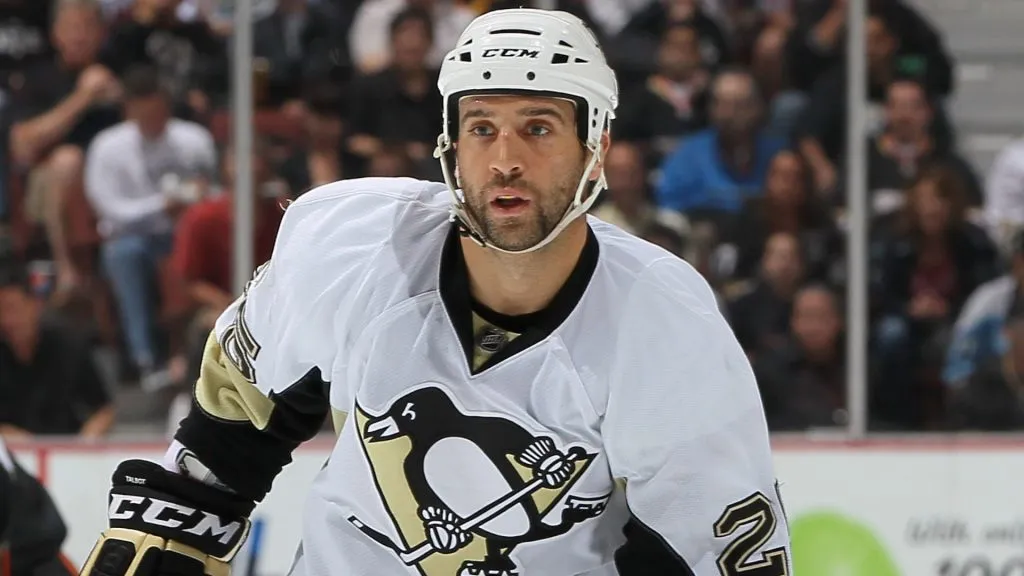
Maxime Talbot (Source: Jeff Gross/Getty Images)
Few players better captured the spirit and grit of the early Crosby-Malkin era than Maxime Talbot, whose tireless work ethic, energy, and clutch playoff performances made him a fan favorite and a true team heart-and-soul player.
Though his regular-season numbers were modest, his importance swelled in the spring, reaching a legendary crescendo in Game 7 of the 2009 Stanley Cup Final against the Detroit Red Wings, where he single-handedly scored both goals in the Penguins’ thrilling 2-1 victory to clinch the championship.
This moment of unexpected heroism, combined with his famously defiant “shushing” of the Philadelphia crowd during the same playoff run, forever defined the center as the ultimate unsung hero whose fearlessness manifested when the stakes were highest.
Phil Kessel
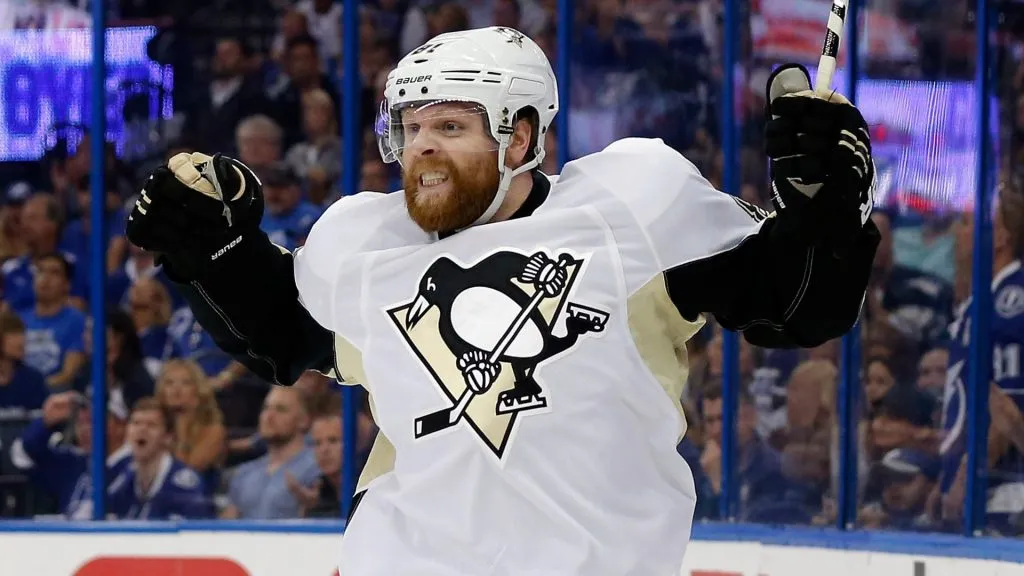
Phil Kessel (Source: Mike Carlson/Getty Images)
Phil Kessel represented a pure, unadulterated offensive force whose four seasons in Pittsburgh provided a prolific and quirky dynamic that was crucial to the modern Penguins’ back-to-back championships.
Known for his natural shooting ability and low-maintenance personality, he was the star of the famously effective “HBK Line,” racking up huge point totals in the playoffs with 45 points across the 2016 and 2017 postseason runs to secure consecutive Stanley Cups.
His remarkable playoff performance, often operating on the team’s explosive second line, earned him the moniker of a “playoff scoring machine,” cementing his legacy in Pittsburgh as an essential piece of a championship core that thrived on his unique ability to generate offense.
Chris Kunitz

Chris Kunitz (Source: Mike Carlson/Getty Images)
The definition of a top-line “grinder with skill”, Chris Kunitz played an indispensable role on Sidney Crosby’s wing, providing the relentless forecheck, physical edge, and offensive consistency required to thrive alongside elite talent.
Acquired in 2009, he immediately became a fixture, with his work ethic leading to high point totals and his unselfish play contributing to three Stanley Cup victories in Pittsburgh (2009, 2016, and 2017), giving him four total championships in his career.
His enduring legacy is highlighted by one of the franchise’s most iconic moments: the double-overtime Game 7 winner against the Ottawa Senators in the 2017 Eastern Conference Final, a clutch goal that propelled the team to their second consecutive Cup Final appearance.
Syl Apps Jr.
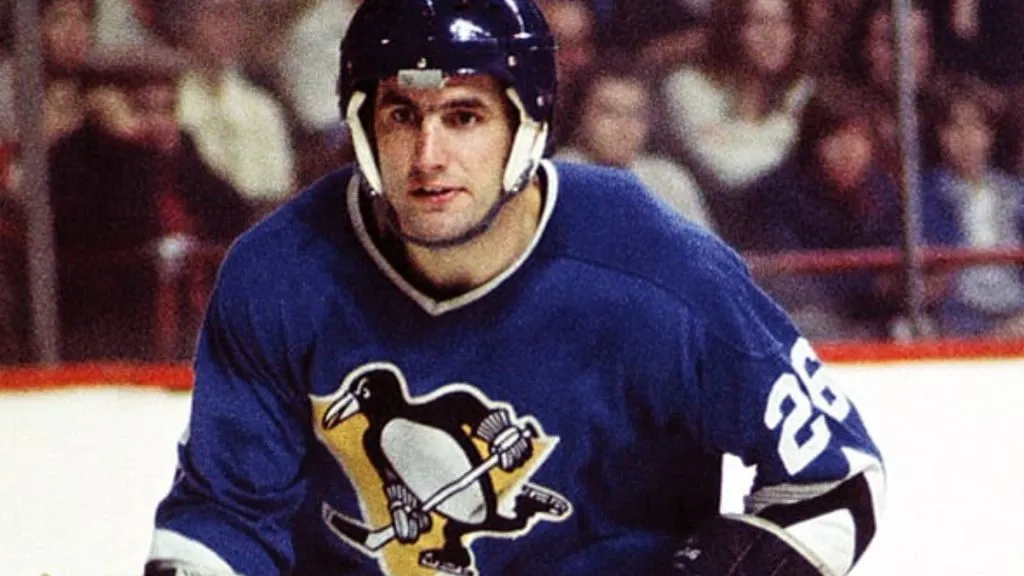
Syl Apps Jr. (Source: The Hockey News)
Syl Apps Jr. belongs to the foundational history of the Penguins, emerging as one of the franchise’s first bona fide offensive stars and giving the club legitimacy in its early, difficult years.
As the talented center of the dynamic “Century Line” alongside Lowell MacDonald and Jean Pronovost, he was a consistent point-producer in the 1970s, leading the team in scoring three times and shattering early franchise records for assists.
His career peak came in the 1975-76 season with a brilliant 99-point effort, placing him among the league’s top offensive threats and solidifying his identity as the quintessential first-line center for Pittsburgh before the coming of the ‘Super Mario’ era.
Bryan Rust
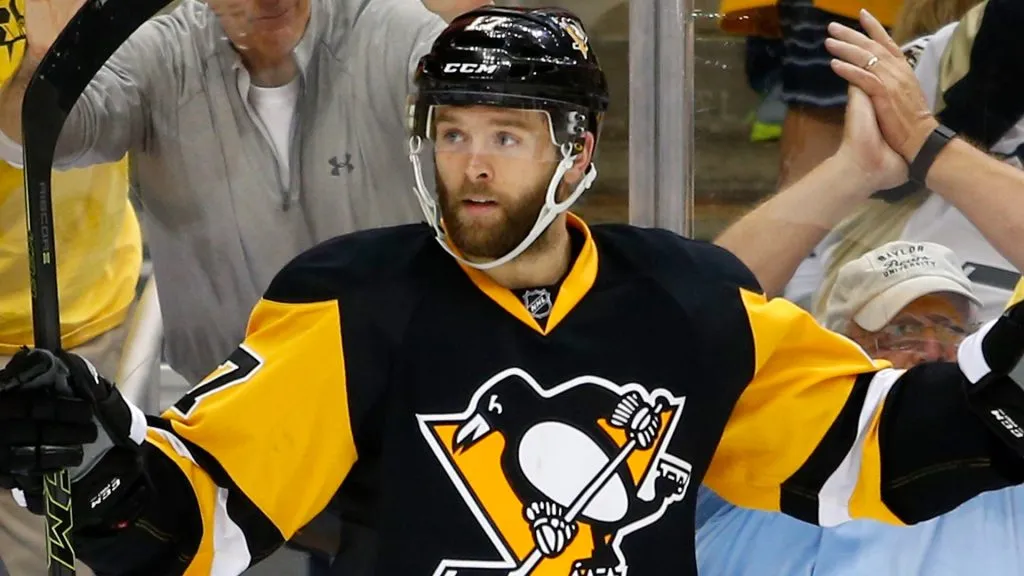
Bryan Rust (Source: Justin K. Aller/Getty Images)
Bryan Rust epitomizes the modern Penguins’ identity: speed, versatility, and an uncanny ability to score clutch goals when they matter most, securing his place as one of the most reliable and longest-tenured members of the current core.
Drafted by the team, he swiftly evolved from a depth forward into a multi-dimensional threat who excelled in every situation, quickly becoming the ninth player in franchise history to record his first 400 points exclusively with the team.
He was a dual hero during the back-to-back Cup runs, highlighted by his two-goal performance in Game 7 of the 2016 Eastern Conference Final, a high-pressure moment that underscored his reputation as Pittsburgh’s ultimate big-game performer.
Ron Schock
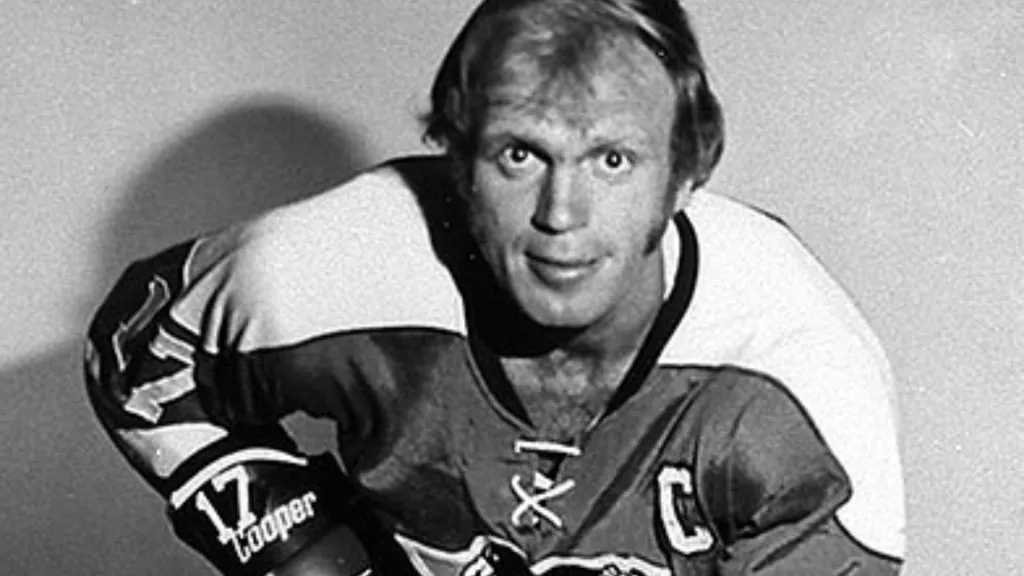
Ron Schock (Source: The Michael J Morris Report)
The name Ron Schock is synonymous with reliability and leadership during a formative, pre-dynasty era for the Penguins, serving as a pillar of consistency in the 1970s.
This unheralded center played 648 games for the franchise, a significant number that showcased his durability, and he held the team record for consecutive games played for many years.
More crucially, he was the team’s captain from 1973 to 1977, guiding the club through a tumultuous yet developing period and establishing a baseline for the longevity and character expected of a Penguins leader.
Alexei Kovalev
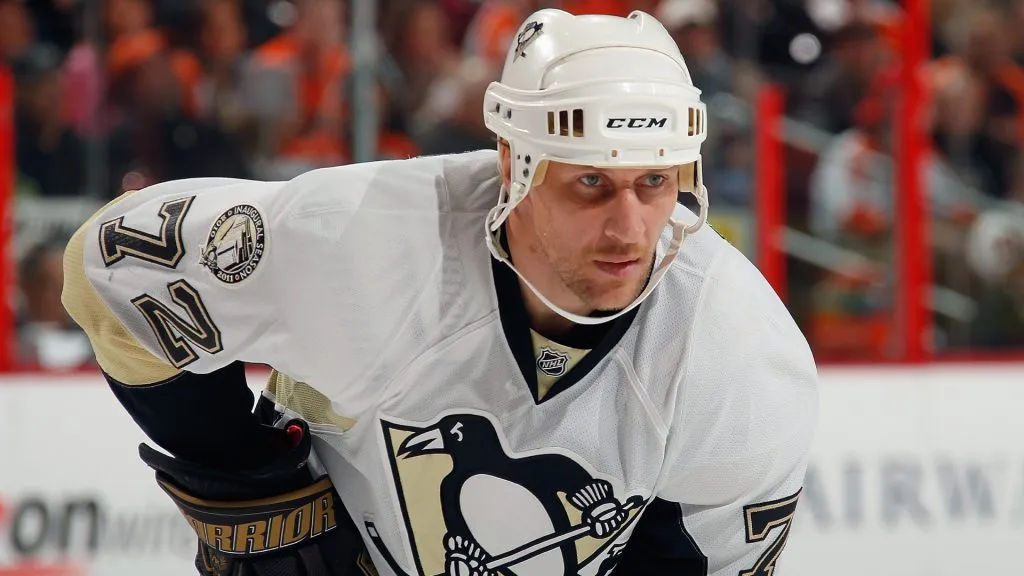
Alex Kovalev (Source: Lou Capozzola/Getty Images)
Alexei Kovalev was, quite simply, hockey’s ultimate artist, a Russian right wing whose dazzling stickhandling and creative instincts made him a must-watch highlight reel player during his two stints with the Penguins. Acquired in 1998, he showcased his immense talent by posting two of his best career seasons in Pittsburgh, including a stellar 95-point campaign.
While often criticized for inconsistency, his flair for the dramatic and his spectacular skill ceiling meant he could single-handedly take over games, representing a captivating brand of European skill and artistry that helped define the team’s high-octane offensive attack during the late 90s.
Ron Stackhouse
Before the age of Coffey and Murphy, Ron Stackhouse was Pittsburgh’s most dependable and effective offensive defenseman throughout the 1970s, anchoring the club’s blue line for eight seasons.
He was a genuine workhorse whose contributions were vital to the team’s offense, particularly on the power play, where his vision and passing touch generated significant scoring chances.
His finest campaign came in the 1975–76 season, where he amassed 71 points, an impressive total for a defender of his era, solidifying his standing as one of the franchise’s all-time leaders in assists and games played among defensemen.
Jake Guentzel

Jake Guentzel (Source: NHL)
Jake Guentzel rapidly ascended from a mid-round draft pick to an elite, indispensable winger and the most successful linemate of Sidney Crosby’s later career, defining the team’s scoring punch for nearly a decade.
His impact was immediate and historic: he led the entire NHL in goals during the 2017 Stanley Cup Playoffs as a rookie, securing a championship and establishing a pattern of clutch postseason excellence.
Known for his relentless pursuit of the puck, elite net-front presence, and knack for finishing plays, he became a consistent 40-goal threat and a key contributor to the team’s enduring competitiveness well into the 2020s.
Greg Malone
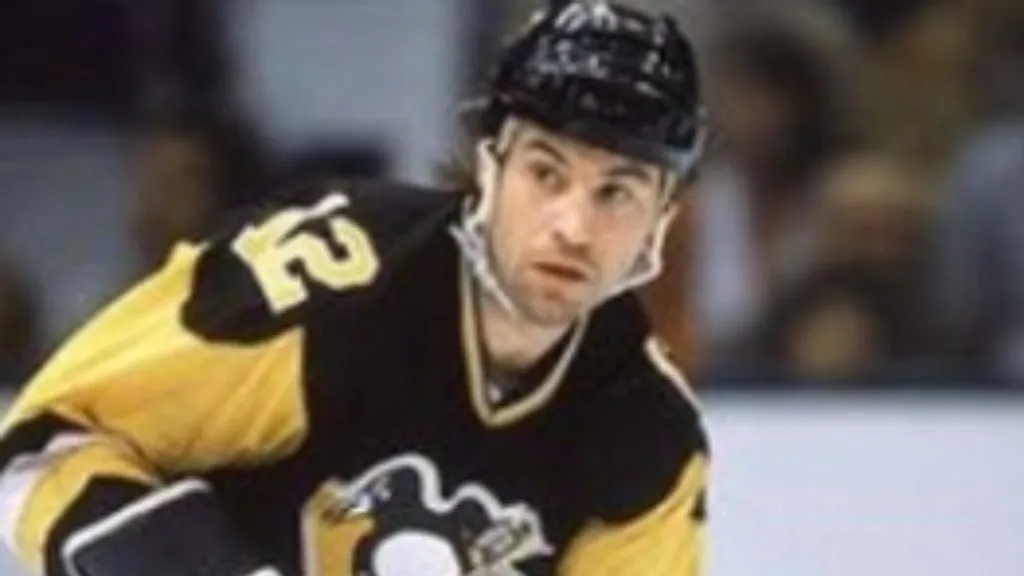
Greg Malone (Source: Not in Hall of Fame)
Greg Malone represents the vital, gritty workhorse core of the Penguins in the pre-Lemieux years, a reliable center selected in the 1976 Draft who spent seven seasons establishing himself as a tenacious two-way player. He was a consistent 50-60 point scorer and a strong contributor on both ends of the ice, culminating in a career-best 35 goals in the 1978-79 season.
Beyond his solid on-ice career that netted 364 points with Pittsburgh, he became instrumental in the franchise’s later glory, transitioning to a front-office role as the Director of Scouting and serving in that capacity when the Penguins won their first two Stanley Cups in 1991 and 1992, thus bridging the gap between the lean 70s and the championship eras.