The Washington Capitals’ story is stitched together by unforgettable names and defining moments. From early struggles to Stanley Cup glory, the franchise has been shaped by a remarkable cast on the ice.
Generations of fans recall dazzling scorers, ironclad defenders, and goaltenders who stood tall when it mattered most. Each NHL era added a layer to the team’s identity, building a tradition both gritty and spectacular.
At the heart of it all are the players who turned potential into legacy. Some remain household names, others shine quietly in memory, but together they represent the true spirit of Capitals hockey.
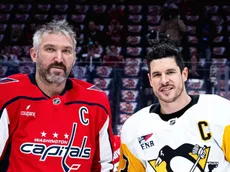
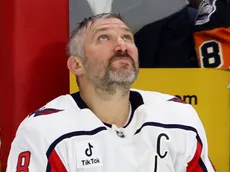
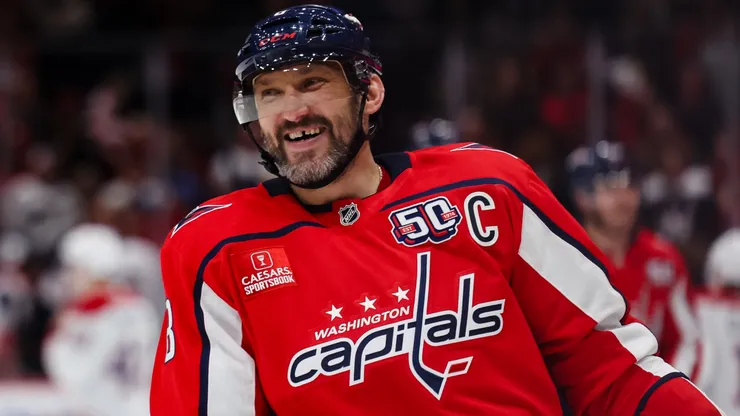
Alexander Ovechkin
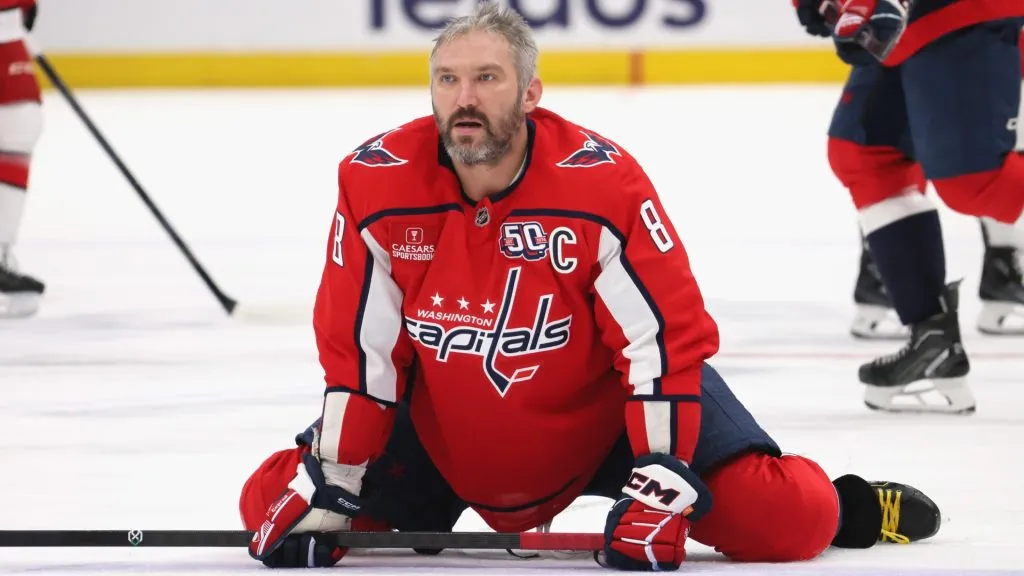
Alex Ovechkin (Source: Bruce Bennett/Getty Images)
Forget the debates over eras; Alexander “Ovi” Ovechkin is not just a Capitals great—he’s a titan whose gravity defines the franchise’s history and the league’s scoring landscape. Drafted first overall in 2004, the “Great Eight” transformed Washington from a perennial playoff disappointment into a must-watch global phenomenon the moment he stepped onto the ice, famously shattering the glass with a thunderous first-game check.
His career has been a relentless, joyful assault on the NHL record book. Ovechkin is the NHL’s all-time goals leader, holding a near-monopoly on the Maurice “Rocket” Richard Trophy with a record nine wins. More than just a shooter, he’s the relentless engine of power and passion the team rode to the 2018 Stanley Cup. That playoff run, which earned him the Conn Smythe Trophy, solidified his legacy as the player who completed the Capitals’ journey to greatness. He is the ultimate, non-negotiable choice for the top of this list.
Rod Langway
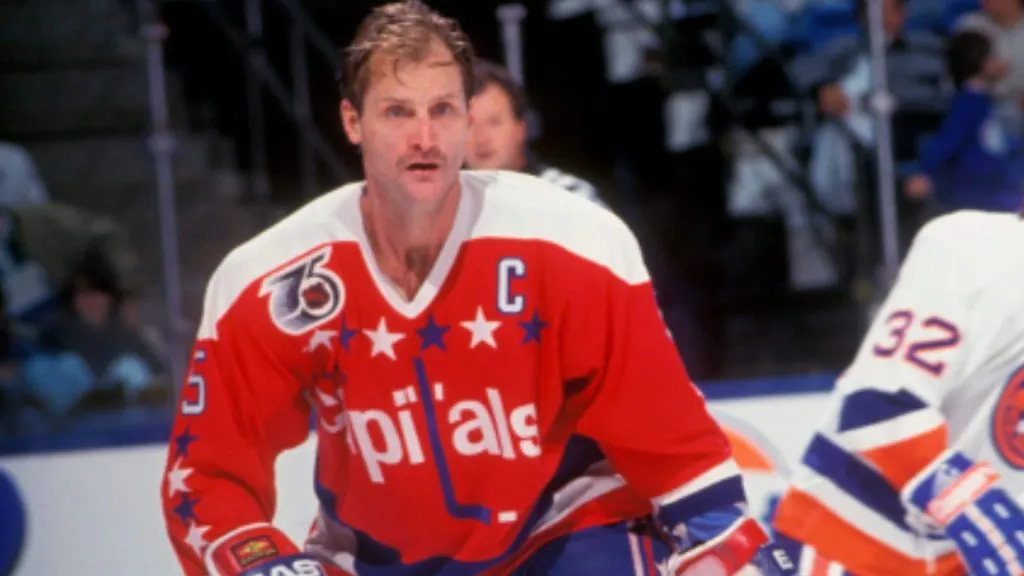
Rod Langway (Source: The Hockey Writers)
In the early 1980s, the Washington Capitals were often referred to as the “Worst Show on Ice,” a team defined by failure. That changed abruptly when the franchise acquired defenseman Rod Langway from the Montreal Canadiens. Immediately upon his arrival, he didn’t just improve the defense; he installed an entirely new culture of accountability, earning the nickname “The Secretary of Defense”.
He was the quintessential shutdown defenseman. While his offensive stats were modest (he had 329 points in 994 career games), his impact was measured in blocked shots, perfect positioning, and clutch leadership.
He became the first true defensive defenseman to win the Norris Trophy twice consecutively (1983, 1984), a nearly unheard-of feat in an era that prized offense from the blueline. His leadership turned the Caps into a playoff regular for the first time, forever pulling the organization out of the league’s basement.
Nicklas Backstrom
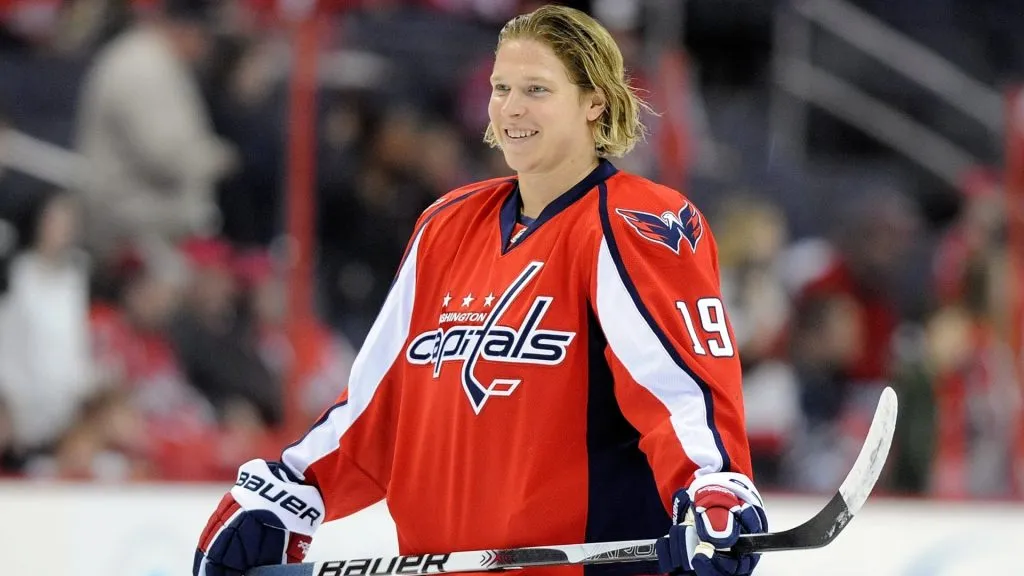
Nicklas Backstrom (Source: Greg Fiume/Getty Images)
If Ovechkin is the thunder, then Nicklas Backstrom is the lightning rod that makes the strike possible. Known universally as “Nicky,” the Swedish center is arguably the most valuable playmaker in franchise history. His genius lies in his vision and his nearly telepathic connection with Ovechkin, feeding the Great Eight from the “office” on the power play with impeccable timing.
He owns the Capitals’ franchise record for all-time assists and sits second in all-time points, a testament to his career-long consistency. His work ethic flew under the radar of national media, yet he led the NHL in assists during the 2009–10 season and accumulated a phenomenal streak of six consecutive 50-assist seasons starting in 2013-14. Most importantly, his 23 points during the 2018 Stanley Cup run were crucial, cementing his status not just as a statistical marvel but as a champion.
Mike Gartner
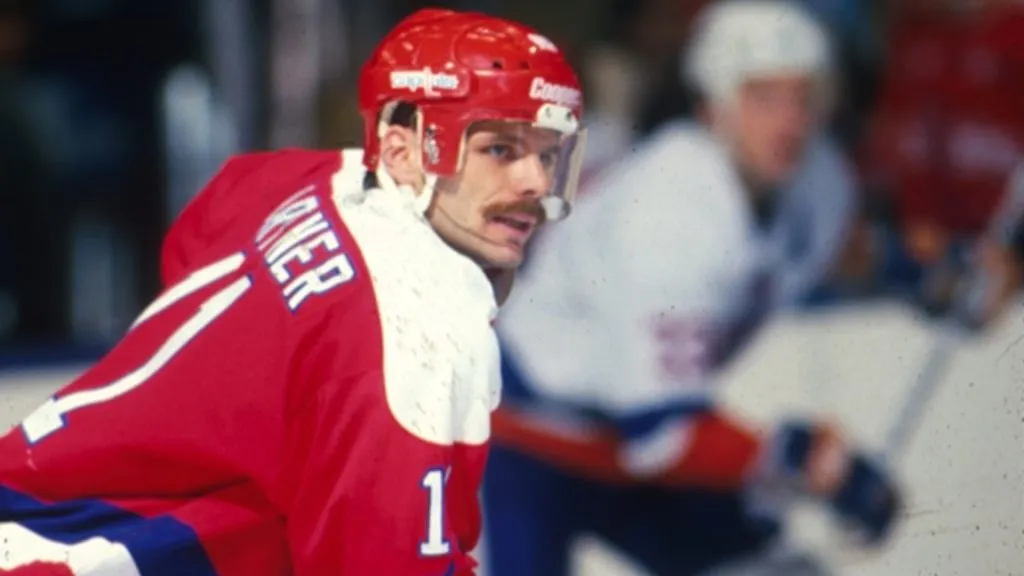
Mike Gartner (Source: The Hockey Writers)
Before the advent of the 21st-century stars, Mike Gartner was the face of Washington Capitals scoring. Known for his blistering speed, he was a blur down the wing who combined Olympic-level velocity with a potent shot, making him a perpetual headache for opposing defenders.
His remarkable consistency is what truly sets him apart. Prior to his trade in 1989, he led the Capitals in scoring four times and set the franchise career records for goals (397) and points (789), records that stood until the Ovechkin-era explosion.
He achieved all this during a particularly lean period for the team, meaning his individual offensive brilliance was the primary source of excitement for Caps fans throughout the 1980s. A Hockey Hall of Famer, he remains third all-time in franchise goals, a powerful measure of his long-term impact.
Dale Hunter
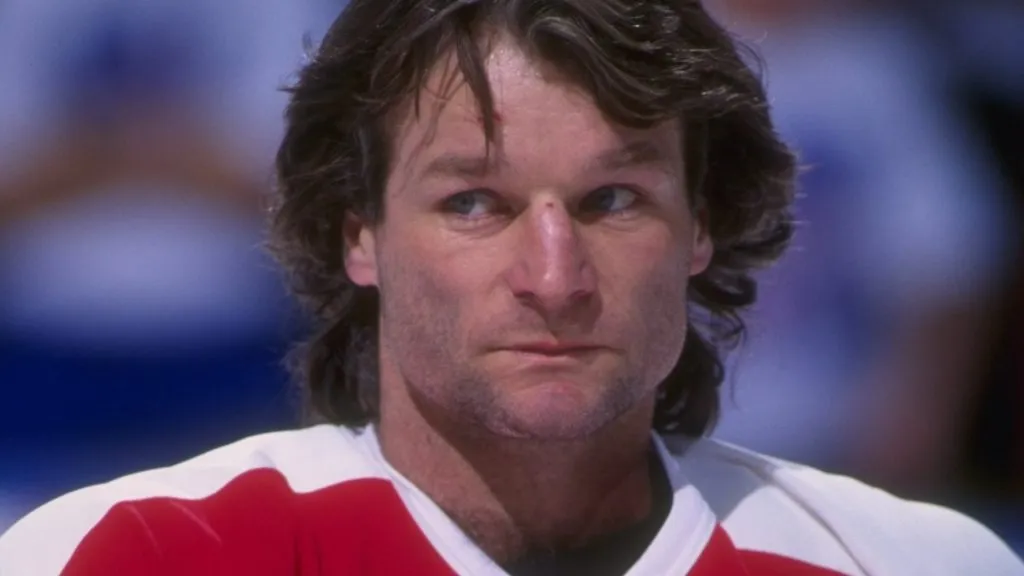
Dale Hunter (Source: Robert Laberge /Allsport)
To understand the gritty soul of the Capitals in the 1990s, one must look no further than captain Dale Hunter. He was never known for his finesse; he was beloved for his raw, unyielding intensity, a player who embodied the spirit of hard-nosed, two-way hockey.
He arrived as the ultimate competitor, a center who blended scoring touch with a willingness to do whatever necessary to win—or irritate opponents. His defining statistic is his legendary toughness: he is the only player in NHL history to record over 1,000 career points and over 3,000 penalty minutes, a unique testament to his dual threat as a scorer and an enforcer.
As the long-time captain, he led the team to its first-ever Stanley Cup Final appearance in 1998. When his number 32 was retired, it symbolized not just his production (556 points as a Cap, per NHL Records) but his unmatched role as the team’s emotional leader and fan favorite.
Peter Bondra
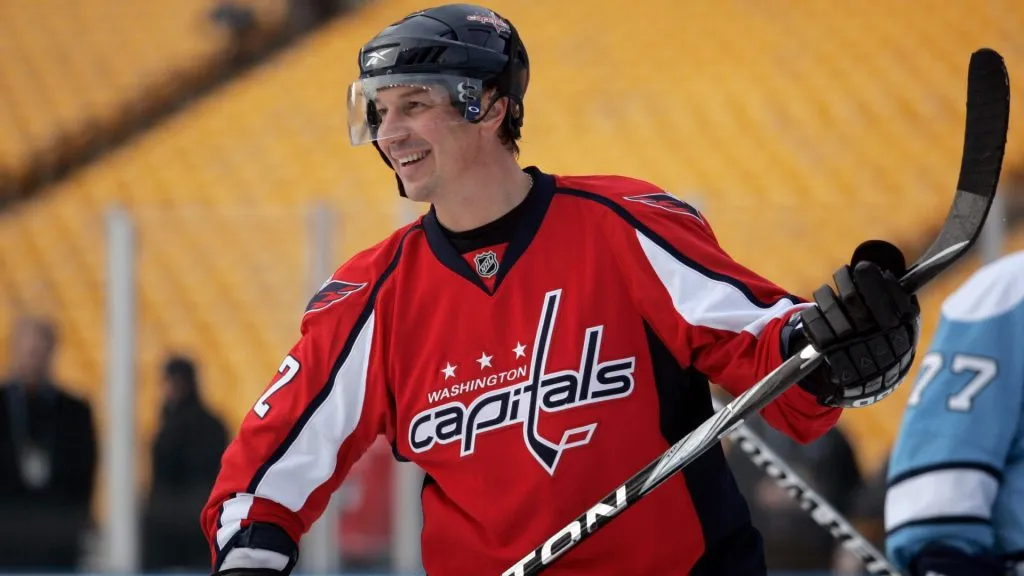
Peter Bondra (Source: Justin K. Aller/Getty Images)
Before the power of the “Ovi Shot” became tradition, the Capitals faithful roared for the blinding speed and lethal finish of Peter Bondra. The Slovakian winger was a pure goal-scorer, known for his ability to break away from the defense and burn goalies with one of the quickest releases in the league.
He became a two-time NHL goals leader (1994–95, 1997–98) and a two-time 50-goal scorer for Washington, making him the franchise’s definitive sniper of the 90s.
He remains second only to Ovechkin in all-time Capitals goals with 472. His career highlight reel includes an astounding four-goal period against the Islanders, but his true legacy is the team record he still holds: most short-handed goals (32), showcasing the threat his speed posed in every zone of the ice.
Olaf Kolzig
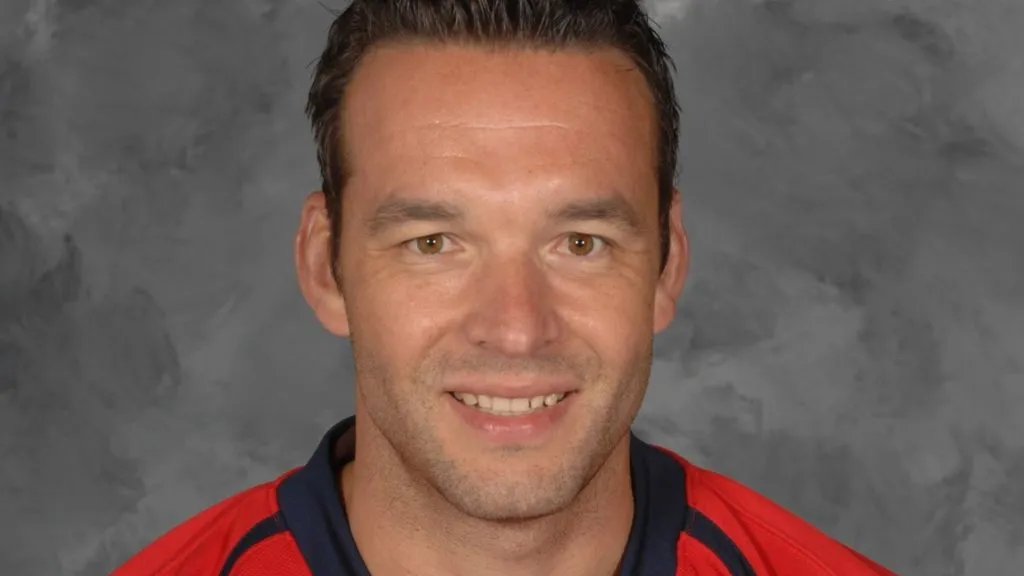
Olie Kolzig (Source: Getty Images)
For sixteen seasons, the Capitals had a constant presence in net: Olaf “Olie the Goalie” Kölzig. Born in South Africa and playing internationally for Germany, he developed into one of the league’s elite netminders, spending virtually his entire career in Washington. His was an era defined by heart, grit, and resilience, culminating in the team’s first trip to the Stanley Cup Final in 1998.
His brilliance peaked in 2000 when he earned the Vezina Trophy as the NHL’s best goaltender, posting 41 wins. He holds nearly every major Capitals goaltending record, including games played (711) and wins (301).
Yet, his impact extended beyond saves; he was also the recipient of the King Clancy Memorial Trophy (2006) for his leadership and extensive humanitarian work off the ice, truly defining him as the “soul of the team” for an entire generation of fans.
Braden Holtby
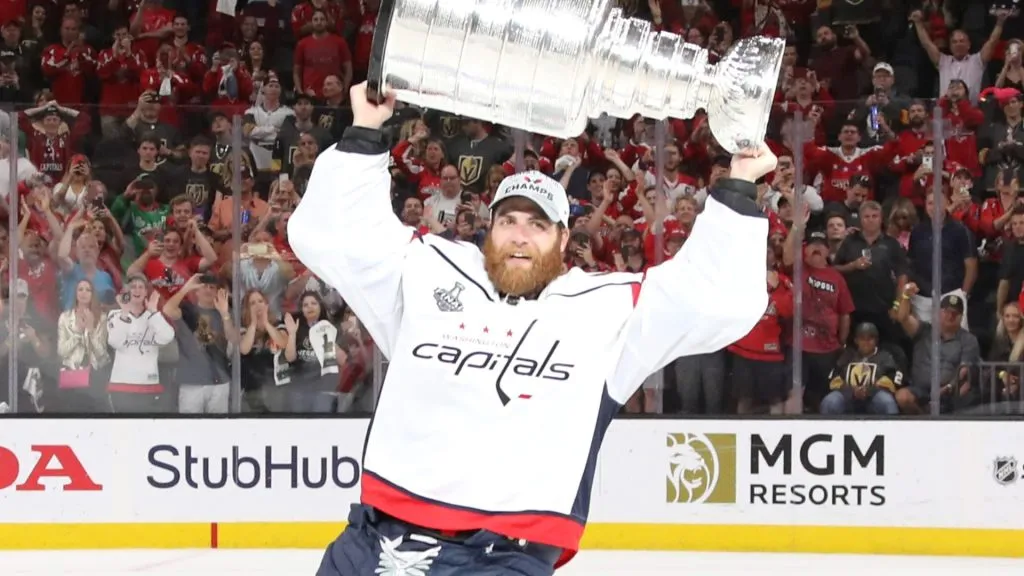
Braden Holtby (Source: Bruce Bennett/Getty Images)
Where Olaf Kölzig provided longevity and heart, Braden Holtby delivered the one thing Kölzig could not: a Stanley Cup. His career was a series of incredible peaks, starting with a Vezina Trophy in 2016 for leading the league with 48 wins, but his legacy is cemented by the 2018 playoff run.
After briefly losing the starting job, he stepped in during the 2018 postseason to become the indispensable backbone of the championship team, posting a 16–7 record with a spectacular .922 save percentage.
His defining moment came in Game 2 of the Final: a sprawling, cross-crease stick save on Alex Tuch of the Vegas Golden Knights, preserving a crucial lead in a moment that is now simply referred to as “The Save.” It was a moment of pure athleticism and clutch performance that defined the Capitals’ destiny.
Adam Oates
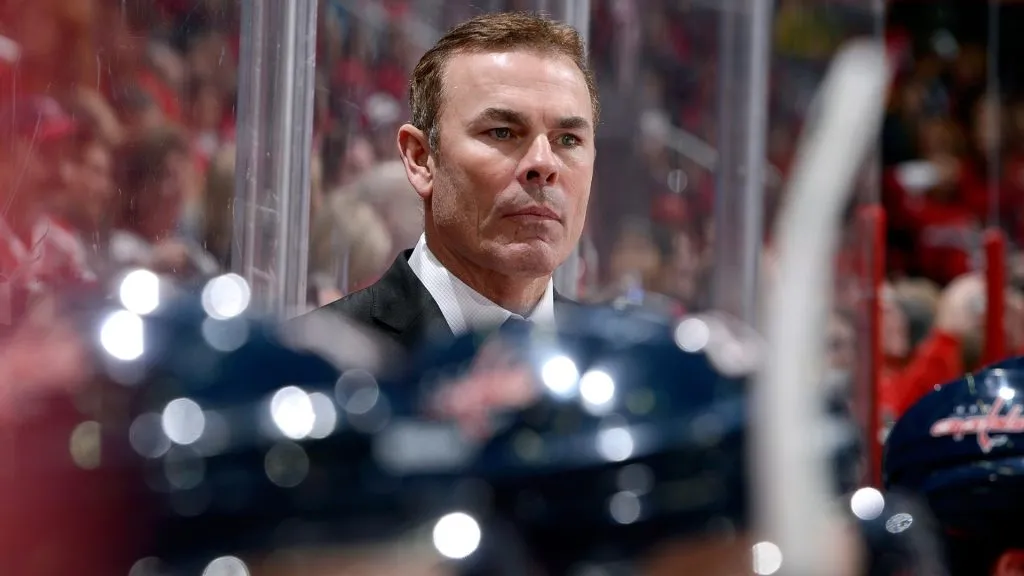
Adam Oates (Source: Greg Fiume/Getty Images)
Though his tenure in Washington was relatively brief, center Adam Oates immediately stamped his mark as one of the most brilliant passers and high-IQ playmakers in franchise history.
Arriving via trade in 1997, he almost instantly elevated the offensive output of his linemates, turning average scorers into 40-goal threats through his exceptional vision. He was a magician with the puck, compiling an incredible 601 points in just 485 games as a Capital.
In his first full season, he led Washington to the 1998 Stanley Cup Final, serving as the team’s primary offensive driver. A Hockey Hall of Famer, he finished his career with over 1,000 assists (1,079 total), making him one of the most prolific setup men to ever wear the Capitals crest.
John Carlson
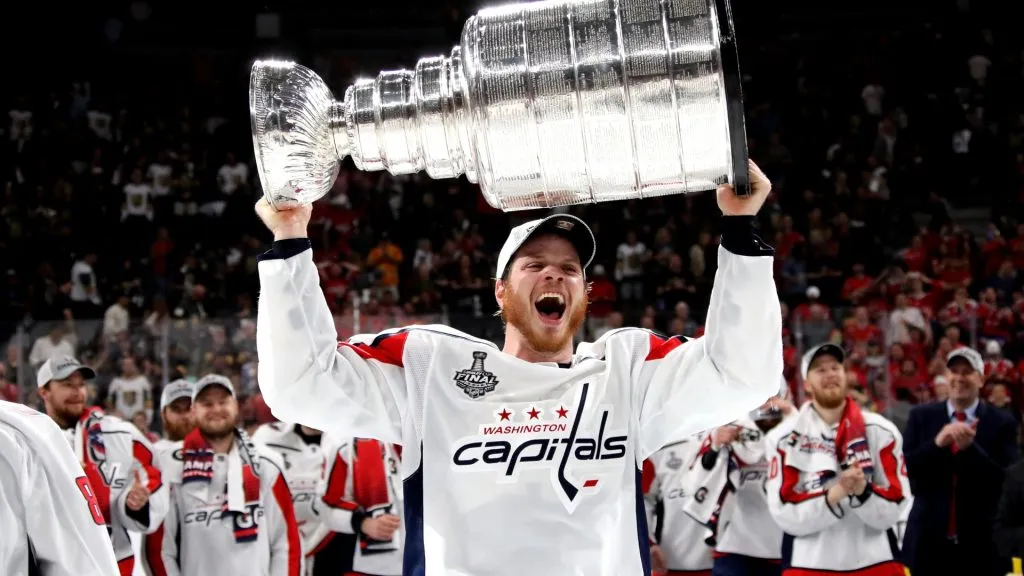
John Carlson (Source: Bruce Bennett/Getty Images)
As the longest-serving defenseman in franchise history, John Carlson represents the steady, elite presence on the Washington blue line for over a decade. Drafted in 2008, he developed into a genuine two-way threat, balancing heavy ice time, stellar defense, and outstanding offensive production—a rare trifecta in the modern NHL.
He was the highest-scoring defenseman during the team’s 2018 Stanley Cup run, often quarterbacking the power play with Bäckström and Ovechkin. His exceptional play was recognized with a Norris Trophy nomination and multiple All-Star selections, solidifying his reputation as a top-tier blueliner.
While his career has been a study in consistent excellence, his role as the anchor for the first-ever championship team secures his place as a foundational figure of the Capitals’ most successful period.
Scott Stevens
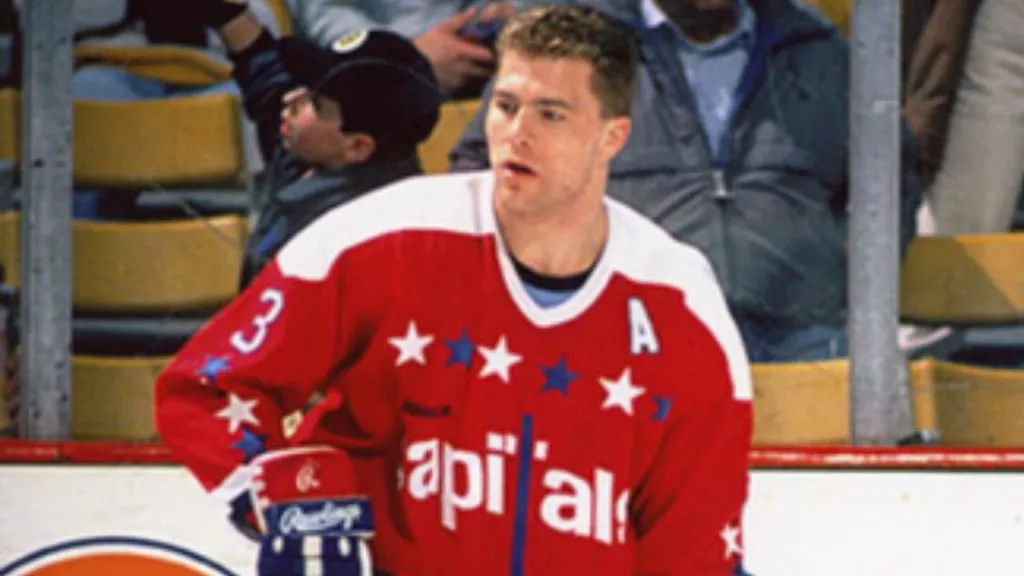
Scott Stevens (Source: NHL Auctions)
Before Scott Stevens became the bruising Hall of Fame captain and three-time Stanley Cup winner for the New Jersey Devils, he was the powerful bedrock of the Washington Capitals’ blue line. Drafted fifth overall in 1982, he immediately brought an unparalleled physical dimension to the organization.
While his tenure (1982–1990) didn’t yield a championship, his style of play—a crushing, disciplined defensive force—set the tone for Washington’s transition from an expansion cellar-dweller to a perennial playoff contender in the 1980s.
His defensive excellence was always complemented by offense. He was an outstanding two-way defenseman who consistently logged high assist totals (he ranks ninth in career assists in team history) and was a major factor in the Capitals’ growing defensive competency alongside Rod Langway.
His legacy is one of foundational dominance; the Caps traded away a cornerstone, but the lessons of hard-nosed, relentless defense he instilled remain part of the club’s DNA.
Kevin Hatcher
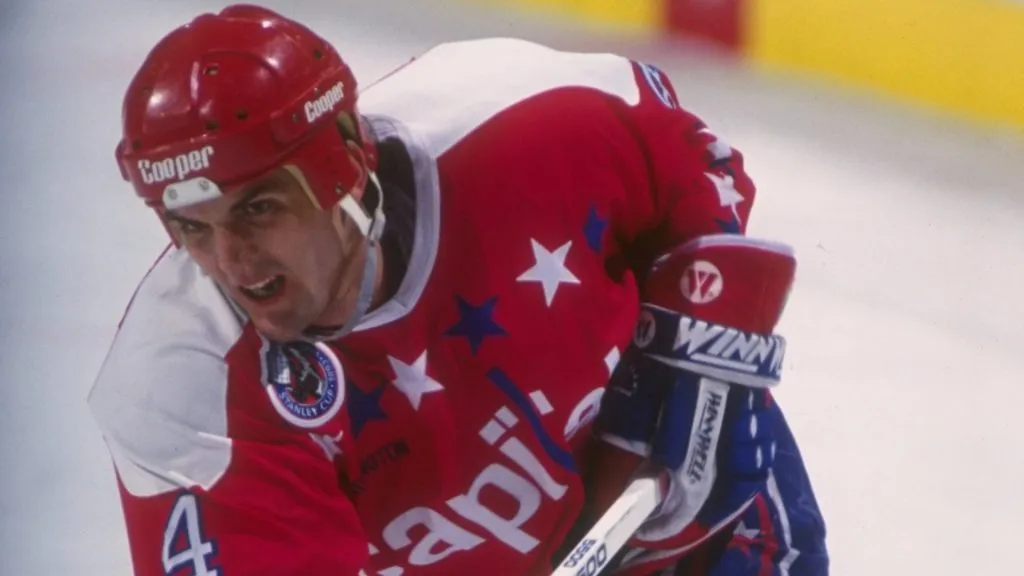
Kevin Hatcher (Source: Rick Stewart /Allsport)
Kevin Hatcher arrived in Washington and quickly established himself as a physical force with an electric offensive upside, a profile distinct from the pure shutdown style of his contemporary, Rod Langway. His decade-long run with the Capitals (1984–1994) was defined by his hard shot and his incredible ability to produce points from the back end.
In the 1992–93 season, he delivered a monumental offensive performance, becoming only the seventh defenseman in NHL history at the time to score 30 goals in a single season, finishing with a career-high 34 goals and 79 points, leading all league defensemen in scoring.
He was a multi-time NHL All-Star and even took over the captaincy from Langway in his final years with the team. He remains fourth all-time in scoring among Capitals defensemen, a testament to his high-risk, high-reward approach to the position.
Bengt Gustafsson
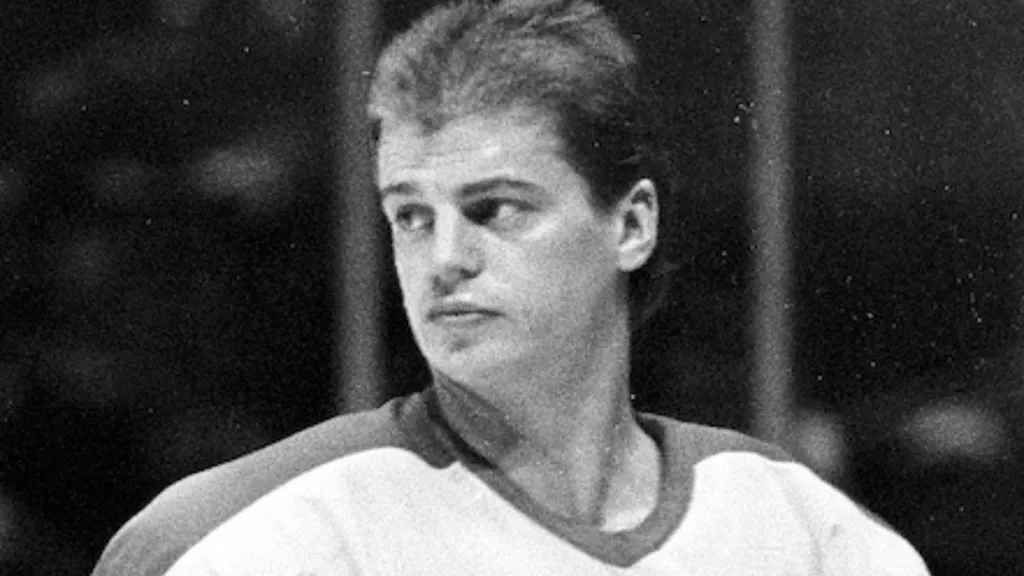
Bengt Gustafsson (Source: Elite Prospects)
During the 1980s when the Capitals were finding their identity, Bengt-Åke Gustafsson provided a quiet, reliable brilliance. The Swedish center, affectionately known as “Gusty,” spent his entire NHL career (1979–1989) in Washington, developing a reputation as an extremely smart, two-way forward with exceptional passing skills.
He was consistently productive, hitting the 70-point mark multiple times. However, his true value lay in his play away from the puck; his smart positioning often earned him votes for the Selke Trophy, the award for the league’s best defensive forward, a nod to his comprehensive game.
While his name may not top the all-time scoring records, his nine years of dedicated service and steady contribution were essential in establishing Washington’s credibility in the Metropolitan Division.
Michal Pivonka
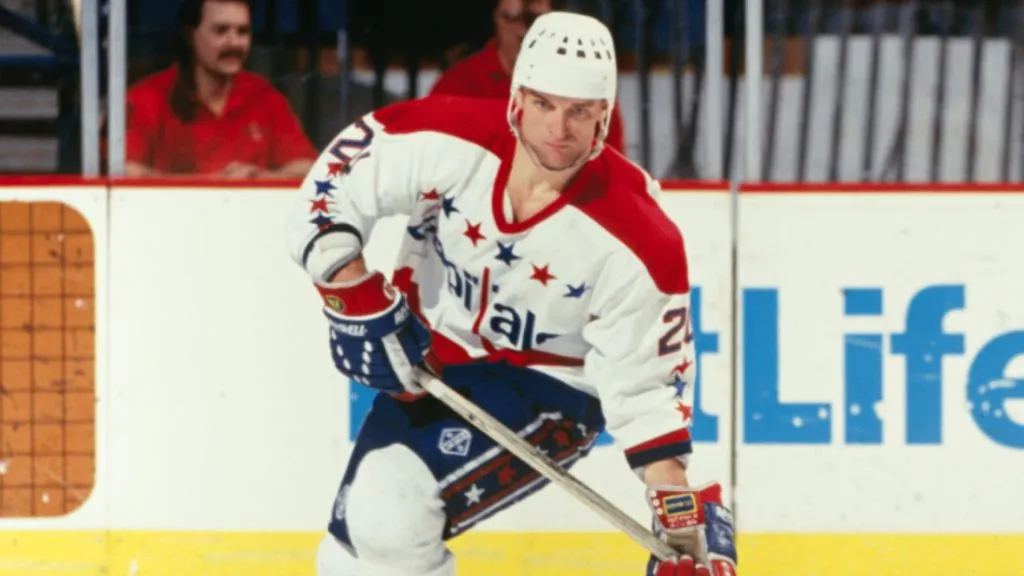
Michal Pivonka (Source: NHL)
Michal Pivonka is one of the Capitals’ great international stories. He defected from Czechoslovakia in 1986 to begin his NHL career, immediately injecting elite playmaking talent into Washington’s lineup.
His career (1986–1999) was marked by his longevity and his ability to center several of the team’s most dangerous lines, including those featuring Peter Bondra. He was a dynamic presence, accumulating 599 points in 825 games for the Capitals.
His value was in his passing: at the time of his retirement, he held the franchise record for most career assists, a title that has since only been surpassed by the current generation of superstars like Backstrom, Ovechkin, and John Carlson. His courageous decision to defect for the chance to play NHL hockey makes him a unique and significant historical figure for the franchise.
Calle Johansson
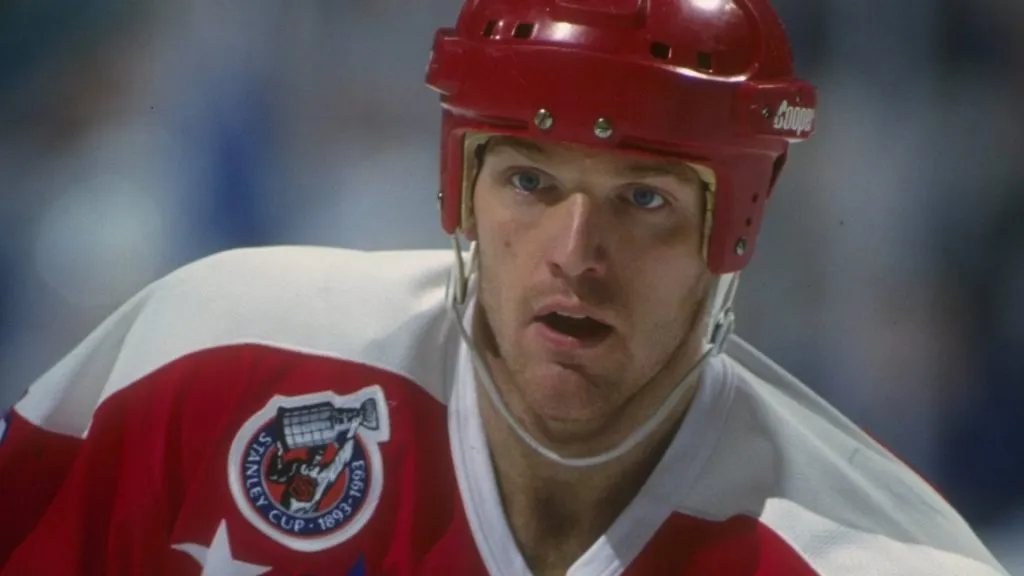
Calle Johansson (Source: Rick Stewart /Allsport)
No player embodied quiet, reliable longevity for the Capitals quite like Calle Johansson. The Swedish defenseman played 15 seasons across three decades (1989–2003) in Washington, earning the title of the franchise’s all-time leader in games played by a defenseman until he was recently surpassed by John Carlson.
He was the ultimate “fixture on the blue line”. While often overshadowed by flashier teammates like Stevens and Hatcher, he was a rock of consistency, a strong puck-mover, and a key contributor on special teams.
He helped the Capitals reach the 1998 Stanley Cup Final and was instrumental in setting a new team record for defensive scoring in the 1992-93 season. His 474 career points are a testament to his offensive ability, but his real legacy is his unwavering commitment to the Caps jersey.
Alexander Semin

Alexander Semin (Source: Al Bello/Getty Images)
Alexander Semin stands as one of the most polarizing and frustratingly gifted players in Washington Capitals history. Part of the famed “Young Guns” era, he possessed a rare blend of electrifying speed, silky hands, and a lethal, unpredictable shot that made him an offensive threat on every shift.
During his peak, particularly the 2009–10 season where he tallied 40 goals and 84 points, he was often regarded as one of the NHL’s most valuable wingers, boasting a points-per-game average that ranked among the league’s elite.
However, his tenure was plagued by inconsistency, injury troubles, and a lingering public perception of detachment, which led to an eventual move to the KHL. For those who witnessed his best moments, however, his raw, unadulterated talent was second only to Ovechkin’s, securing his place as one of the most naturally skilled players ever to wear the uniform.
Guy Charron
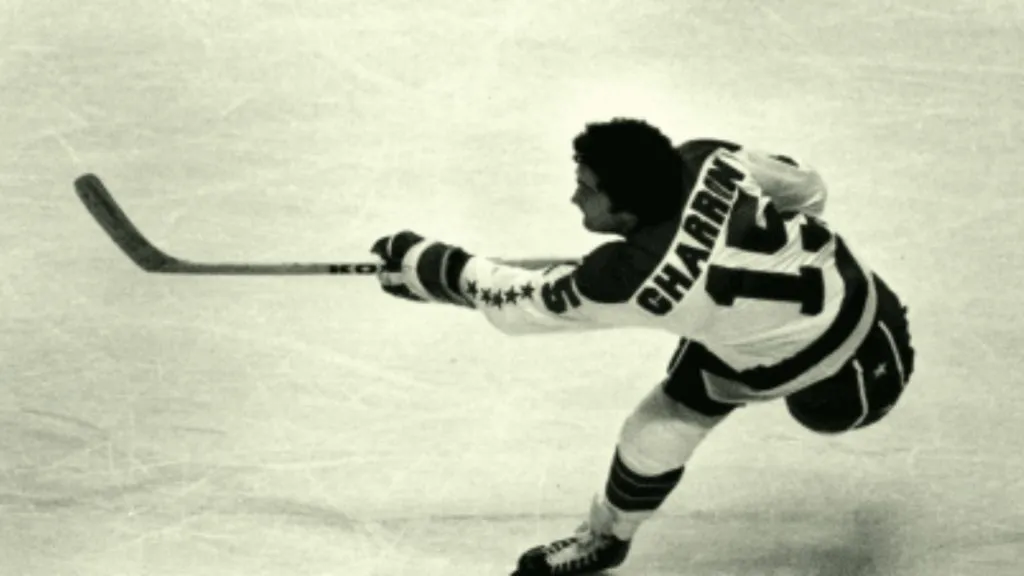
Guy Charron (Source: NHL)
Guy Charron represents the true grit of the Washington Capitals’ earliest days. Arriving in 1976, he quickly became one of the few genuine offensive stars on an expansion team that was notorious for its abysmal lack of talent and wins in its initial seasons.
He was a clutch goal-scorer and playmaker for Washington during the late 1970s, serving as team captain in the 1978–79 season. He was a key offensive piece, reaching the 80-point mark during the 1976–77 season.
However, he holds one of the most poignant records in NHL history: he played 734 regular-season games without ever appearing in a single playoff contest—a unique symbol of the franchise’s early, painful struggles. His production under those difficult circumstances earns him a place among the original and most resilient Capitals icons.
Kelly Miller
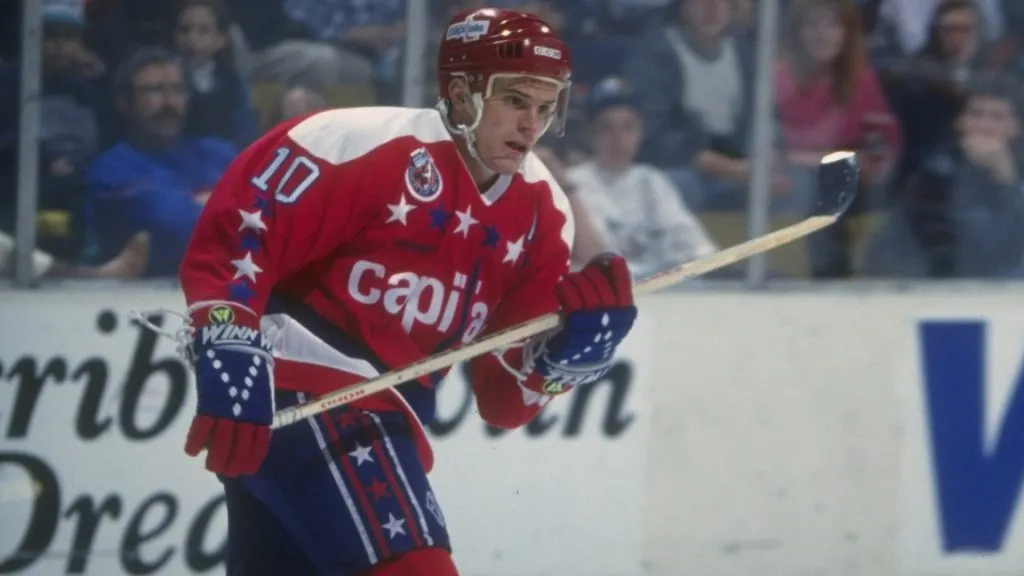
Kelly Miller (Source: Rick Stewart /Allsport)
In a league that often rewards offensive fireworks, Kelly Miller earned his reputation through quiet, defensive dedication. A key figure throughout the late 1980s and 1990s, he spent the vast majority of his career as a Capital, establishing himself as a reliable two-way winger who specialized in neutralizing opposing threats.
His true value, however, can be seen in his Selke Trophy nominations—a recognition of the league’s best defensive forward. His contributions weren’t always loud, but they were consistently effective; he was a relentless presence on the penalty kill and a master of the timely short-handed rush.
He stands as a prime example of the unsung hero who anchored the Capitals’ defense-first mentality during the team’s challenging years, finishing his career with a solid +71 plus/minus rating.
Mike Ridley
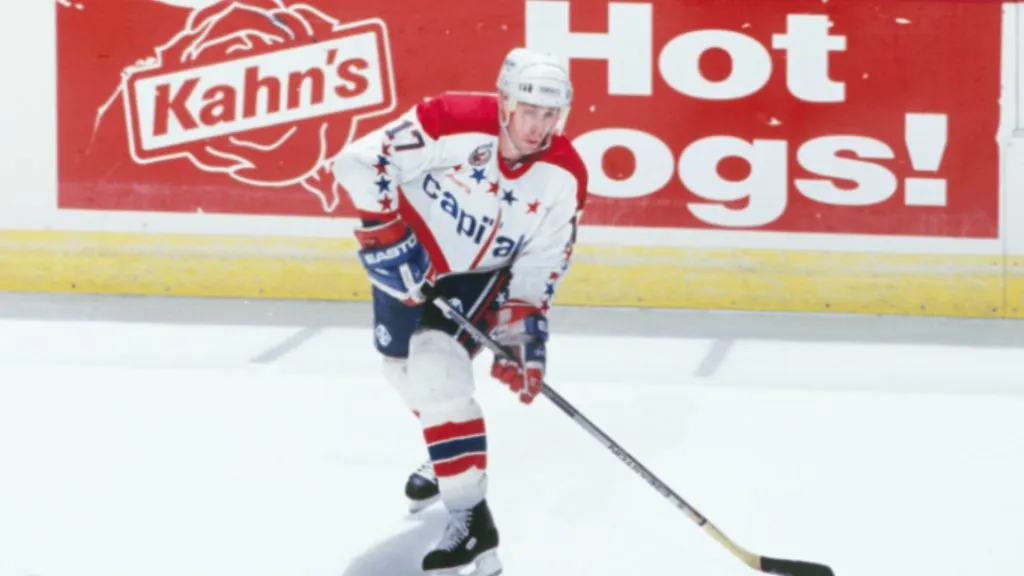
Mike Ridley (Source: NHL)
Mike Ridley was a scoring machine whose efficiency was almost unbelievable, routinely converting shots at a rate that far surpassed his peers. Arriving as an undrafted free agent, his success was built on hard work and an elite ability to finish plays, rather than raw offensive flash.
During his peak with Washington, he achieved an outstanding offensive season in 1988–89, hitting career highs with 41 goals and 89 points. He was a consistently strong two-way player who produced points at an elite level, racking up 547 points in 588 games as a Capital before his trade.
His career stands as a powerful testament to the scouting department finding top talent outside the draft and remains one of the most productive yet often overlooked centers in franchise history.
Dennis Maruk
Dennis Maruk (Source: The Celebrity Hockey Classic Series)
Long before Ovechkin was chasing Wayne Gretzky, there was Dennis Maruk, the diminutive center who delivered Washington’s first true taste of superstar scoring. Standing only 5’8″, he was often underestimated, but he possessed a knack for offense that helped drag the early Capitals out of their expansion malaise.
His 1981–82 season remains legendary: he tallied 60 goals and 76 assists for 136 points, marks that still stand as Washington Capitals single-season franchise records. This phenomenal 60-goal performance made him one of the premier offensive players in the NHL at the time.
Although his tenure preceded the team’s sustained playoff success, he was the initial offensive catalyst who gave Washington fans something to cheer about during the franchise’s formative, challenging years.
Sergei Gonchar
Sergei Gonchar (Source: Washington Capitals)
Sergei Gonchar was the transition point between the defensive-minded blueliners of the 1980s and the explosive offensive defensemen of the modern game. Drafted in 1992, the Russian defender spent a decade with Washington and established himself as a heavy-shooting, power-play specialist.
He was a key component of the Capitals’ offensive attack, particularly on the man-advantage, where his slap shot from the point was a constant threat. He ranks fifth all-time in scoring among Capitals defensemen, compiling 416 points in 654 games.
His consistently high level of production, including multiple 50-point seasons, helped set the stage for later offensive defensemen like Mike Green and John Carlson, truly cementing his role as a pioneering figure for the Caps’ blue line offense.
Yvon Labre
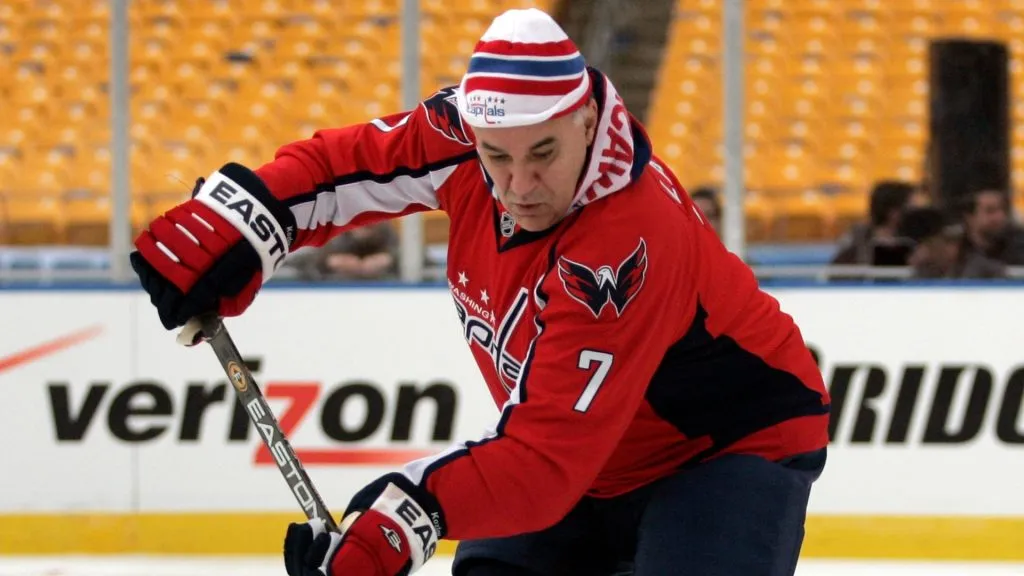
Yvon Labre (Source: Justin K. Aller/Getty Images)
The legacy of Yvon Labre cannot be measured purely in statistics; it is defined by grit, sacrifice, and his role as the soul of the expansion franchise. Selected in the 1974 Expansion Draft, he was one of the few players committed to the team during its historically awful inaugural seasons.
He scored the Capitals’ first-ever goal at the Capital Centre and served as team captain for two and a half seasons. A rugged, stay-at-home defenseman, he was the iron man who provided much-needed leadership and toughness.
He was the last of the original Capitals to retire with the team, and in a profound show of respect for his pioneering spirit, his number 7 was the first number ever retired by the franchise in 1981. He remains a symbol of the hard-fought beginnings of the Washington Capitals.
Don Beaupre
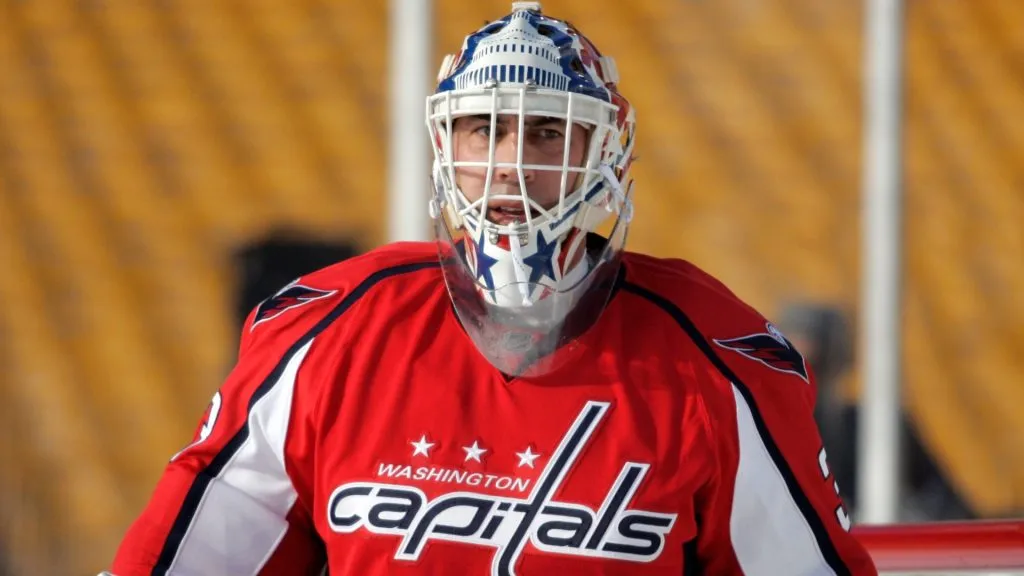
Don Beaupre (Source: Justin K. Aller/Getty Images)
Don Beaupre spent eight seasons (1989–1995) as Washington’s primary goaltender, serving as a reliable workhorse between the pipes during the franchise’s emergence as a sustained playoff presence. Though often battling an era of high-scoring offenses, he provided the steady, timely goaltending necessary for Washington to compete.
While never winning a Vezina, he logged an incredible number of minutes and games, retiring with over 666 career NHL games played. For the Capitals, he gave them a consistent starter throughout the 90s, offering stability in the position until the arrival of Olaf Kölzig.
His contributions are a testament to the hard-working goaltenders who carried the team through the crucial transition period from the Worst Show on Ice to a yearly postseason fixture.
Dino Ciccarelli
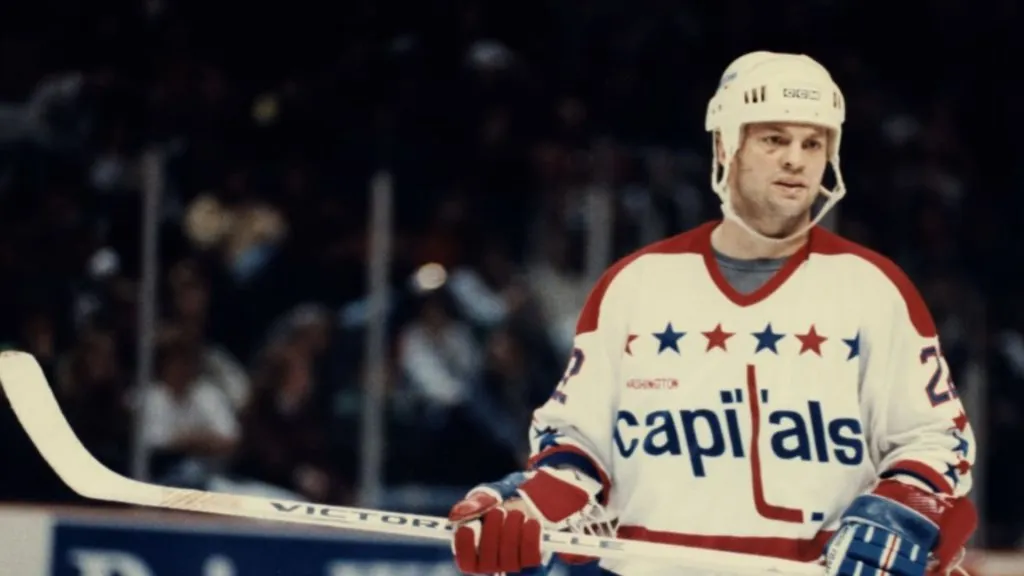
Dino Ciccarelli (Source: NHL)
Though his tenure in Washington lasted only three seasons (1989–1992), Dino Ciccarelli made an immediate and profound impact, maintaining his Hall of Fame-caliber goal-scoring prowess immediately upon arrival.
He was famously undrafted but went on to score over 600 career goals through sheer heart and unparalleled tenacity in the toughest area of the ice: the opposing crease.
Ciccarelli, acquired in the major trade that sent Mike Gartner out, continued to score at a high pace for the Caps, including a 41-goal season in 1989–90. His gritty, net-front style was exactly the type of playoff intensity the team needed at the time.
Despite the brief nature of his stay, he delivered on his reputation as a ferocious competitor, making him one of the most accomplished and tenacious goal-scorers ever to briefly wear the Capitals jersey.
T.J. Oshie
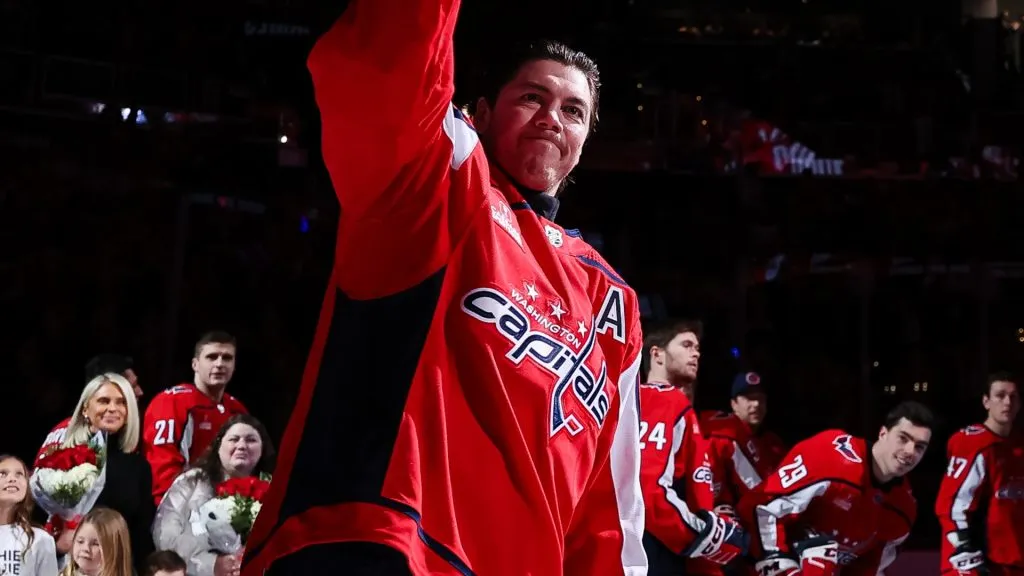
T.J. Oshie (Source: Scott Taetsch/Getty Images)
T.J. Oshie is the personification of heart and clutch performance for the Washington Capitals. Acquired in 2015, he instantly became an emotional lightning rod for the franchise, redefining the term “fan favorite.”
While he is an elite forward, his legacy is not simply built on point totals; it’s cemented by his willingness to take—and deliver—a massive hit, and his flair for turning pivotal moments into personal legend.
He arrived in Washington as a star but quickly evolved into the team’s indispensable warrior, known equally for his grin and his grit. His career arc will forever be intertwined with the Capitals’ 2018 Stanley Cup championship.
His ability to score critical goals—often in high-traffic, high-pressure situations—was instrumental in ending the franchise’s long drought. He has transitioned into the veteran guard alongside Alex Ovechkin, providing crucial leadership and a relentless defensive effort that continues to set the tone for the team.
His unique blend of talent, toughness, and emotional connectivity with the fanbase assures his place among the most iconic players to ever wear the Capitals crest.