

Iker Casillas sparked a massive debate during the 2026 World Cup by proposing a radical change to how matches are structured. While watching the tournament with the new cooling breaks, the former champion took note of how frequently players needed to stop for water in extreme weather conditions.
Posting his thoughts on X, the former Real Madrid star wrote, “Seeing the hydration breaks that are already becoming customary in matches, don’t you think that doing 4 periods of 25 minutes would be a good idea in soccer games?” This brief social media post quickly caught the attention of millions of fans.
He concluded his online thought by simply adding, “Just putting it out there.” This casual sign-off ignited a serious conversation about whether the traditional two halves of forty-five minutes are still practical for the modern era.
How long will a soccer game be with Casillas’ proposal?
Under the framework suggested by Casillas, the total active playing time on the clock would reach 100 minutes, which is slightly longer than the traditional 90-minute regulation format. However, when you factor in the three intervals between the four quarters, the actual duration on the pitch would feel much longer because stopping the clock or pausing the action.
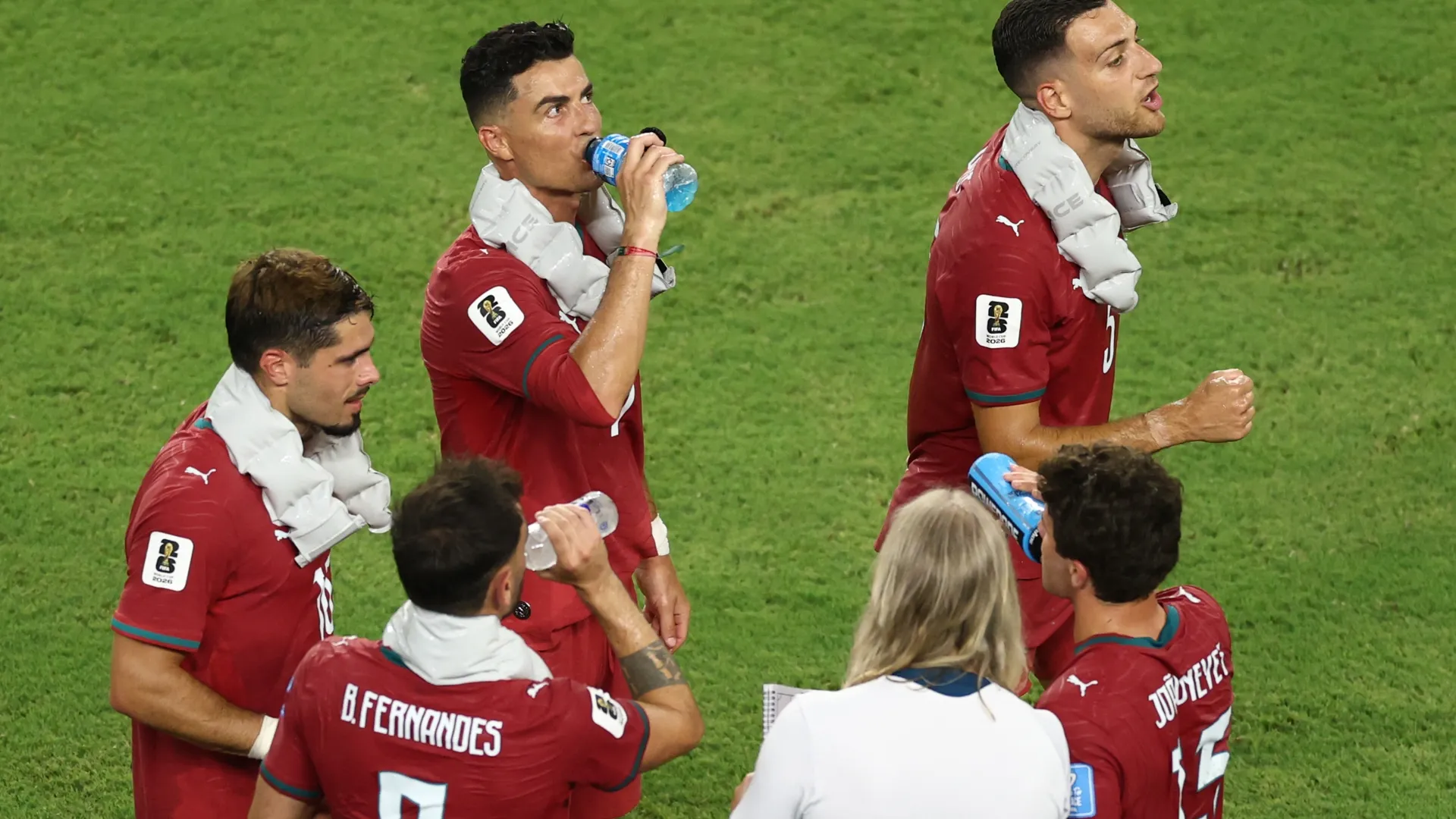
Portugal players durint the World Cup cooling break
FIFA’s newer cooling breaks add brief, frantic stops during high-heat tournament days, disrupting momentum without changing the official clock structure. Casillas’ format would formally build these rest periods into the rules, trading erratic injury-time additions and sudden climate pauses for predictable, structured quarters.

Is it possible that this will become a reality?
The absolute first step requires a formal proposal to be submitted to the International Football Association Board, known as IFAB, which is the independent body responsible for the laws of the game. If IFAB deems the concept worthy of discussion, they would first mandate years of private testing in youth tournaments or lower leagues to see how quarters affect player stamina and tactical flow.