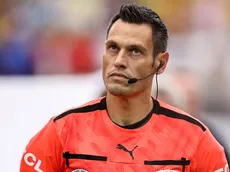
A common thread among several teams at the 2026 World Cup is the presence of players who represent a national team despite having been born in another country. Germany are no exception to this trend, although only one player in their 26-man roster was born overseas.
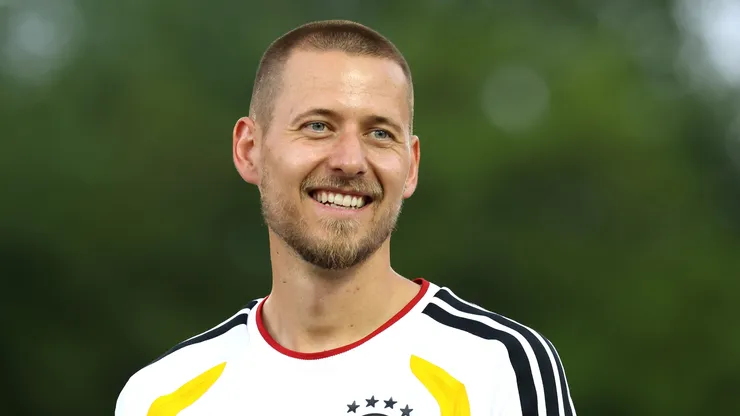
Of the players selected by Julian Nagelsmann and announced through FIFA’s official website, only Waldemar Anton was born outside German territory. The Borussia Dortmund defender was born in Olmaliq, Uzbekistan, but moved to Germany with his family at the age of two.
This four-time world champion fields a squad that blends youth and experience, with many players tracing their roots to different parts of the world. Germany, a perennial contender, are aiming to further cement their legacy by adding another title and strengthening their place among the most successful nations in World Cup history.
Germany players with foreign roots
The modern identity of the German national team is beautifully shaped by its multicultural backgrounds, a strength deeply embedded in its roster. Key figures bring diverse heritage to the squad: Jamal Musiala, born in Stuttgart to a British-Nigerian father and a German mother, spent his childhood in England before returning to the Bundesliga.
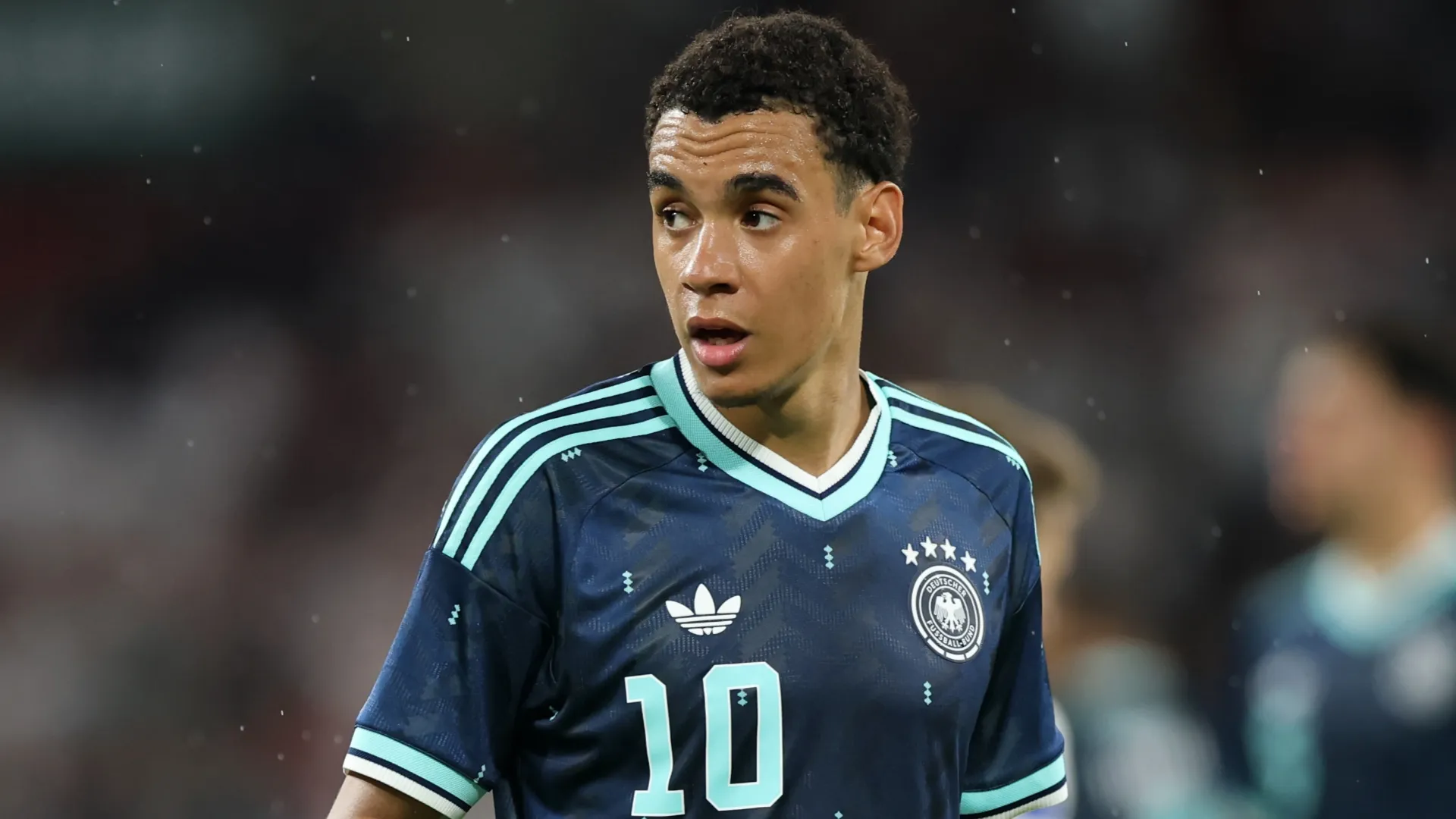
Jamal Musiala of Germany reacts during the International Friendly match.
Jonathan Tah anchors the defense from Hamburg, born to an Ivorian father and a German mother; Antonio Rüdiger, raised in Berlin, carries the resilient legacy of his mother, who fled the civil war in Sierra Leone; and Deniz Undav connects the team to Kurdish-Yezidi roots tied to Turkey.
Together, these unique life stories enrich the collective character of Die Mannschaft, proving that their multicultural heritage is one of their greatest competitive advantages on the global stage.
Germany chase the fifth star
Germany’s rich soccer history is defined by their four World Cup triumphs, each cementing the nation’s status as a global powerhouse. From the historic 1954 “Miracle of Bern” that inspired a rebuilding nation, to tactical masterclasses in 1974 and 1990, and finally the dominant, modern campaign of 2014, Die Mannschaft have consistently proven their elite status.
Defined by tactical discipline, resilience, and an unwavering winning mentality, Germany’s legacy of four stars remains a timeless gold standard in international soccer.