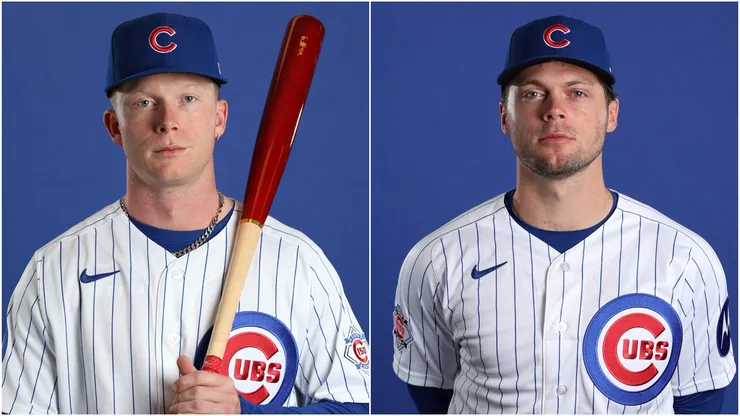
The Chicago Cubs have continued to make waves this offseason, finalizing major contracts for two of their top young players. Pete Crow-Armstrong officially signed a $115 million extension, while Nico Hoerner’s six-year, $141 million deal brings Chicago’s total offseason spending to nearly $488 million.
According to Bob Nightengale on X, “Anyone accusing the Chicago Cubs for ruining baseball? They have easily spent more money than any team in MLB this winter.” While the quote reflects chatter in the media, it underscores the scale of the Cubs’ commitment to their core roster.
The moves highlight Chicago’s strategy of locking in homegrown talent. Rather than importing high-priced free agents, the Cubs are doubling down on players developed within their system, creating a long-term foundation while entering the league’s high-spending conversation.
Cubs’ strategy and implications
Teams like the Los Angeles Dodgers were once criticized for big spending sprees. Now, with Chicago leading MLB in offseason spending, the Cubs face similar attention, but their focus is on locking in young talent like Crow-Armstrong and Hoerner to maintain roster continuity.
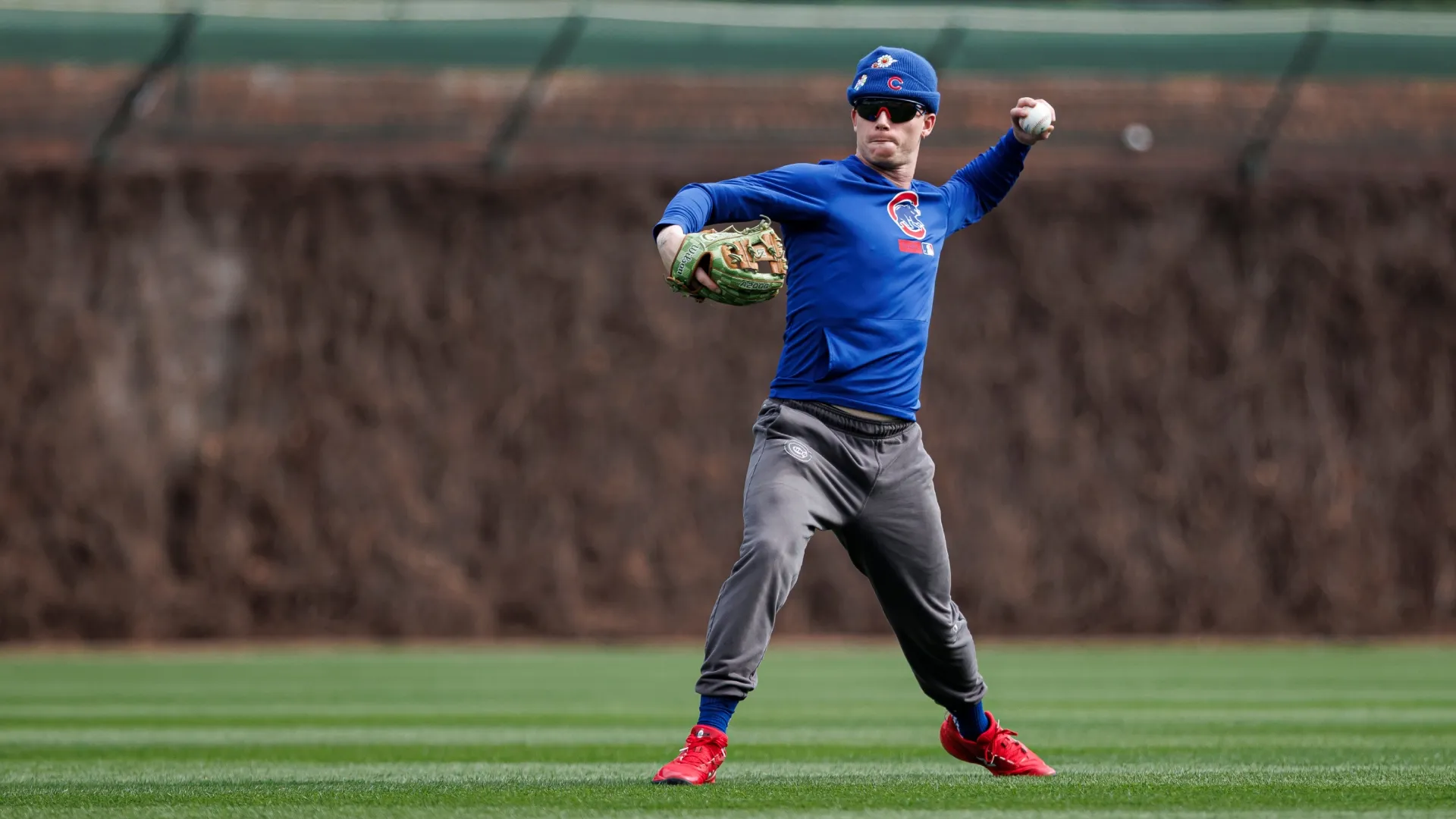
Pete Crow-Armstrong #4 of the Cubs warms up. Griffin Quinn/Getty Images
By prioritizing homegrown players over free-agent signings, the Cubs aim for long-term competitiveness while managing payroll growth. Crow-Armstrong and Hoerner are central to this plan, providing stability and star potential for seasons to come.

What this means for MLB
Chicago’s contracts highlight the team’s serious approach to contending. Unlike teams relying heavily on free agents, the Cubs show a model of investing in talent developed internally.
SurveyWhich Cubs offseason move will have the biggest impact?
Which Cubs offseason move will have the biggest impact?
ALREADY VOTED 0 PEOPLE
With Crow-Armstrong and Hoerner secured, Chicago blends youth and financial flexibility, setting an example other teams may consider as the 2026 season unfolds.