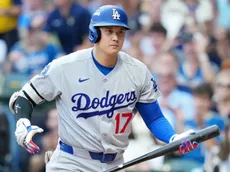
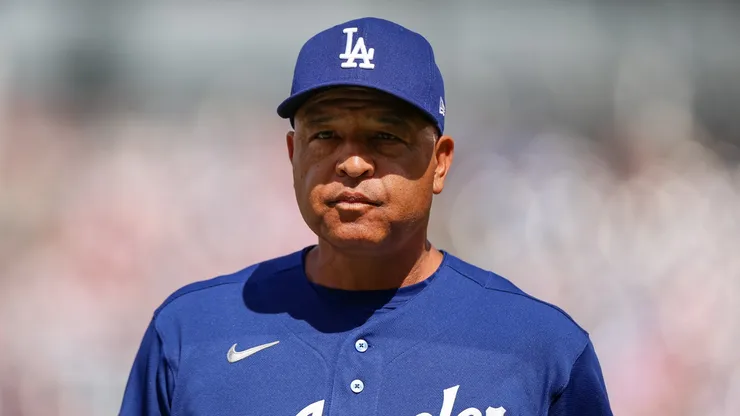
Dave Roberts holds a significant advantage on his roster with Shohei Ohtani, given his ability to contribute both as a pitcher and a hitter. However, Craig Counsell has taken issue with that flexibility, particularly with the special rule tied to Ohtani, which he described as “bizarre.”
Roberts responded indirectly to Counsell’s comments, saying: “The thing is it certainly benefits us because we have the player… We’re more than willing for other teams to go out and find a player who can do both. He’s an exception because he’s an exceptional player. It is what it is.”
Roberts’ remarks were shared by Fabian Ardaya, who asked the Los Angeles Dodgers manager about Counsell’s earlier comments ahead of a game in Los Angeles. Counsell had not only labeled the “Ohtani rule” as bizarre, but also questioned his understanding of it, suggesting it creates a notable advantage for the Dodgers.
What Counsell said about the Ohtani rule
For Counsell, the rule gives teams like the Dodgers a unique edge when they have a player like Ohtani, allowing him to contribute both offensively and defensively under special conditions. However, the rule is not exclusive to Los Angeles, as any team can benefit from it if they roster a qualifying two-way player, such as Shota Imanaga for the Cubs.
“I’ve never understood it,” Counsell said. “It’s an offensive rule, essentially. It’s a rule to help offense, more than anything, if you ask me. And then there’s one team that’s allowed to carry basically one of both, and he gets special consideration, which is probably the most bizarre rule. For one team.”

MLB’s two-way player rule allows versatile players like Ohtani to pitch and hit without taking up a traditional pitcher roster spot. To qualify, a player must log at least 20 innings pitched and appear in at least 20 games as a hitter with three or more plate appearances over the current or previous two seasons. This designation effectively gives teams added roster flexibility when deploying elite two-way talent.