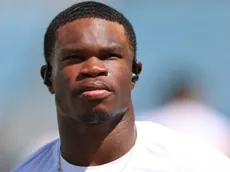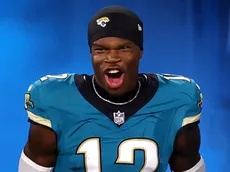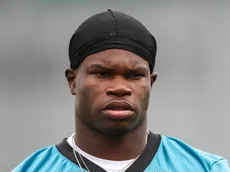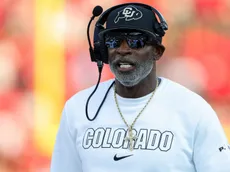
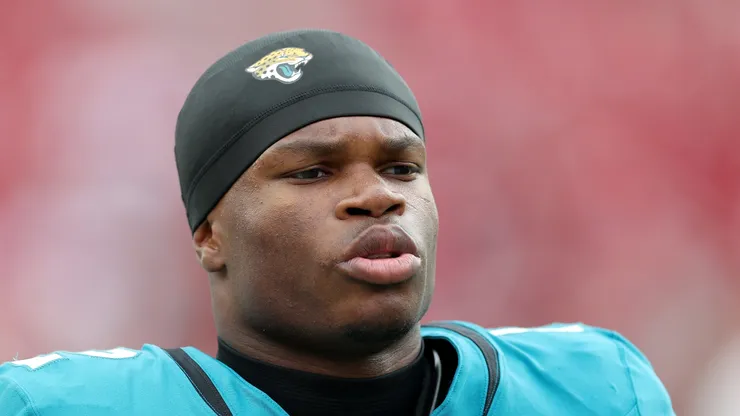
The Jacksonville Jaguars appear to have reached a definitive conclusion on how they will use Travis Hunter in his second year in the league. After entering the NFL as one of the most intriguing dual-threat prospects following his dominance at Colorado, the Jags are now expected to narrow his responsibilities.
While the initial plan left the door open for both wide receiver and cornerback snaps, the latest reporting suggests the team believes a full-time defensive role is the most sustainable path forward. According to Ian Rapoport, the decision also aligns with Hunter’s recovery timeline as he works his way back from a right knee LCL injury.
“Travis Hunter is doing exceptionally well from that LCL tear. He has been running. They really do believe he’ll be fully healthy by training camp, but, when he comes back, they expect him to be a full time cornerback, part time receiver.”
Jaguars make final decision on Travis Hunter
The update effectively signals the end of the true two-way experiment with Travis Hunter, at least for now. Jacksonville had explored a rotational workload that would allow Hunter to contribute offensively in packages, but the physical toll and developmental priorities have pushed the coaching staff toward a more traditional role.
With training camp approaching, the expectation is that Hunter’s primary focus will be mastering coverage responsibilities, while any offensive usage becomes situational rather than foundational. For example, gadget plays.
Jaguars face criticism after Travis Hunter role decision
The reported plan has already fueled criticism toward general manager James Gladstone, particularly because of the aggressive move Jacksonville made to secure Hunter.
The Jaguars traded with the Cleveland Browns to climb to the No. 2 overall pick in 2025, surrendering significant capital that included their 2026 first-round selection. That type of investment typically signals a franchise cornerstone expected to impact multiple phases immediately.
If Hunter ultimately plays almost exclusively at cornerback, evaluators argue the value proposition becomes more complicated. His uniqueness as a two-way star was a major part of his appeal, and limiting him defensively could make the trade package appear steep in hindsight. While elite cornerbacks still carry premium value, critics believe the Jaguars effectively paid a dual-threat price for a single-position player.