
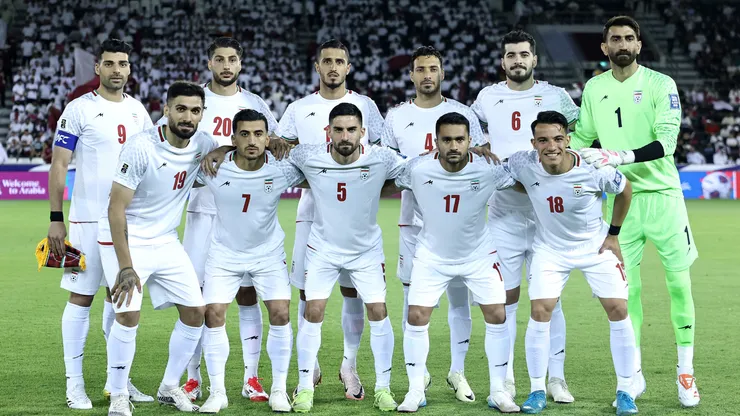
Amid rising geopolitical tensions in the Middle East, there has been intense speculation regarding Iran’s participation in the 2026 World Cup, which is set to be co-hosted by the United States, Mexico, and Canada. While the Iranian national team has confirmed it will compete in the tournament, it has done so under the strict condition that it will not play any matches on U.S. soil.
“We will prepare for the World Cup. We will boycott the United States, but not the World Cup itself,” stated Mehdi Taj, President of the Iranian Football Federation, in a video released by the Fars News Agency.
This ultimatum creates a massive logistical hurdle for FIFA, as the official tournament schedule and venues have been finalized for months. According to the current Group G draw, Iran are scheduled to play their opening matches against New Zealand and Belgium in Los Angeles, followed by a final group-stage clash against Egypt in Seattle.
Iran want to play their games in Mexico
Iran have formally proposed relocating their Group G matches from the United States to Mexico for the 2026 World Cup. The proposal gained significant traction after Mexican President Claudia Sheinbaum expressed openness to the idea during her daily press conference.
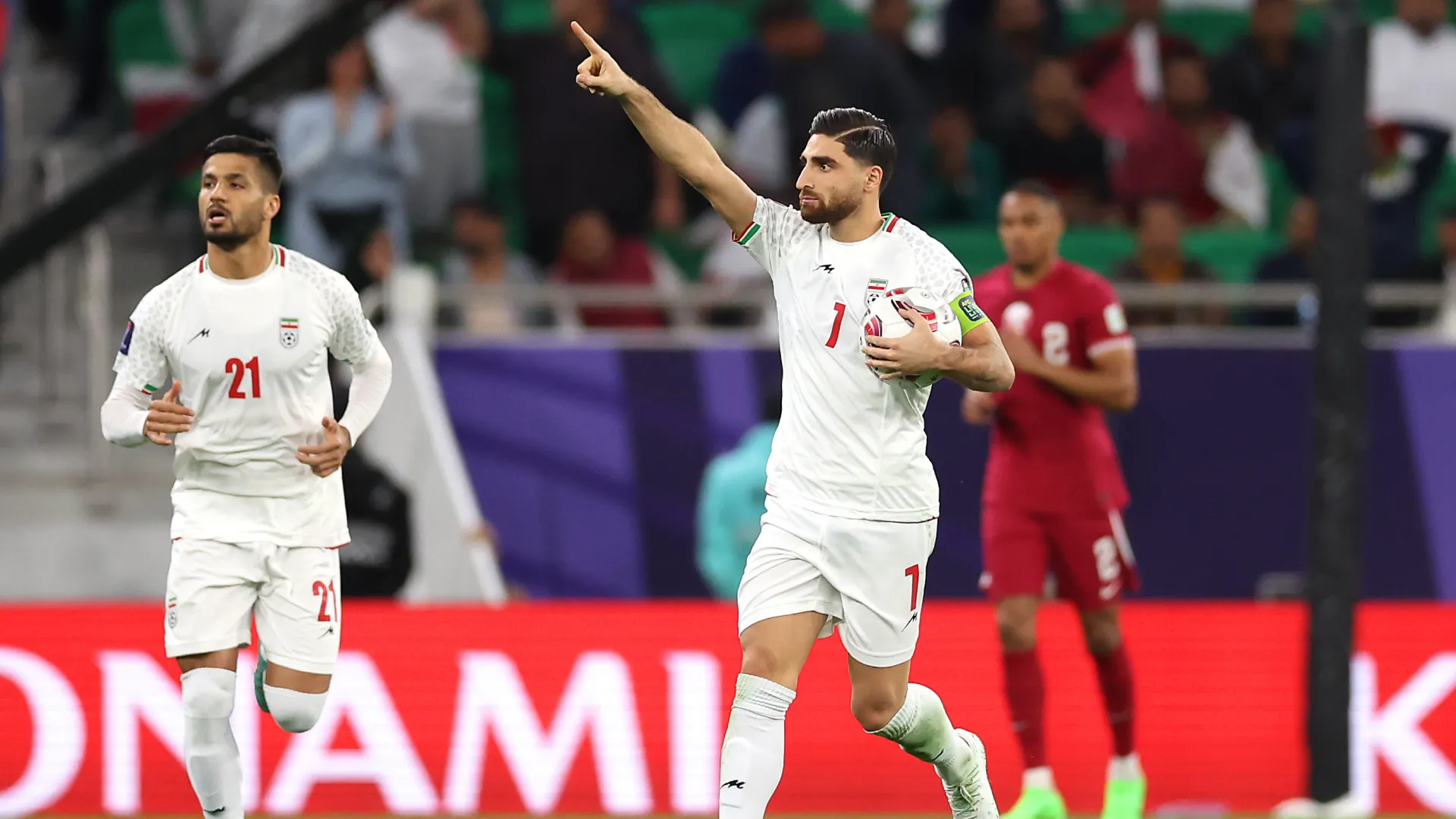
Alireza Jahanbakhsh of Iran celebrates scoring vs Qatar. (Getty Images)
Sheinbaum confirmed that Mexico maintains diplomatic ties with all nations and would be prepared to host the fixtures if FIFA determines it is logistically feasible. “Mexico maintain diplomatic relations with every country in the world, so we’ll wait and see what FIFA decides,” she stated.
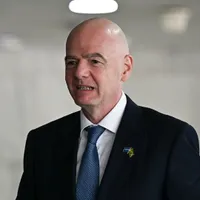
How could Iran’s request affect the organization?
The logistical implications of Iran’s request are immense, especially considering that the 2026 World Cup is less than 100 days away. Moving Iran’s matches would not only affect the Iranian squad but would also force their Group G opponents—New Zealand, Belgium, and Egypt—to completely overhaul their travel and training plans.
This creates a unique set of complications because no Group G matches are currently scheduled to take place in Mexico. In fact, while some of the group’s fixtures are set for Vancouver, Canada (specifically New Zealand’s matches against Belgium and Egypt), the rest are anchored in the United States.
Relocating these games would trigger a major logistical disruption. Beyond the obvious issues with ticket distribution and venue availability, it would jeopardize the organized structure for team training camps, transportation, security protocols, and commercial operations—all of which have been locked into a finalized schedule since December 2025.