
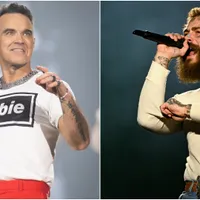
Post Malone, Robbie Williams and Nicole Scherzinger are some of the artists who will be part of the 2026 FIFA World Cup Final closing ceremony, but questions remain about the financial side of the highly anticipated performance.
The closing ceremony will bring together some of the biggest names in music before the World Cup champion is crowned, creating one of the most watched entertainment moments of the tournament.
With millions expected to watch worldwide, the appearance of these artists has raised questions about compensation, previous FIFA events and the unique opportunity that comes with performing on soccer‘s biggest stage.
Are the 2026 FIFA World Cup Final performers being paid?
No, FIFA does not pay performers a traditional appearance fee for its World Cup ceremonies, with artists typically taking part for the global exposure and promotional value that comes with performing on soccer’s biggest stage.
Post Malone, Robbie Williams, Nicole Scherzinger and the other artists involved, like Tom Cruise and Jennifer Hudson, in the 2026 FIFA World Cup Final closing ceremony are expected to follow the same model used in previous FIFA events.
The event reaches audiences across the world and gives artists the opportunity to promote their music, expand their international reach and connect with millions of viewers in one of the most visible moments in sports.
While FIFA has not released individual agreements with each artist, the organization’s World Cup ceremonies have historically been built around the idea of worldwide exposure rather than traditional concert-style payments.