
The 2026 FIFA World Cup will not only bring a historic 48-team format to the United States, Mexico and Canada — it will also introduce several nations to soccer’s biggest stage for the very first time.
Countries such as Uzbekistan, Jordan, Curaçao and Cape Verde have officially secured their place in the tournament, turning years of near-misses and underdog runs into historic breakthroughs.
With the World Cup expanding for the first time in history, FIFA has opened the door for emerging soccer nations to challenge the traditional powers. Now, these debutants will have the opportunity to test themselves against the world’s elite.
Which teams are set to make their World Cup debut in 2026?
Four countries are set to make their FIFA World Cup debuts in 2026, and each nation has already learned its group-stage opponents. Following the official FIFA World Cup draw, the debutants landed in challenging groups:
- Uzbekistan — Group K | Uzbekistan was drawn alongside Portugal, Colombia and Congo DR. The Central Asian side will face one of the toughest tests among the debutants, especially against Cristiano Ronaldo’s Portugal and a talented Colombian squad.
- Jordan — Group J | Jordan will compete against Argentina, Algeria and Austria in Group J. Lionel Messi’s Argentina immediately became the headline matchup for the Asian nation’s historic first World Cup appearance.
- Curaçao — Group E | Curaçao was placed in Group E with Germany, Ecuador and Ivory Coast. The Caribbean side became one of the biggest stories of CONCACAF qualifying and will now face four-time world champion Germany in its World Cup debut.
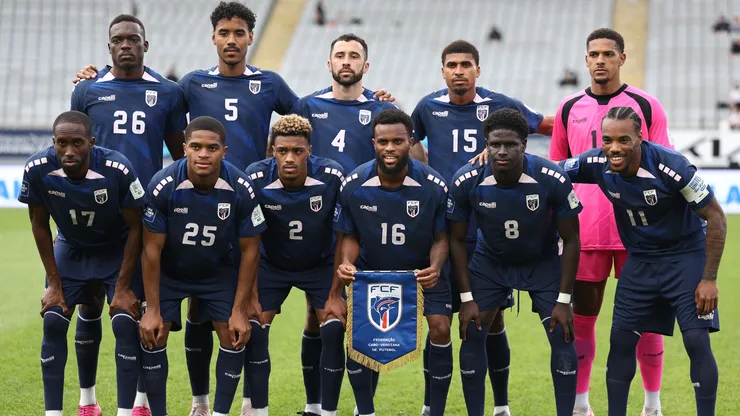
- Cape Verde — Group H | Cape Verde landed in Group H alongside Spain, Uruguay and Saudi Arabia. The African nation’s opening tournament could feature one of the most difficult defensive assignments in the competition against Spain’s attacking stars.
Why are more countries qualifying for the 2026 World Cup?
More countries are qualifying for the 2026 FIFA World Cup because FIFA expanded the tournament from 32 teams to 48 teams. The new format creates 16 additional spots, giving smaller and developing soccer nations a better opportunity to qualify.

Dostonbek Khamdamov of Uzbekistan and Kelvin Pires of Cape Verde (Source: Anvar Ilyasov/Phil Walter — Getty Images)
The expansion was officially approved by FIFA to increase global representation and make the tournament more inclusive across every confederation. As a result, regions such as Asia, Africa and CONCACAF received more direct qualification spots than in previous World Cups.
Under the old 32-team system, countries like Uzbekistan and Jordan repeatedly fell short despite competitive qualifying campaigns. The expanded format changed the qualification landscape significantly, allowing more nations outside the traditional soccer powers to reach the tournament.
The new structure is also expected to increase global television audiences, commercial revenue and interest in soccer development worldwide. FIFA believes the format will help emerging soccer nations gain valuable international experience while growing the sport in new markets.
Which confederation has the most debut teams in 2026?
The Asian Football Confederation (AFC) currently has the most World Cup debut teams in 2026. Jordan and Uzbekistan both qualified for their first-ever FIFA World Cup, giving Asia two debutants in the tournament.
CONCACAF and CAF each have one debut nation so far. Curaçao qualified through CONCACAF, while Cape Verde secured its historic berth through African qualifying. Asia benefited heavily from the expanded 48-team format.
The AFC’s growing depth has become increasingly noticeable over the last decade, with nations such as Jordan, Iraq and Uzbekistan consistently challenging traditional regional powers like Japan, South Korea, Saudi Arabia and Iran.
Has any debut nation ever made a deep World Cup run?
Yes! Several nations have made surprising deep runs during their first FIFA World Cup appearance. The most famous example is Croatia, which finished third in its debut tournament in 1998.
Croatia shocked the soccer world during the 1998 World Cup in France by defeating Germany in the quarterfinals before reaching the semifinals. Led by Davor Suker, the team eventually secured third place.
Other nations have also impressed during their first appearances. Senegal reached the quarterfinals in 2002 after defeating defending champion France in the opening match, while Wales advanced to the quarterfinals in its first World Cup appearance back in 1958.
More recently, Iceland became one of the biggest stories of the 2018 World Cup despite being tournament newcomers. Although they did not make a deep run, their draw against Argentina became one of the most memorable moments of that tournament.
Which World Cup debutant has the best FIFA ranking?
Uzbekistan is the highest-ranked team in the FIFA World Ranking, sitting 57th place globally according to FIFA’s official standings. They entered as the strongest-ranked newcomer after several years of steady improvement.
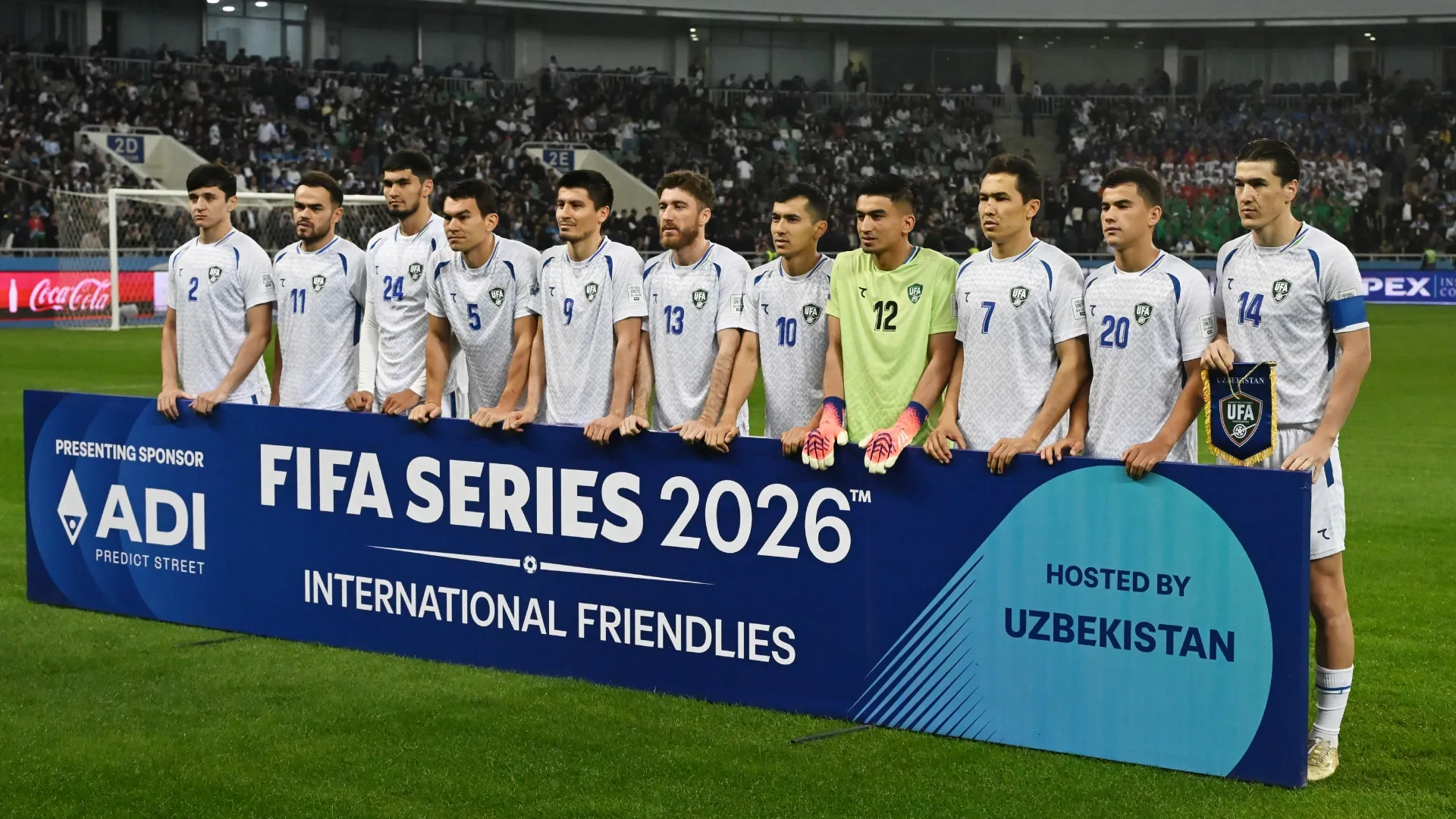
Players of Uzbekistan pose for a team photo prior to an international friendly match in 2026 (Source: Anvar Ilyasov/Getty Images)
Their rise has been driven by a talented generation that includes Roma captain Eldor Shomurodov and Manchester City defender Abdukodir Khusanov. The country has also enjoyed strong results in youth competitions.
Behind them, Jordan is ranked 63rd in the world, reflecting an impressive qualification campaign under head coach Jamal Sellami. where they managed to outperform several higher-ranked Asian teams.
Next is Cabo Verde, placed 69th in the FIFA Ranking, marking one of the biggest success stories in African soccer after securing a historic qualification through a strong and disciplined qualifying run.
Finally, Curaçao sit 82nd in the world rankings, making them the lowest-ranked of the four debutants, although they still arrive unbeaten in key stages of CONCACAF qualifying and as the smallest nation ever to reach a World Cup.
How does the new 48-team World Cup format work?
The 2026 FIFA World Cup will feature 48 teams divided into 12 groups of four teams each. The top two teams from every group, along with the eight best third-place teams, will advance to the knockout stage.
The tournament will now include 104 matches instead of 64, making it the largest World Cup in history. The competition will be hosted across the United States, Mexico and Canada between June and July 2026.
Unlike the initially proposed three-team groups, FIFA ultimately decided to keep four-team groups to preserve competitive balance and avoid controversial scenarios during the group stage.
The knockout rounds will begin with a new Round of 32 before continuing to the Round of 16, quarterfinals, semifinals and final. This means teams reaching the championship match will now need to win eight games instead of seven.