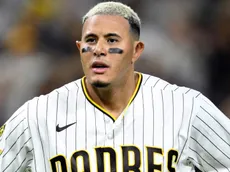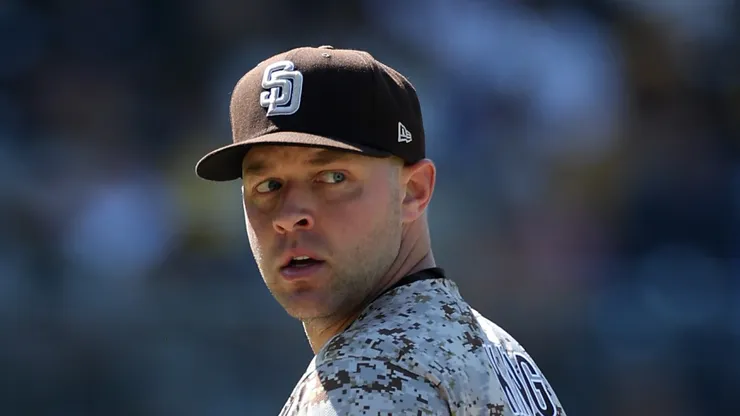
Michael King was recently announced as the latest addition to the San Diego Padres, or rather, a returning star, surprising many who expected him to sign with the New York Mets. According to MLB reporter Michael Marino, the move to New York likely fell through due to the complexities of his contract rather than the total price tag.
“On Michael King and the Mets: lots of risk signing a QO (Qualifying Offer) player who could opt out after 1 year. I don’t think it was the AAV (Average Annual Value) that was the problem; it was the structure,” Marino wrote on X, highlighting how the contract’s potential for a quick exit made it a risky investment for the Mets.
Marino is one of the few to articulate this specific structural hurdle. Many fans were left scratching their heads, as King seemed to be a primary target for the Mets’ front office. “A bit confusing. The Mets were reportedly in on Michael King, and the three-year, $75 million deal exactly fits the David Stearns strategy,” reported SleeperMets on X.
What would King have brought to the Mets?
Last season, King made 15 starts for the Padres, posting a 3.44 ERA and finishing the regular season with a 5-3 record. His season was unfortunately limited by injuries, specifically a nerve issue in his shoulder. This history of injury means that had he joined the Mets, his availability for the full 2026 season would have remained a question mark.
Fuck it Michael King NL Wildcard Game 1 highlights 🔥🔥🔥🔥🔥🔥🔥🔥🔥🔥🔥🔥 pic.twitter.com/XsqjmP45ca
— Austin 2.0 (encrypted) 🌞 (@2Baja2Blessed) December 19, 2025
Beyond his performance on the mound, King would have brought “inside intel” to the Mets. Having pitched for the New York Yankees from 2019 to 2023, his familiarity with the Bronx Bombers would have given the Metropolitans a strategic edge in the cross-town rivalry.
Could the Mets have afforded him?
The financials suggest that money wasn’t the issue. David Stearns recently signed Sean Manaea to a very similar $75 million contract. Manaea signed with the Mets at age 33, while King is three years younger and signed for the exact same amount to return to the Padres. Clearly, the budget was there; the “deal-breaker” for Stearns was likely the risk associated with King’s potential to opt out after just one season.