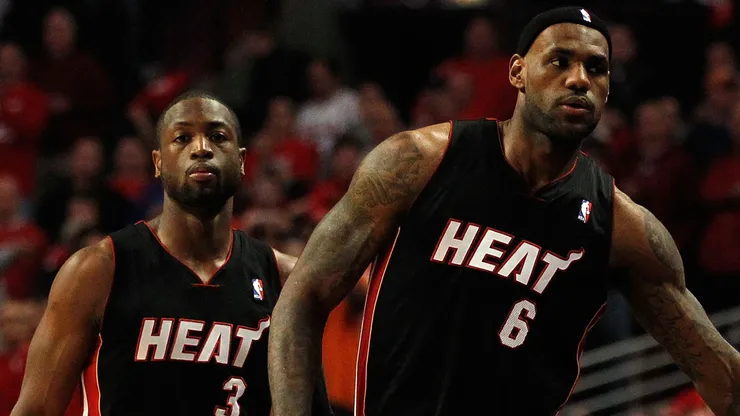
The Miami Heat franchise, born in the crucible of Pat Riley‘s demanding “Heat Culture”, has been home to a captivating mix of Hall of Fame talent and homegrown heroes. Across three championships, the South Beach roster has seen giants of the game step onto the court.
The depth of greatness is remarkable, extending from the initial expansion building blocks to modern playoff warriors. From the pioneering big men to the blue-collar veterans who embodied the team’s ethos and defined the culture in the late 90s.
Through NBA eras marked by dominance, heartbreak, and reinvention, their identity has remained unmistakable — a blend of discipline and flair that mirrors the city itself. The names have changed, but the standard has not: excellence.
Dwyane Wade

Dwyane Wade (Source: Marc Serota/Getty Images)
The undisputed patron saint of Miami basketball, Dwyane Wade embodies the “Heat Culture” perhaps more than any other player. His legacy isn’t just built on leading the franchise in virtually every major statistical category—it’s built on signature moments.
He delivered the organization’s first championship in 2006 with an almost mythic Finals performance, a heroic run that etched his name into the city’s lore. Later, he made the ultimate sacrifice, willingly stepping back to become the secondary star alongside LeBron James and Chris Bosh, enabling the formation of a dynasty that yielded two more titles.
Wade’s tireless motor, elite two-way play, and flair for the dramatic made him the heart of the franchise for well over a decade, leaving a legacy of fierce competitiveness and unwavering loyalty that remains unmatched.
LeBron James
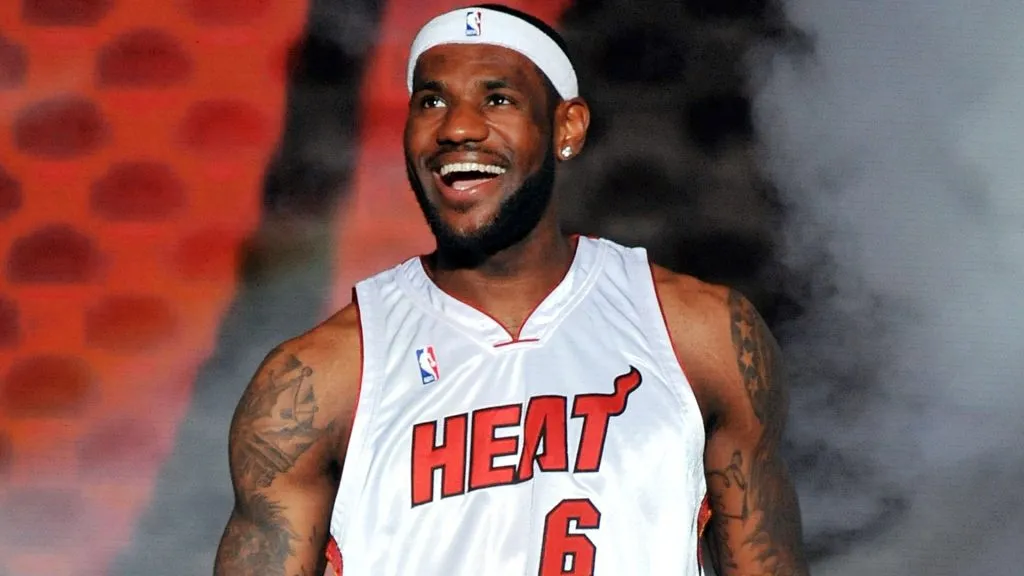
LeBron James (Source: Doug Benc/Getty Images)
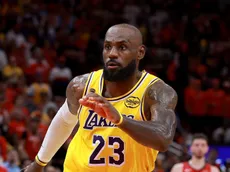
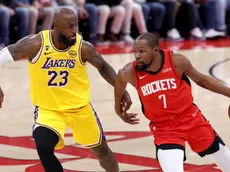
While his tenure was brief, LeBron James’ four seasons in Miami were nothing short of a basketball supernova. His arrival in 2010 immediately transformed the Heat into an NBA Finals lock, leading the team to four straight championship appearances.
During this period, he was arguably at the peak of his physical and mental powers, earning two NBA championships and back-to-back MVP awards in 2012 and 2013.
The King elevated the level of play in South Beach to unprecedented heights, demonstrating a combination of physical dominance and basketball IQ that cemented his place among the all-time greats. His time in Miami was a masterclass in efficiency and power, delivering the dynasty the city craved and fundamentally changing the landscape of the modern NBA.
Shaquille O’Neal
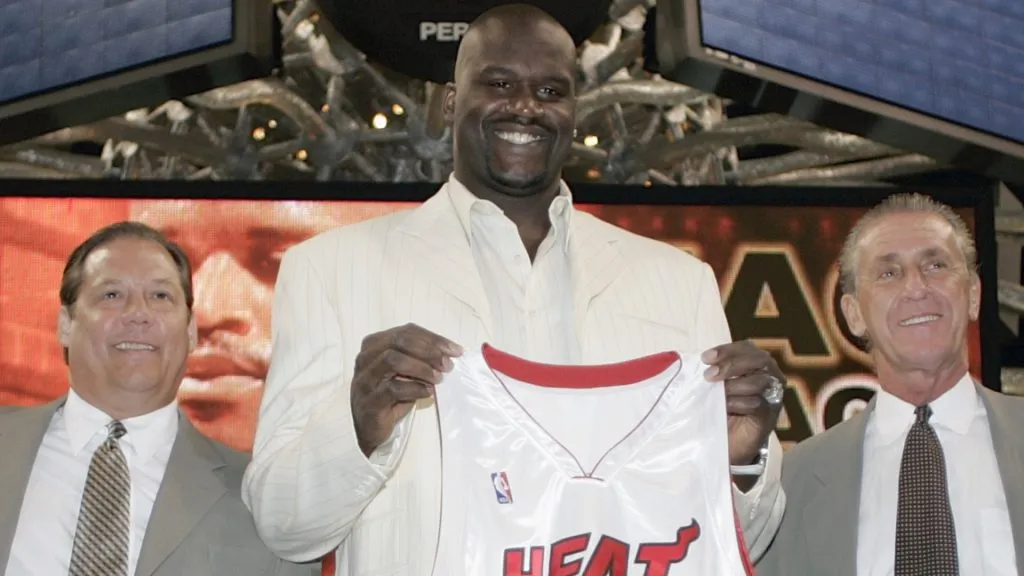
Shaquille O’Neal (Source: Eliot J. Schechter/Getty Images)
Shaquille O’Neal’s move to Miami in 2004 was a seismic shift that instantly injected championship pedigree into the franchise. Though he was no longer the dominant offensive force of his earlier years, the gravity Shaq commanded in the paint was the essential ingredient that turned a promising young team into champions.
He served as the ultimate superstar co-pilot to the young Dwyane Wade, with his colossal presence forcing double teams and freeing up space for Wade’s relentless drives.
He was the enforcer and the personality—the larger-than-life figure who provided the needed veteran leadership and swagger to secure the franchise’s first title in 2006. His brief but impactful run secured his spot as the legendary big man who put the Heat over the top.
Alonzo Mourning
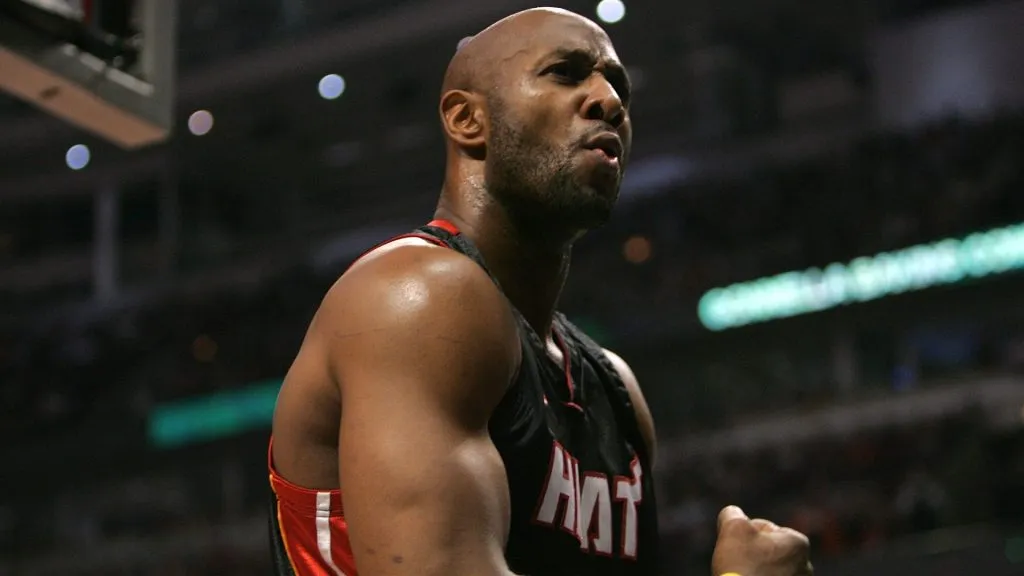
Alonzo Mourning (Source: Jonathan Daniel/Getty Images)
Long before the flash of the “Big Three,” Alonzo Mourning built the unbreakable bedrock of Heat Culture through sheer grit and ferocious defense. As the anchor of Pat Riley’s hard-nosed teams in the late 1990s, he was a two-time Defensive Player of the Year, a relentless shot-blocker and a physical presence who defined the franchise’s identity.
His story of returning to the court after a life-threatening kidney disease and later winning a championship in a backup role in 2006 serves as one of the most powerful tales of perseverance in sports history. ‘Zo’s legacy is synonymous with the Heat’s blue-collar work ethic, making his retired jersey number a tribute to tenacity itself.
Jimmy Butler
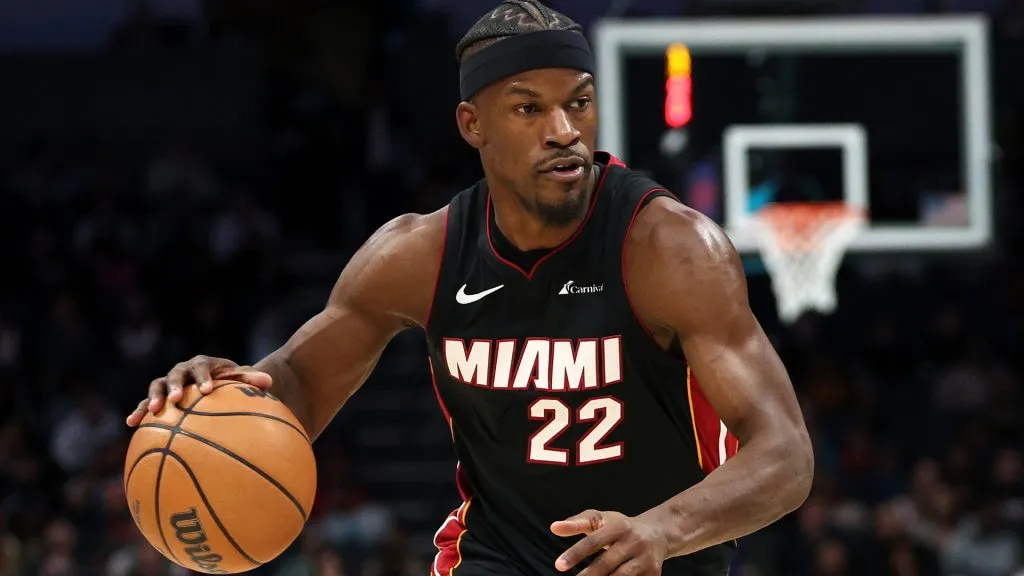
Jimmy Butler (Source: Jared C. Tilton/Getty Images)
Jimmy Butler arrived in Miami and immediately became the embodiment of its win-at-all-costs mentality. He thrived on being the underdog, transforming into the legendary “Playoff Jimmy” when the stakes were highest.
He has almost single-handedly dragged the Heat to two NBA Finals appearances (2020 and 2023) as a lower seed, delivering historic clutch performances that defied conventional wisdom.
For example, during the 2020 Bubble playoffs, he dramatically ramped up his production and intensity. His relentless work ethic and demanding leadership, though occasionally challenging, perfectly aligned with the organization’s high standards, making him a central figure in the modern history of the franchise’s improbable playoff runs. His exit to the Golden State Warriors in February 2025 wasn’t pretty, but Butler still wrote important chapters during his time with the Heat.
Chris Bosh
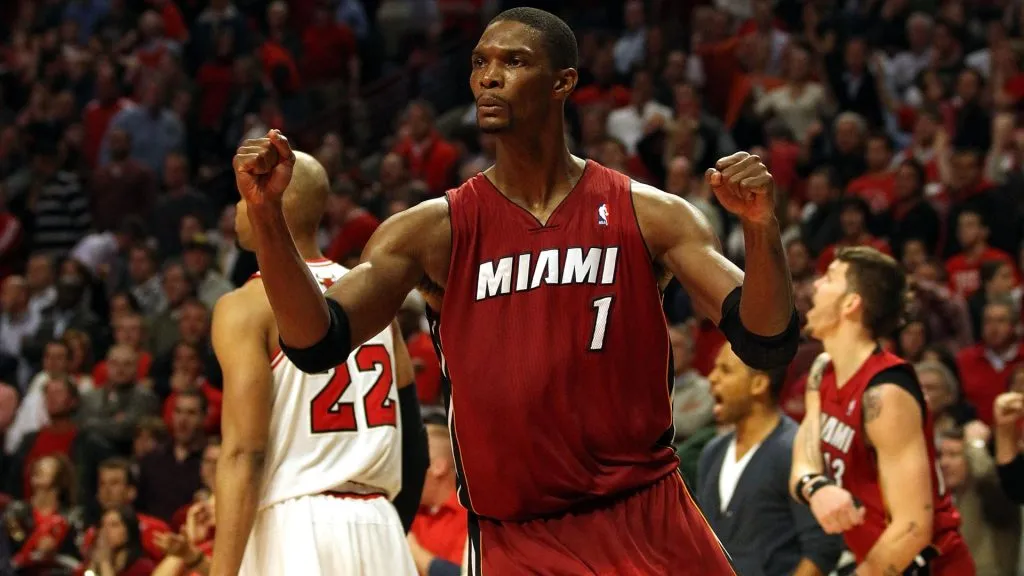
Chris Bosh (Source: Jonathan Daniel/Getty Images)
The linchpin of the Heat dynasty often receives less fanfare, but Chris Bosh was arguably the most crucial piece of the Big Three puzzle. Arriving in Miami as a dominant number one option, he willingly and intelligently reinvented his game to fit alongside LeBron James and Dwyane Wade. He sacrificed scoring volume to become an elite floor-spacer, developing a reliable three-point shot and using his athleticism as a defensive anchor.
This unique combination—a Hall of Fame talent playing the crucial role of a third option—provided the spacing and versatility that made the two championship teams nearly unbeatable. His defining legacy is one of selflessness and adaptability, proving that an adjusted role can still lead to ultimate glory and a spot in the Naismith Hall of Fame.
Bam Adebayo
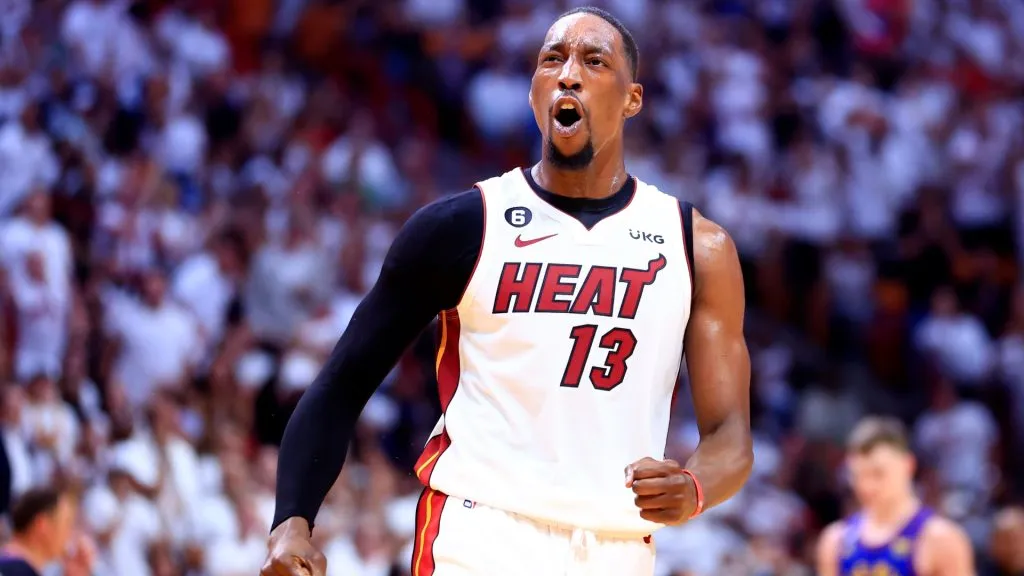
Bam Adebayo (Source: Mike Ehrmann/Getty Images)
As the current torchbearer of “Heat Culture,” Bam Adebayo represents the evolution of the Miami center: a defensive behemoth fused with a primary offensive creator. His most exceptional skill is his positional versatility on defense, where he can seamlessly guard all five positions on the floor, making him a cornerstone of the team’s top-tier defensive schemes.
Offensively, he’s not just a low-post scorer; he acts as an offensive “hub,” initiating plays and functioning as a high-post playmaker, often grabbing a defensive rebound and pushing the ball upcourt himself. This rare skill set makes him indispensable. His continued growth is what keeps the Heat competing at an elite level, solidifying him as one of the great two-way foundational talents in franchise history.
Tim Hardaway
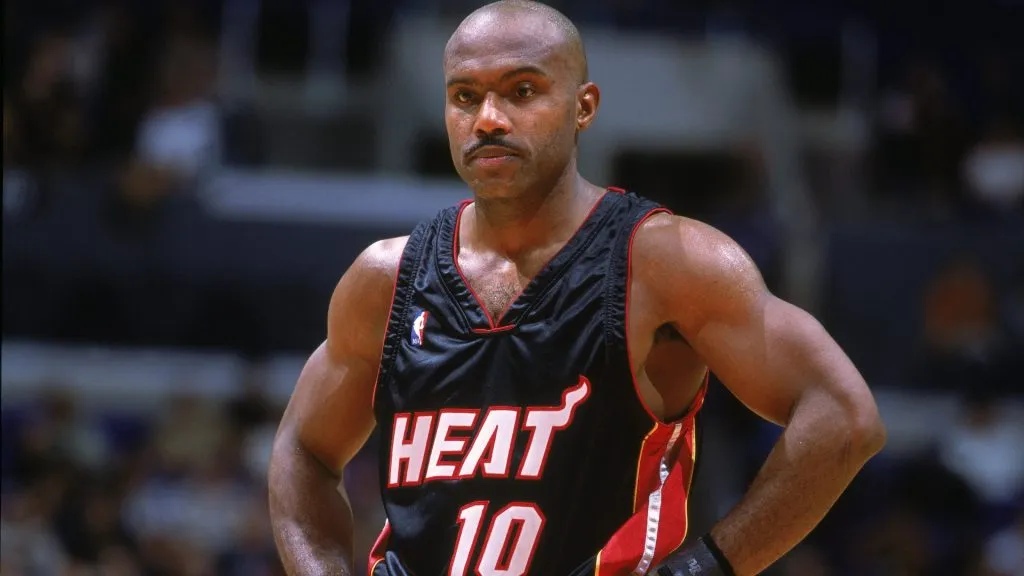
Tim Hardaway (Source: Harry How /Allsport)
Tim Hardaway was the original floor general who changed the culture long before the modern era. When he arrived in 1996, the diminutive point guard brought an unprecedented level of toughness, swagger, and clutch play that perfectly matched Pat Riley’s vision.
His lightning-quick “killer crossover” not only earned him multiple All-Star and All-NBA selections while in Miami but also anchored the franchise’s first sustained period of success in the late 90s, where they became perennial contenders against the New York Knicks.
He was the indispensable engine of those physical, defensive-minded teams, proving that heart and tenacity could trump size. His legacy is that of the uncompromising leader who first taught the Heat how to win big.
Glen Rice
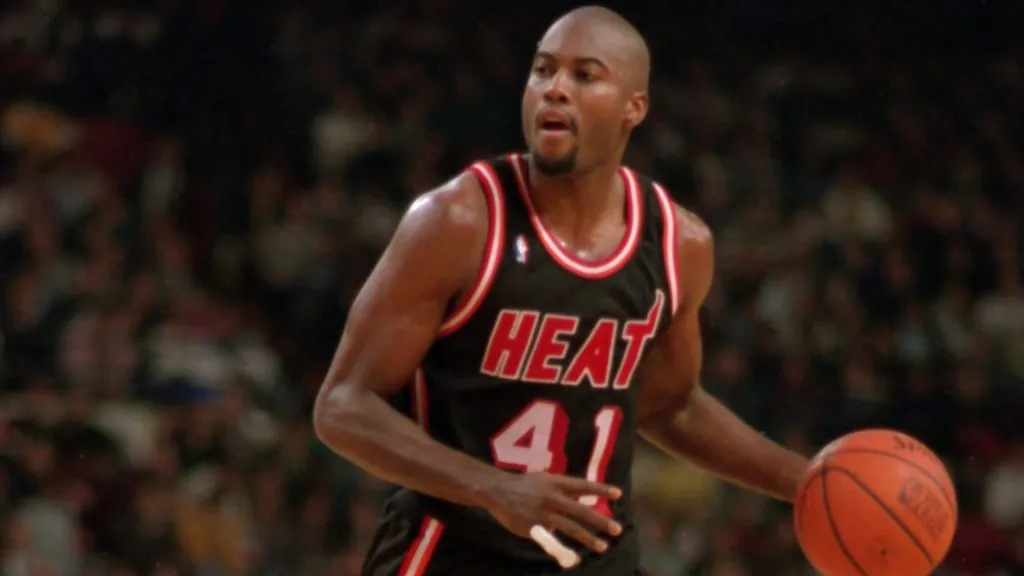
Glen Rice (Source: Jonathan Daniel/ALLSPORT)
As the face of the Miami Heat during their early expansion years, Glen Rice was the franchise’s first true offensive showman. Drafted in 1989, the sharp-shooting forward quickly became a prolific scorer, famous for his picturesque jump shot and smooth, effortless scoring ability.
His high-octane perimeter game was the primary source of excitement and hope for the nascent franchise throughout the early 90s, carrying the scoring load until the team found its defensive identity later in the decade.
Though his era predates the championship years, he remains one of the Heat’s all-time leading scorers, representing the initial promise and offensive firepower that first put the team on the NBA map.
Udonis Haslem
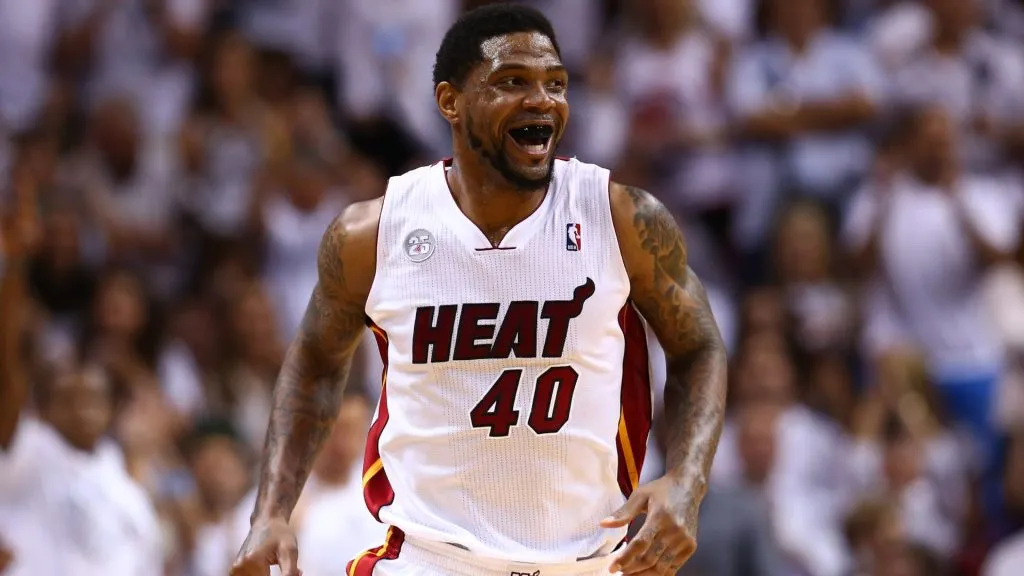
Udonis Haslem (Source: Streeter Lecka/Getty Images)
Udonis Haslem is not merely one of the greatest players; he is the unrivaled spiritual bedrock of the organization. Born and raised in Miami, his entire 20-year career was spent with the Heat, a feat of dedication almost unheard of in the modern league.
He was the ultimate embodiment of “Heat Culture,” defined not by scoring titles but by fierce defense, rebounding, and an unparalleled commitment to hard work and leadership.
He played a crucial frontcourt role in the 2006 title run and later served as the invaluable veteran presence for the Big Three dynasty, earning three championships total. His legacy transcends stats; it is the physical representation of the team’s ethos, making him the gold standard for commitment in South Florida.
Steve Smith
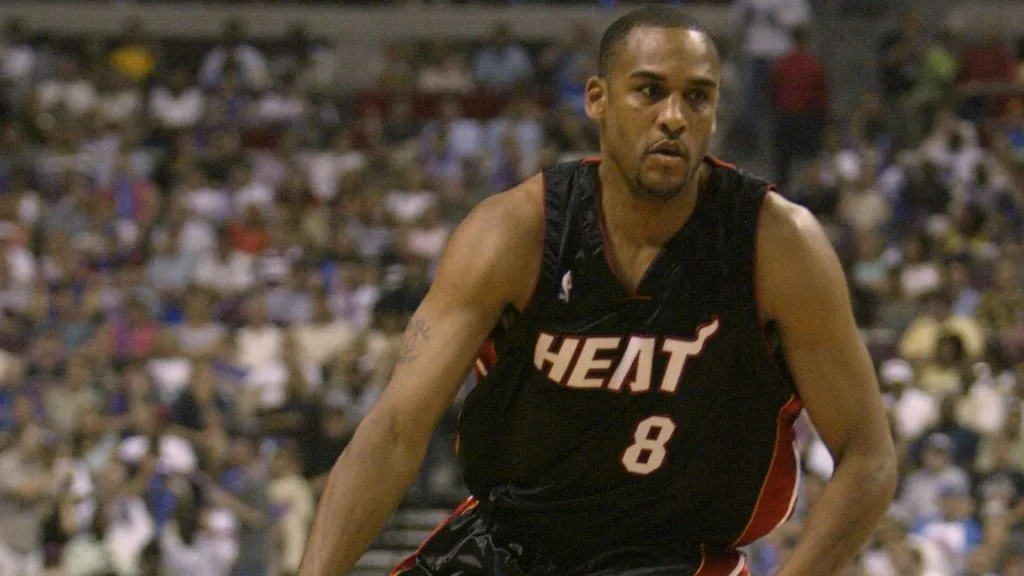
Steve Smith (Source: Tom Pidgeon/Getty Images)
Steve Smith was a versatile building block for the Miami Heat during their formative years as an expansion franchise in the early 1990s. The former All-Star shooting guard was a steady, high-IQ presence on the perimeter and an efficient scorer who provided valuable production before the arrival of the Pat Riley era.
His reliable play was key to helping the Heat navigate the difficult early seasons and establish some degree of competitiveness. While his tenure was short, he played a crucial role in the development of the organization, providing consistent offensive output that helped lay the groundwork for future success before being traded to bolster the roster for their run in the late 90s.
Rony Seikaly
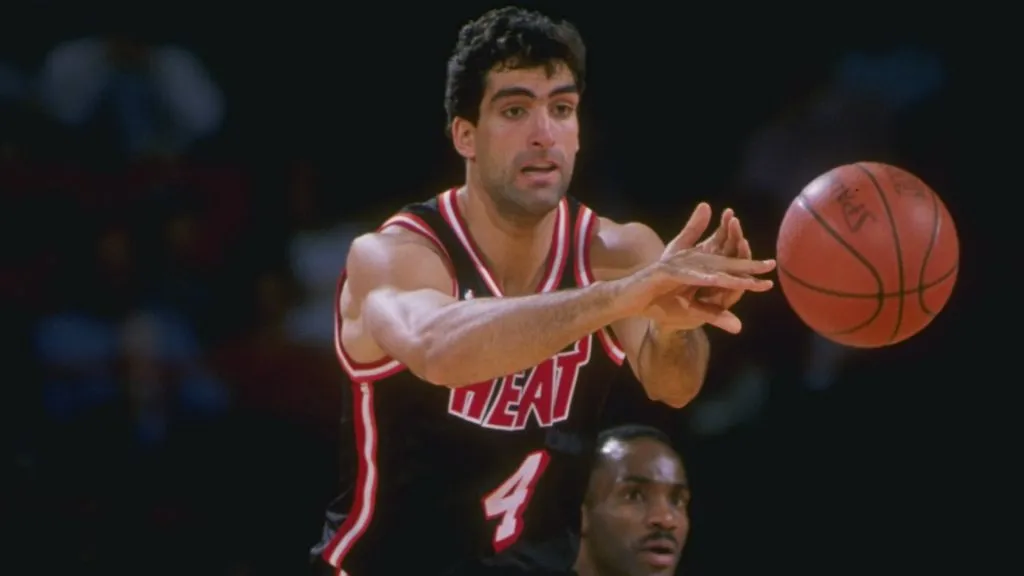
Rony Seikaly (Source: Tim de Frisco /Allsport)
As the Miami Heat’s first-ever draft pick (9th overall in 1988), Rony Seikaly holds a unique place in franchise history as the original foundation of the expansion team. The imposing center was the team’s first legitimate star, a dominant rebounder, and a scorer who consistently put up double-double numbers throughout his tenure in the late ’80s and early ’90s.
He carried the weight of the new franchise during its difficult, foundational years. His athletic presence and early statistical achievements gave the fledgling Heat organization a crucial identity and star power, establishing a precedent for quality center play in South Beach.
Ray Allen
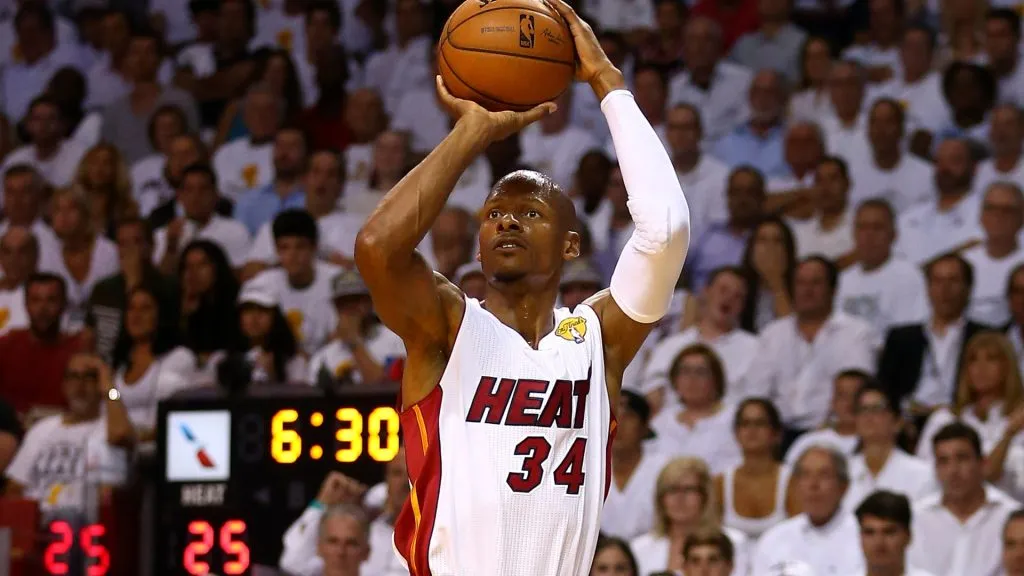
Ray Allen (Source: Andy Lyons/Getty Images)
Ray Allen‘s legacy in Miami can be distilled into one perfect shot. Though his time was short and he was far from the primary scorer he was elsewhere, the Hall of Fame sharpshooter provided the most iconic, game-saving shot in franchise history—a corner three in Game 6 of the 2013 NBA Finals that snatched victory from the jaws of defeat and paved the way for the Big Three’s second championship.
He was the ultimate specialist, a clutch veteran who maximized his role as a spot-up threat, giving LeBron James and Dwyane Wade vital spacing and a late-game insurance policy. He represents the caliber of veteran talent that was willing to sacrifice a primary role to join a dynasty and delivered exactly when the moment required it most.
P. J. Brown
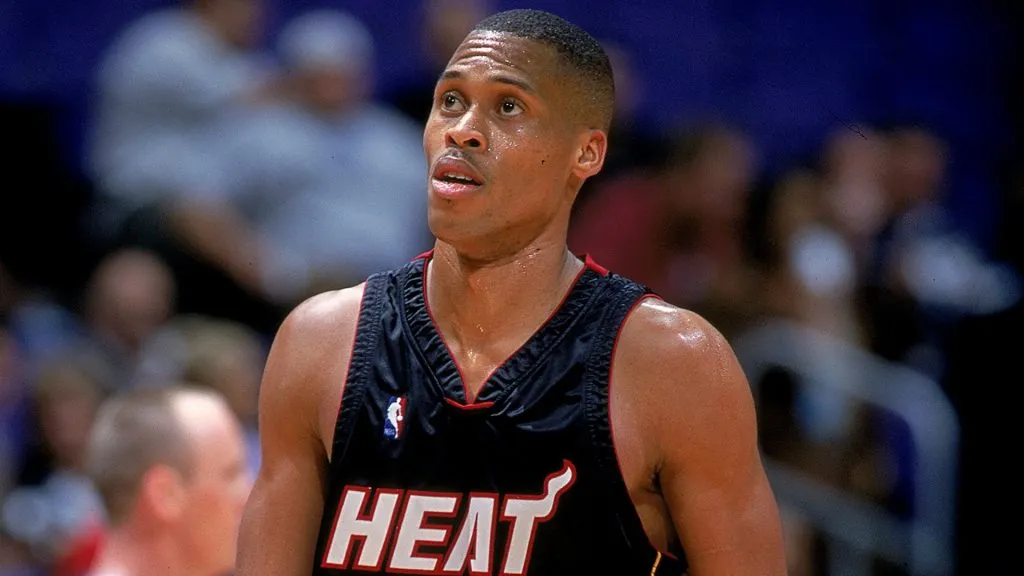
P. J. Brown (Source: Getty Images)
P. J. Brown was the quintessential “Riley guy,” an intimidating power forward/center who epitomized the hard-nosed, defensive mentality of the late ’90s Heat teams. He lacked the offensive flash of others on this list but made up for it with relentless effort, rebounding, and physicality.
His interior defense and commitment to winning were instrumental in Miami’s intense playoff rivalries with the New York Knicks. He was the selfless, blue-collar player who bought into Pat Riley’s demanding system without question. His reputation as a fierce competitor solidified his status as a foundational player in the establishment of the tough-minded “Heat Culture.”
Shane Battier
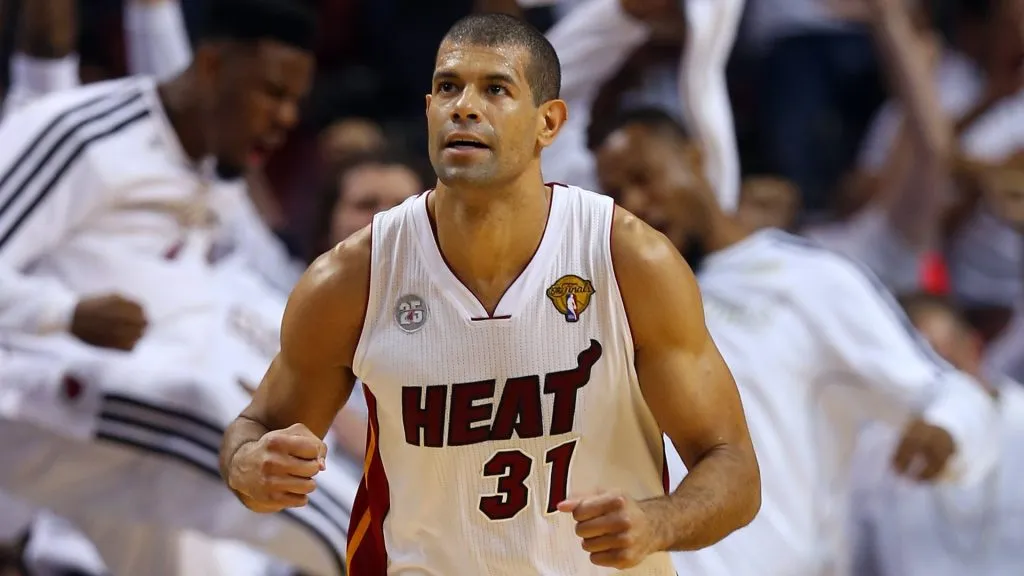
Shane Battier (Source: Mike Ehrmann/Getty Images)
Shane Battier was the embodiment of the winning specialist during the Big Three era. Known for his high basketball IQ and commitment to advanced analytics, he excelled at all the intangible elements that championship teams need: elite team defense, perfect floor spacing, and hustle.
He was the defensive glue and a knockdown corner three-point shooter who provided the necessary contrast to the ball-dominant superstars. He won back-to-back titles in Miami (2012, 2013), and his contributions—often unquantifiable on the stat sheet—were universally acknowledged by his teammates as vital to the success of the most celebrated era in franchise history.
Michael Beasley
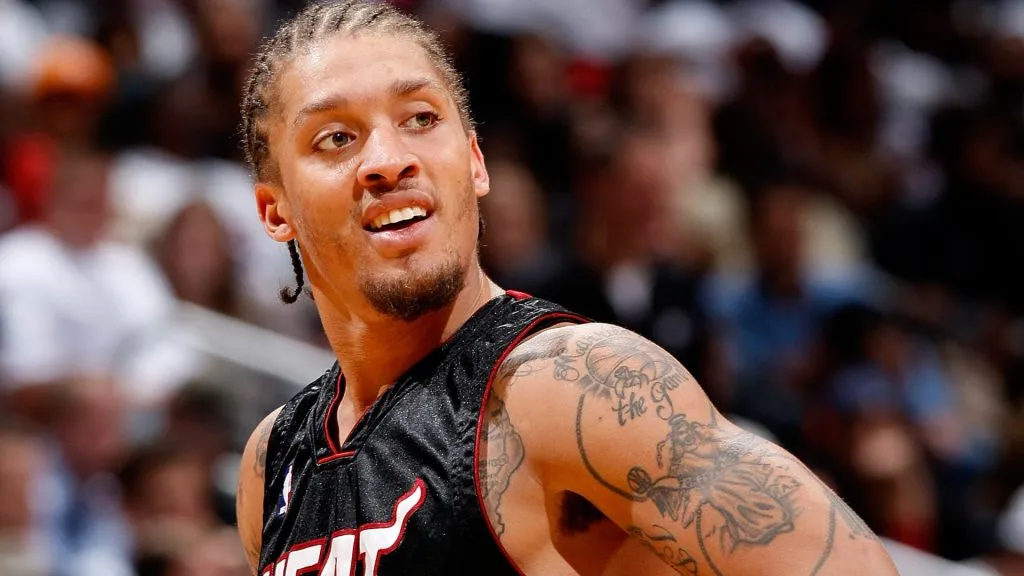
Michael Beasley (Source: Kevin C. Cox/Getty Images)
Michael Beasley‘s tenure is a story of unrealized talent and unpredictable flashes that still place him among the franchise’s most memorable players. Drafted 2nd overall in 2008, the versatile forward possessed immense scoring ability and natural talent, showcasing dazzling offensive skills during his time in Miami.
Though his career never reached the superstar heights many predicted, his pure scoring prowess made him an entertaining player who often dominated stretches of games. His story remains a footnote of what might have been, a burst of offensive brilliance that shone brightly, if briefly, for the franchise.
Goran Dragic
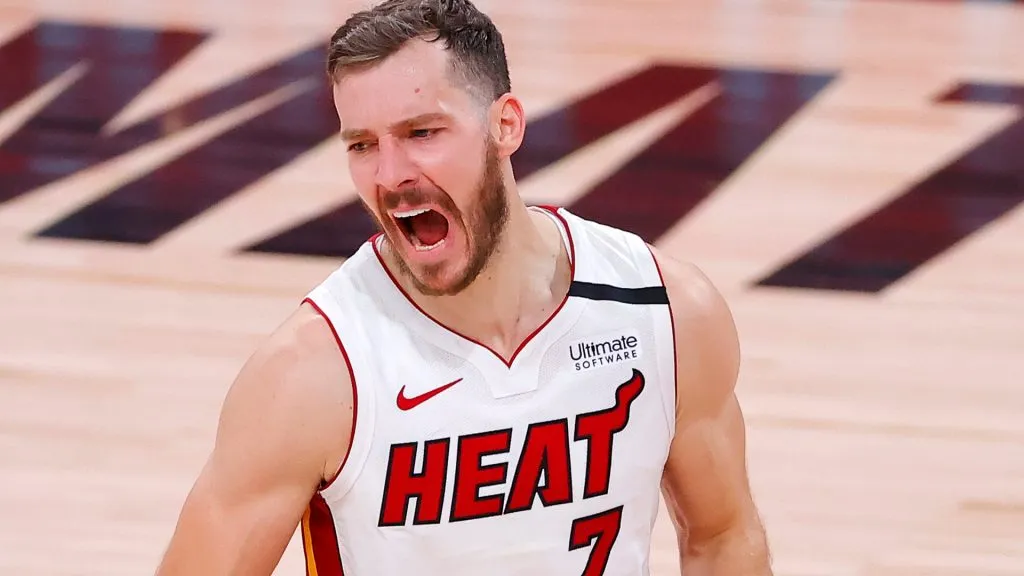
Goran Dragic (Source: Kevin C. Cox/Getty Images)
The “Dragon” became a cult hero in Miami, leading the team with a fearless, attacking style that perfectly matched the franchise’s temperament. Goran Dragic was a crafty international point guard who joined the team midway through the decade, eventually earning an All-Star nod (2018) and serving as the primary playmaker during a transitional period.
His legacy was cemented during the 2020 Bubble playoffs, where he spearheaded a surprising run to the NBA Finals with aggressive scoring and clutch shot-making. His tenacity, driving ability, and fiery personality made him a beloved leader and a symbol of the ‘No Easy Buckets’ intensity that defined the post-Big Three era.
Mario Chalmers
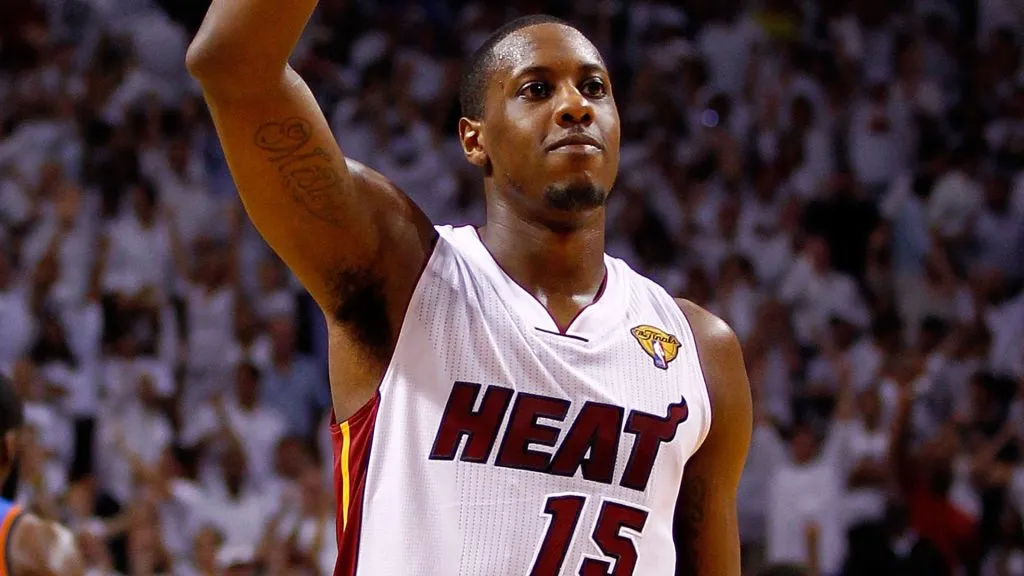
Mario Chalmers (Source: Mike Ehrmann/Getty Images)
Mario Chalmers was the steady, often underrated point guard who occupied a critical starting role throughout the entire Big Three era. Playing alongside three future Hall of Famers required exceptional maturity and resilience, and Chalmers consistently delivered.
He earned the trust of his superstar teammates and coaches by being a reliable, tough-minded defender and a surprisingly clutch shot-maker. His presence ensured offensive continuity and stability for four consecutive trips to the NBA Finals, resulting in two championships (2012, 2013). His legacy is the dependable glue guy who absorbed pressure and executed under the brightest lights of the team’s most dynastic period.
Caron Butler
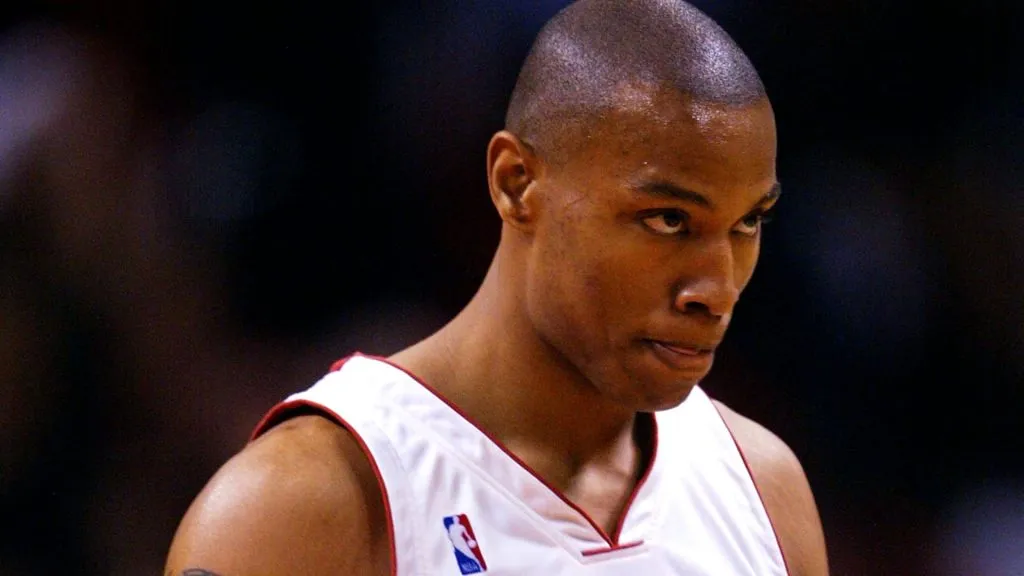
Caron Butler (Source: Jamie Squire/ Getty Images)
Caron Butler‘s time in Miami was a crucial early chapter of the organization’s shift toward competitiveness. Drafted in 2002, the versatile small forward immediately demonstrated a high motor and two-way skill set, earning All-Rookie First Team honors with a blend of tough finishing and reliable defense.
He was a cornerstone of the post-Alonzo Mourning, pre-Shaq era, providing essential talent that helped keep the team relevant. His youthful drive and commitment to winning were integral in the lead-up to the 2003 draft, which ultimately delivered the team’s all-time greatest player, Dwyane Wade.
Eddie Jones
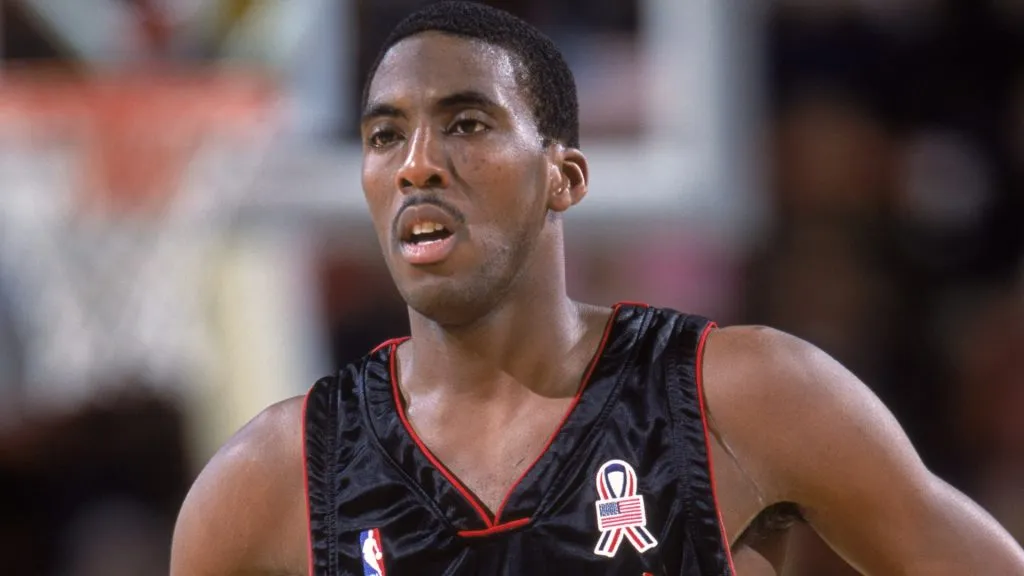
Eddie Jones (Source: Otto Greule/Getty Images)
Eddie Jones was the smooth, two-way veteran who bridged the gap between the rugged late-90s teams and the eventual championship era. Known for his versatility and ability to impact the game on both ends of the floor, he provided reliable scoring and elite perimeter defense during his six seasons in Miami.
He was instrumental in mentoring a young Dwyane Wade after his arrival, acting as a valuable role model for the future face of the franchise. His consistent professionalism and all-around game were hallmarks of the early-2000s Heat squads.
Lamar Odom
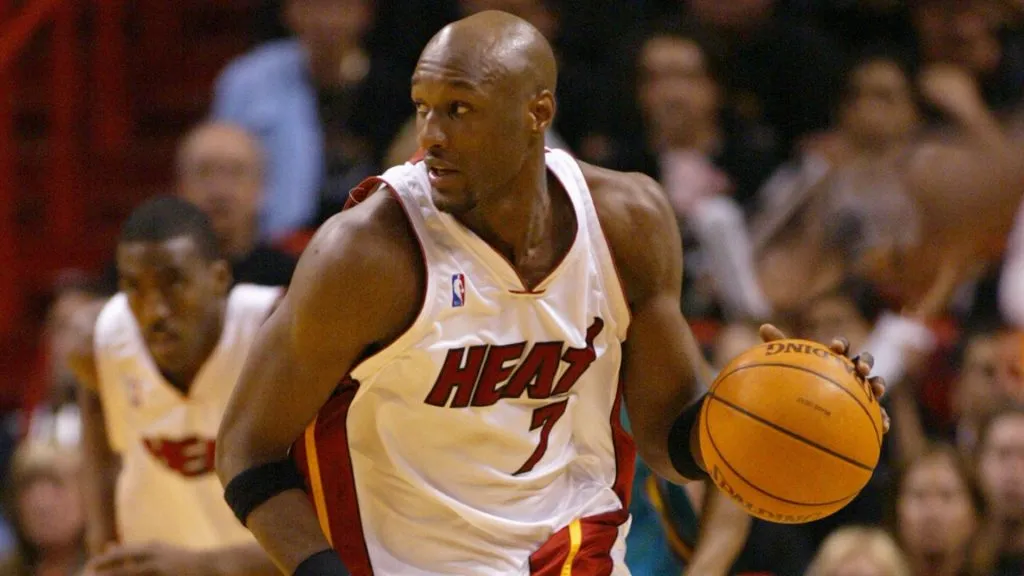
Lamar Odom (Source: Eliot J. Schechter/Getty Images)
Lamar Odom’s single season with the Miami Heat in 2003–04 was a brief but electrifying moment that signaled the franchise’s potential. The unique and highly versatile forward arrived in a trade that brought star power back to South Beach.
His rare combination of size, ball-handling, and court vision made him an exciting playmaker and a primary reason the team made a surprising run to the second round of the playoffs that season. Though his tenure was short, he was a key part of the trade package that later netted Shaquille O’Neal, making his presence a vital precursor to the team’s first championship.
Grant Long
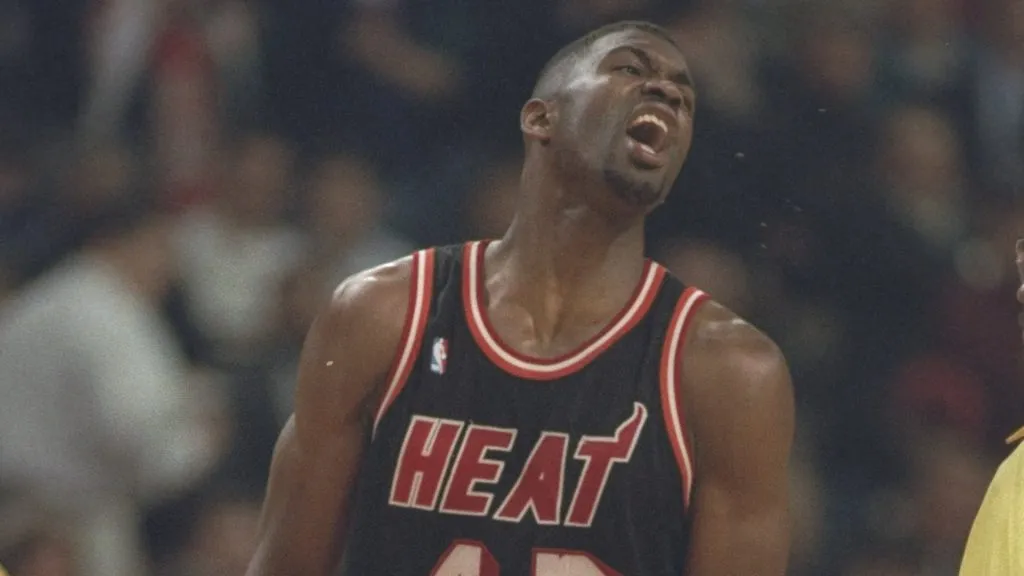
Grant Long (Source: Jonathan Daniel /Allsport)
As one of the Heat’s original expansion draft picks in 1988, Grant Long was the epitome of a hard-working, blue-collar player. The forward made up for a lack of flash with endless energy, rebounding prowess, and interior toughness, becoming a fan favorite for his rugged style of play.
He was a constant force on the glass and a key contributor on the court, helping the team scratch and claw its way out of the expansion doldrums. His consistent effort and grit over his six years cemented him as a foundational player who established an early tradition of defensive intensity.
Jason Kapono
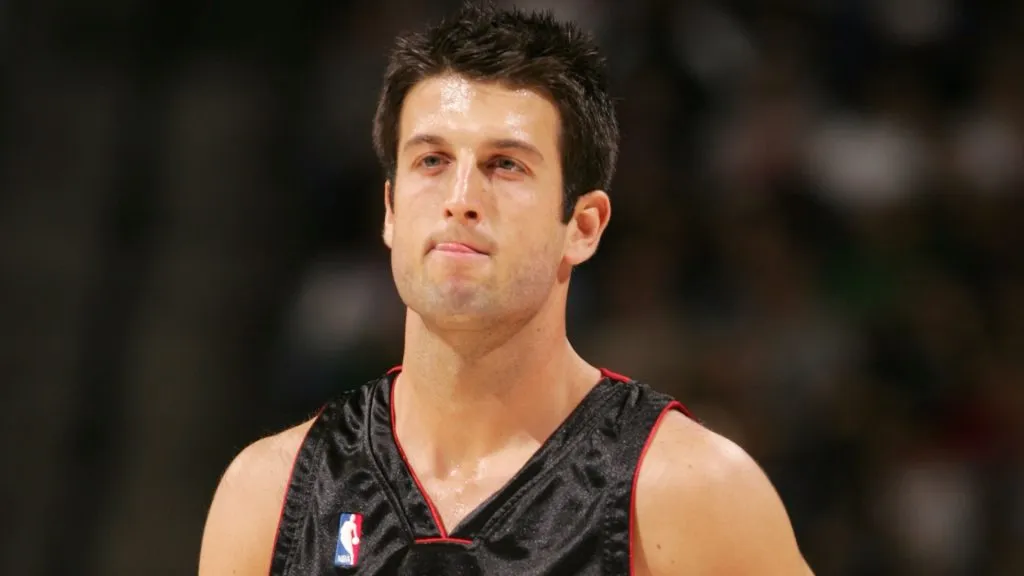
Jason Kapono (Source: Doug Pensinger/Getty Images)
Jason Kapono was the ultimate shooting weapon, famous for his near-perfect efficiency from the three-point line during his short but notable time in Miami. He was a key reserve on the 2006 championship team, providing critical floor spacing and being an invaluable safety valve for both Dwyane Wade and Shaquille O’Neal.
His role was highly specialized, but his deadly accuracy was crucial to unlocking the full potential of that championship offense. He remains one of the purest shooters to ever wear a Heat uniform, serving as a reminder that highly efficient specialists are often essential pieces of a title puzzle.
James Jones
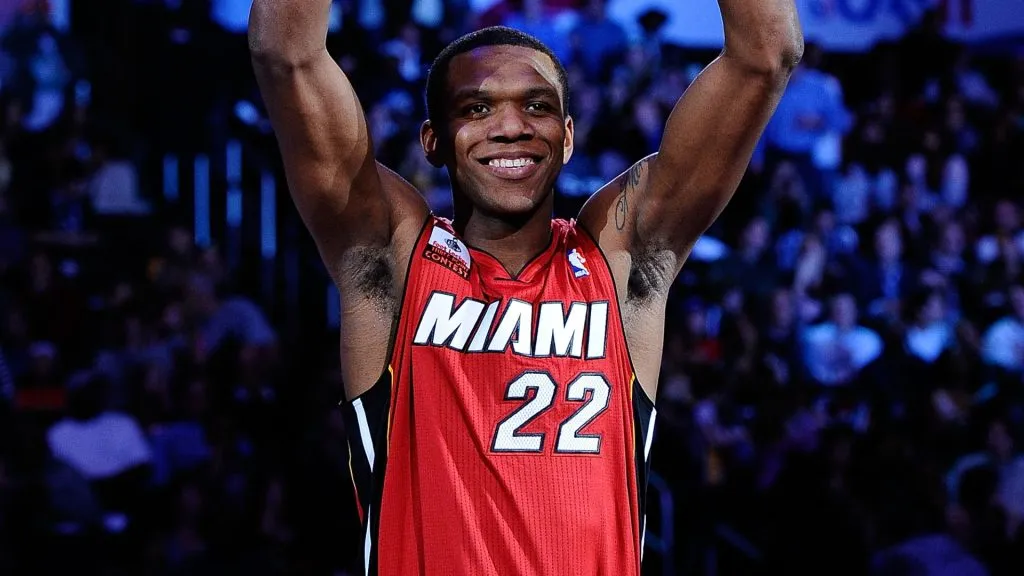
James Jones (Source: Kevork Djansezian/Getty Images)
James Jones was the ultimate professional and three-point specialist who was a crucial member of the championship Big Three teams. The player, a Miami native, perfectly understood the demands of “Heat Culture,” embracing his role as a spot-up shooter and veteran voice in the locker room.
His efficiency from beyond the arc provided necessary spacing for LeBron James and Dwyane Wade, making him an invaluable role player during the 2012 and 2013 title runs. His greatest contributions often went beyond the stat sheet; his leadership and willingness to mentor younger players cemented his status as a quiet but powerful force within the organization’s championship structure.
Brian Shaw
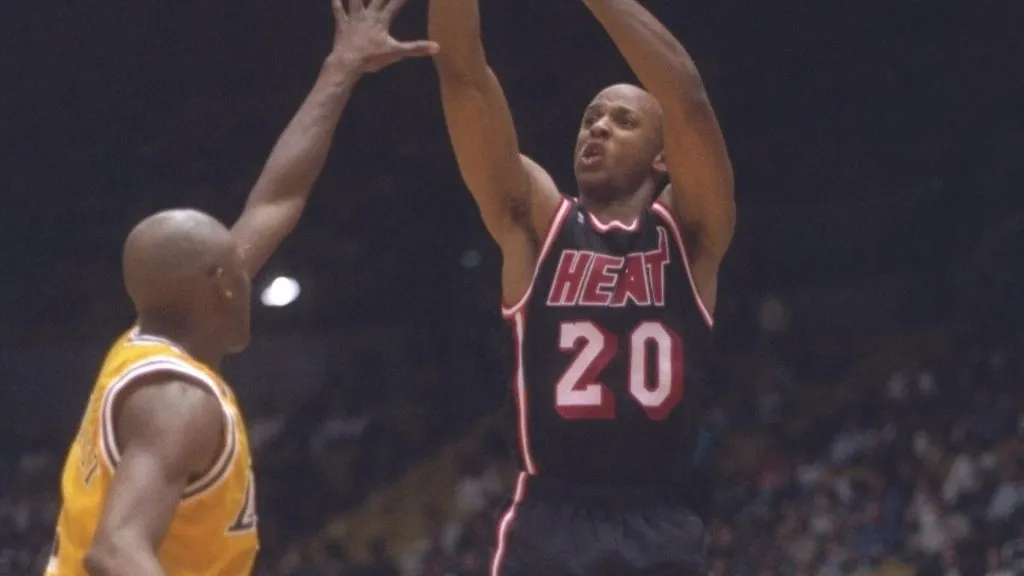
Brian Shaw (Source: Stephen Dunn /Allsport)
Brian Shaw served as a versatile and intelligent veteran leader during the franchise’s early years, providing the team with much-needed stability and maturity. A reliable point guard known for his basketball smarts and playmaking, he was a foundational piece that helped the Heat transition from an expansion team into a more cohesive, disciplined unit.
His ability to fill multiple roles and set the tone with his professional approach was essential for the developing organization. His influence helped instill the early characteristics of structure and commitment that would later become synonymous with the Heat’s long-term success.