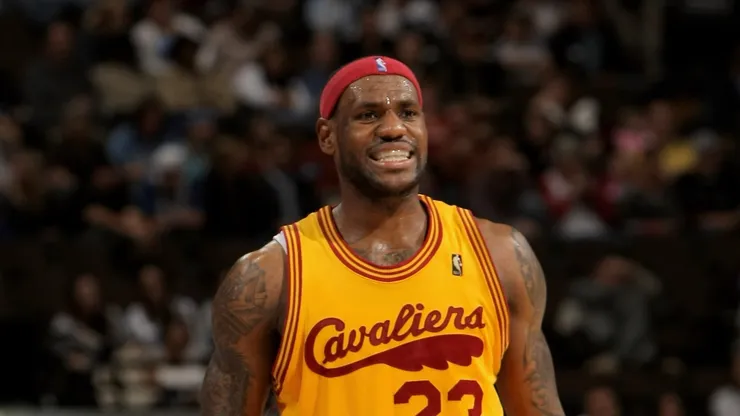
One of the most remarkable rookie seasons we’ve ever witnessed came from LeBron James with the Cleveland Cavaliers. Despite his youth, he already projected dominance well beyond his years. Yet it’s always fascinating to look back and understand how his mind worked during those early NBA days.
On the latest episode of Mind the Game, the Lakers star reflected on his first year in the league, admitting that his early experiences in Cleveland “weirded” him out and felt nothing like the basketball he grew up playing in high school.
“I wasn’t the point guard of my high school team, but we all could pass and cut, pass and dribble,” James said. “So even though I was the alpha of the team, my mindset was never that I needed the ball in my hands. It was about doing what the coaches asked and trusting our system. So when I got to the NBA, it changed for me.”
“I’m like, this is not winning basketball. I know what winning basketball is,” LeBron said. “And people say, ‘Well, that’s high school to the pros.’ But great basketball and winning basketball — it doesn’t matter the level. So when I got to the NBA, I was weirded out. I was like, ‘Wait, you have to make all the plays? A guy just comes down and doesn’t pass it?’ I was like, ‘Oh, what the hell is this? This is a culture shock.’”
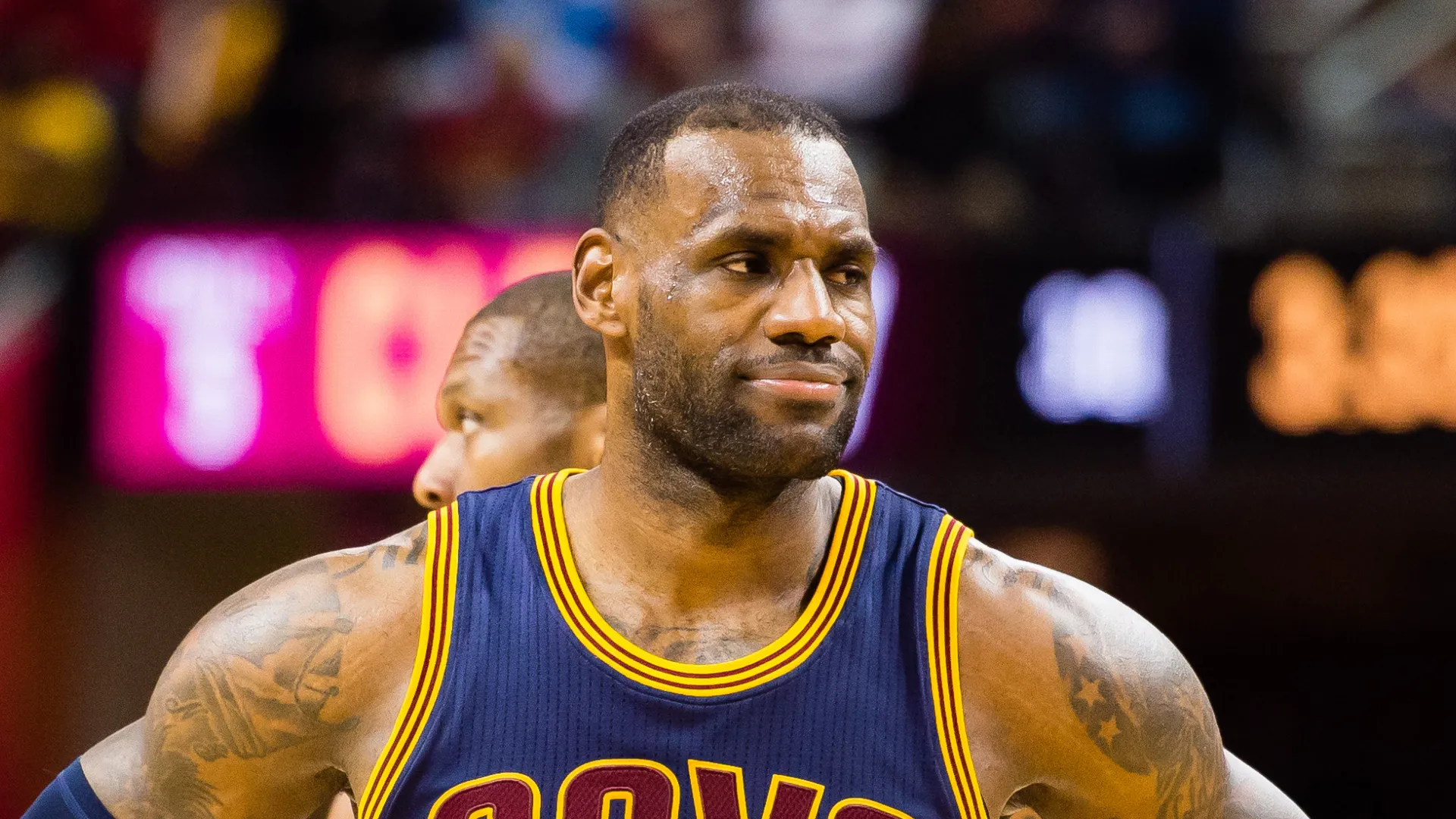
LeBron James during his second stint with the Cleveland Cavaliers
The early years of LeBron James’ career
LeBron played for St. Vincent-St. Mary High School, where he compiled a 101-6 record over four years. He led them to three state championships and one national title before entering the NBA. When he joined the Cavaliers as a rookie, it took him some time to adjust to the professional level.

At St. Vincent-St. Mary, James learned the essence of team basketball, and his teammates developed a strong understanding of the game’s fundamentals. But when he transitioned to the pros, he quickly realized how rare it was for NBA teams to have that same structure and discipline. For a franchise like the Cavaliers, with little prior success, they lacked both a winning identity and the culture needed to sustain it.
LeBron James entered the NBA as a proven winner and wanted to carry that mentality into Cleveland. In 79 games that season, he averaged 20.9 points, 5.5 rebounds, and 5.9 assists per game while shooting 51.3% from the field. He did everything he could to push the Cavaliers toward contention in the East, but his efforts fell short as they finished 35-47 — twelve games below .500.