
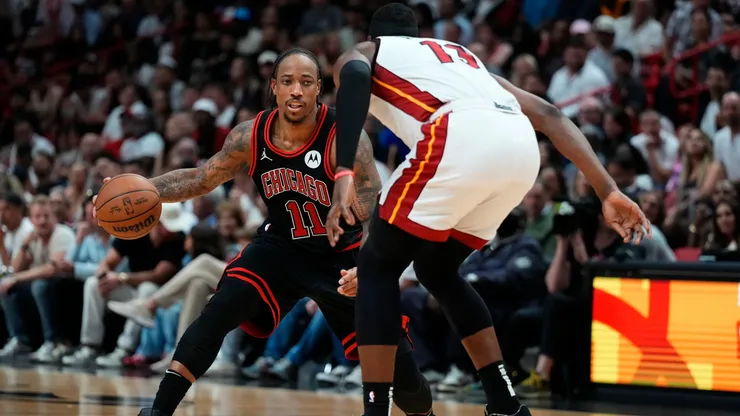
The NBA Play-In Tournament has added a thrilling new element to the end of the regular season. Officially introduced in the 2020-2021 season, it gives teams finishing between seventh and tenth place a chance to secure a playoff spot.
This high-stakes format creates exciting matchups where every game matters. Teams that previously might have been eliminated now have a shot at redemption, making the final stretch of the season more intense than ever before.
The play-in battles ensure that no spot in the playoffs is secured without a fight. With the pressure on, teams must bring their best game, creating an unpredictable and electrifying lead-up to the postseason.
Format and history
The NBA play-in tournament was introduced as a response to calls for a more competitive and engaging end to the regular season. Prior to its implementation, teams that finished in the top eight of each conference automatically qualified for the playoffs, often leaving little drama in the final weeks of the season.

Larry Nance Jr. #22 of the New Orleans Pelicans reacts after a shot against the Sacramento Kings at Smoothie King Center on April 19, 2024. (Source: Chris Graythen/Getty Images)
However, in an effort to keep more teams in the race and discourage intentional tanking, the NBA experimented with a play-in system during the 2020 bubble in Orlando.
Encouraged by its success, the league officially implemented the format in the 2020-21 season. The play-in tournament gives teams finishing between seventh and tenth place in each conference a final shot at securing one of the last two playoff spots.
The system creates must-win scenarios that add intensity to the postseason race and ensure that teams remain competitive throughout the regular season. The structure of the tournament is straightforward but thrilling.
The seventh and eighth seeds face off, with the winner immediately clinching the No. 7 seed in the playoffs. Meanwhile, the ninth and tenth seeds battle each other, with the loser eliminated from contention.
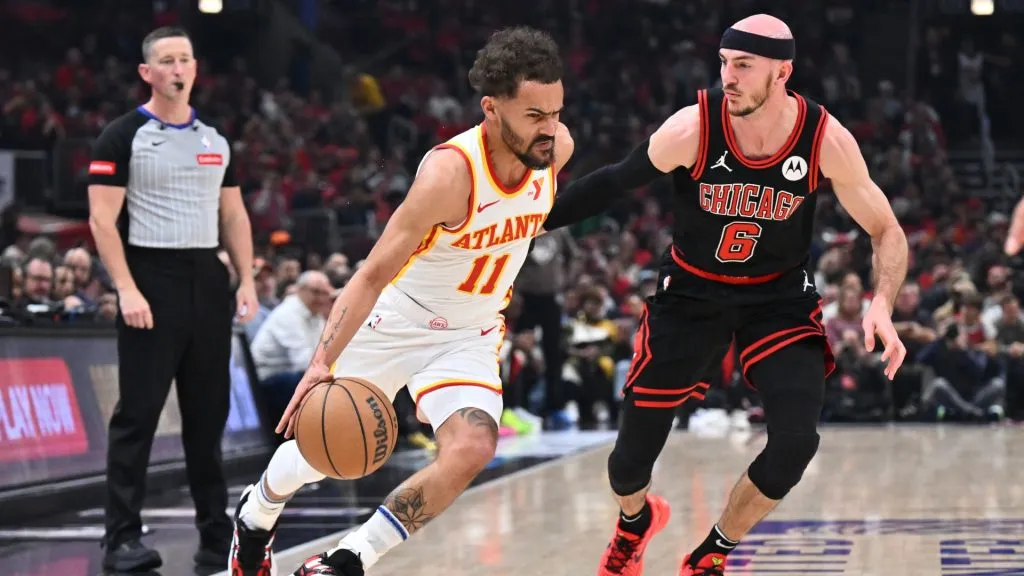
Trae Young #11 of the Atlanta Hawks drives against Alex Caruso #6 of the Chicago Bulls in the first half during the play-in tournament on April 17, 2024. (Source: Jamie Sabau/Getty Images)
According to the NBA Board of Governors and Fox Sports, the winner of this second game then faces the loser of the 7 vs. 8 matchup, with the final playoff spot—No. 8 in the standings—on the line.
Teams involved
Unlike the traditional playoff structure, which simply rewards the top eight teams in each conference, the play-in tournament opens the door for additional competition. The seventh and eighth-seeded teams enter with an advantage, as they only need to win one game to secure a playoff berth.
In contrast, the ninth and tenth-seeded teams face a steeper uphill battle, requiring two consecutive victories to reach the postseason. This system benefits teams that may have struggled with injuries, mid-season slumps, or roster changes but still have enough talent to make a legitimate postseason run.
It also ensures that regular-season performance remains crucial, as finishing seventh or eighth provides a significant edge over ninth or tenth place. For fans, this NBA playoff format brings added unpredictability, often setting up dramatic matchups between young, hungry teams and experienced squads fighting to keep their seasons alive.
Schedule impact on playoffs
The introduction of the play-in tournament has reshaped the NBA calendar, adding a new wrinkle to how teams approach both the regular season and the playoffs.
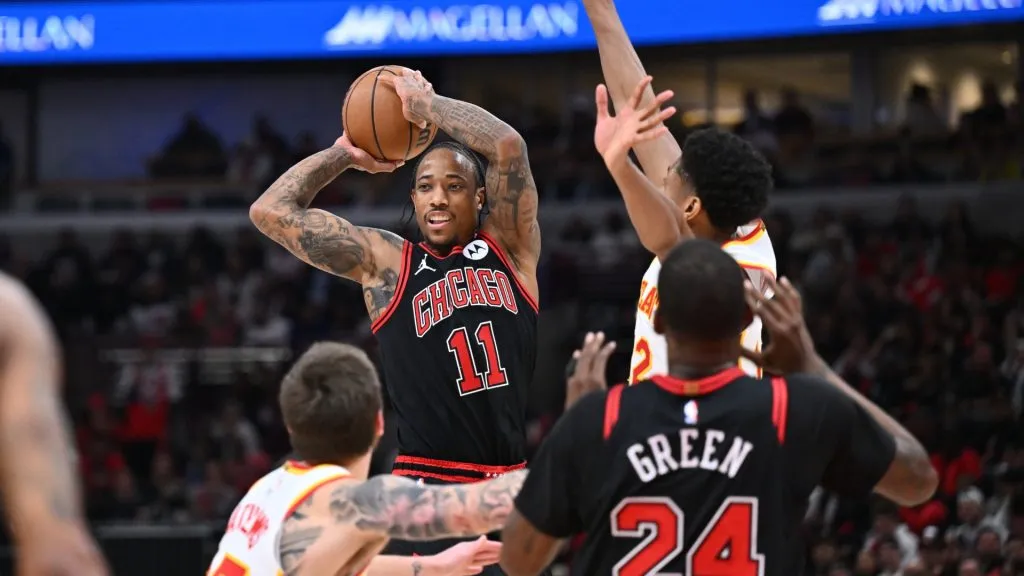
DeMar DeRozan #11 of the Chicago Bulls looks to pass the ball in the second half against the Atlanta Hawks on April 17, 2024. (Source: Jamie Sabau/Getty Images)
Previously, the transition from regular-season games to the postseason was more straightforward—teams locked in their playoff spots and had several days to rest and prepare for their first-round matchups.
Now, play-in teams must fight for survival in high-pressure games before diving into the intense grind of the playoffs. This additional workload presents both advantages and challenges.
On one hand, teams that emerge from the play-in tournament have momentum on their side, having already played elimination-style games. This rhythm can benefit them against a higher-seeded opponent that may have been resting for several days.
On the other hand, the physical and mental toll of extra games can leave play-in teams fatigued, potentially putting them at a disadvantage against well-rested playoff squads. Coaches must now strategize differently, balancing the need to push for a higher seed with the risks of exhausting players before the postseason begins.
Teams that secure a top-six finish avoid the uncertainty of the play-in and gain valuable recovery time—making regular-season performance more crucial than ever.