In the fast-paced world of the NBA, where stars compete for multimillion-dollar contracts and franchises battle to build competitive rosters, salary cap rules are the invisible board that dictates every move.
This limit, designed to balance competition, allows for certain exceptions that give teams flexibility to strengthen their ranks. However, exceeding the luxury tax threshold comes with progressive financial penalties.
Additionally, cap holds are tools teams use to manage their rights over free agents, but they also restrict their ability to maneuver in the market. Although many earn big, few stars have built empires.
Soft cap vs. hard cap
In the NBA, the concept of a salary cap is central to maintaining competitive balance across teams. However, not all salary caps are created equal. There are two types: the soft cap and the hard cap.
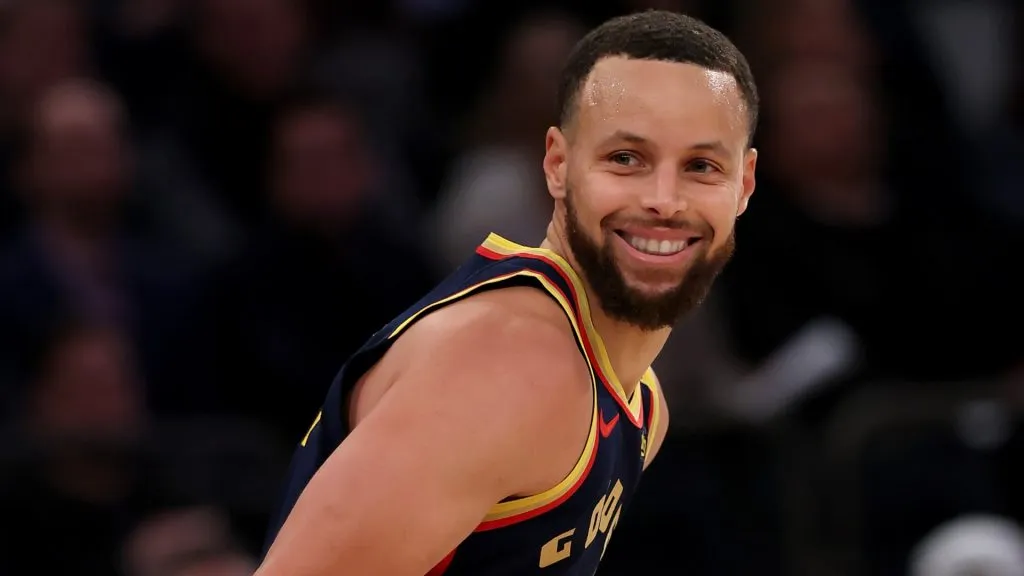
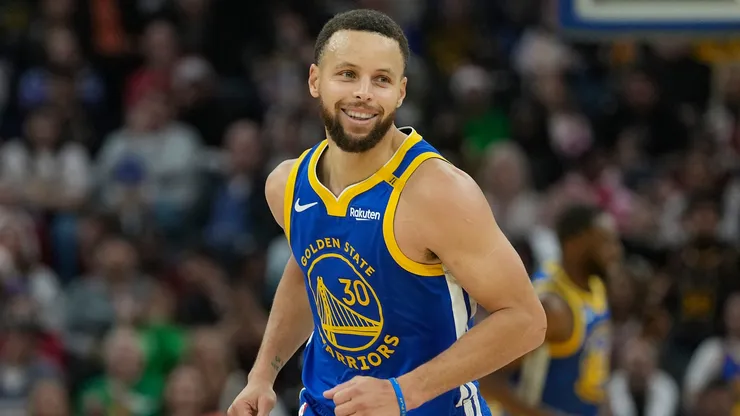
Stephen Curry #30 of the Golden State Warriors reacts to a shot in the first half against the New York Knicks at Madison Square Garden on March 04, 2025. (Source: Elsa/Getty Images)
The NBA primarily operates under a soft cap, meaning that while there is a set limit on how much money a team can spend on player salaries, there are several exceptions that allow teams to exceed the cap under certain circumstances.
These exceptions, like the Mid-Level Exception or the Bird Rights, are designed to give teams the flexibility to retain their key players or sign new talent without being overly restricted by the cap.
If a league or agreement has a hard cap, there is no flexibility to exceed that cap under any circumstances. This kind of cap is rare in the NBA, but certain circumstances—like signing a player with the Non-Taxpayer Mid-Level Exception—can trigger a hard cap.
Exceptions
The NBA’s salary cap rules come with a handful of exceptions that allow teams to exceed the cap in various ways. These exceptions are vital tools for building teams, particularly when it comes to retaining key players and adding talent without triggering penalties.
These following exceptions are crucial because they allow teams to retain talent and sign new players without the crippling limitations of a rigid salary cap system:
- Bird rights – A team can exceed the salary cap to re-sign its own free agents, even if it has already hit the cap. This rule rewards teams that draft and develop players, allowing them to keep their homegrown talent.
- Mid-level exception (MLE) – This is a salary exception that allows teams to sign players even when they’re over the cap, but the MLE has different versions depending on a team’s financial status. For example, the Non-Taxpayer MLE is worth more than the Taxpayer MLE.
- Rookie exception – Teams can sign rookies to contracts that fit within their budget, even if they’re over the cap, making it easier to draft and retain young talent.
- Veteran’s minimum – Teams can also sign players to contracts at the league minimum, which doesn’t count fully against the cap, giving them another way to add talent without breaking the bank.
Cap holds
One of the lesser-known but important aspects of the salary cap system is the cap hold. This refers to the placeholder amount a team must account for when a player is still under contract, but their actual salary hasn’t yet been negotiated, or they’re a free agent.
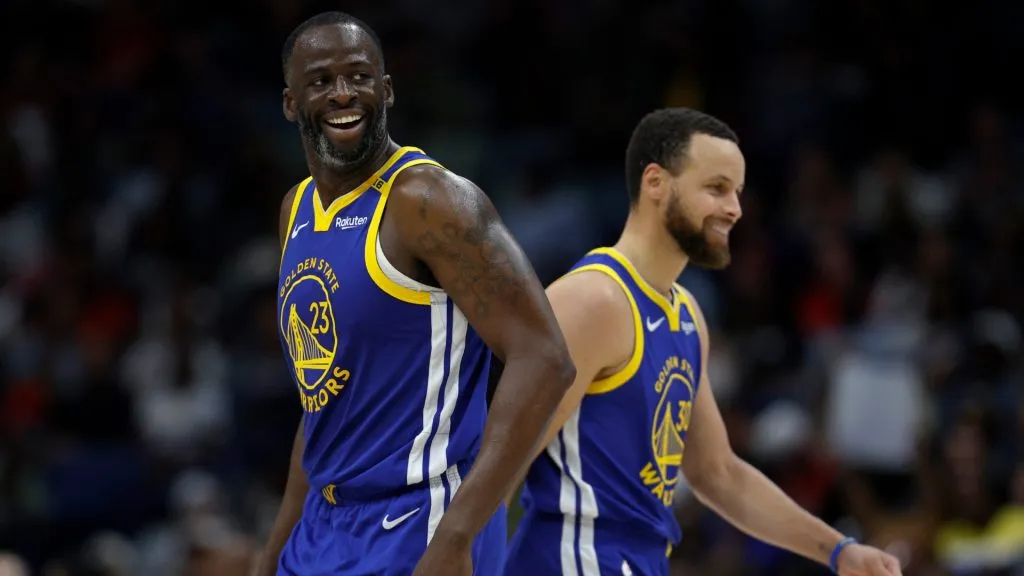
Stephen Curry and Draymond Green react after a play during the third quarter of an NBA game against the New Orleans Pelicans in 2025. (Source: Sean Gardner/Getty Images)
Essentially, cap holds are used to reserve space in a team’s salary cap for players who might be re-signed or who may sign elsewhere. For example, when a player becomes a free agent, the team that had their rights will place a cap hold on their salary.
The cap hold ensures that the team can’t just let go of a player and immediately add a new one without considering the existing contracts on their books. Once a new contract is signed, the cap hold is removed, and the actual salary is counted against the cap.
Luxury tax rules
While the salary cap sets a hard limit on how much a team can spend on player salaries, the luxury tax serves as a financial penalty for those teams that exceed the cap by a certain amount.
Teams that go over the salary cap threshold are subject to the luxury tax, which is a progressive penalty: the further a team exceeds the cap, the higher their tax bill, according to sources like Sporting News and AS USA.
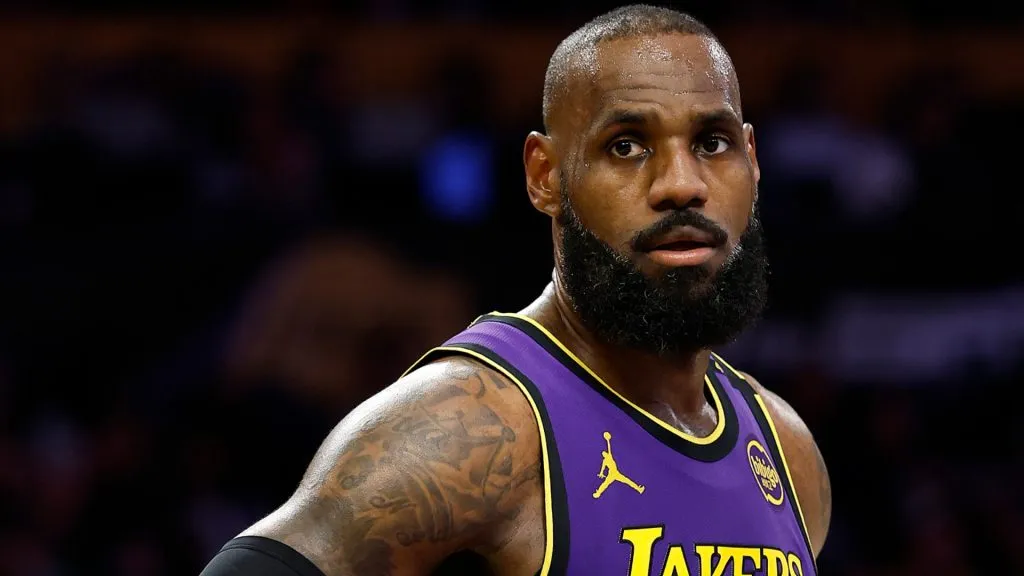
LeBron James #23 of the Los Angeles Lakers in the second half at Crypto.com Arena on March 31, 2025. (Source: Ronald Martinez/Getty Images)
The tax rate increases depending on how far above the salary cap a team’s payroll is. For instance, the first few million over the cap may have a lower tax rate, but the more a team exceeds the limit, the steeper the tax.
The revenue generated from this luxury tax is distributed to teams that are under the cap, helping to level the playing field. This system is designed to discourage teams from excessively overspending, while still allowing them some flexibility to go over the cap in pursuit of a championship.
Teams that repeatedly exceed the cap by a large margin can be penalized even more heavily, which can deter “super teams” from forming purely through free-agent signings.