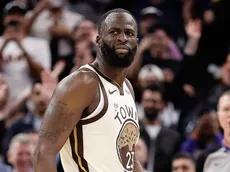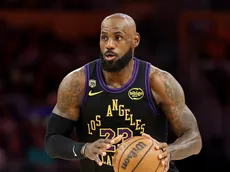
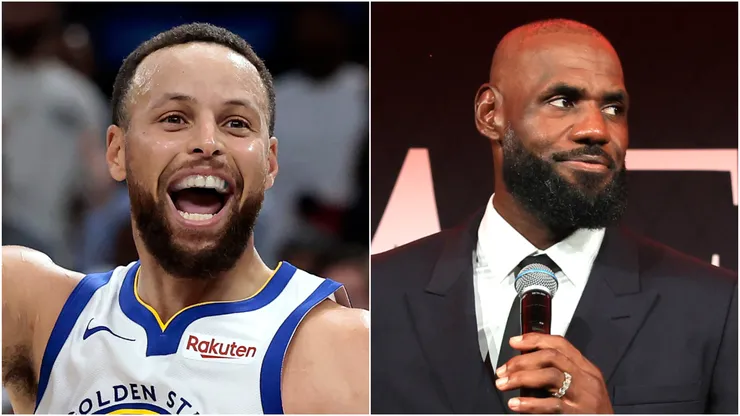
Stephen Curry continues to demonstrate his loyalty as one of the longest-tenured players in the league, continuing an endless love story and connection after signing a contract extension with the Golden State Warriors. The move crushes dreams of seeing him team up with LeBron James, who ended up joining the Philadelphia 76ers for the 2026 NBA season.
Stephen Curry has agreed to a two-year, $116 million contract extension with the Golden State Warriors, featuring a player option for the 2028-29 season, according to sources cited by ESPN’s Shams Charania.
To put the timeline into perspective, LeBron‘s deal with the 76ers expires in June 2027 if he decides not to use his opt-out option, or extends through June 2028 if he decides to play the optional second year. This could potentially open the door for James to leave the franchise as a free agent and seek to play one final year with the Warriors, enjoying that potential last season alongside Curry, though such a scenario remains highly complicated to pull off.
Curry’s career with the Warriors
The 38-year-old Curry has spent his entire 17-year NBA career with the Warriors. The contract will tie him through age 40 – and possibly to the end of his career – with the franchise that selected him seventh overall in the 2009 NBA Draft.
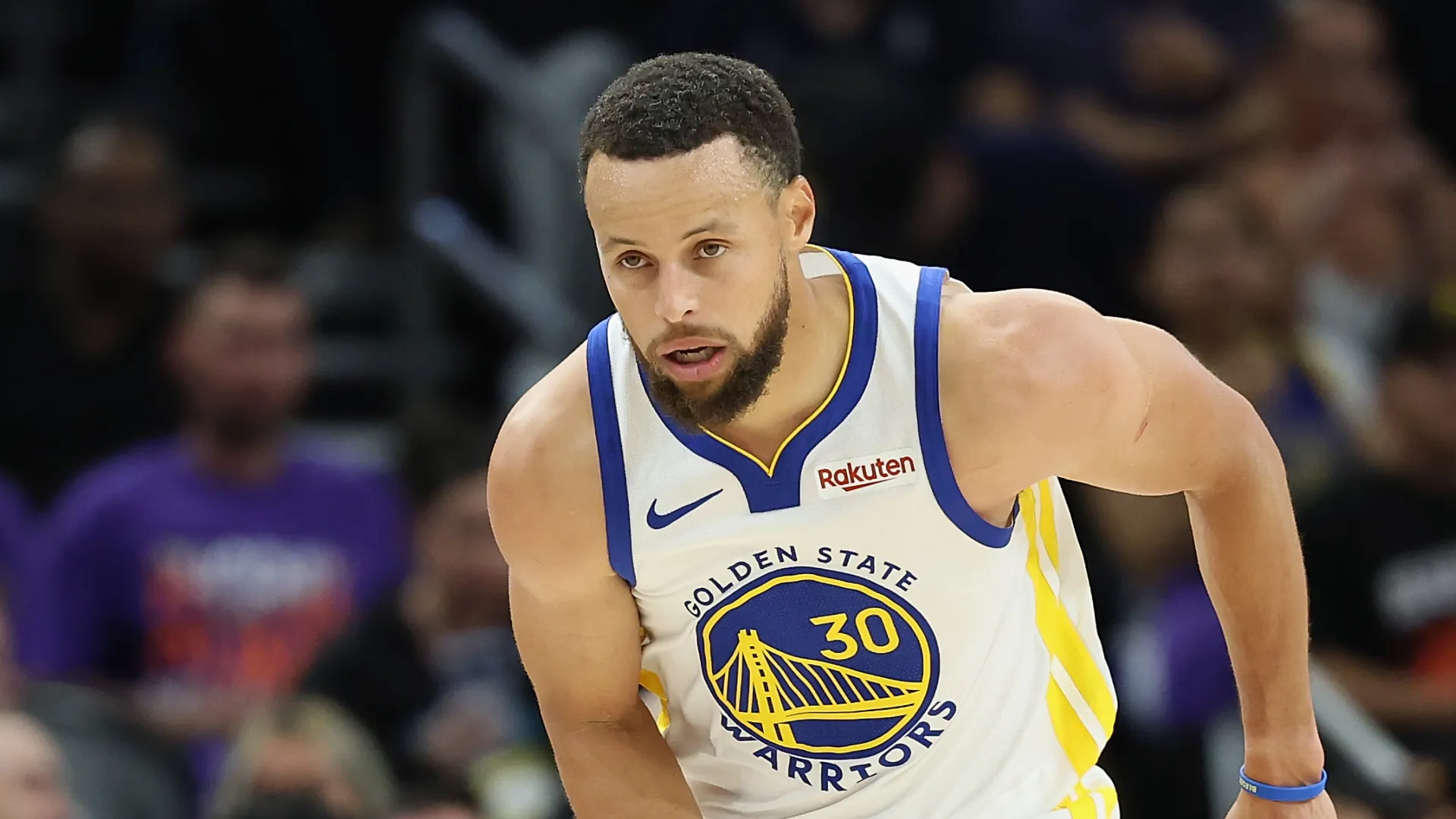
Stephen Curry of Golden State Warriors.
Curry, a 12-time All-Star and two-time MVP, was limited to 43 games in the 2025-26 season due to a right knee injury. His 30.9 minutes per game represented the third-lowest figure of his career, yet he still averaged 26.6 points and 4.7 assists per contest.
Curry holds the NBA record for 3-pointers made with 4,248 and ranks 19th on the all-time scoring list with 26,528 points. His legacy is indisputable. Now, following his contract extension, his future with the Warriors leaves no room for doubt either.
A notable detail in Curry’s career
The affection is mutual. Despite frequent complaints regarding the front office and the Warriors‘ poor attempts to adequately build around Curry while he remains elite, a key detail stands out: He has never been eligible for free agency in his career and, depending on when he plans to retire, might never be.