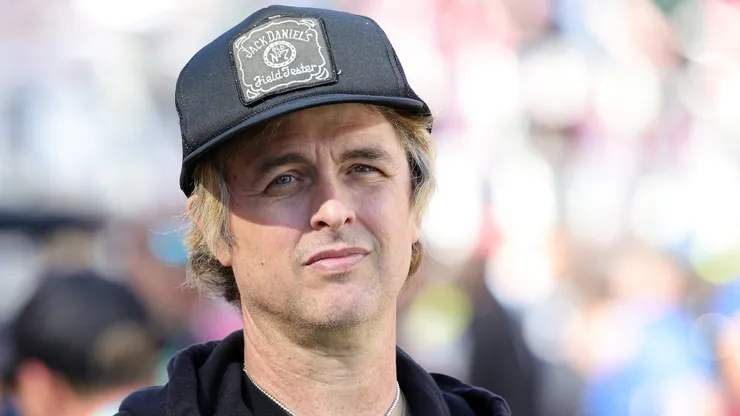
Green Day kicked off Super Bowl LX’s festivities at Levi’s Stadium in Santa Clara, bringing their signature punk-rock energy to the pregame stage. The band’s performance set the tone for the day, merging music spectacle with one of the NFL’s biggest events.
Pregame shows have grown into major moments of the Super Bowl experience. Alongside the Bay Area’s own punk rock legends, artists like Charlie Puth, Brandi Carlile and Coco Jones added star power, creating a lineup designed to energize fans long before the Seahawks and Patriots took the field.
As the music faded and the crowd shifted focus to kickoff, conversations turned to the logistics behind the show. Questions about performer arrangements, including whether bands are compensated for playing on one of the world’s largest live stages, added another layer to the story.
Was Green Day compensated for their Super Bowl LX pregame show?
When it comes to Super Bowl music showcases, there’s a longstanding pattern that stretches back decades: artists, whether on the main halftime stage or in pregame slots like Green Day’s, typically don’t receive a traditional performance fee from the NFL itself.
The league covers all production costs, including travel and staging, but it doesn’t cut a paycheck to headline acts just for performing. The organization treats these high‑profile slots less like paid concerts and more like unmatched promotional platforms.
With Super Bowl broadcasts regularly drawing over 100 million viewers in the United States alone, the exposure an artist gets can translate into boosts in streaming, music sales, brand deals and tour interest, often far outweighing any direct fee a traditional show might offer.
That dynamic has been consistent for years: performers from Beyonce and Madonna to Usher and Kendrick Lamar didn’t receive performance pay, and instead leveraged the spotlight for significant commercial gains in the days and weeks after the game.