Every year, the NFL is framed by championship aspirations and Super Bowl dreams. But beneath the glittering surface of triumph lies a deeper, often more complex history built not on trophies, but on sheer resilience.
The journey of a professional football team is a marathon measured in wins and losses, and for some franchises, those losses trace a long story of resilience shaped by decades of hardship.
Seasons also trace moments that reshaped front offices, redirected draft strategies and redefined expectations. In the shadow of defeat, teams rebuilt identities, leaving behind the years that pushed them to rock bottom.
1960 Dallas Cowboys: The birth of a legend (0-11-1)
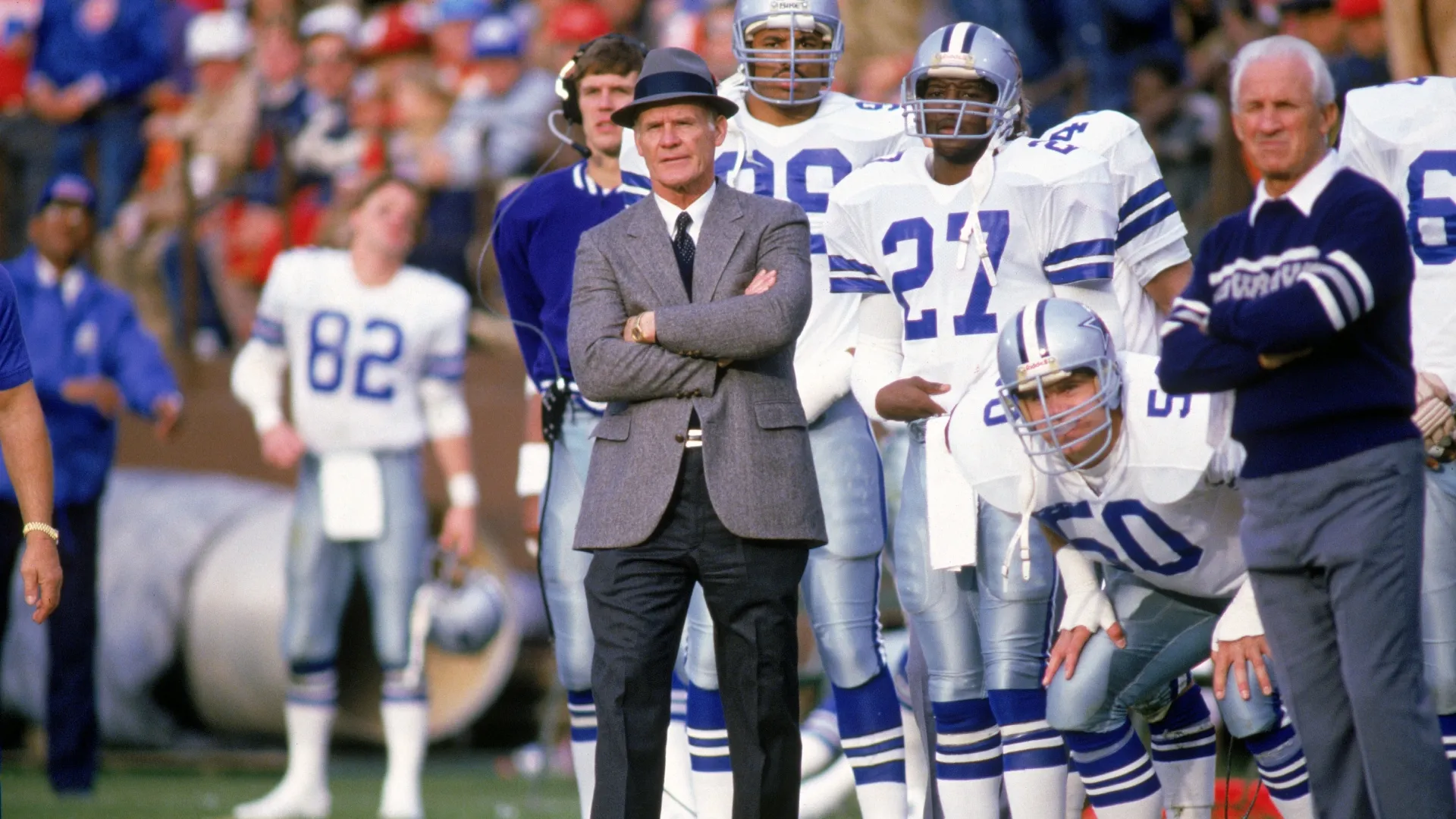
1960 Dallas Cowboys (Source: Otto Greule Jr./Getty Images)
The year 1960 marked a foundational milestone and a brutal welcome for the Dallas Cowboys. This wasn’t merely the debut of one of the sport’s most valuable and recognized franchises, but also the baptism by fire that would forge their character.
Under the guidance of the legendary Tom Landry, the team entered the fray with a roster that was, frankly, more a collection of young prospects and cast-offs than a cohesive unit.
The final balance sheet was a stark 0 wins, 11 losses, and 1 tie, earning them the distinction of being, in the eyes of many historians, the first modern team to complete a season without a single victory.
The only moment of respite came in a 31-31 tie against the Steelers in Week 12. The historical footnote is vital: although the record is infamous, the nucleus of this struggling season laid the groundwork for future greatness, proving that even the worst defeats can be the prelude to an empire. The true “birth of America’s Team” was a difficult labor.
1976 Tampa Bay Buccaneers: The wit of John McKay (0-14)
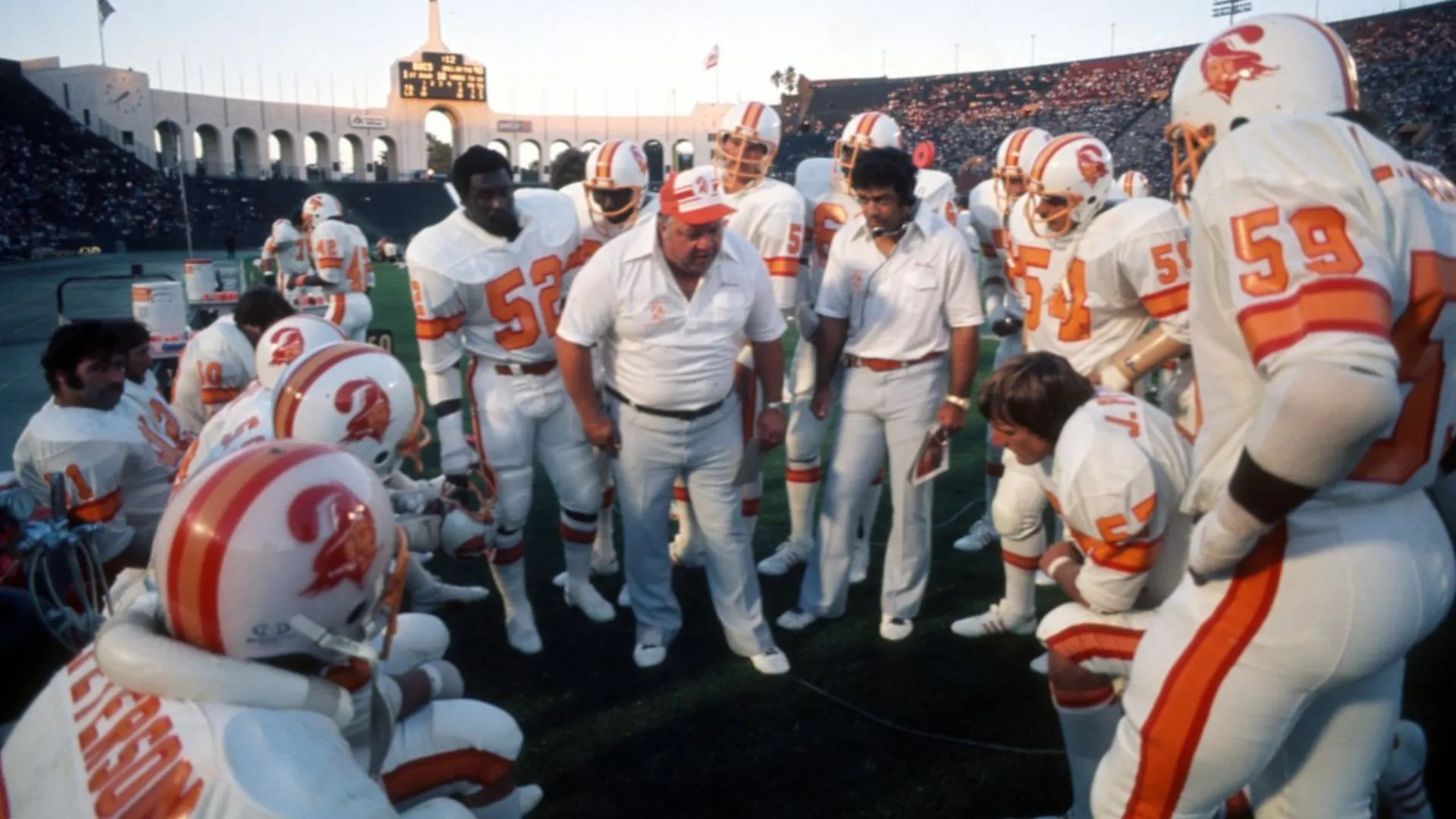
1976 Tampa Bay Buccaneers (Source: Tampa Bay Buccaneers)
If American football were a stage play, the inaugural season of the Tampa Bay Buccaneers would be a tragic comedy of errors. In 1976, the NFL expansion brought these “Bucs” to the league, led by the charismatic and often sarcastic head coach John McKay.
McKay became famous for his handling of the media amidst the disaster. When questioned about the team’s poor execution, he supposedly delivered the iconic line: “We have our moments. We see about 40 minutes of terrible football and 20 minutes of mistakes“.
The final record was a humiliating 0-14, but the magnitude of the failure goes beyond the win column: the Bucs lost their first 26 games in total (including 1977), establishing a losing streak record that is virtually unbreakable in the modern era.
This season is a case study on the immense difficulty of building a franchise from scratch, becoming the gold standard for winless campaigns in the 14-game schedule era.
1982 Baltimore Colts: The strike that couldn’t help (0-8-1)
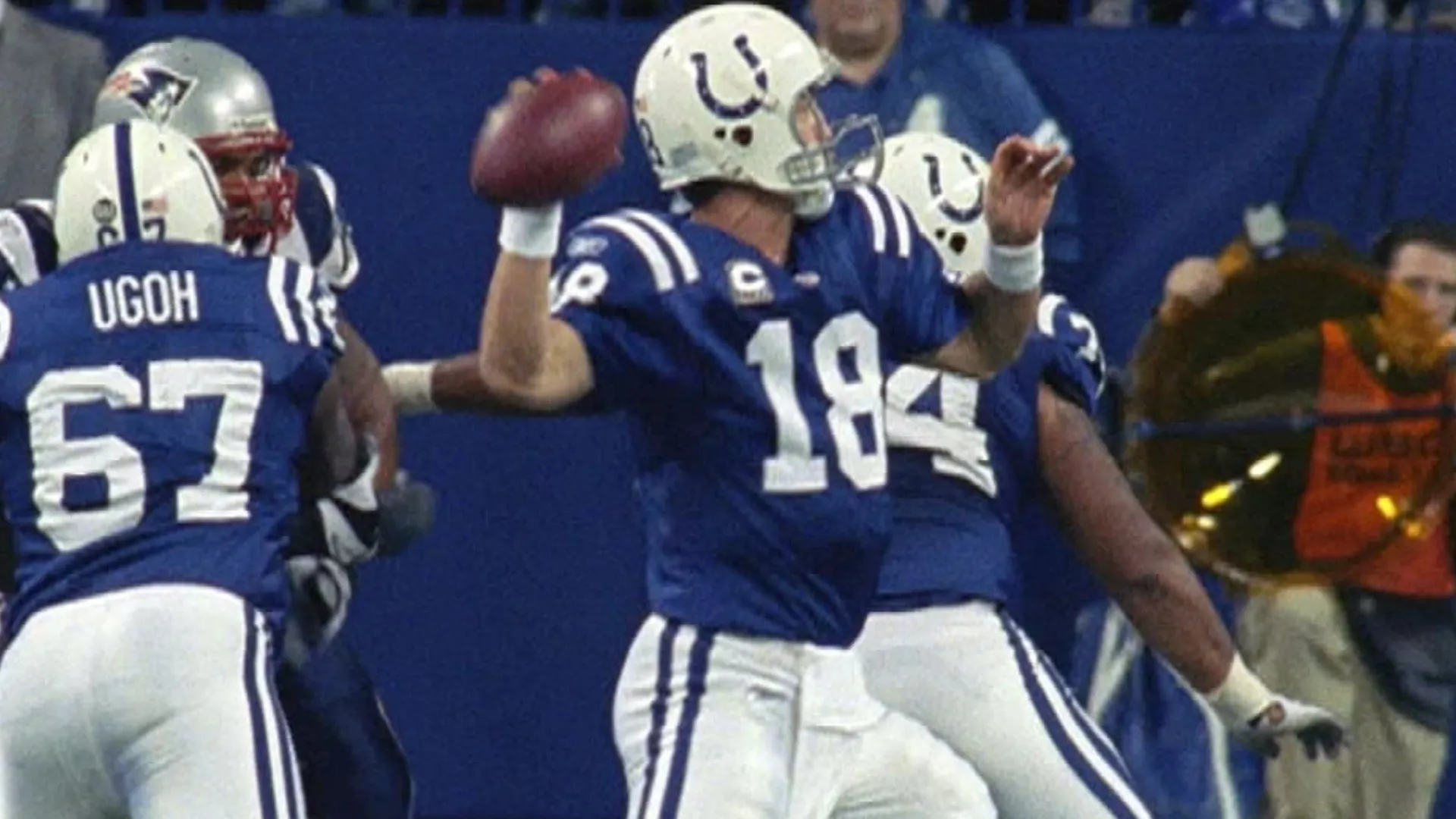
1982 Baltimore Colts (Source: Colts.com)
In an atypical year marked by labor friction, the Baltimore Colts managed the dubious feat of being the only team in this exclusive club to achieve this low point during the strike era.
The 1982 season was interrupted by a player walkout that reduced the calendar to just nine games. One would hope a shorter campaign offered an escape route, a chance to “stumble” into a victory. It was not to be.
The Colts, a team already struggling with identity and performance issues, simply could not crack the winning formula. Their final ledger of 0-8-1 felt particularly bitter, as they ended the campaign with a tie against the divisional rival Chargers in the final game.
The team not only failed to secure a win, but its offensive performance was anemic and the defense rarely contained opponents. This sad balance was, for many, a foreshadowing of what was to come: the eventual and painful relocation of the team to Indianápolis two years later.
2008 Detroit Lions: The modern era’s disgrace (0-16)
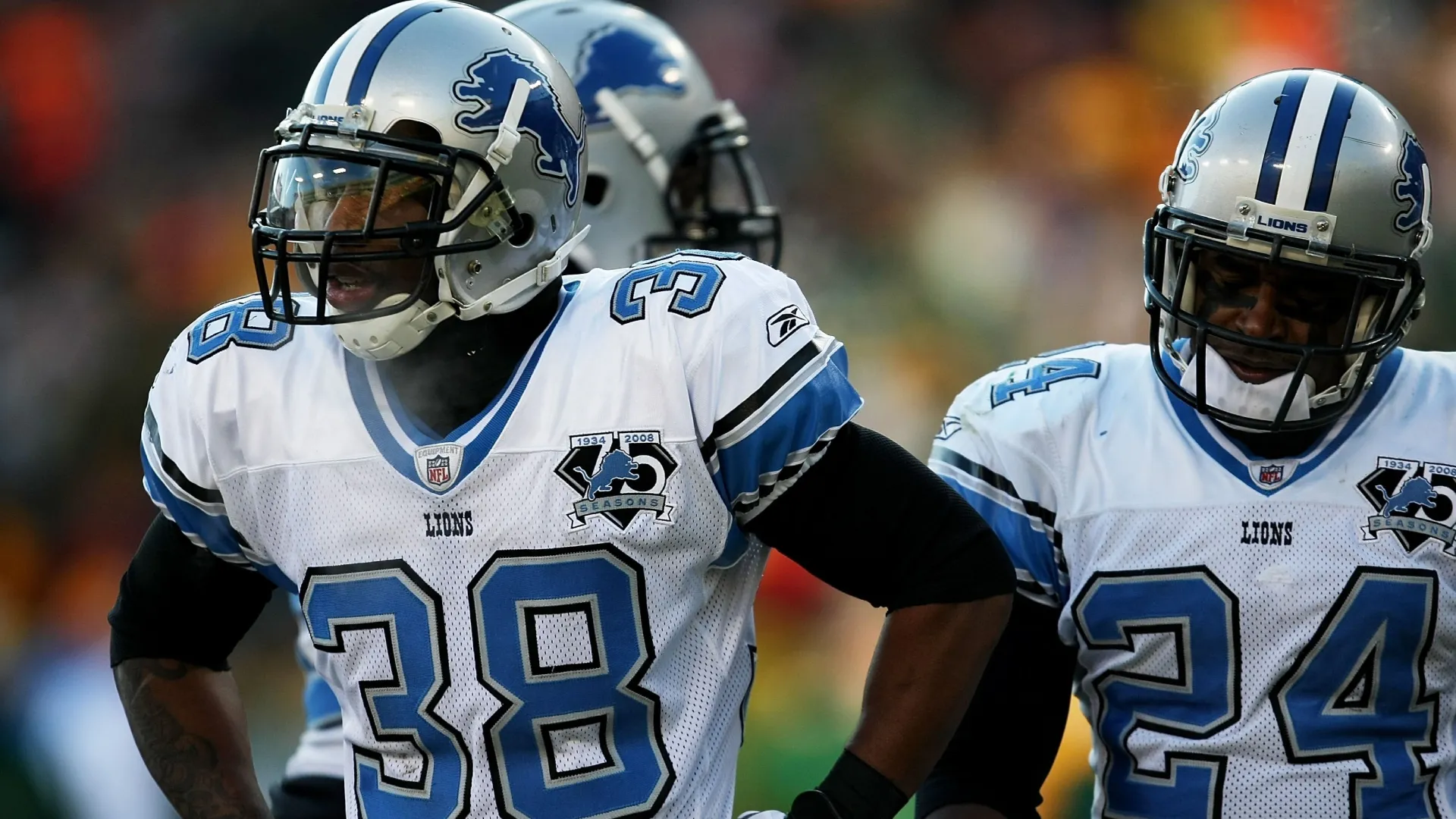
2008 Detroit Lions (Source: Jonathan Daniel/Getty Images)
2008 was the year of implosion for the Detroit Lions. In the era of the 16-game regular schedule, this team became synonymous with total failure, setting a mark few believed possible: the infamous 0-16. What makes this season particularly memorable is not just the lack of wins, but the talent that, incredibly, failed to generate a single triumph.
Figures like wide receiver Calvin Johnson, though still young, were part of a locker room that seemed incapable of closing out games. The season was plagued by close losses that slipped away in the fourth quarter, indicating that the problem wasn’t always a lack of effort, but a profound lack of leadership and a winning mentality in crucial moments.
The final nail in the coffin was a loss in the last game against the Packers, sealing their destiny and carving the name of the 2008 Lions into the history books as the first NFL team to lose every game in a full 16-game schedule.
2017 Cleveland Browns: An 18-month calamity (0-16)

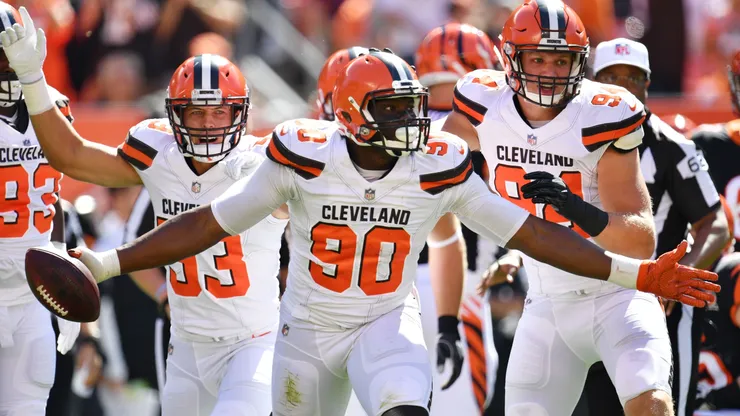
Kenny Britt #18 of the Cleveland Browns in 2017. (Source: Gregory Shamus/Getty Images)
The Cleveland Browns of 2017 not only repeated the 0-16 mark set by the Lions, but they did so in the context of a losing streak that spanned across seasons, reaching 17 consecutive losses (including the end of the 2016 season).
Led by Hue Jackson, the franchise seemed to have found the absolute nadir of its already turbulent existence. This season was not just a series of defeats, but a testament to the organization’s instability, with constant changes in management and the quarterback position.
The worst offense, perhaps, was the loss in Week 17, a “winnable” encounter against the Pittsburgh Steelers, who were playing many backups to rest their stars for the playoffs. Cleveland had the chance to avoid the zero, but succumbed once again, securing their place alongside Detroit.
The 0-16 felt less like an accident and more like the inevitable culmination of years of mismanagement. It remains a deep stain on the history of one of the league’s oldest franchises.