
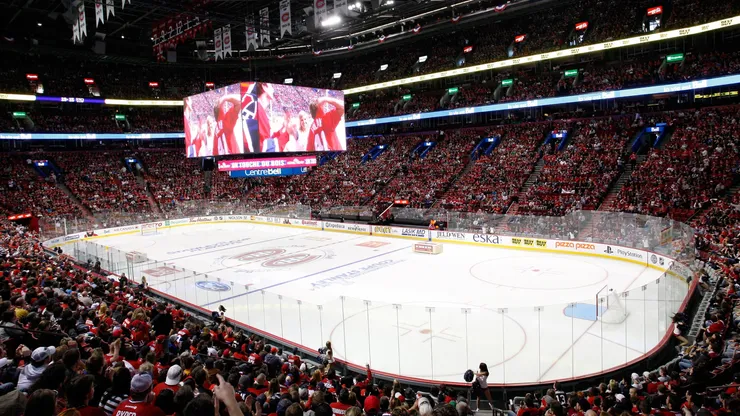
From the frozen rinks of Canada to the high-tech arenas of the U.S., every NHL venue has its own story. Some echo with decades of history, others dazzle with modern luxury—but all share one thing: the roar of the crowd.
Whether a venue holds just over 15,000 or nearly 22,000, every seat counts on a Friday night. Across North America, these concrete cathedrals of ice rise as monuments to the sport’s fiercest rivalries and unforgettable moments.
Beyond the game itself, arena size can shape everything. Some venues feel like intimate stages, others like vast coliseums built for legends. Which NHL arena truly reigns supreme, and how do the rest stack up?
32. Canada Life Centre – 15,321 | Winnipeg Jets
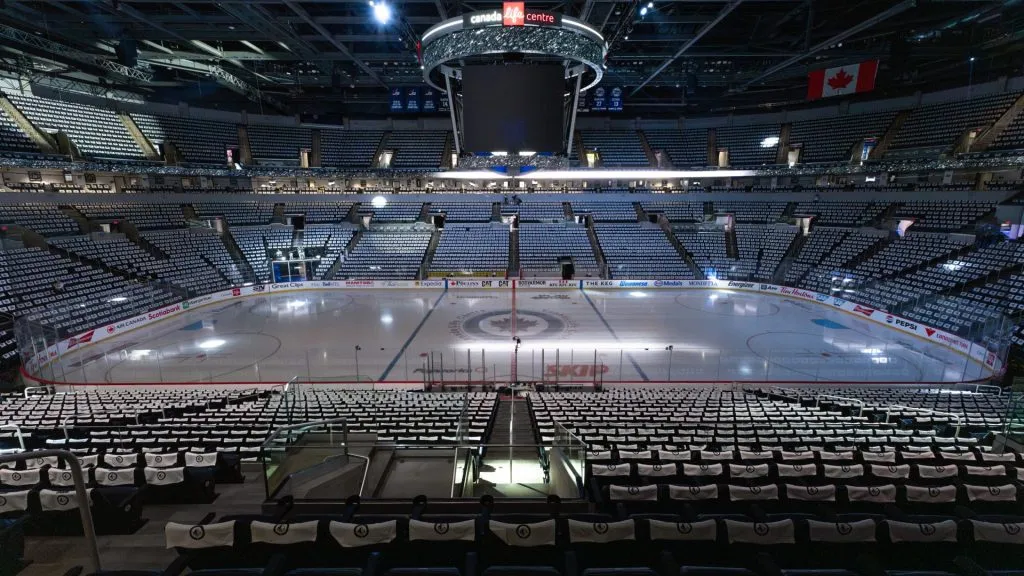
Canada Life Centre (Source: Cameron Bartlett/Getty Images)
The Canada Life Centre, located in the heart of downtown Winnipeg, has the distinction of being one of the smallest arenas in the NHL. Its seating capacity for the Winnipeg Jets is 15,321, a figure well below the league average. Yet, this arena is known league-wide for its overwhelming atmosphere.
The small size is intentional, allowing the city to sustain a guaranteed full house, a powerful symbol of the unwavering commitment of Winnipeg’s “True North” hockey market. The compact design ensures that the volume and passion of every one of the 15,321 fans create a focused, high-pressure environment that is often cited as one of the most intense experiences in the entire National Hockey League.
31. Delta Center – 16,200 | Utah Mammoth
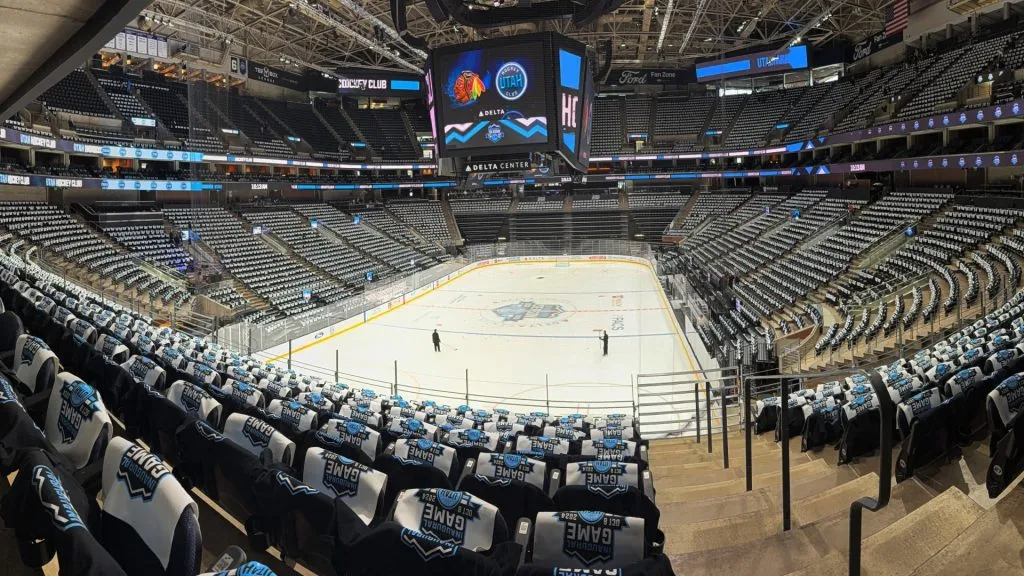
Delta Center (Source: Bruce Bennett/Getty Images)
The arrival of the Utah Hockey Club at the Delta Center in Salt Lake City marks a unique transitional entry into the NHL capacity rankings. Initially built for basketball, the arena’s current configuration for hockey has been a challenge, with a previous capacity cited as low as 12,478.
However, ongoing multi-year renovations are specifically aimed at transforming the arena into a dual-sport venue. The ultimate goal is to increase the permanent hockey seating to approximately 17,000. The capacity of 16,200 in the prompt likely reflects an early, immediate seating arrangement.
30. Prudential Center – 16,514 | New Jersey Devils
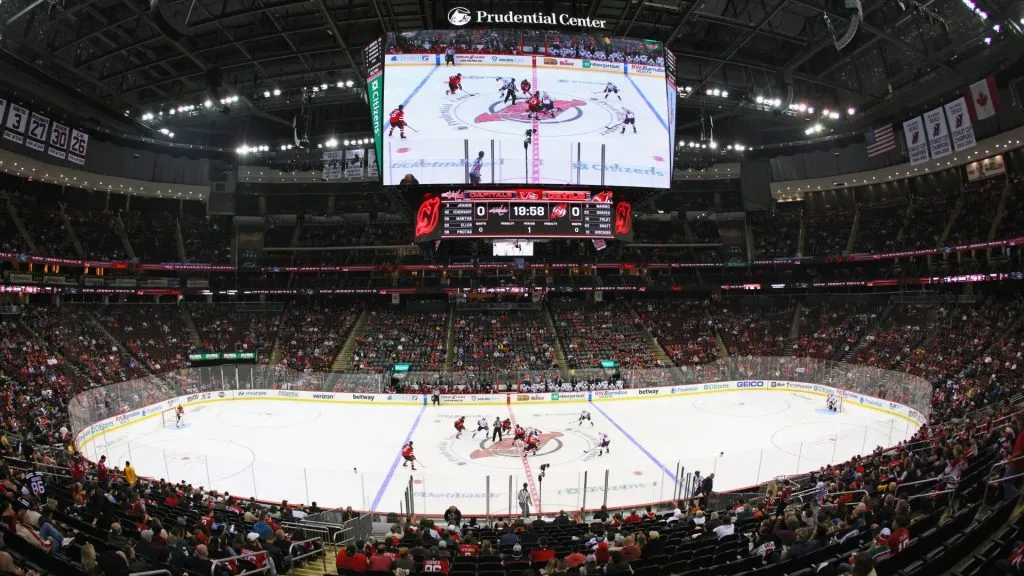
Prudential Center (Source: Bruce Bennett/Getty Images)
Known by its nickname, “The Rock”, the Prudential Center serves as the dynamic home for the New Jersey Devils in downtown Newark. Its seating capacity for hockey is 16,514, placing it firmly in the lower tier of large NHL arenas. However, its design prioritizes verticality and acoustics, ensuring that the relatively smaller capacity is intensely amplified.
The arena’s dark-red exterior pays homage to the city’s brick-making past, and the atmosphere inside is just as gritty and robust. The smaller size fosters a tight, focused energy, essential for a team competing in the massive New York metropolitan market, allowing the dedicated Devils fans to generate an intimidating environment.
29. Climate Pledge Arena – 17,151 | Seattle Kraken
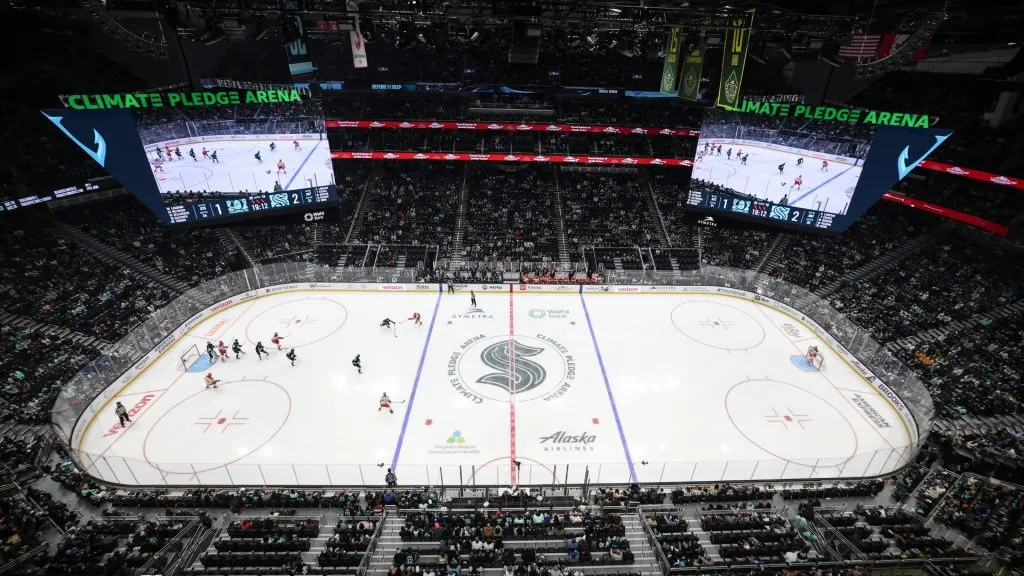
Climate Pledge Arena (Source: Steph Chambers/Getty Images)
The Climate Pledge Arena is one of the most unique buildings in professional sports, famous for preserving its historic 1962 roof while excavating the entire bowl underneath. This architectural marvel is the sleek, modern home of the expansion Seattle Kraken.
With a hockey capacity of 17,151, the arena was designed to maximize fan experience, not just seating volume. The connection to the Kraken is one of fierce, instantaneous demand: the team received applications for 32,000 season tickets for a venue that holds just over 17,000. This mismatch guarantees a full, energetic house every night, making the Climate Pledge Arena a fortress of focused, sustainable, and intense fan fervor.
28. Bridgestone Arena – 17,159 | Nashville Predators
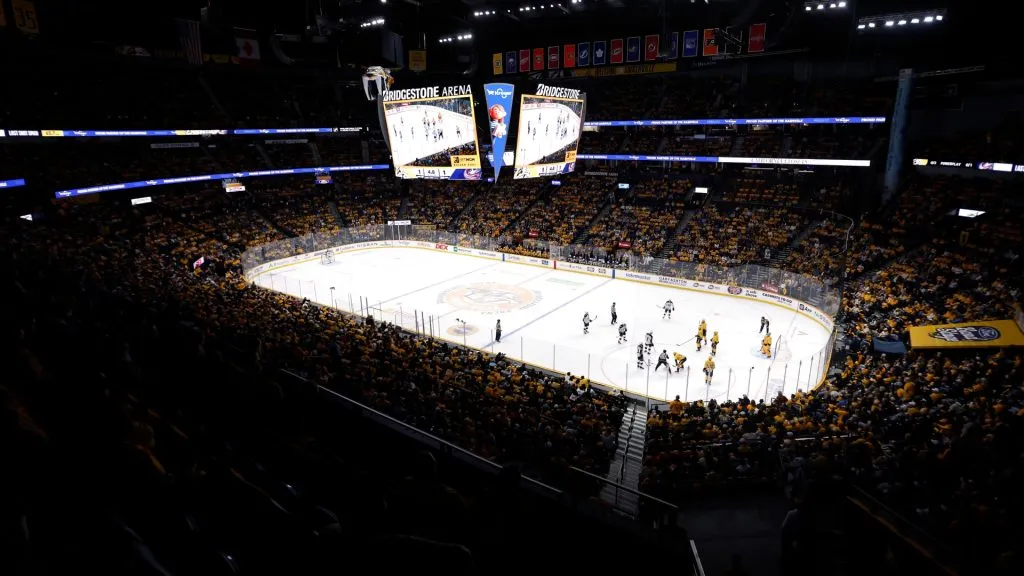
Bridgestone Arena (Source: Johnnie Izquierdo/Getty Images)
The Bridgestone Arena in Nashville is famous globally for its raucous atmosphere during Nashville Predators games—a phenomenon known as “Smashville.” The official hockey capacity is 17,159. Though this places it lower on the overall list, the arena’s design ensures a legendary experience.
A notable feature is the oddly-shaped south end, which brings the upper-level seats closer to the ice, effectively turning the large crowd into a vertically stacked wall of sound. This strategic design, combined with the city’s entertainment focus, means the large seating capacity is utilized to its maximum emotional effect, making it one of the most notoriously loud venues in the entire NHL.
27. Honda Center – 17,174 | Anaheim Ducks
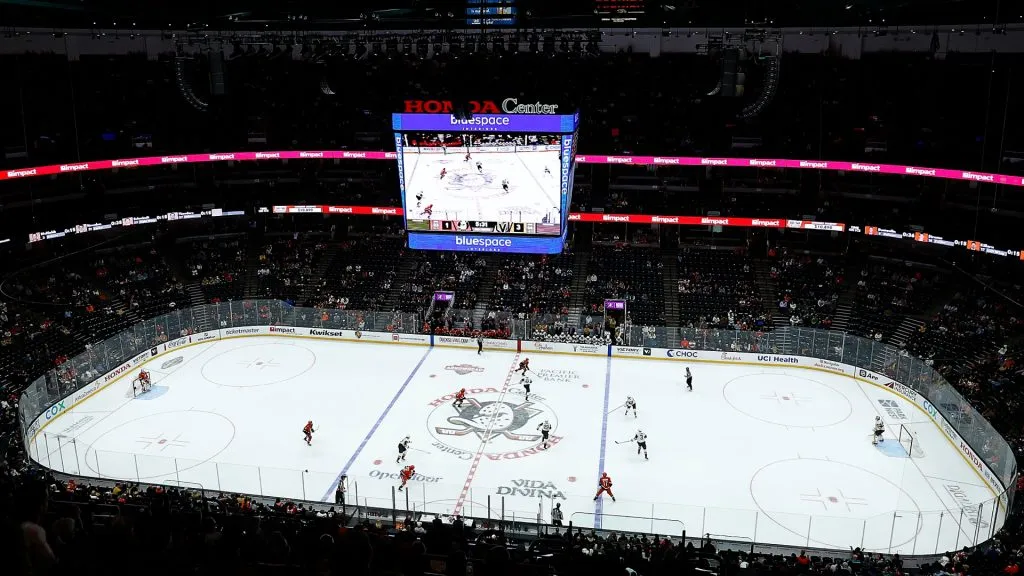
Honda Center (Source: Ronald Martinez/Getty Images)
The Honda Center, affectionately known as “The Pond,” is the long-time home of the Anaheim Ducks. Located in Anaheim, the arena has a fixed capacity of 17,174 seats for hockey games. While some local reports cite a higher overall figure, the official seating for hockey is a precise number that helps concentrate the crowd’s energy.
The arena is famous for its history of big moments, and its capacity ensures that the atmosphere remains dense and impactful, a consistent rallying point for fans who have supported the Ducks since their entry into the league in 1993. The Honda Center proves that great acoustics and a compact crowd can outweigh massive capacity when it comes to creating a home-ice advantage.
26. UBS Arena – 17,255 | New York Islanders
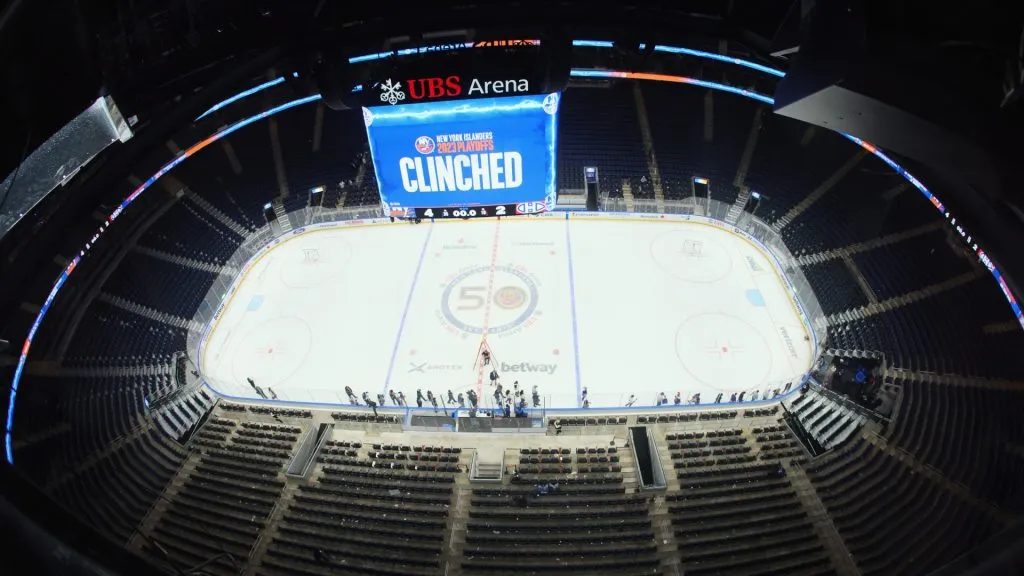
UBS Arena (Source: Bruce Bennett/Getty Images)
The UBS Arena is the newest home for the New York Islanders, marking a decisive return to Long Island. Completed in 2021, the venue was designed specifically for hockey and concert acoustics. Its capacity of 17,255 is a significant figure that reflects the team’s dedicated following, but the arena’s focus is less on sheer volume and more on a premium, intimate experience.
The facility boasts features that bring fans closer to the action than in many older arenas. The large capacity, combined with its modern design, finally gives the Islanders the powerful, purpose-built home worthy of their passionate and dedicated fan base.
25. T-Mobile Arena – 17,367 | Vegas Golden Knights
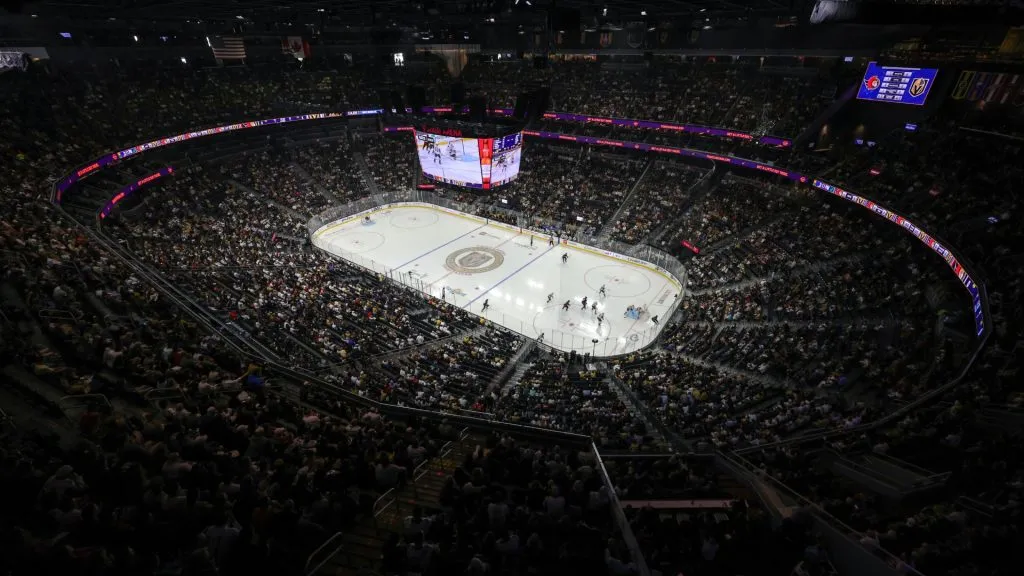
T-Mobile Arena (Source: Ethan Miller/Getty Images)
The T-Mobile Arena is a marquee venue on the Las Vegas Strip and the sparkling home of the Vegas Golden Knights. Designed with modern entertainment in mind, its dedicated hockey capacity is a robust 17,367 seats, which is intentionally maximized to capitalize on the city’s tourism and massive local support.
The atmosphere here is a spectacle, built on a foundation of theatrical pre-game shows and sustained, high-energy noise from a fan base that adopted the sport instantly. Despite being a relatively smaller venue compared to the league leaders, its high sellout rate and electric environment make it one of the most successful and intimidating arenas in the NHL.
24. SAP Center – 17,435 | San Jose Sharks
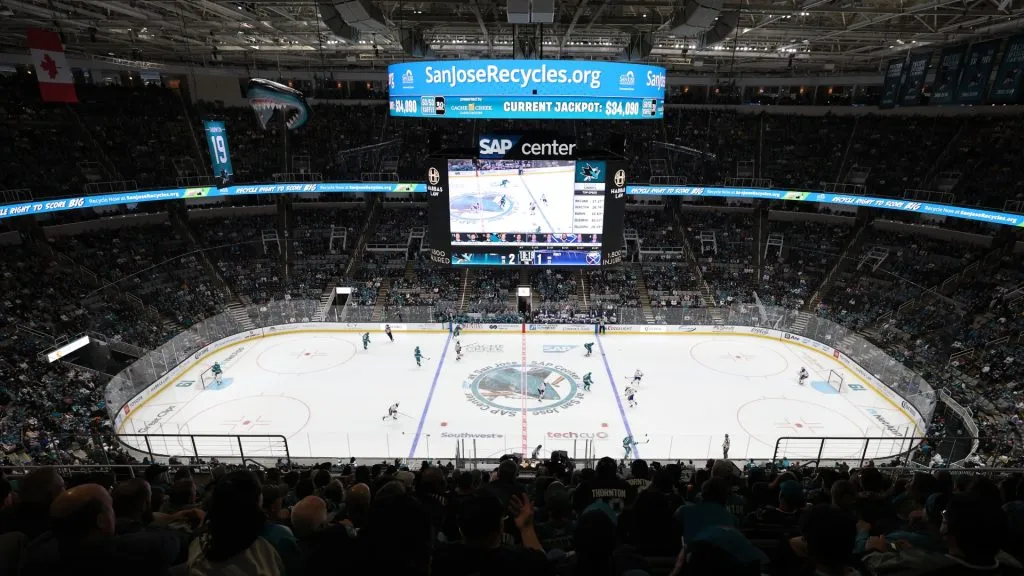
SAP Center (Source: Ezra Shaw/Getty Images)
Known universally as “The Shark Tank”, the SAP Center in San Jose is the intimidating home of the San Jose Sharks. Its capacity, commonly listed as 17,435 for hockey, creates an environment where the acoustics are notoriously loud and the seating feels very close to the action.
The arena is characterized by its steep upper deck and its reputation for a raucous, loyal crowd, which often generates ear-splitting noise during key moments. The facility successfully balances a large capacity with a design that emphasizes proximity, making it a distinct and hostile venue for opponents traveling to Northern California.
23. TD Garden – 17,565 | Boston Bruins
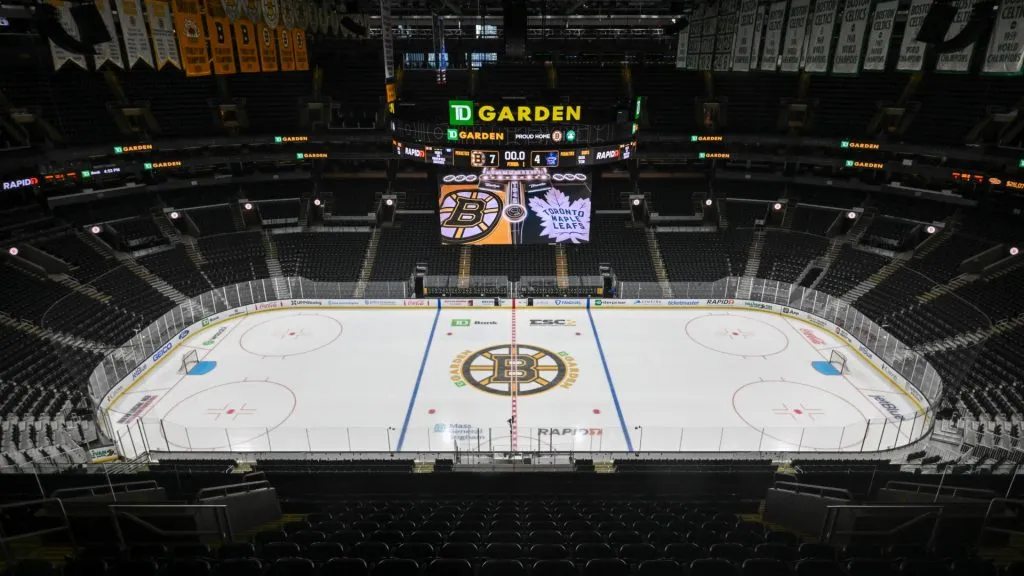
TD Garden (Source: Brian Fluharty/Getty Images)
The TD Garden sits atop the busy North Station transportation hub in Boston, serving as the intense home for the Boston Bruins. While some sources list the capacity around 17,565, the official capacity is often cited at 17,850 for hockey games.
This capacity is a slight step down from the league giants, but the arena’s tight vertical design and close proximity to the ice create an overwhelmingly loud, compact environment. The “Garden” is steeped in history and intensity, ensuring that every seat is filled by fans who embody the tough, competitive spirit of the Bruins, creating one of the most difficult environments for an opposing team to thrive in.
22. Ball Arena – 17,809 | Colorado Avalanche
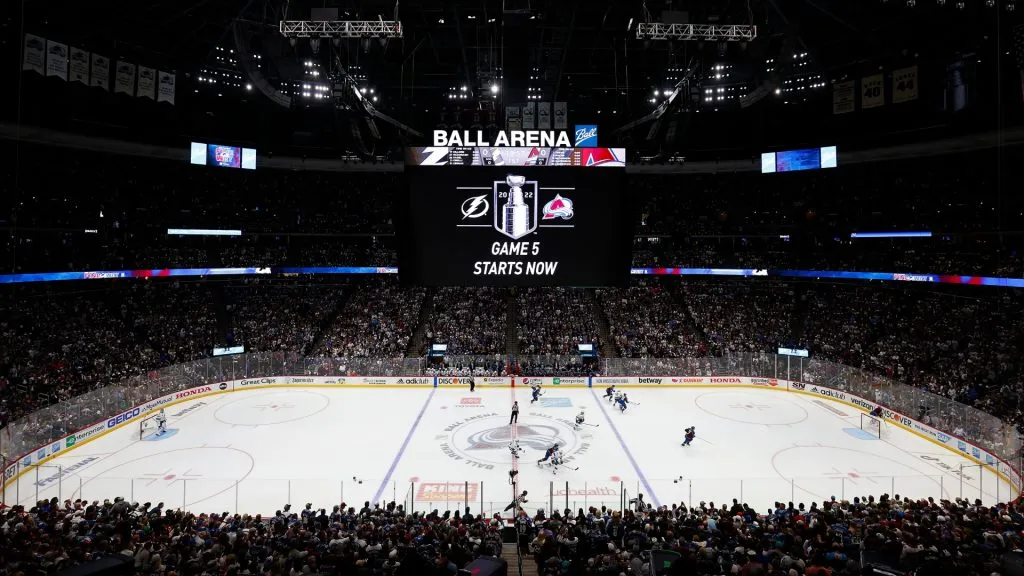
Ball Arena (Source: Justin Edmonds/Getty Images)
The Ball Arena in Denver is the modern, multi-use home of the Colorado Avalanche. Situated at a high altitude, the venue provides a massive stage for the high-flying action of the team, with a hockey-specific capacity of 18,007.
The arena features a distinctive three-level seating layout, known for its quality sightlines that enhance the viewing experience for the nearly 17,809 fans. The ability to host such large, passionate crowds is a testament to the Avalanche’s success and their standing as a premier destination for hockey in the Mountain West, making the atmosphere a tough challenge for any visitor.
21. Grand Casino Arena – 17,954 | Minnesota Wild
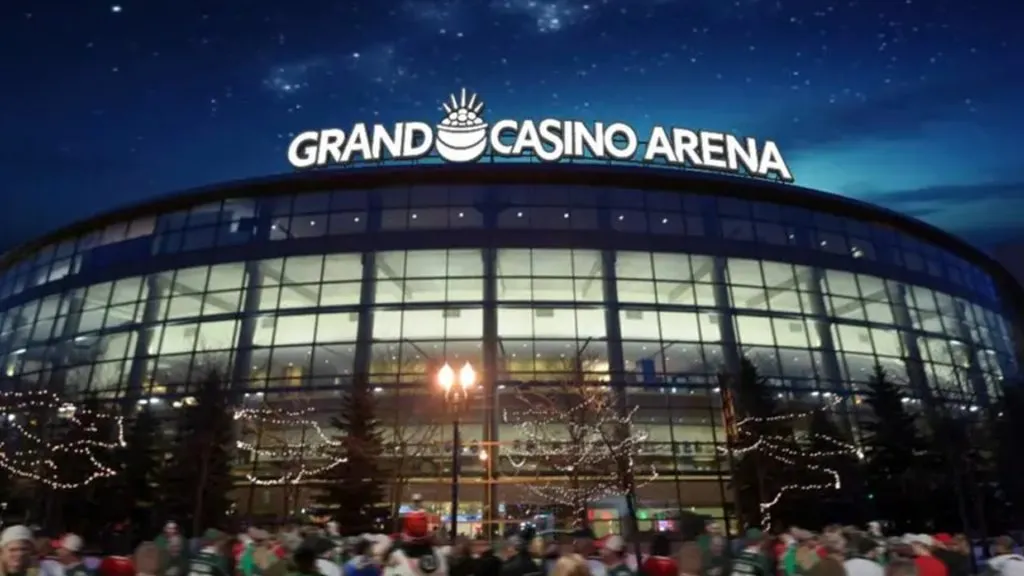
Grand Casino Arena (Source: NHL)
The Xcel Energy Center (often cited as the Grand Casino Arena in the past) is more than just a home for the Minnesota Wild; it is the spiritual center of the “State of Hockey.” Located in Saint Paul, this highly-regarded arena has an official capacity of 17,954 seats.
In a state where youth hockey participation is among the highest in the US, this large capacity is necessary to contain the intense devotion of Minnesotans. The arena’s structure, featuring four spectator levels, is designed to ensure that the collective enthusiasm of the crowd is channeled directly onto the ice, creating a loud, knowledgeable environment that celebrates every facet of the game.
20. Madison Square Garden – 18,006 | New York Rangers
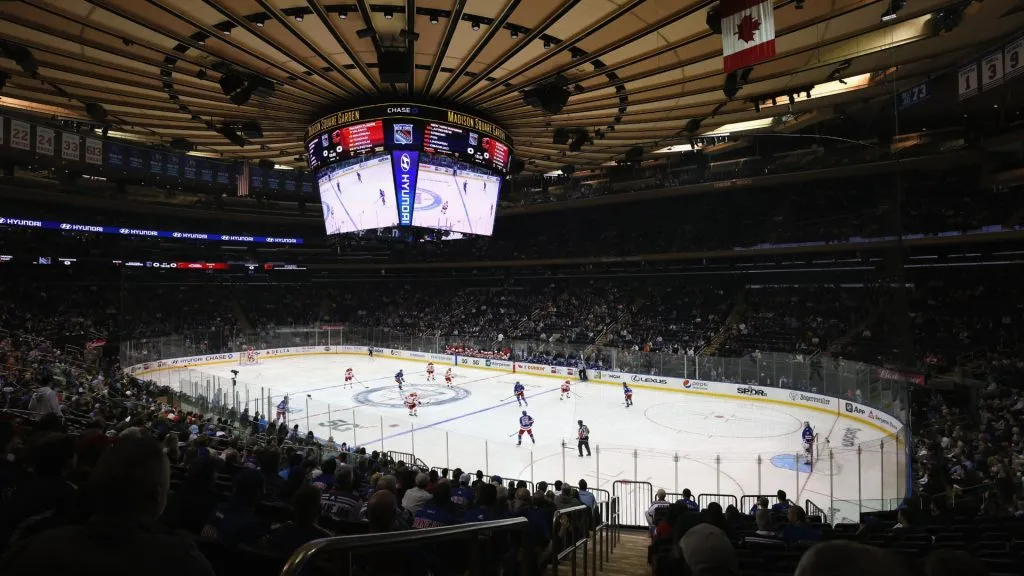
Madison Square Garden (Source: Bruce Bennett/Getty Images)
The Madison Square Garden in New York City is an arena that transcends sports—it is a global icon. As the home of the New York Rangers, its status as the oldest and most famous venue on this list gives its capacity a unique gravitas. The official hockey capacity is 18,006, a relatively modest number compared to the Bell Centre, but every one of those seats is a premium ticket in the world’s most competitive market.
The Garden’s close, circular configuration and its position beneath other buildings create a dense, vertical atmosphere where the crowd noise, particularly during playoff games, achieves a legendary status, making this 18,000-seat bowl one of the most intimidating buildings to play in.
19. Enterprise Center – 18,096 | St. Louis Blues
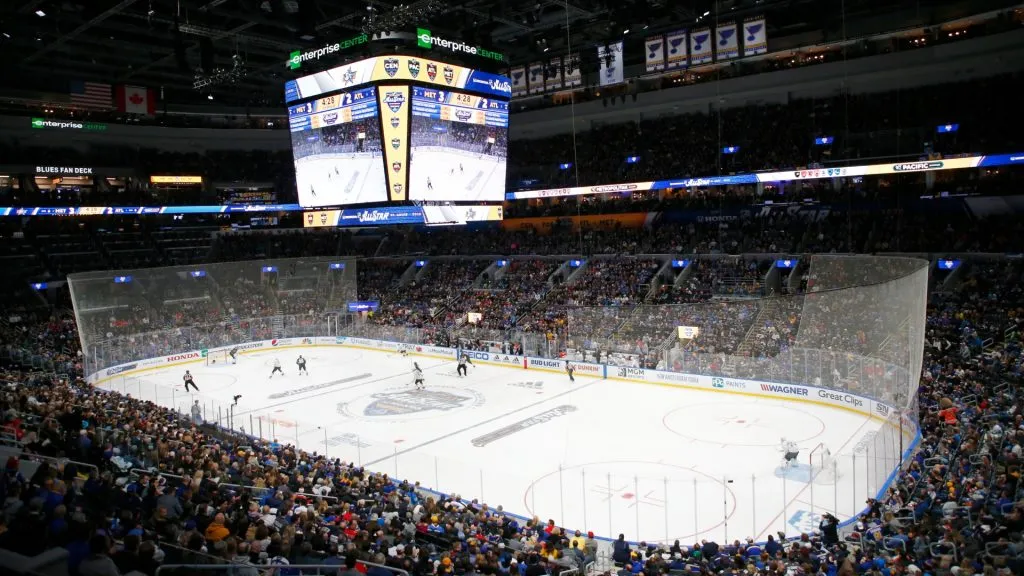
Enterprise Center (Source: Dilip Vishwanat/Getty Images)
Deep in the heart of St. Louis, the Enterprise Center stands as the definitive home of the St. Louis Blues. This venerable downtown venue, which underwent a major renovation in recent years, provides a perfect stage for the city’s blue-collar hockey identity, with a seating capacity of 18,096.
The atmosphere in this multi-tiered arena is legendary, particularly since the team’s recent Stanley Cup victory. The large capacity enables the crowd to generate a sonic intensity that is synonymous with St. Louis hockey—a powerful, sustained noise that makes the building feel tight and electric, maximizing the emotional output of nearly 18,100 fans.
18. Nationwide Arena – 18,144 | Columbus Blue Jackets
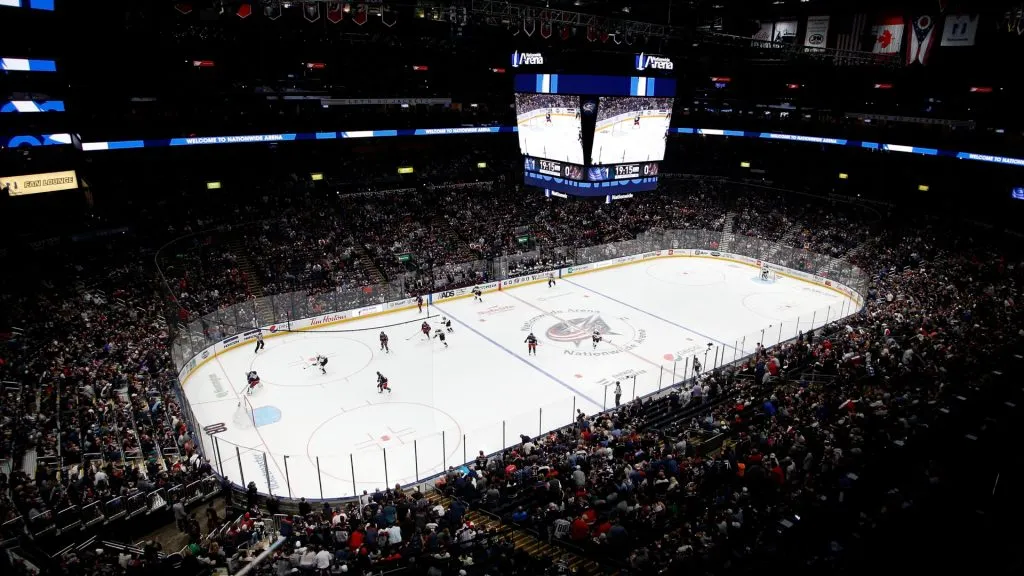
Nationwide Arena (Source: Kirk Irwin/Getty Images)
The Nationwide Arena is the anchor of the vibrant Arena District in downtown Columbus, serving as the powerful home for the Columbus Blue Jackets. With a seating capacity of 18,144 for hockey, this arena is built to be a focal point for large gatherings.
The venue’s massive 748,000-square-foot facility is designed for maximum flexibility and large-scale events, yet it retains a strong connection to the team. Blue Jackets fans, known for their powerful noise and the tradition of the cannon salute, ensure that the arena’s substantial capacity is routinely utilized to generate one of the loudest environments in the league, making Central Ohio a surprisingly tough stop for visiting teams.
17. Crypto.com Arena – 18,230 | Los Angeles Kings
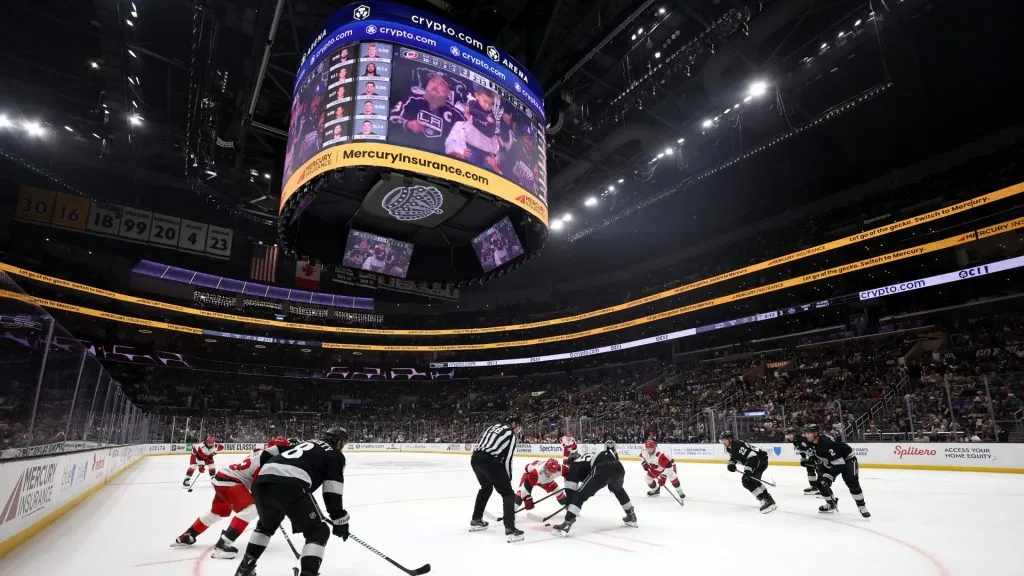
Crypto.com Arena (Source: Luke Hales/Getty Images)
Located in downtown Los Angeles, the Crypto.com Arena (formerly STAPLES Center) is a high-profile multi-sport venue that has hosted countless historic moments for the Los Angeles Kings. Sharing the building with the NBA’s Lakers means the arena must adapt constantly, but its dedicated hockey capacity sits around 18,230, which comfortably places it in the top half of the NHL’s venues.
The arena’s impressive scale is matched by its luxurious amenities, including 162 private suites, necessary for the high-end entertainment market of Southern California. For the Kings, the large capacity means they can consistently draw powerful crowds for their rivalries, transforming the venue from a star-studded concert hall into a cold, fierce hockey battleground.
16. Rogers Place – 18,347 | Edmonton Oilers
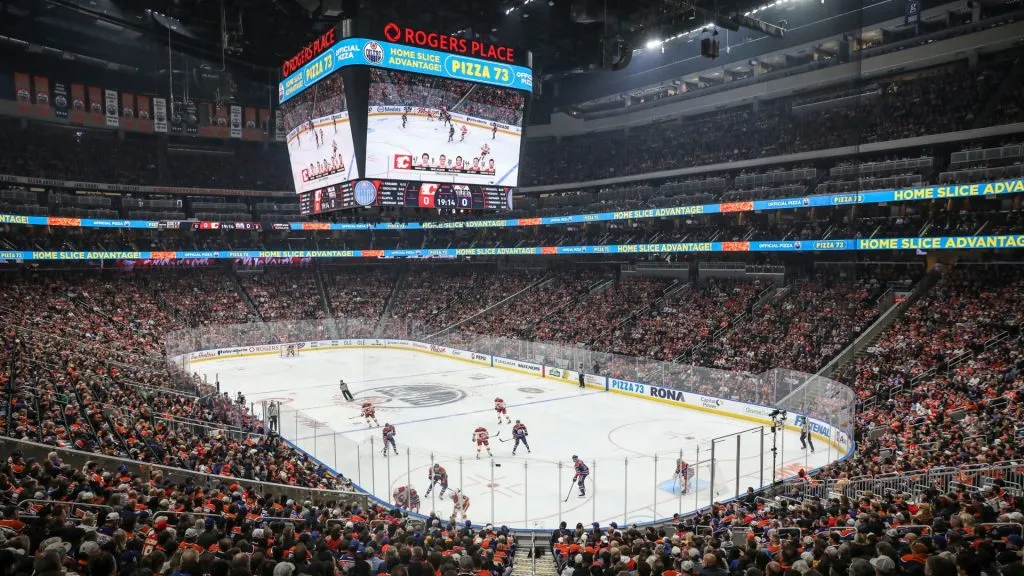
Rogers Place (Source: Codie McLachlan/Getty Images)
A relatively new addition to the NHL scene, Rogers Place in Edmonton is the gleaming centerpiece of the city’s Ice District. Home to the Edmonton Oilers, the arena was engineered with a significant capacity, most commonly cited at 18,500 for hockey, slightly above the provided 18,347 figure.
This capacity is essential for containing the high-octane energy generated by the Oilers’ superstar-fueled roster and their fiercely loyal Albertan following. The arena’s architecture includes unique features like the gondola seating and over 9,300 lower bowl seats, maximizing the crowd’s proximity and noise level, ensuring that every seat contributes to a loud, unified force behind the team.
15. PPG Paints Arena – 18,387 | Pittsburgh Penguins
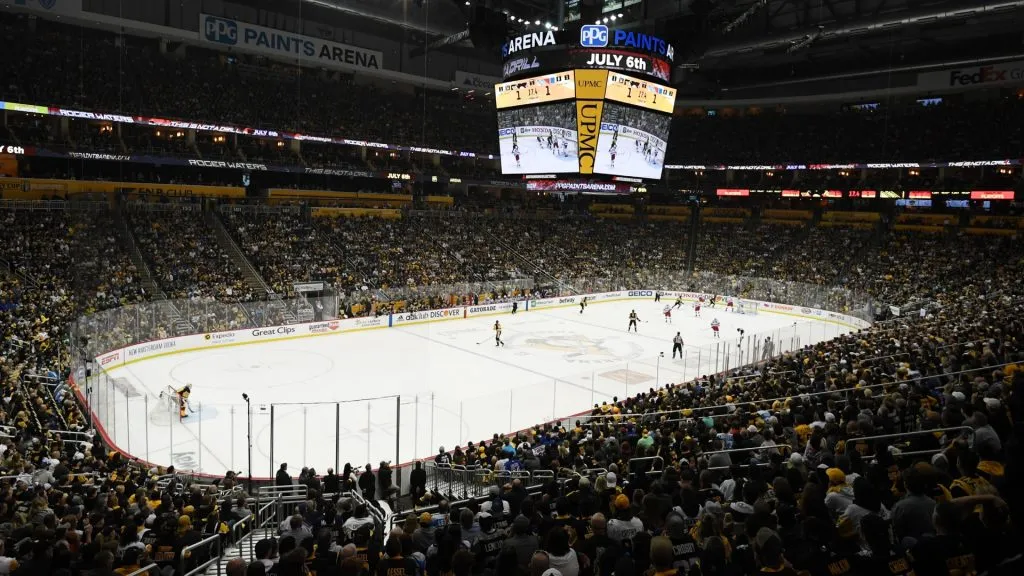
PPG PAINTS Arena (Source: Emilee Chinn/Getty Images)
Rounding out this grouping is the PPG Paints Arena in Pittsburgh, the sleek, modern home of the celebrated Pittsburgh Penguins. Opened in 2010 to replace the venerable Mellon Arena, this stadium has a seating capacity of 18,387 for hockey.
It represents the successful blend of modern fan comforts with the demands of a high-capacity championship market. The arena’s design is known for its excellent sightlines, ensuring that all 18,000-plus fans have a premium view of the action. The capacity here is a direct reflection of the Penguins’ status as a dominant NHL franchise, guaranteeing that this venue is consistently filled with a knowledgeable and dedicated crowd.
14. American Airlines Center – 18,532 | Dallas Stars
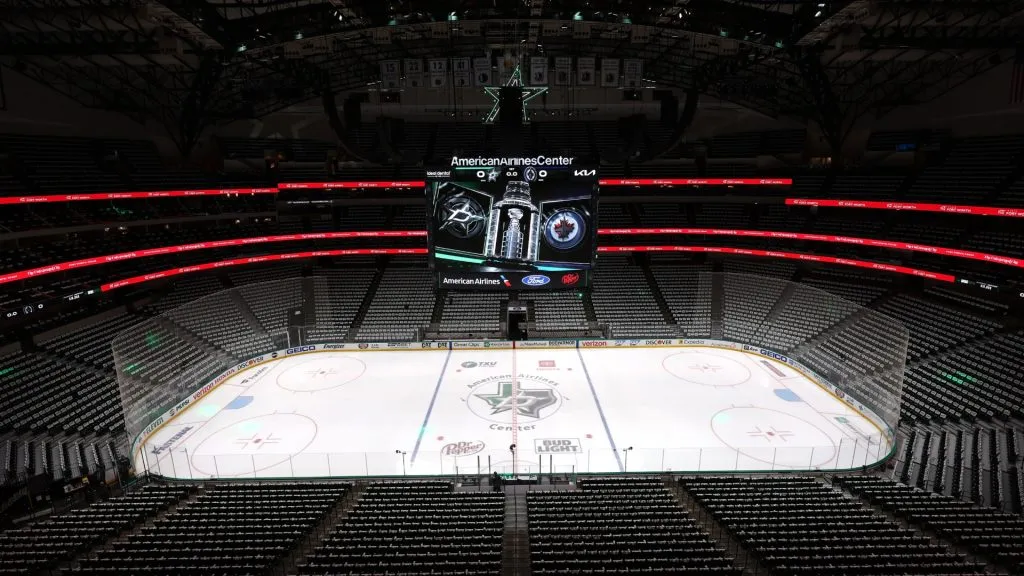
American Airlines Center (Source: Sam Hodde/Getty Images)
In the heart of Dallas, the American Airlines Center (AAC) brings big Texas scale to the ice. Home to the Dallas Stars, the arena is a multi-sport marvel that utilizes retractable seating to perfectly tailor the experience. Its capacity for a Stars game is set at 18,532, creating an “up-close action-heavy” atmosphere.
The sheer volume of the arena allows the team to showcase the growth of hockey in the Sun Belt. The AAC is a symbol of versatility and ambition, with its 105 luxury suites and large concourses accommodating a massive crowd that turns the building into a loud, electric dome for every face-off.
13. Capital One Arena – 18,573 | Washington Capitals
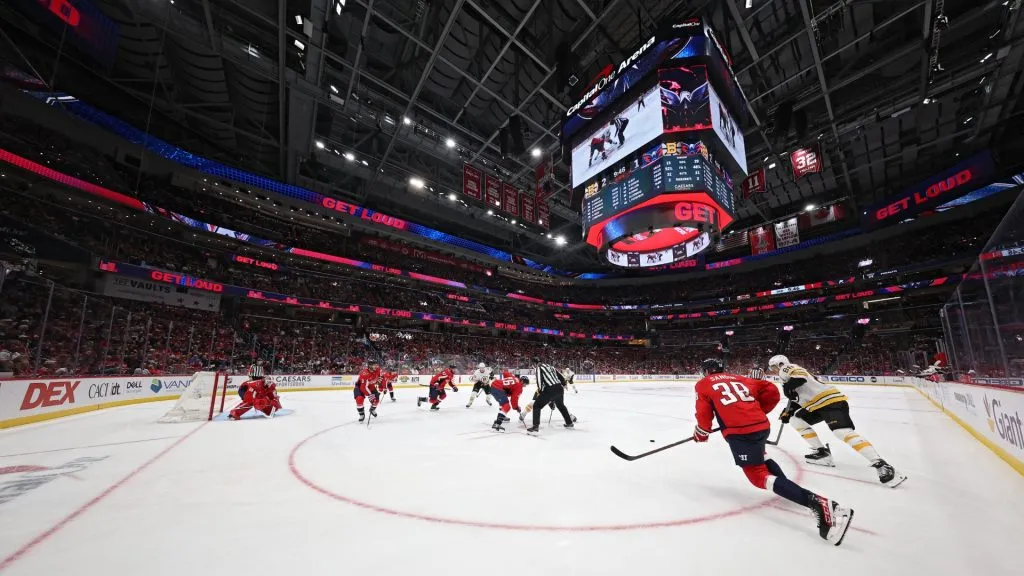
Capital One Arena (Source: Patrick Smith/Getty Images)
The Capital One Arena anchors the revitalized Penn Quarter neighborhood of Washington, D.C., acting as a vibrant entertainment hub. It is the fortress for the Washington Capitals and their loyal following. While the venue has an overall seating capacity often noted near 20,000, the hockey-specific capacity is generally listed at 18,573.
The arena’s strength lies in its prime urban location, drawing massive, diverse crowds to its gates for every game. This major capacity allows the “Caps” to harness the energy of the nation’s capital, with a collective fan voice that has grown exponentially louder following their historic Stanley Cup victory.
12. Lenovo Center – 18,700 | Carolina Hurricanes
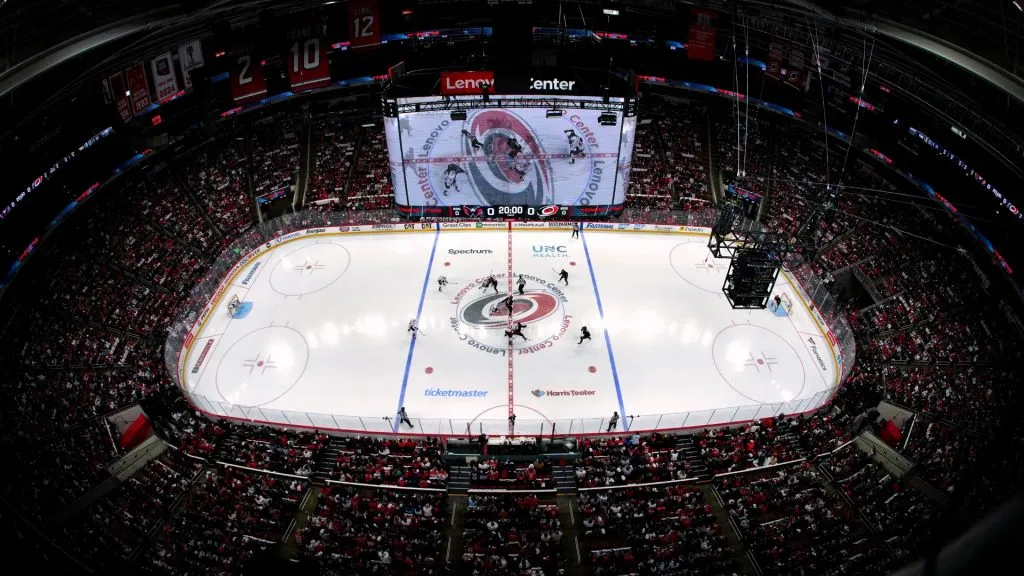
Lenovo Center (Source: Grant Halverson/Getty Images)
The Lenovo Center in Raleigh, North Carolina, is a beacon for Sun Belt hockey. It serves as the home ice for the Carolina Hurricanes, a franchise that has fostered one of the NHL’s most enthusiastic and distinct fanbases, known affectionately as the “Caniacs.” With a hockey capacity of 18,700, the arena is built for large, energetic crowds.
The relationship here is one of loud, synchronized support, famous for the post-win “Storm Surge” celebration. The large seating capacity is critical in showcasing the team’s strong community connection, proving that a venue’s size directly contributes to the unique, electrifying atmosphere cultivated in the Southeast.
11. Scotiabank Arena – 18,800 | Toronto Maple Leafs
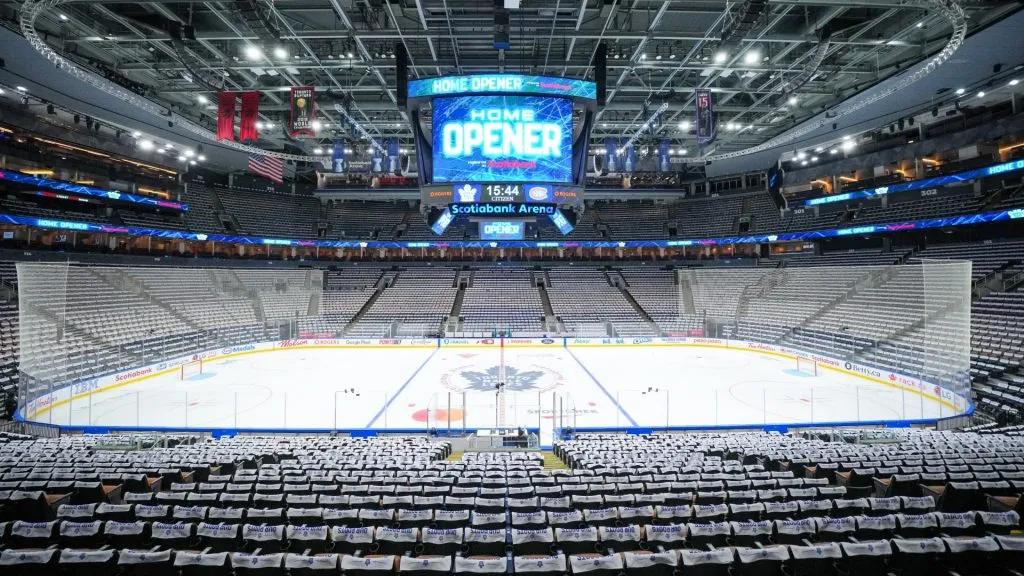
Scotiabank Arena (Source: Chris Tanouye/Getty Images)
The Scotiabank Arena in Toronto is the crown jewel of Canadian sports venues, a multi-purpose complex that is home to the Toronto Maple Leafs and the NBA’s Raptors. While its general capacity is often touted as a massive 19,800, its specific configuration for hockey settles around 18,800 seats.
However, the number doesn’t fully capture its significance. Located in the financial district, its connection to the Leafs is pure devotion, boasting famously long waitlists for season tickets. This arena’s sheer scale and its location at the intersection of commerce and hockey history ensure that every seat is filled with high-intensity drama, making it a constant sell-out and a massive financial engine for the league.
10. Rogers Arena – 18,910 | Vancouver Canucks
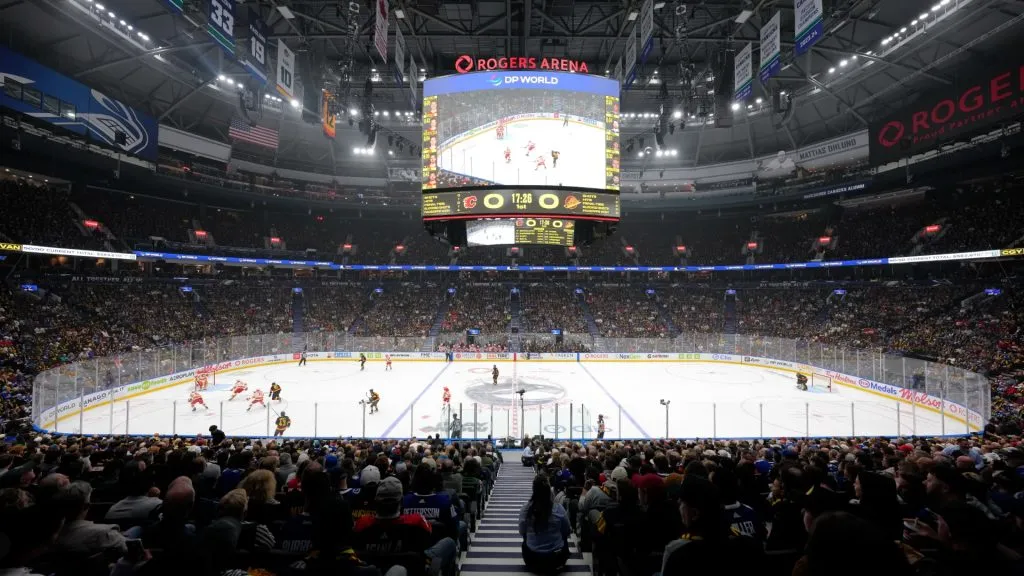
Rogers Arena (Source: Derek Cain/Getty Images)
Moving to the Pacific coast, the Rogers Arena in downtown Vancouver is the dynamic home of the Vancouver Canucks. This venue, which gained international fame as the site of the 2010 Winter Olympics ice hockey events, offers an imposing capacity of 18,910 seats.
The arena is celebrated for its steep seating bowl, which creates a loud, vertical wall of sound that cascades down onto the ice. The close proximity of the seats to the playing surface maximizes the crowd’s energy, transforming the large venue into an intense, compact cauldron. This powerful link between capacity and acoustics makes Rogers Arena one of the league’s premier destinations for a high-decibel hockey experience.
9. KeyBank Center – 19,070 | Buffalo Sabres
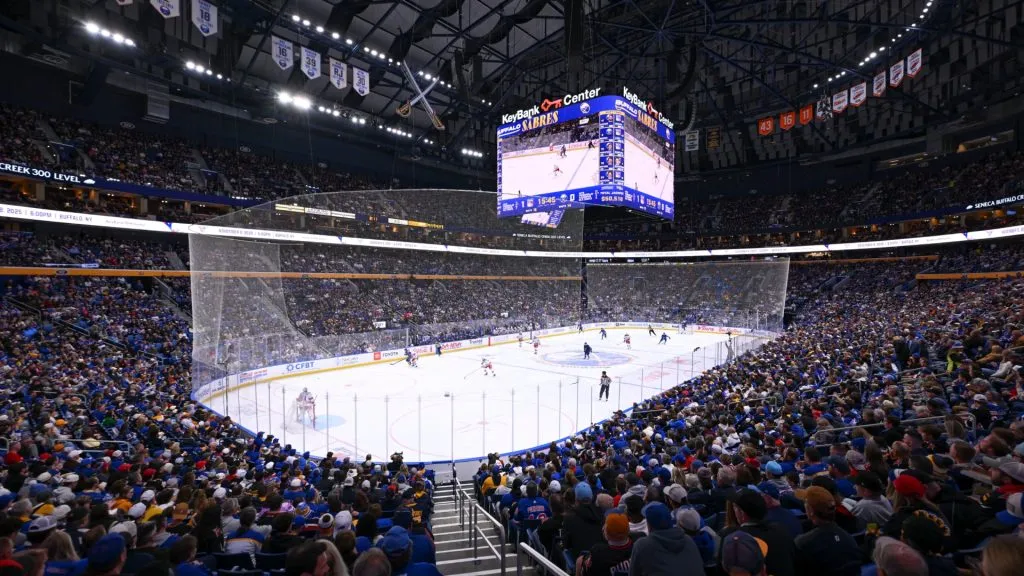
KeyBank Center (Source: Joe Hrycych/Getty Images)
In Buffalo, New York, the KeyBank Center serves as the vital downtown hub for the deeply loyal fan base of the Buffalo Sabres. With a maximum hockey seating capacity of 19,070, the arena is one of the largest on the American side of the border.
This venue is not merely a place to watch hockey; it is the central pillar of the city’s sports identity. Despite the team’s fluctuating fortunes, the Sabres faithful routinely pack the center, often surpassing 19,000 to create an atmosphere thick with palpable enthusiasm. The large seating capacity is a testament to the community’s unwavering commitment to its team, embodying the fierce pride of Western New York.
8. Benchmark International Arena – 19,092 | Tampa Bay Lightning
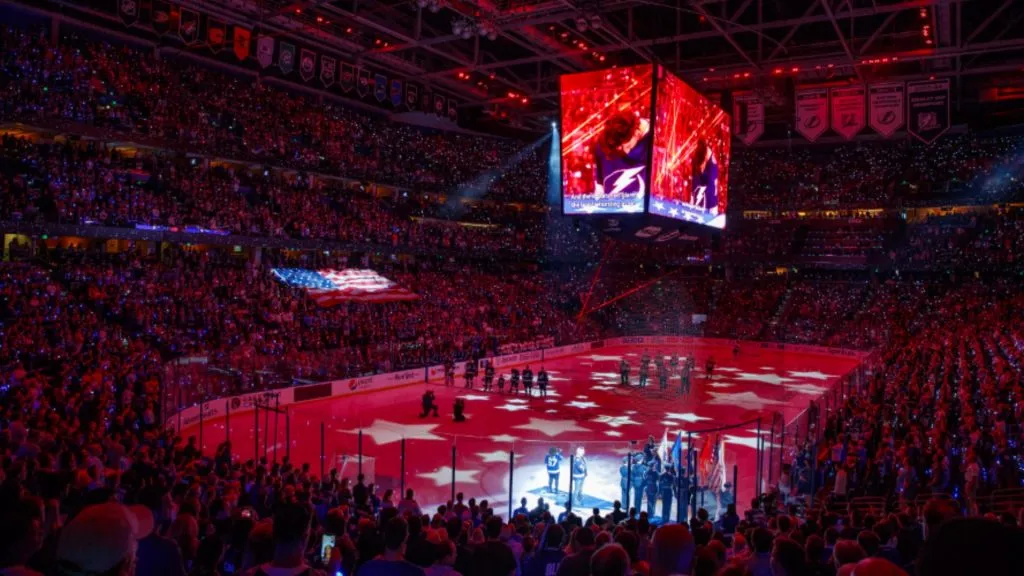
Benchmark International Arena (Source: Visit Tampa Bay)
The Benchmark International Arena, nestled in Tampa’s vibrant Channelside district, is a striking example of a non-traditional hockey market that has successfully cultivated a championship-level fanbase. Home to the multi-Stanley Cup winning Tampa Bay Lightning, this arena has created one of the league’s most energized atmospheres.
With an officially cited capacity often around 19,092, and some sources even suggesting a higher figure of 19,758, it firmly sits near the 19,000 threshold. The venue is renowned for its modern amenities, including the massive jumbotron and the Tesla coil that shoots sparks during games, but its greatest feature is the “Thunder” fan base. Their passion demonstrates that ice and playoff intensity can thrive even under the Florida sun, making the arena a powerhouse of attendance.
7. Amerant Bank Arena – 19,250 | Florida Panthers
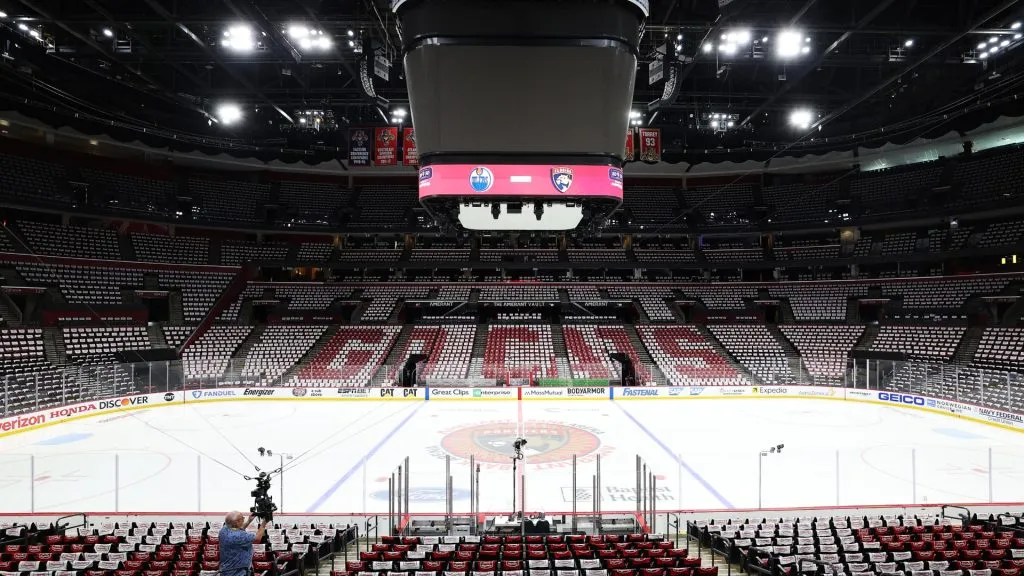
Amerant Bank Arena (Source: Mike Carlson/Getty Images)
Located in Sunrise, Florida, the Amerant Bank Arena is proof that you don’t need snow to draw huge hockey crowds. As the home of the Florida Panthers, the arena’s seating capacity of 19,250 ranks it highly among its NHL peers, demonstrating the explosive growth and loyalty of the team’s fanbase.
Despite being geographically distinct from the league’s colder markets, the Panthers have leveraged their arena’s size to create a massive atmosphere. In fact, they have recently demonstrated they can exceed this figure, with recorded attendance rates topping 102% during key games, confirming that the arena’s capacity is consistently tested by a passionate, growing following.
6. Scotiabank Saddledome – 19,289 | Calgary Flames
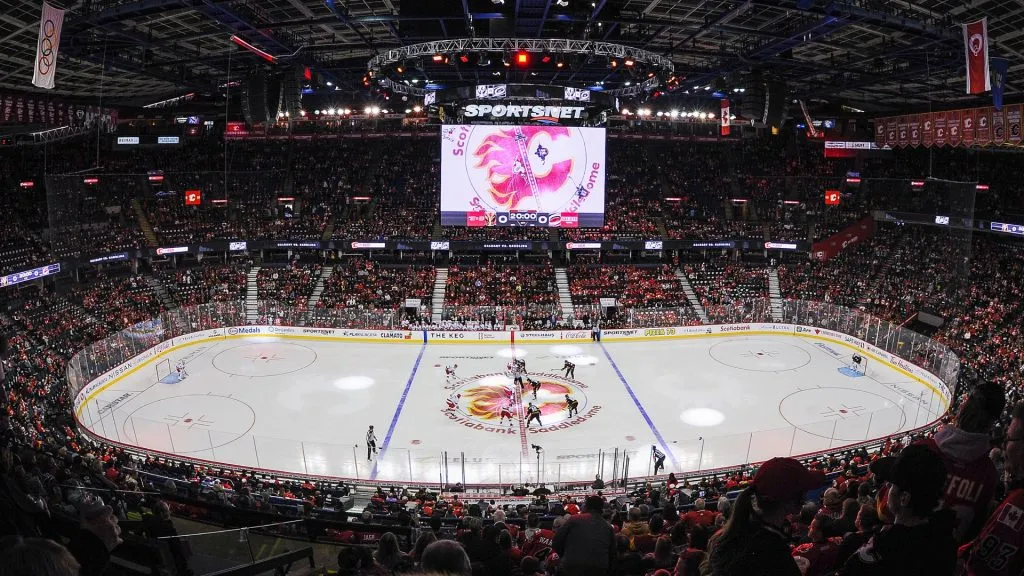
Scotiabank Saddledome (Source: Derek Leung/Getty Images)
The Scotiabank Saddledome is one of the most recognizable structures in the NHL, instantly known for its distinctive saddle-shaped roof. Home to the Calgary Flames since 1983, it’s an aging icon that continues to house a formidable crowd. The seating capacity for hockey hovers over 19,289 spectators, placing it securely in the top tier of NHL venues.
This stadium is a testament to the enduring passion of Albertans for the Flames. While its future remains a topic of conversation, for now, the Saddledome remains a raucous, high-capacity venue where the enthusiasm of the crowd rivals the sheer scale of the building’s unique architecture.
5. Canadian Tire Centre – 19,347 | Ottawa Senators
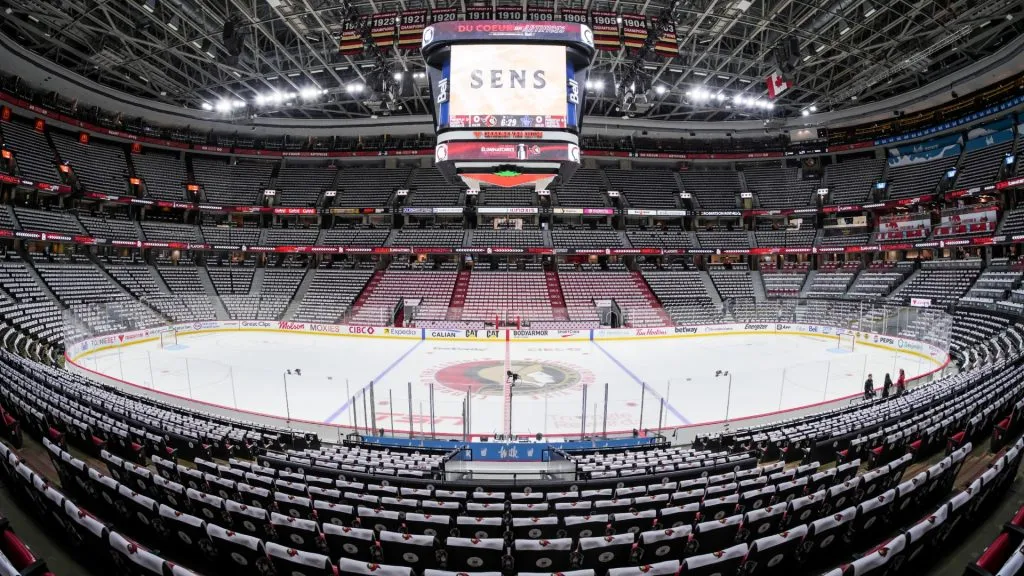
Canadian Tire Centre (Source: Chris Tanouye/Freestyle Photography/Getty Images)
Rounding out this group of capacity giants is the Canadian Tire Centre, the large, multi-purpose venue where the Ottawa Senators play their home games. Located just outside downtown Ottawa, the arena offers a substantial official capacity of 19,347 for hockey.
While it comes in at the bottom of this specific capacity ranking, it remains a considerable venue that ensures the Senators have a significant stage for their passionate Canadian fanbase. The arena is constantly filled with the energy of the nation’s capital, where the large crowds are a testament to the enduring connection between the Senators and their dedicated supporters.
4. Little Caesars Arena – 19,515 | Detroit Red Wings
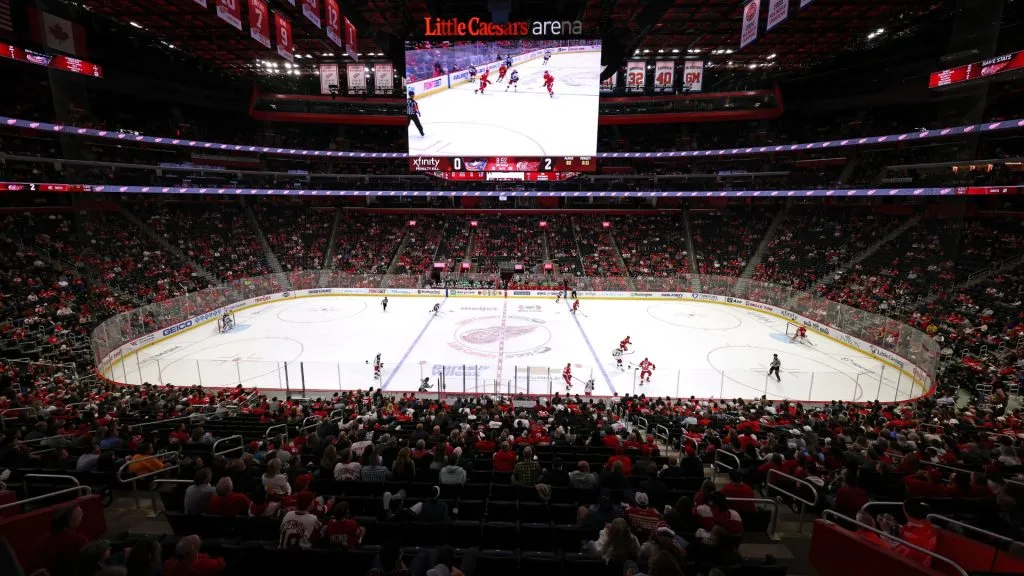
Little Caesars Arena (Source: Gregory Shamus/Getty Images)
The gleaming, contemporary Little Caesars Arena is the newest home for the storied Detroit Red Wings, a team whose city proudly claims the moniker “Hockeytown.” Designed to honor that legacy, its capacity stands at a robust 19,515.
This modern figure ensures the Red Wings continue to command one of the largest fan turnouts in the league, channeling the energy of the past into the sleek, high-tech bowl of the present. The large capacity allows the roar of the crowd to echo the glory days of the Old Joe, proving that Detroit’s passion for hockey is as big as ever.
3. Xfinity Mobile Arena – 19,538 | Philadelphia Flyers
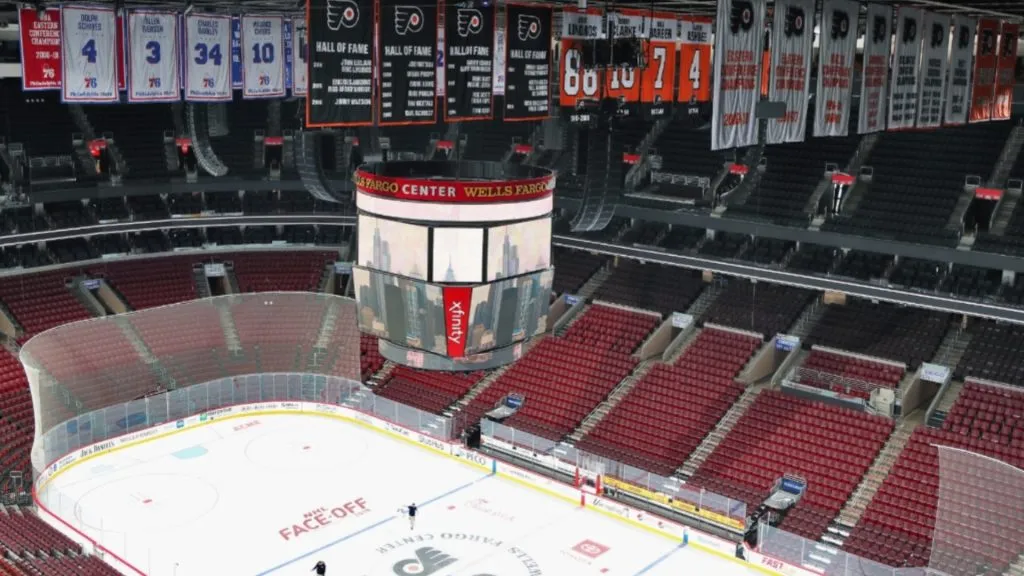
Wells Fargo Center (Source: Philly Hockey Now)
The Xfinity Mobile Arena in Philadelphia perfectly embodies the fierce, unrelenting spirit of the Philadelphia Flyers. With a precise capacity of 19,538, it consistently hosts some of the most passionate and vocal crowds in the league, cementing its position among the NHL’s capacity elite.
Situated in the city’s sports complex, this arena is a sanctuary where the collective will of the people—known for their tough, ‘no surrender’ attitude—translates directly into a powerful home-ice advantage. The scale of the venue is essential for bottling that famous Philadelphia fervor, ensuring every cheer is amplified.
2. United Center – 19,717 | Chicago Blackhawks

United Center (Source: Geoff Stellfox/Getty Images)
Dominating the West Side, the United Center stands as a testament to Chicago’s immense appetite for sports, sharing the spotlight with the NBA’s Bulls. For the Chicago Blackhawks, the capacity is set at an intimidating 19,717, securing its place as the second-largest ice arena in the league.
This nearly 20,000-strong crowd is the engine behind the team’s powerful atmosphere, famous for the unified, pre-game fervor that sweeps through the stadium. The United Center’s size isn’t just about quantity; it’s about mobilizing a massive, unified force that makes the venue feel like a pressure cooker for opponents.
1. Bell Centre – 21,105 | Montreal Canadiens
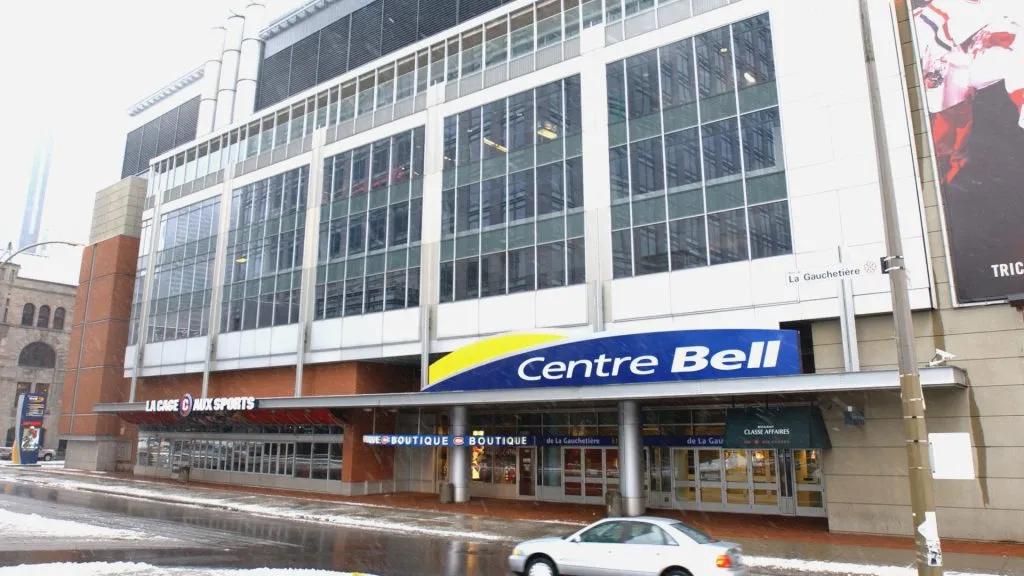
Bell Centre (Source: Harry How/Getty Images)
Holding the top spot as the largest arena in the NHL, the Bell Centre is more than a venue—it’s the epicenter of hockey culture. Home to the legendary Montreal Canadiens, this colossus in downtown Montreal is designed to contain a massive crowd of 21,105 fans, making it the highest-capacity hockey building in the world.
The sheer scale ensures that every game is an event, a convergence of the largest, loudest collective of hockey fanatics on the planet. The relationship between the arena’s imposing size and the team’s unparalleled history creates an environment where every seat is a throne of tradition, guaranteeing an epic atmosphere unrivaled by any other team.